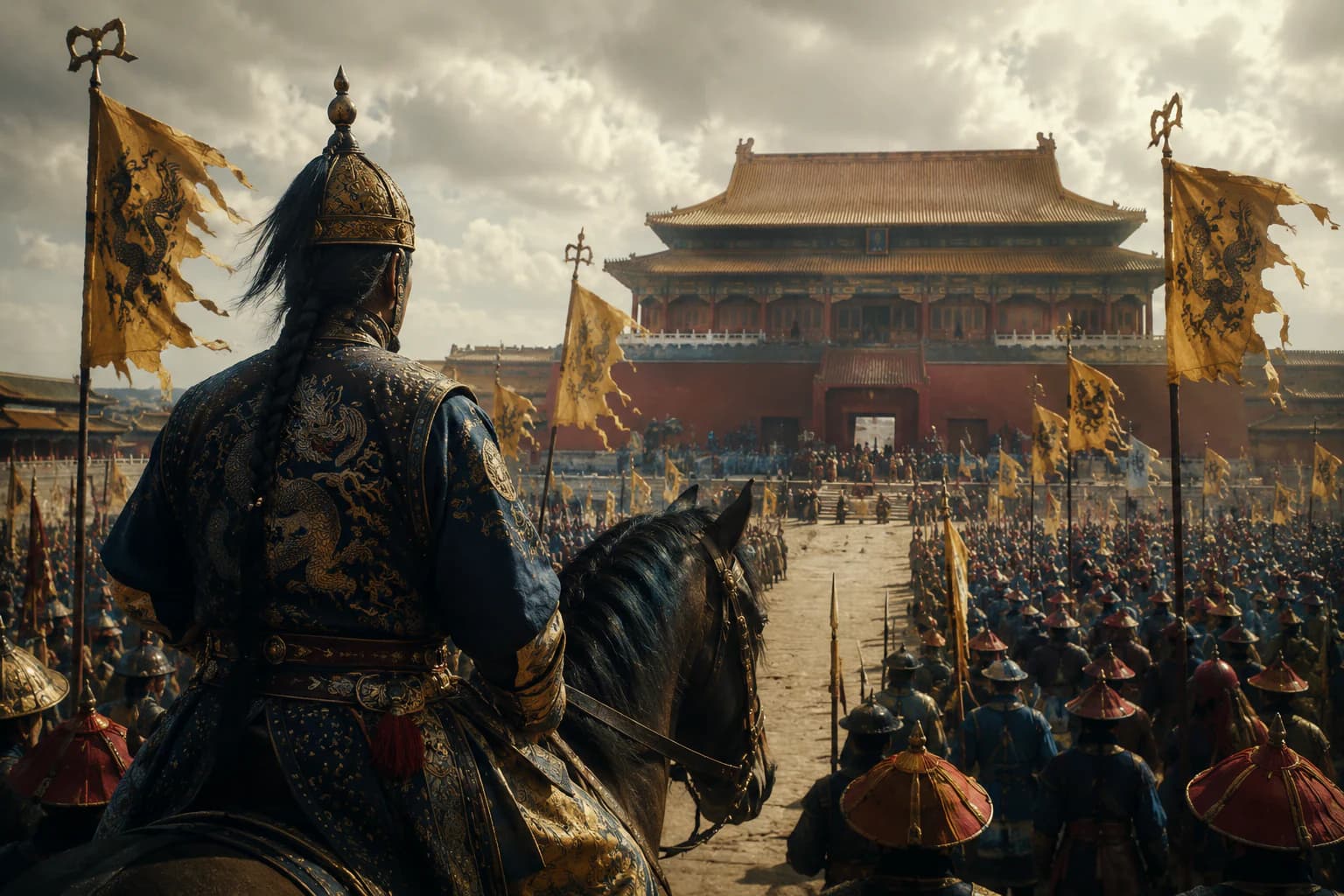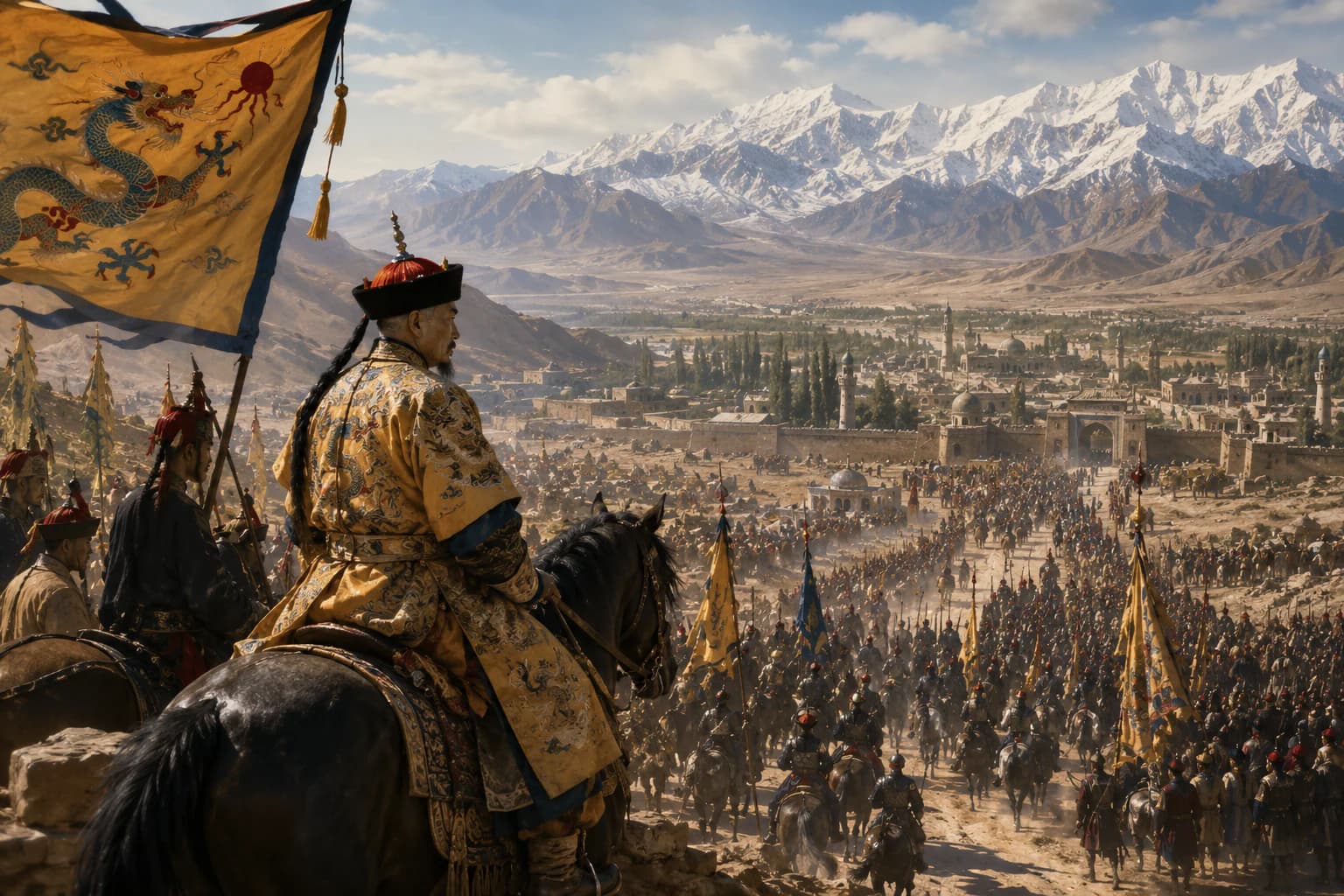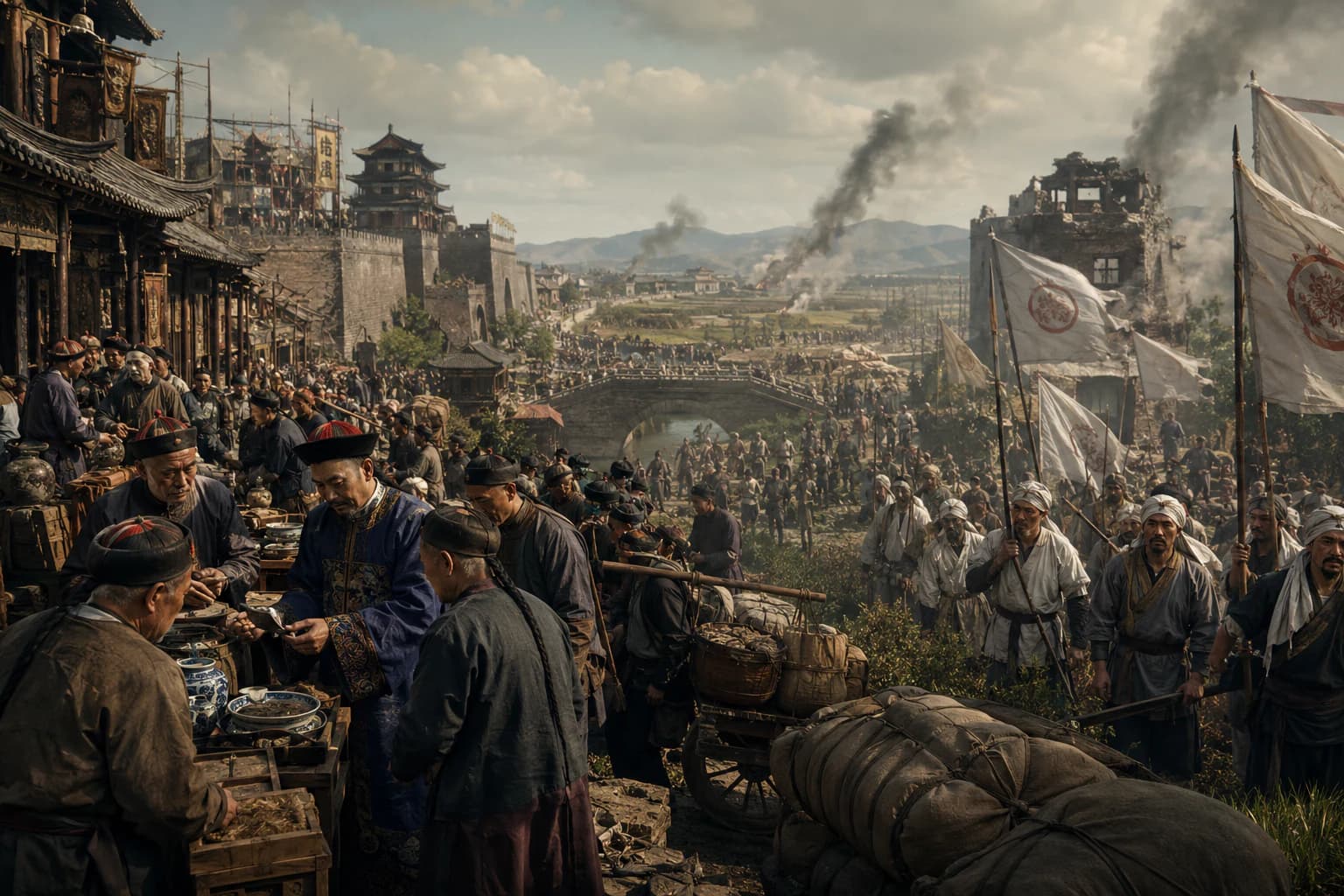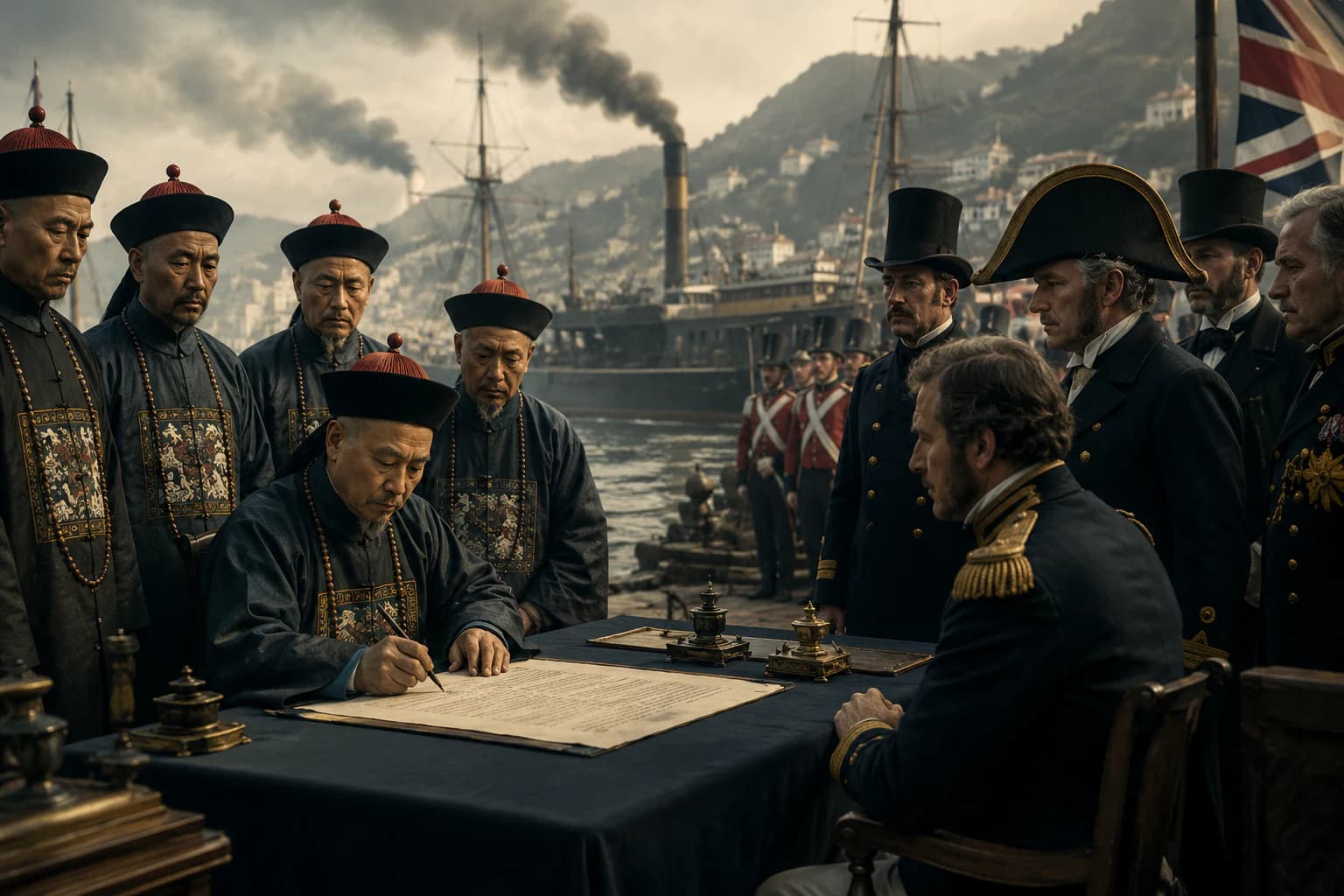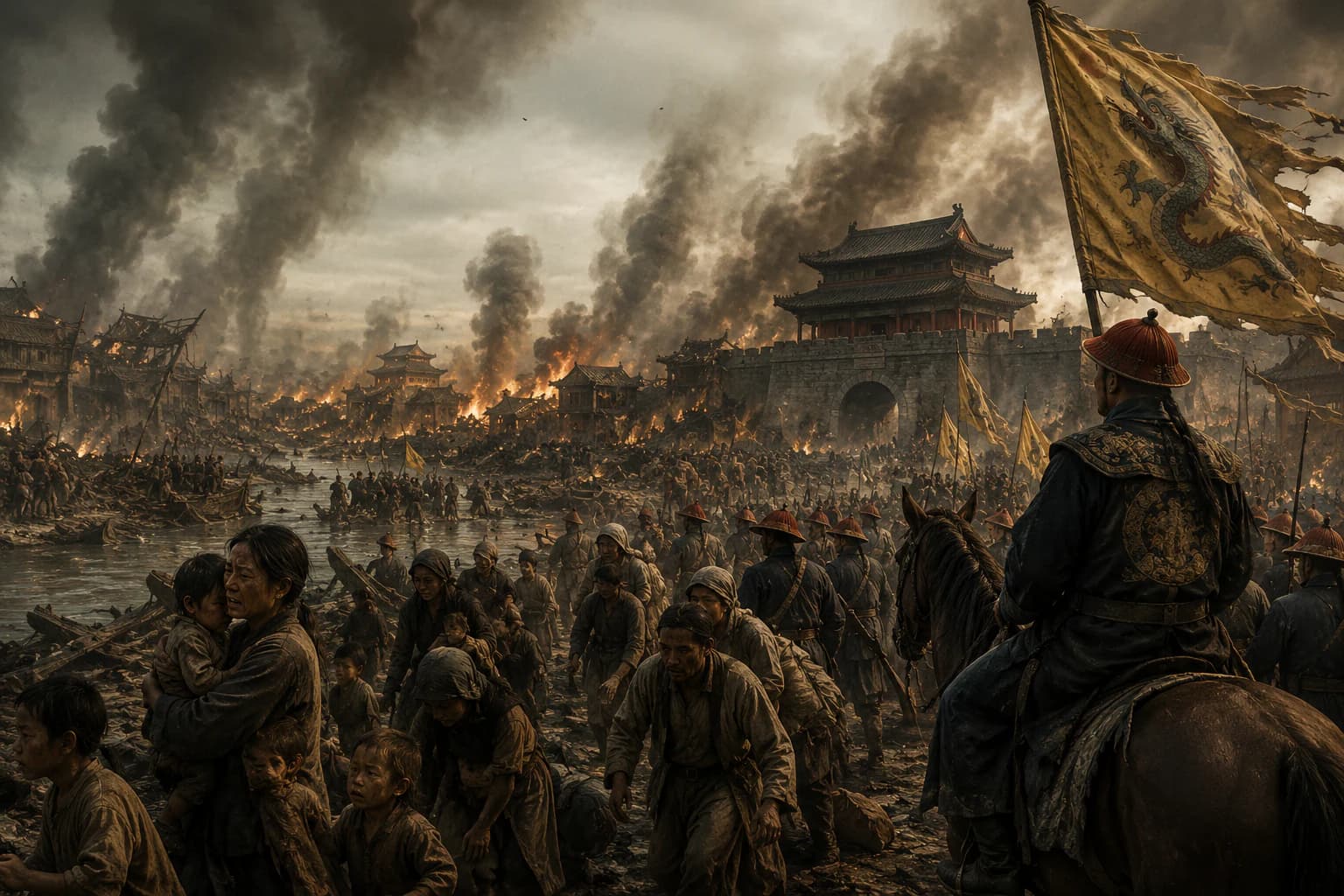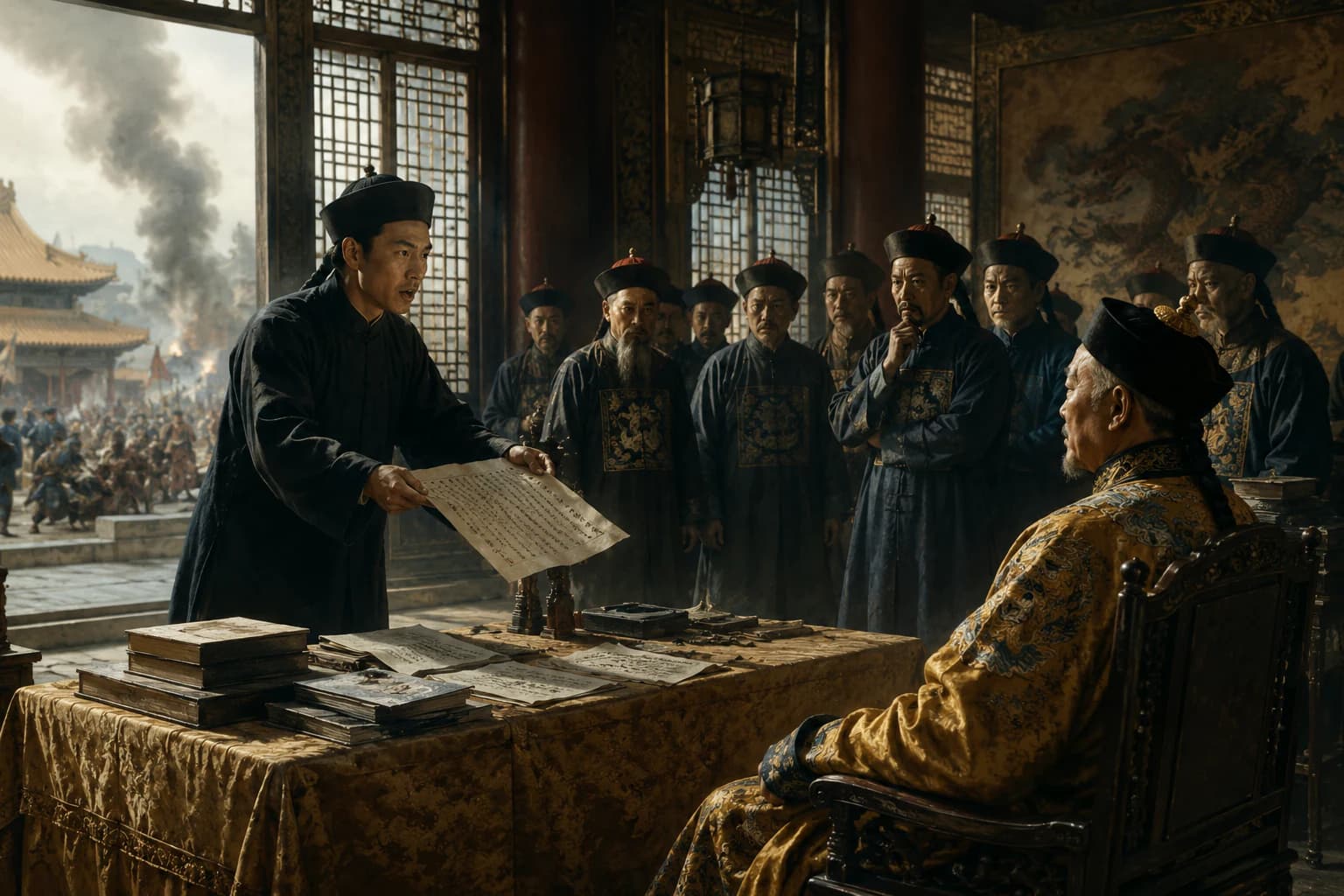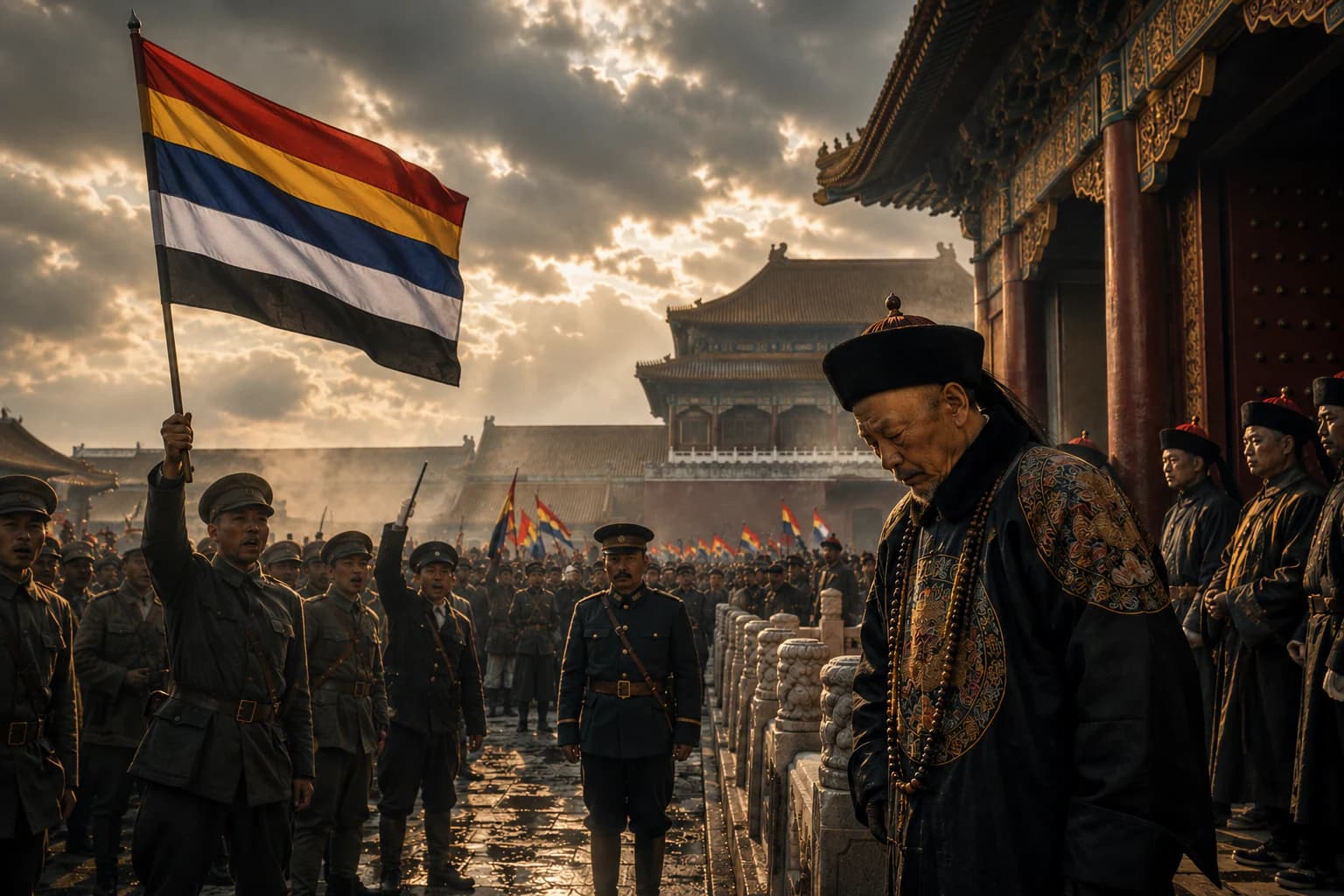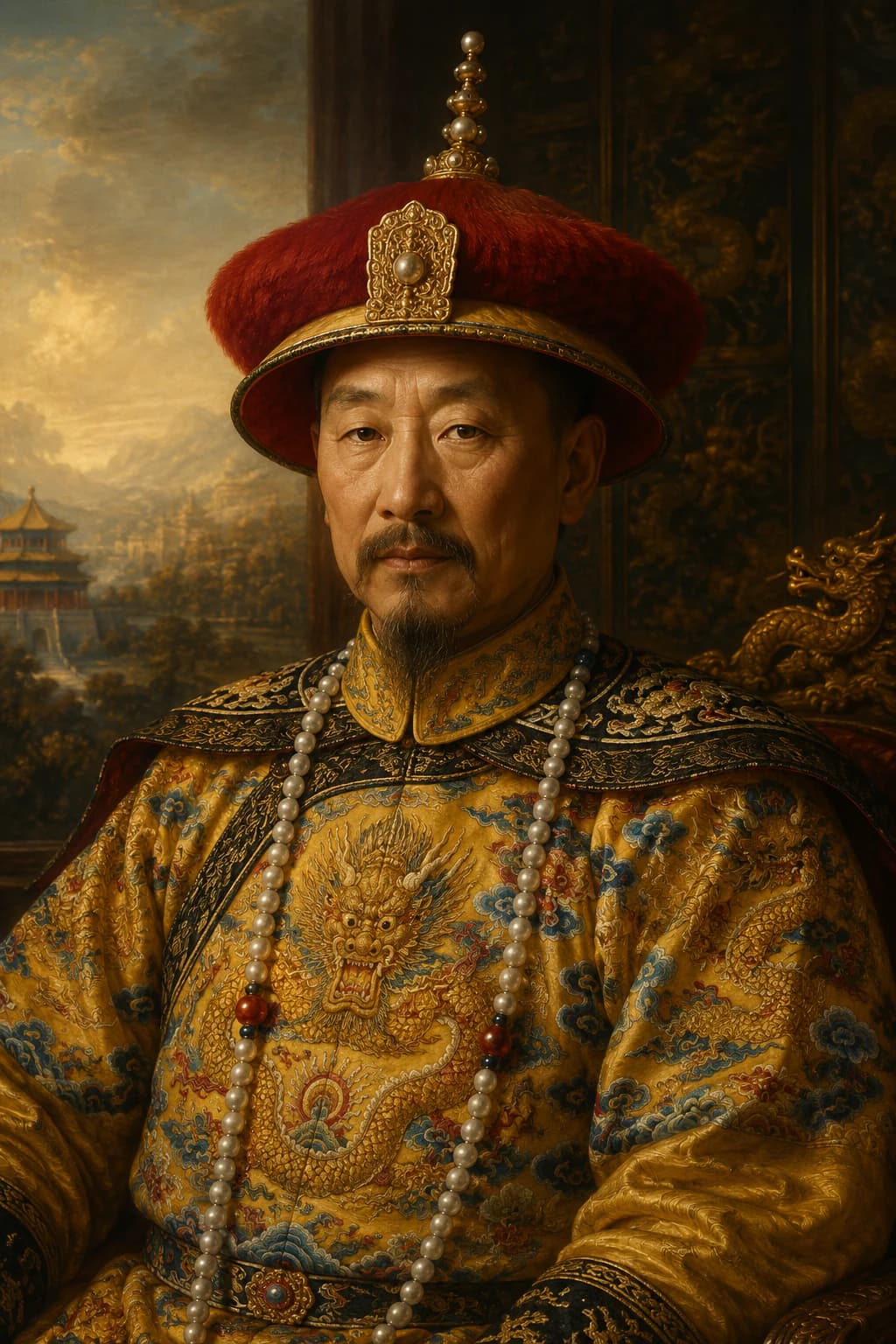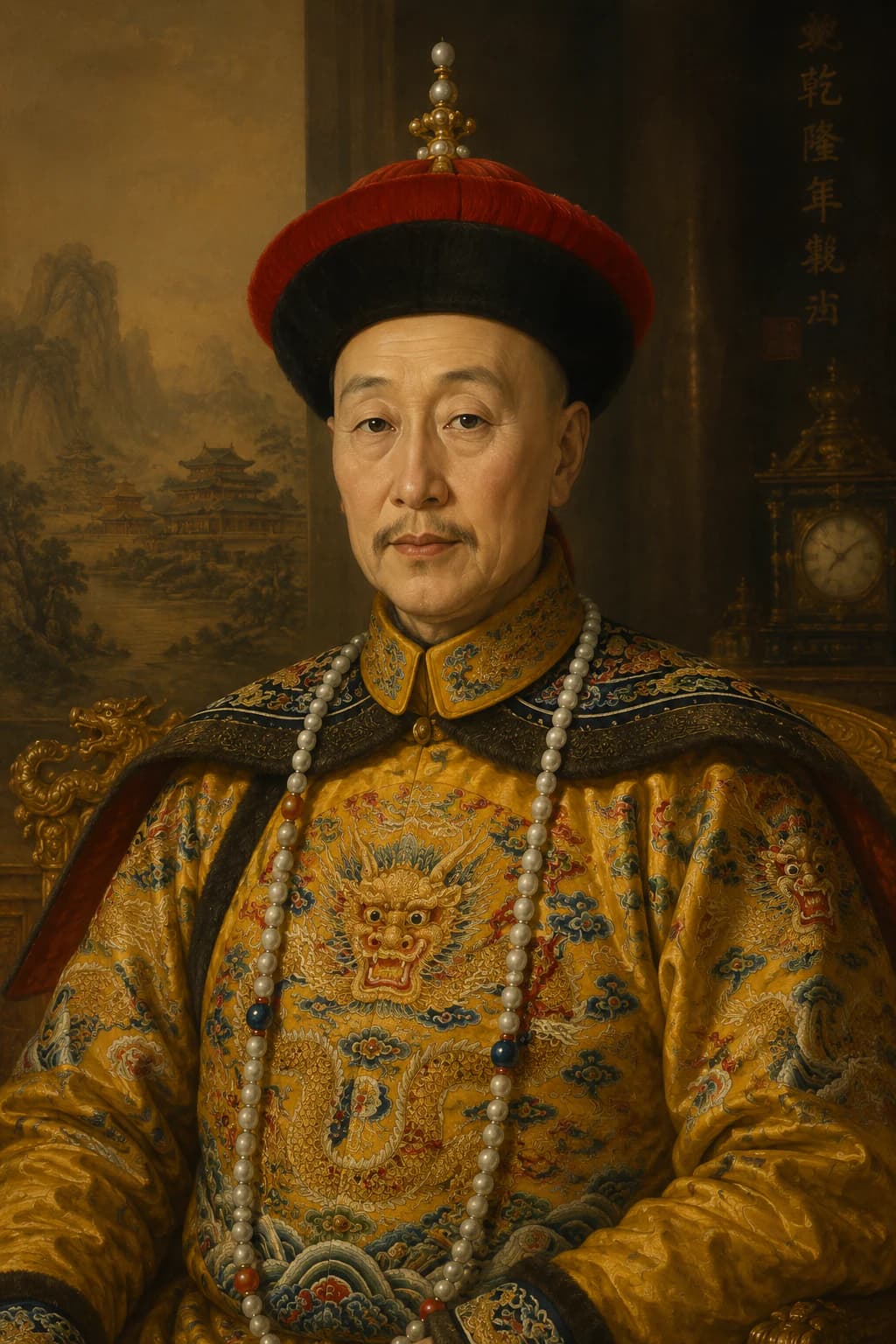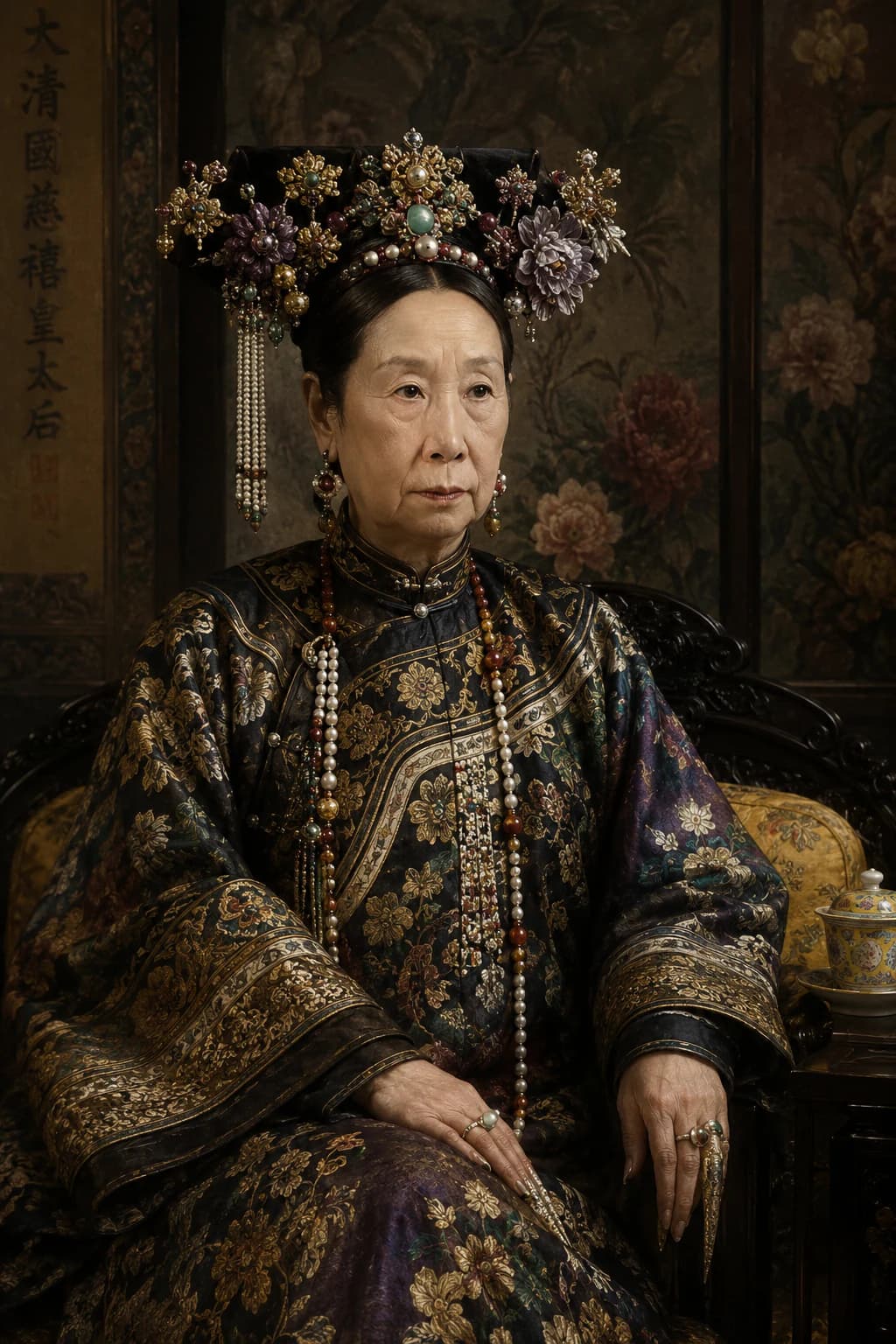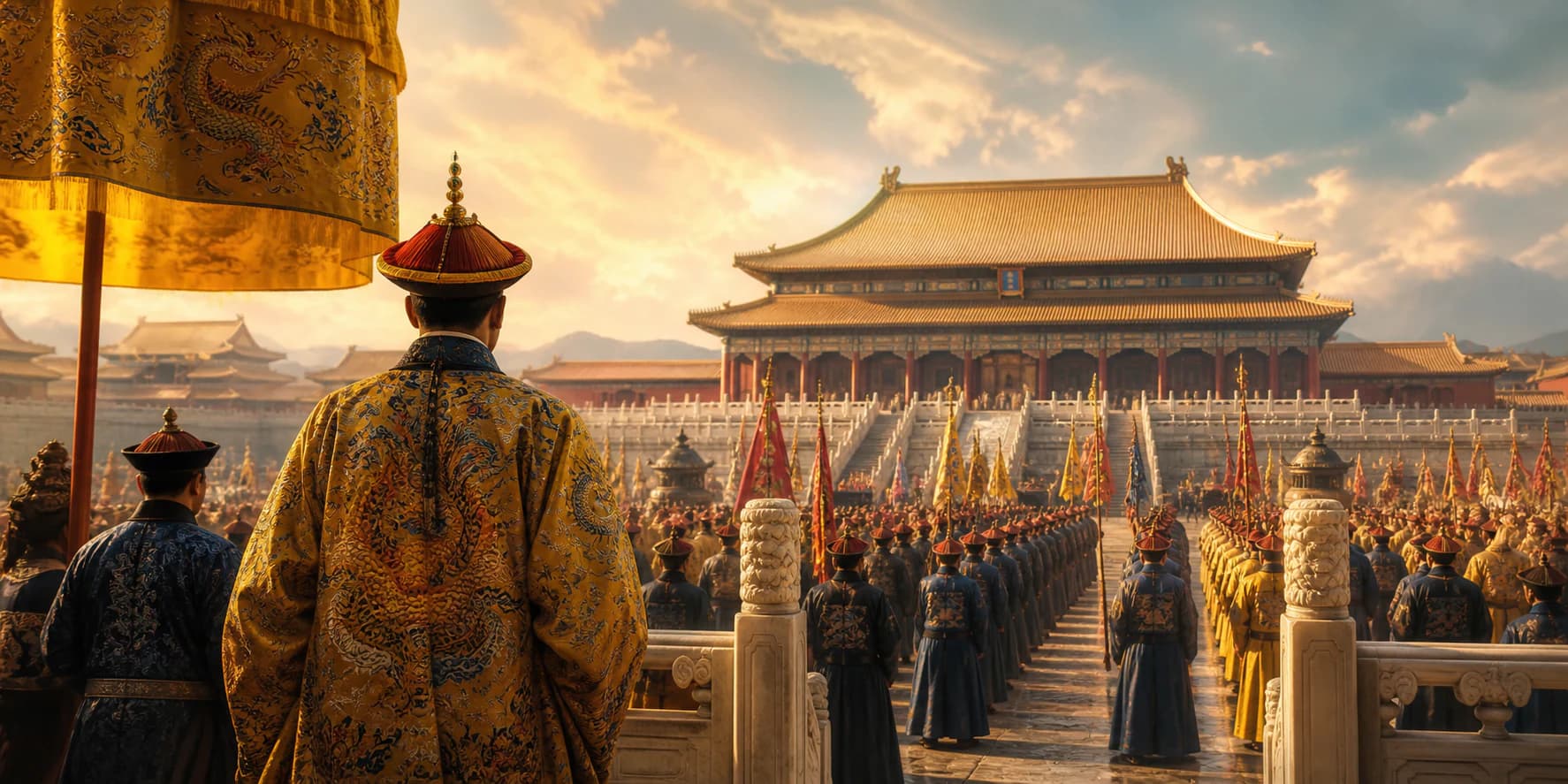
The Forbidden City in Beijing under the Qing dynasty, seat of imperial rule over the world's most populous empire.
Premium Story

The Qing Dynasty

Follow the Qing from Manchu conquest to multiethnic empire, long prosperity, foreign shocks, failed reform, and final collapse.

11 chapters

Next
Context

Introduction

What you'll learn: You will follow how a Manchu minority built and governed one of history's greatest empires, why long prosperity gave way to crisis, how foreign intervention and internal rebellion transformed China, and why the dynasty's collapse in 1912 set the stage for modern China's turbulent transformation.

Key forces

The Manchu Conquest Begins
1644 CE
Step 1 of 101644 CEAccessible mode

The Manchu Conquest Begins

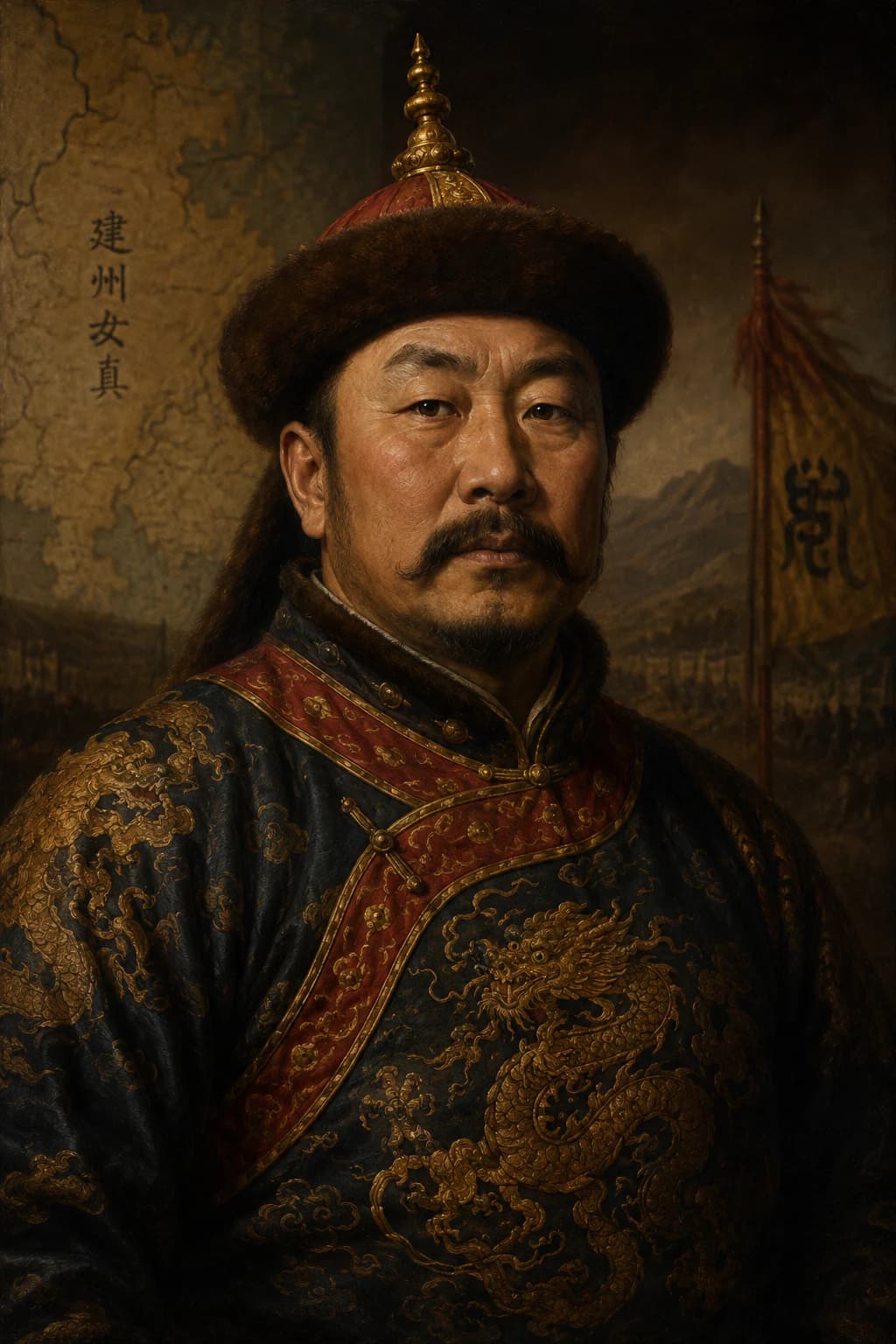
In 1644, Manchu forces entered and ended Ming rule. The dynasty they founded — the Qing — would govern China for nearly three hundred years.

The Ming had not simply been defeated. Peasant rebellion had already broken the dynasty from within. When Manchu cavalry entered through the Great Wall passes, they found a capital already in chaos.

The Qing were outsiders. A small Manchu ruling group now governed tens of millions of Han Chinese. To hold power, they kept Chinese institutions intact — the civil service, Confucian ceremony, imperial court rituals.

But they also imposed the queue: a shaved forehead and a long braid that every Han man was required to wear. It was a visible mark of submission.

The Manchu conquest began one of China's most consequential dynasties. A foreign minority would govern the world's largest state by blending their own traditions with the deep structures of Chinese imperial rule.

The Consolidation of Qing Rule
1683 CE
Step 2 of 101683 CEAccessible mode

The Consolidation of Qing Rule

By 1683, the Qing had overcome the last organised resistance to their rule and brought under imperial control for the first time.

After taking , the Qing still faced serious opposition. Three powerful former Ming generals turned against Qing authority in the 1670s, launching a rebellion that lasted nearly a decade.

The Qing prevailed through military persistence and careful politics. Those who submitted were rewarded; those who held out were destroyed.

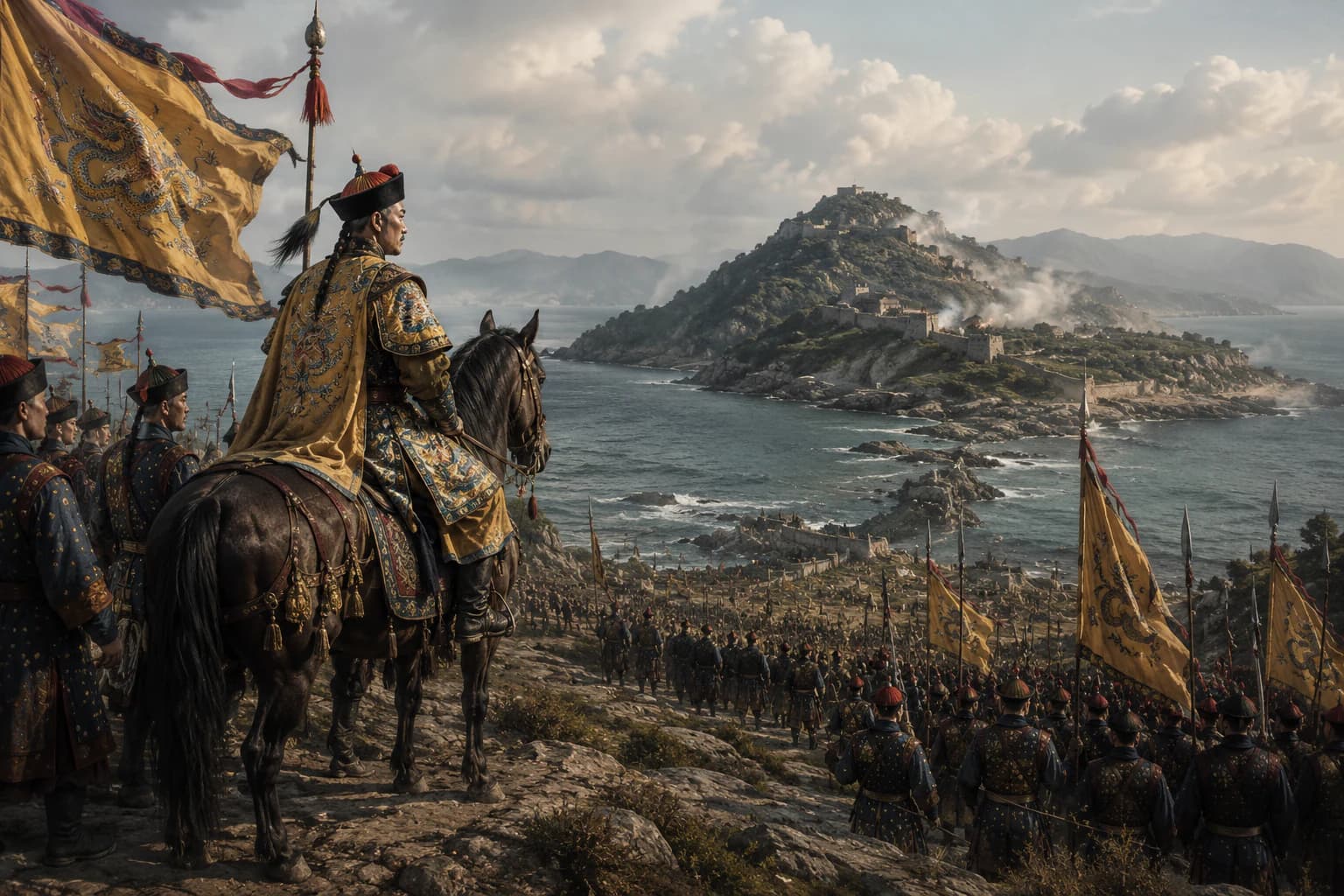
remained the final loyalist holdout, governed by the Zheng family as a base for maritime resistance since 1662. In 1683, a Qing naval campaign ended their hold and completed the conquest.

Consolidation shaped the dynasty's character as much as conquest had. Mixed Manchu-Chinese administration, rewards for loyalty, and firm military responses to rebellion became the defining features of Qing rule.

Kangxi's Imperial Order
1711 CE
Step 3 of 101711 CEAccessible mode

Kangxi's Imperial Order

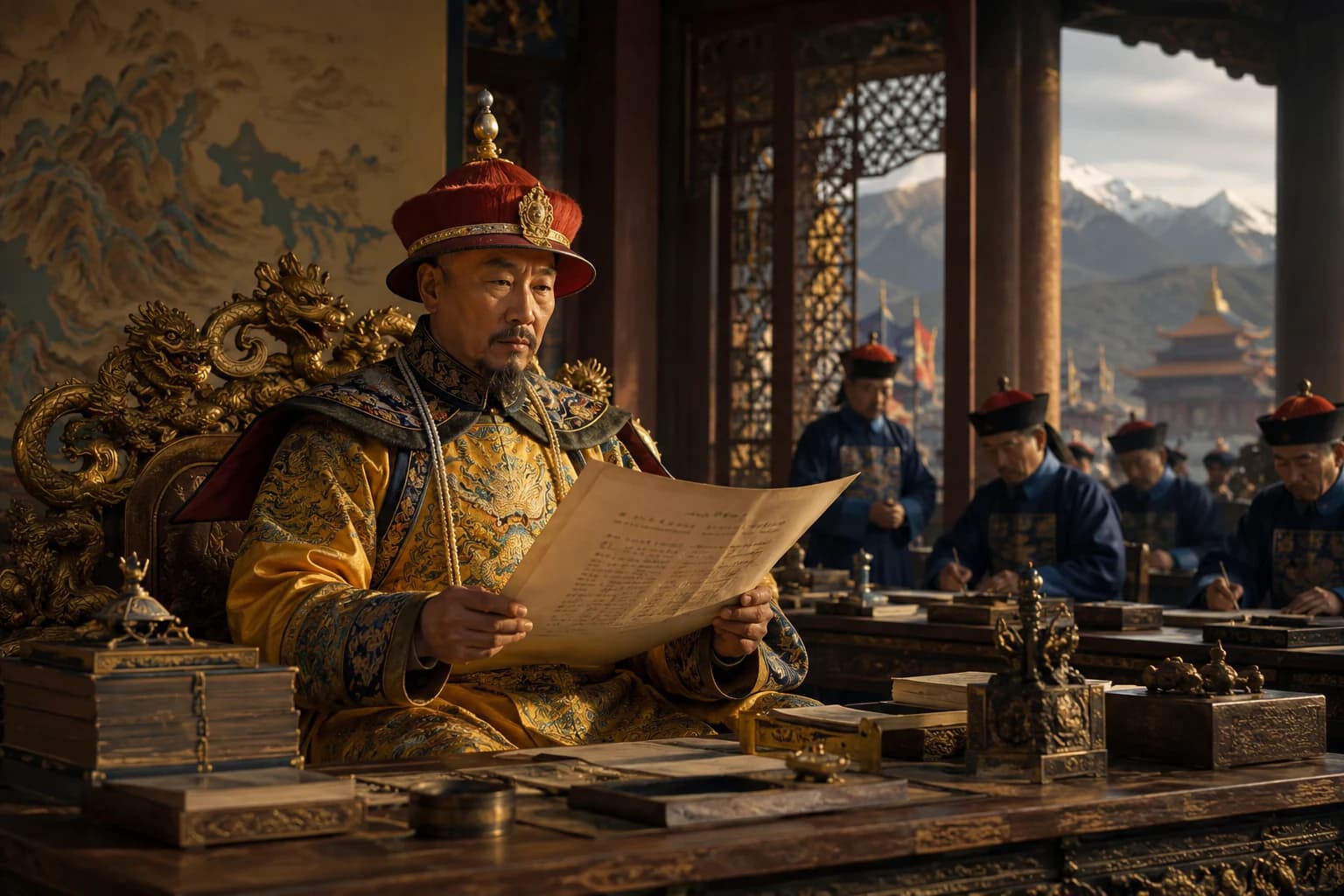
The Kangxi Emperor ruled China for sixty-one years. Under his leadership, the Qing built the stable, prosperous order that defined the dynasty at its height.

Kangxi was unusually active. He commanded military campaigns personally, studied science, and patronised scholarship. He ruled as both a Manchu warrior-emperor and a master of Chinese classical culture.

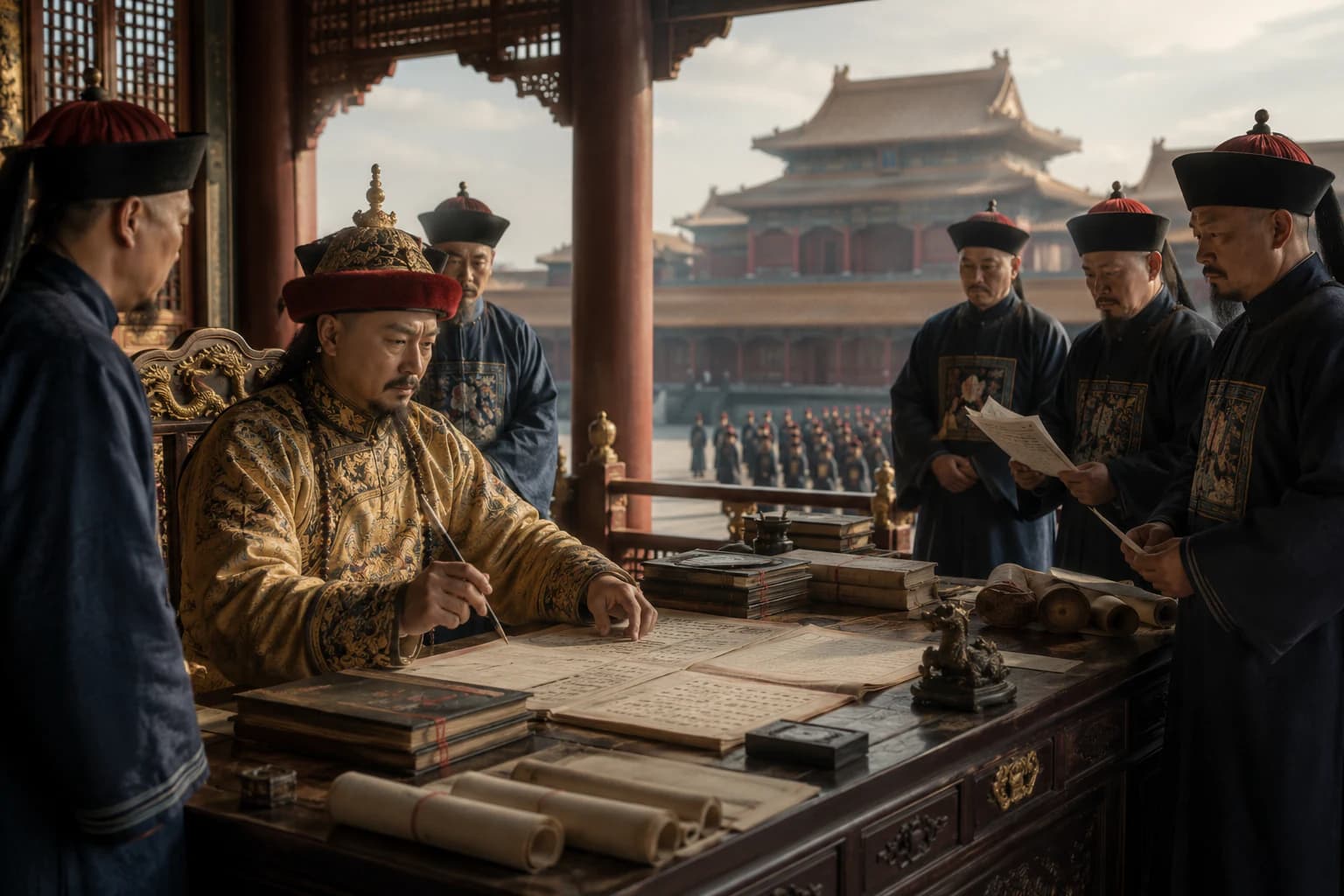
In 1711, he froze the land tax permanently. Ordinary farmers would be protected from rising demands regardless of how much the population grew. It was one of the dynasty's most popular decisions.

On the frontiers, Kangxi defeated the Dzungar leader Galdan and secured Mongolia for the Qing. Military success on the steppe reinforced his authority at court.

Kangxi's reign showed what a successful Qing emperor looked like: active, multi-cultural, firm but not brutal. He set a standard his successors tried hard to match.

Premium

You've reached the turning point

The opening chapters show Manchu rulers taking China and building legitimacy. Premium follows the burden of empire at scale: prosperity strains the system, foreign pressure exposes weakness, rebellion tears through society and reform arrives too late to save the dynasty.

Continue into the reversals, crises and human stakes that make the story matter.

Unlock full story

What Premium unlocks next

  1. 4Yongzheng's Centralizing Reforms
  2. 5Qianlong's Vast Empire
  3. 6Prosperity and Strain
  4. 7The Opium War Shock
  5. 8The Taiping Catastrophe
  6. 9Reform After Defeat
  7. 10The Fall of the Qing

Browse stories

Browse stories for free

Explore the people connected to this turning point or enjoy one of our free stories.

Unlock full storyBrowse stories

References

Sources & Further Reading

Reliable sources, primary-source collections and reading paths connected to this page.

Sources used

  1. Encyclopaedia Britannica, Qing Dynasty,” Open source
  2. The Metropolitan Museum of Art, The Qing Dynasty (1644-1911),” Open source

Further reading

  1. Pamela Kyle Crossley, The Manchus, Blackwell.

Primary sources

  1. Chinese Text Project, Qing texts,” Open source

A weekly route through history

Find out first about the latest published stories, feature notes and occasional Premium offers in one weekly email.