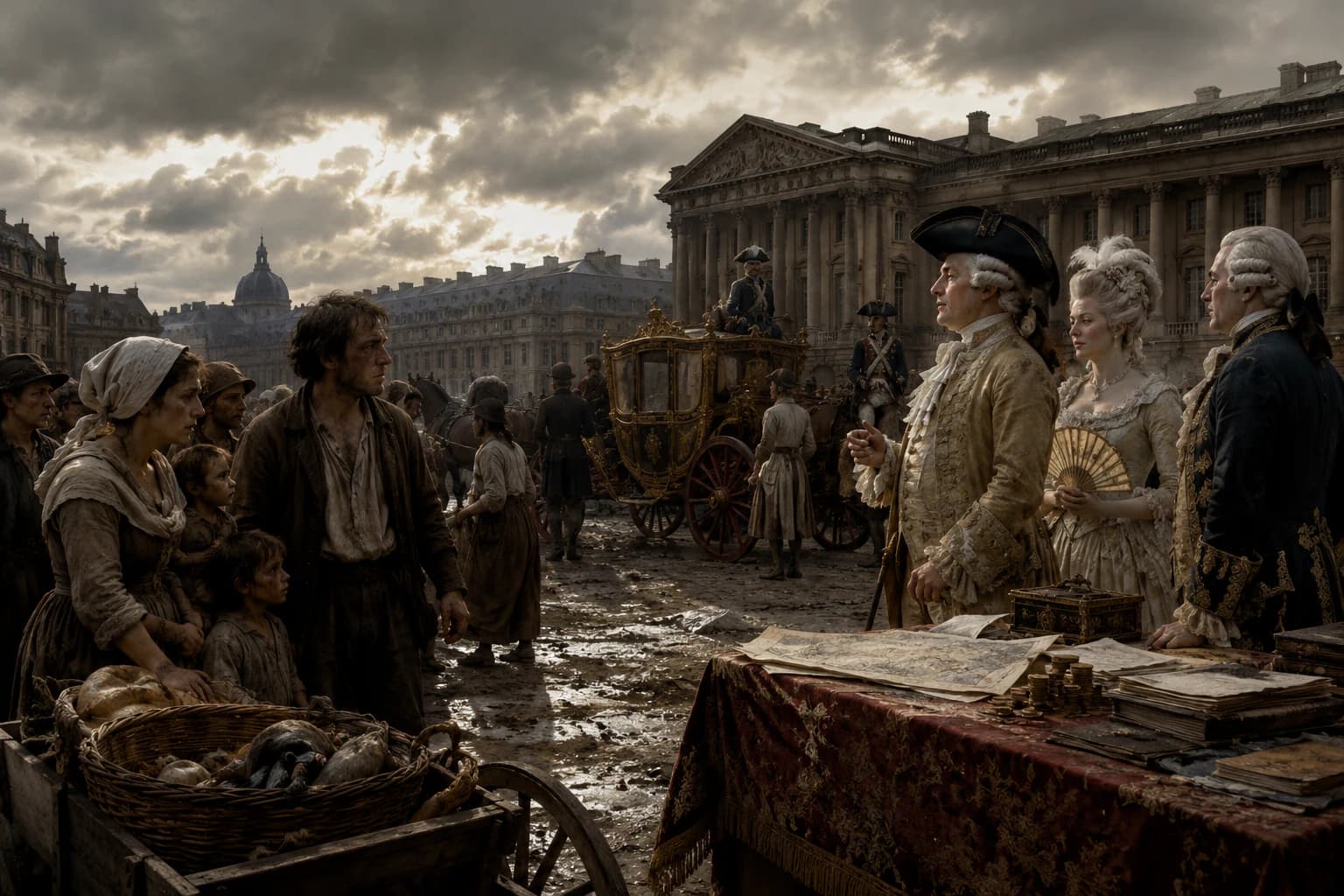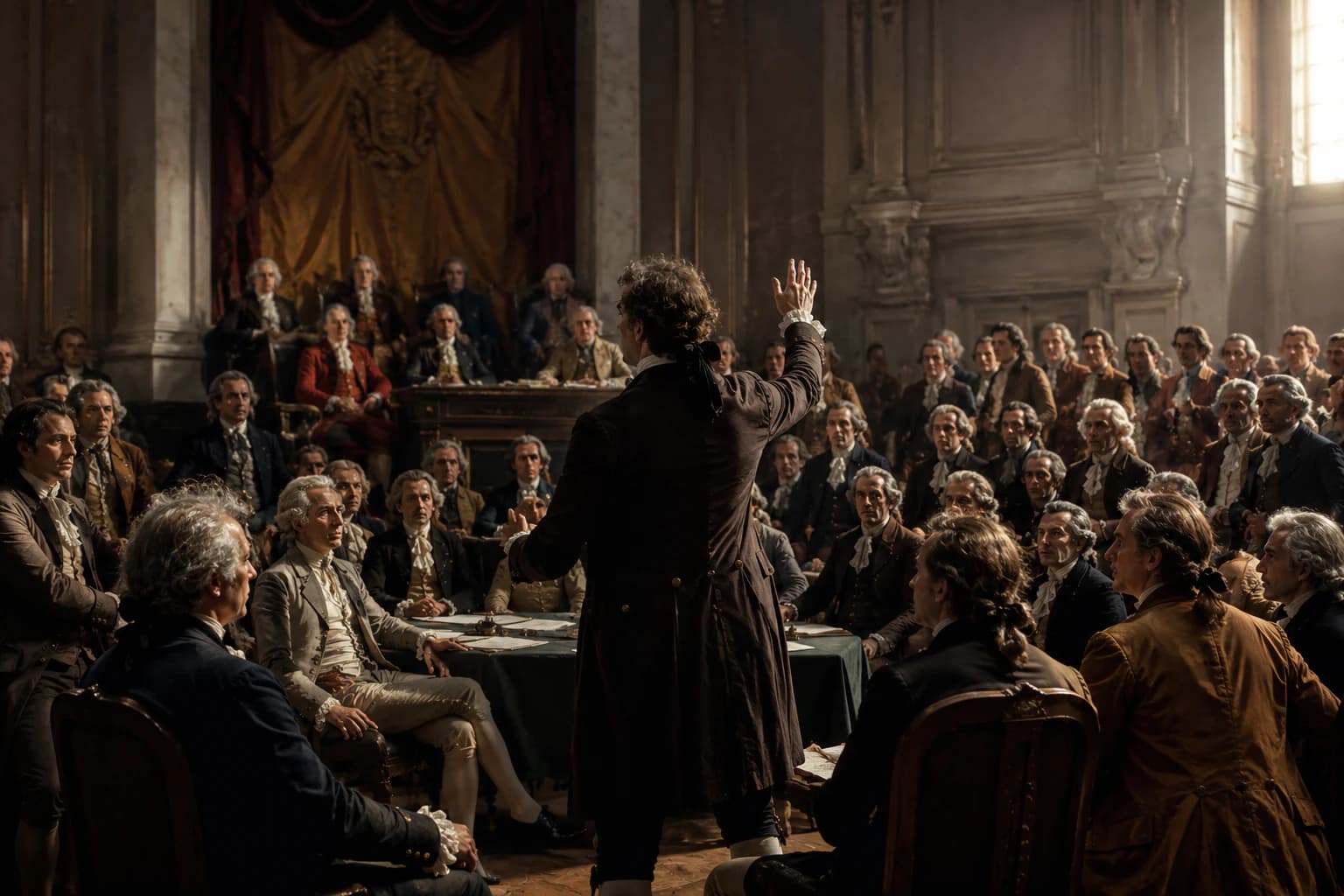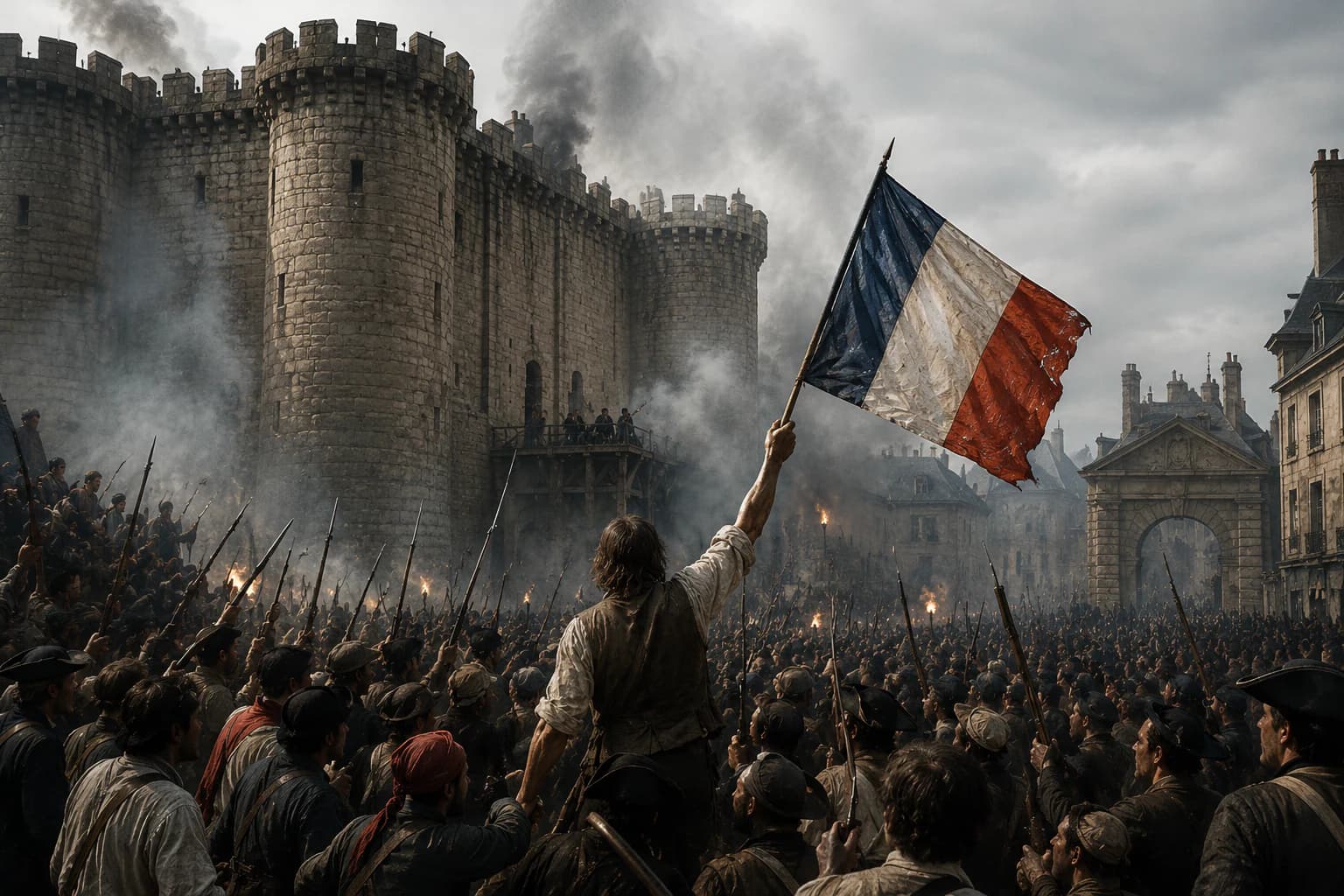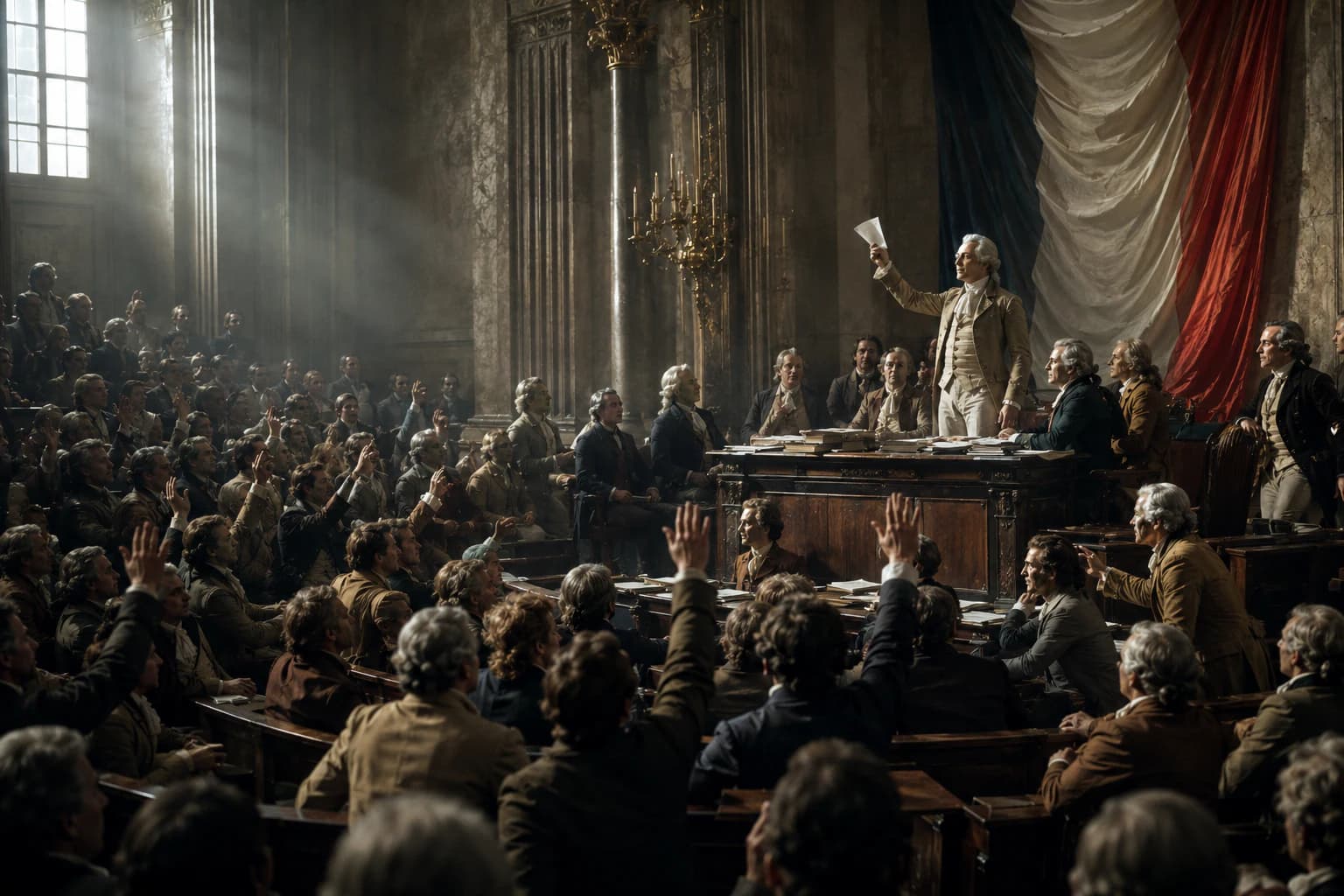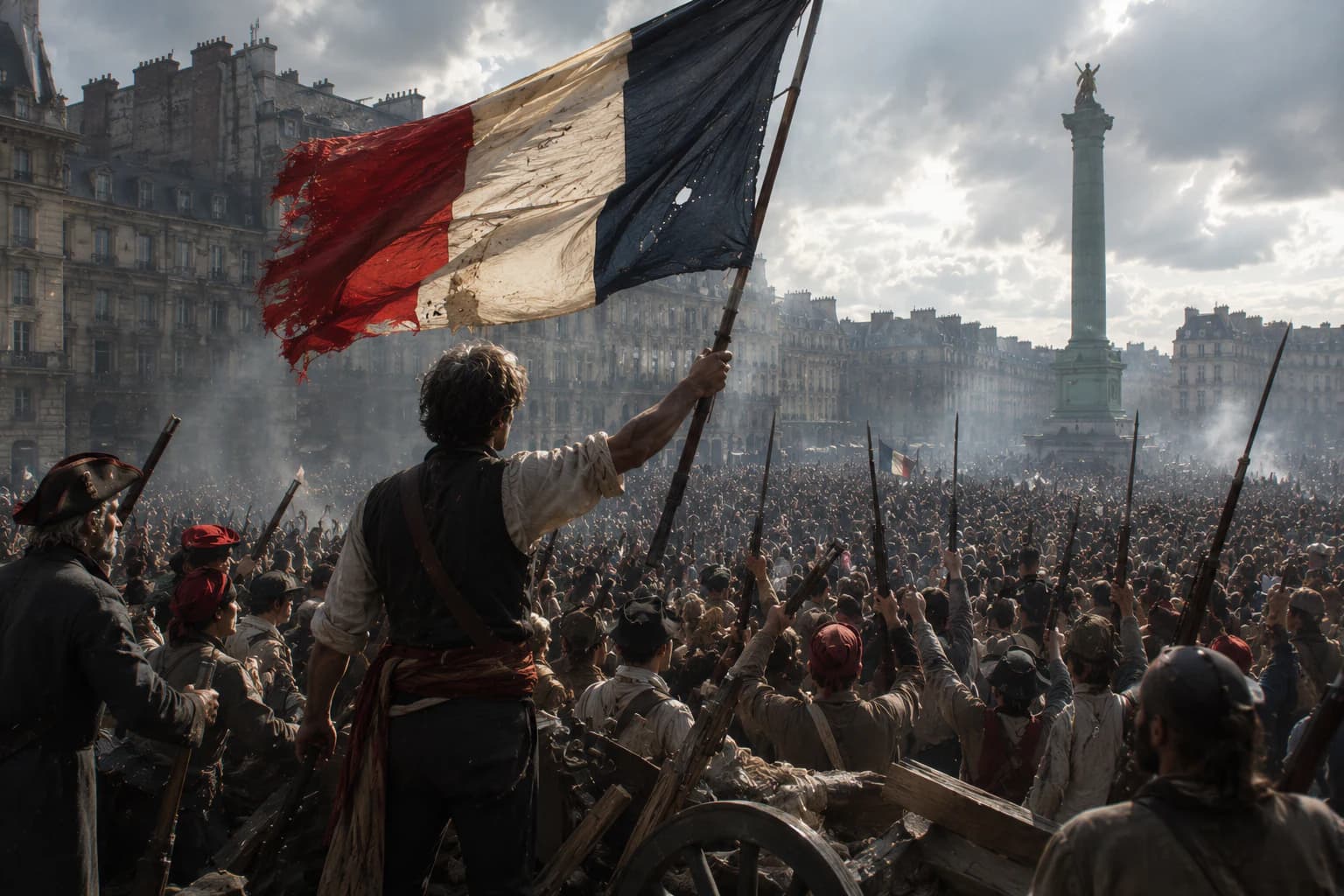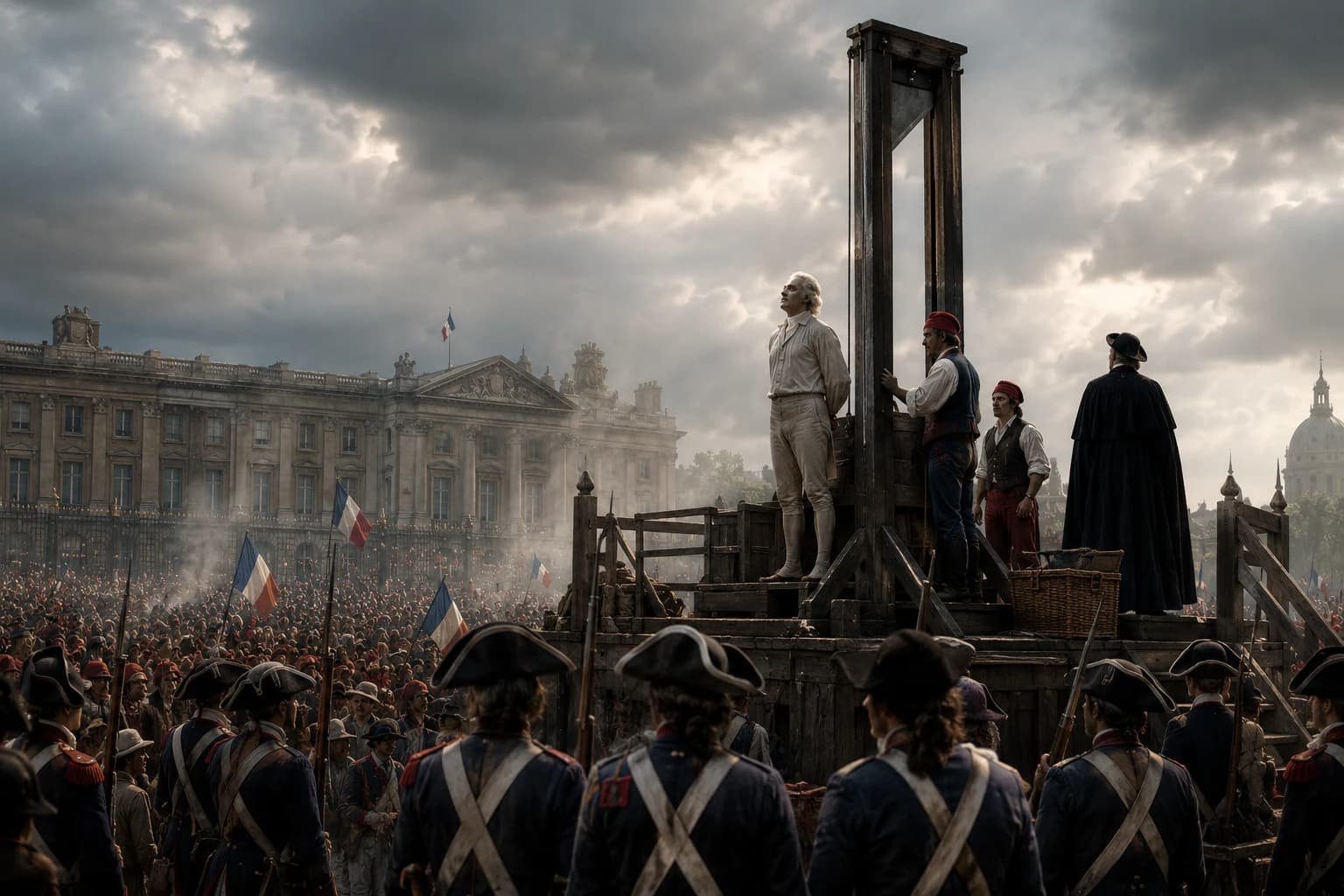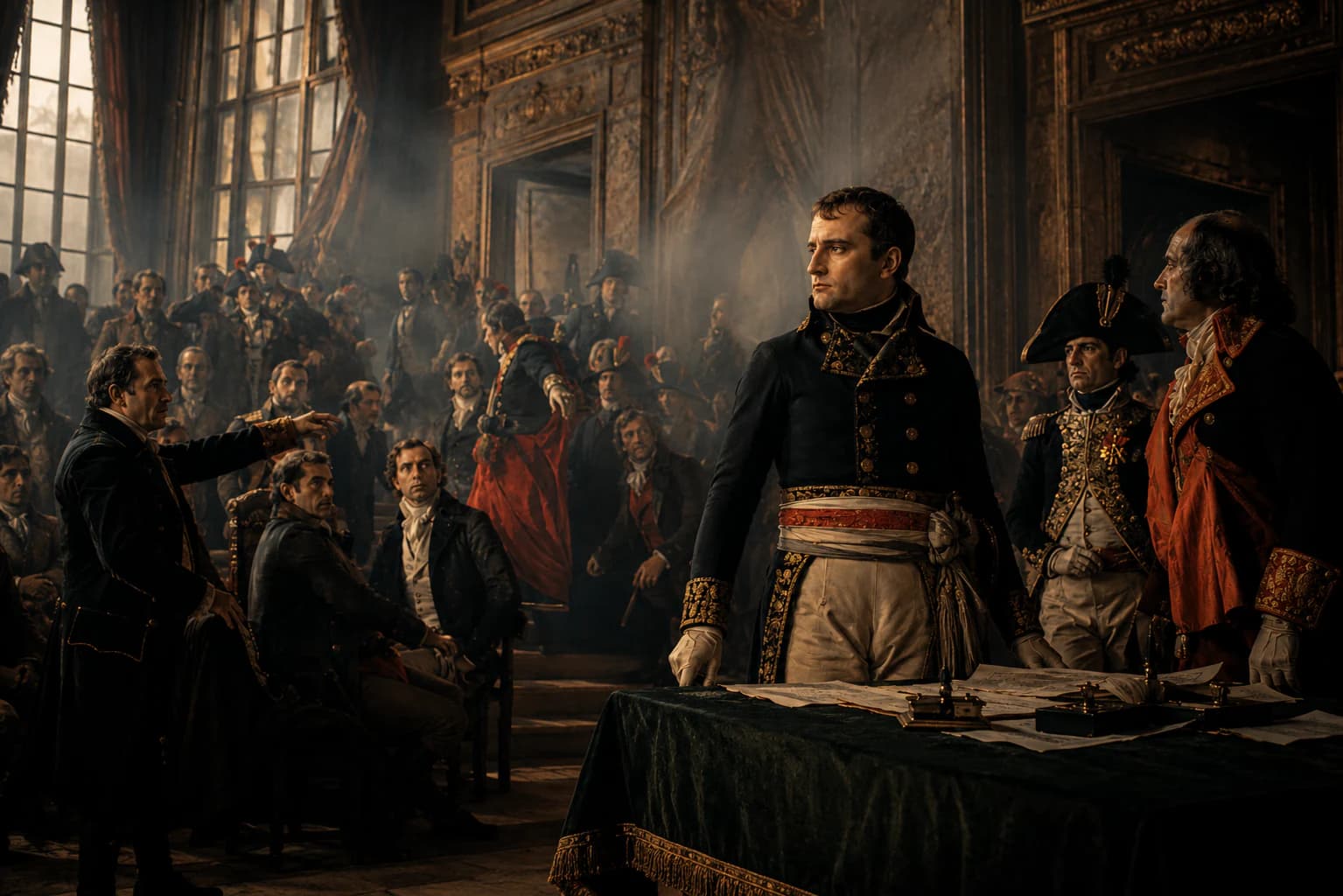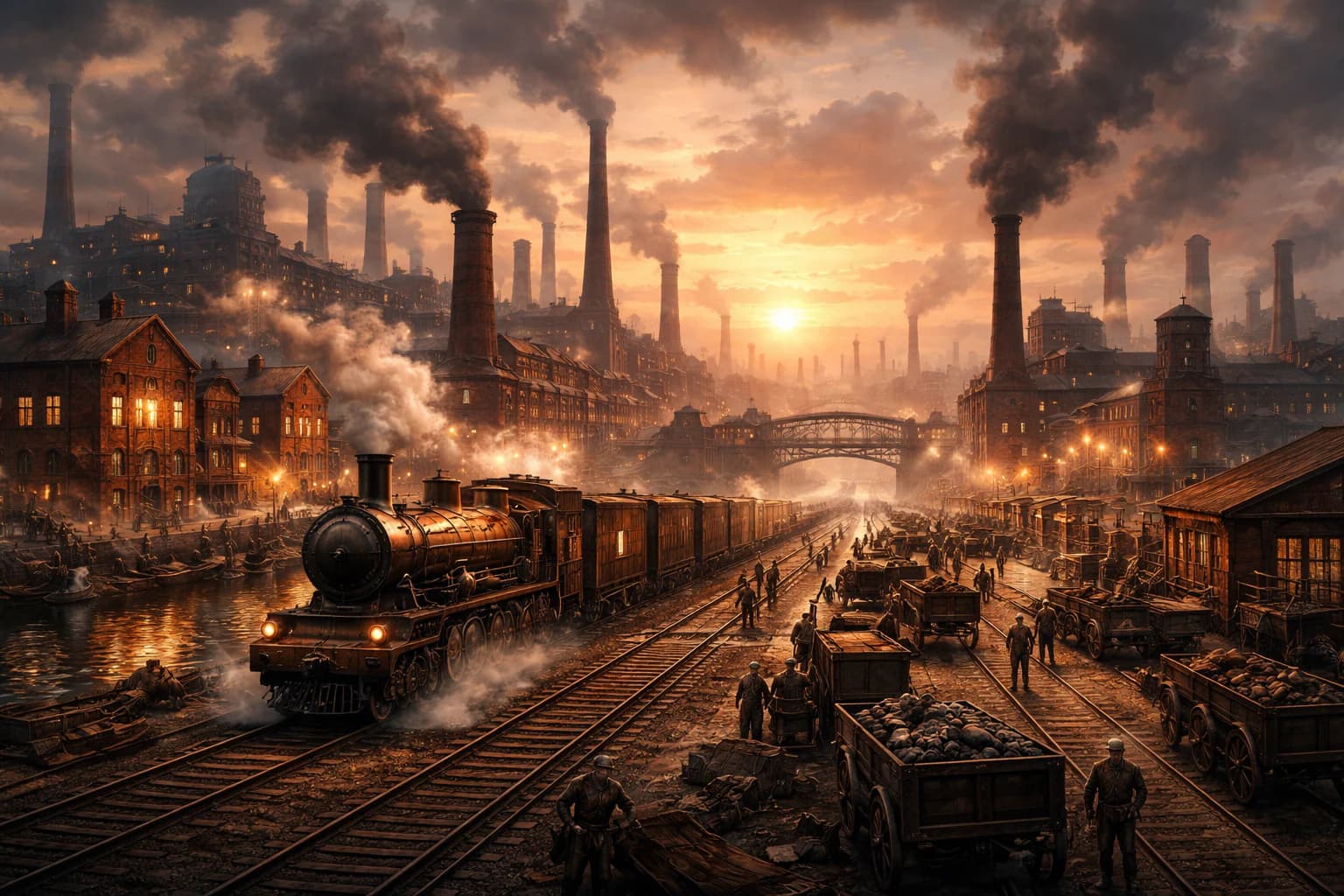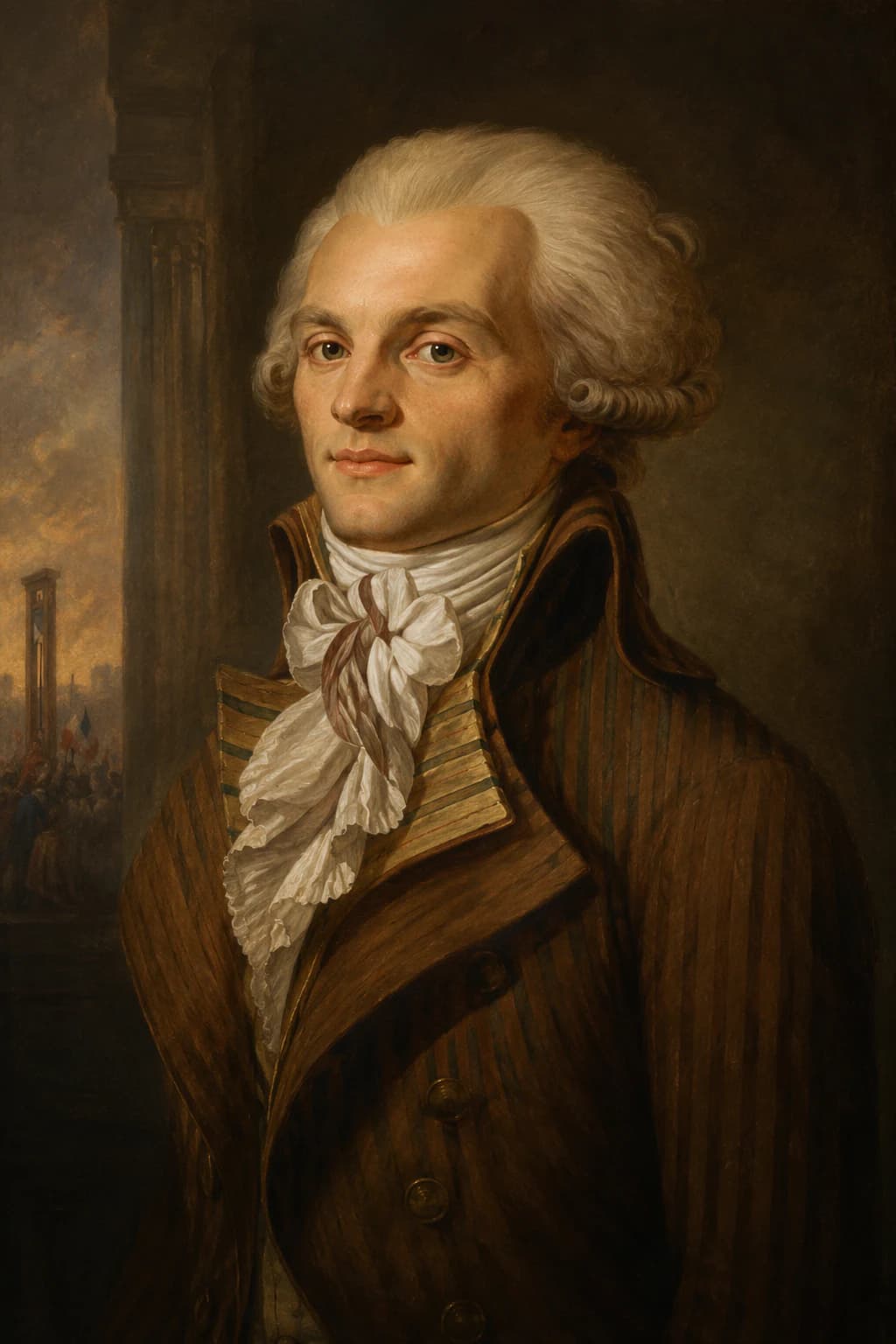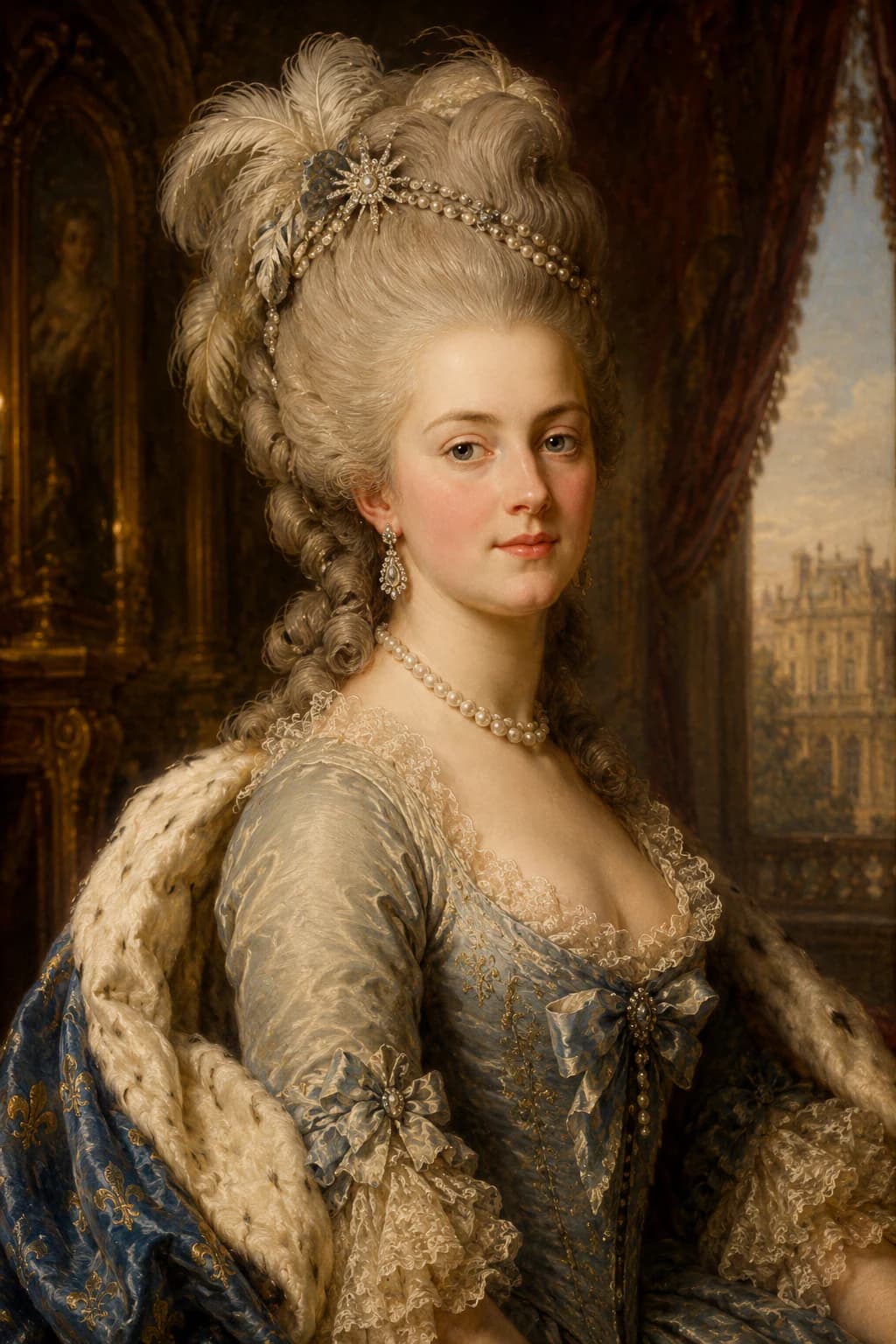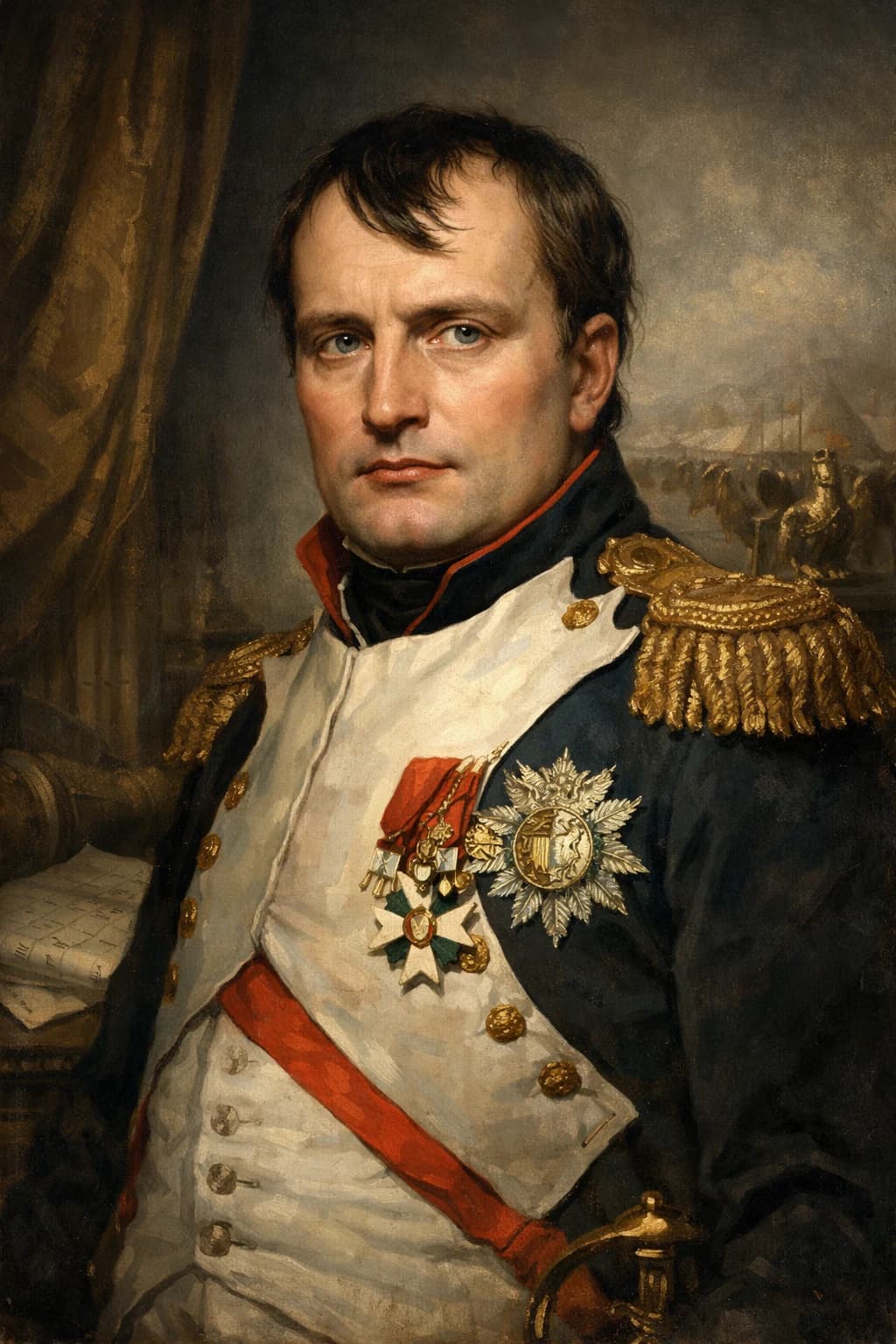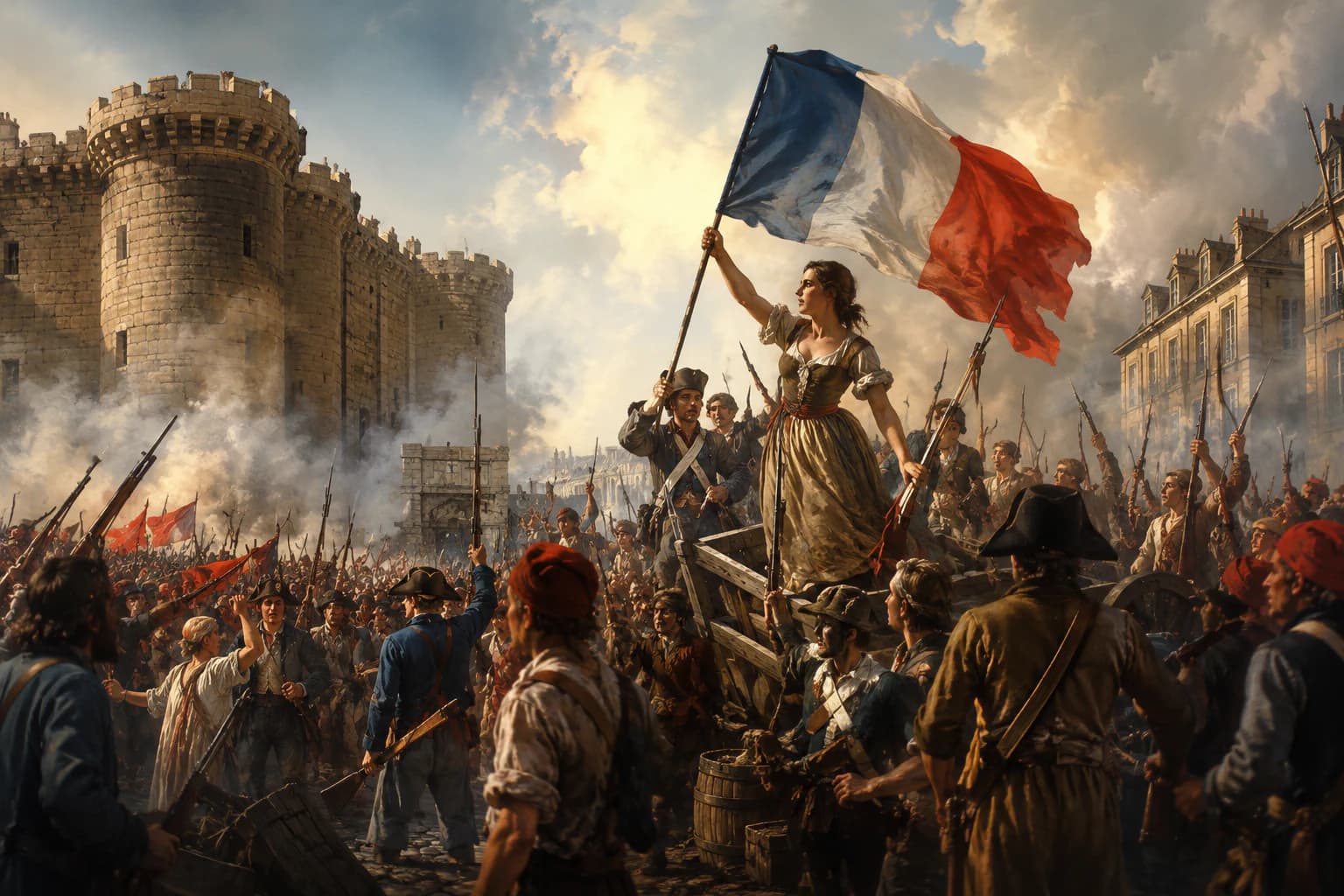
Revolutionary Paris — crowds storming the Bastille, the tricolour rising over the old order.
Premium Story

The French Revolution

Follow the French Revolution from royal crisis to republic, terror, and Napoleon — and the ideas that changed modern politics.

11 chapters

Next

Content note

This story discusses war, violence, persecution, and death in an educational historical context.

Context

Introduction

Overview

The French Revolution was a political and social upheaval that began in 1789 and transformed France from an absolute monarchy into a republic, empire, and modern political battleground. It challenged aristocratic privilege, proclaimed rights, executed Louis XVI, mobilised citizens, and unleashed both democratic hope and revolutionary violence. Its ideas about liberty, equality, citizenship, and sovereignty reshaped Europe and the modern world.

What you'll learn: You will follow how a royal financial crisis became a revolution, how the revolution proclaimed equality and descended into terror, and how its ideas reshaped the political foundations of the modern world.

Key forces

The Crisis of the Old Regime
1787 CE
Step 1 of 101787 CEAccessible mode

The Crisis of the Old Regime

France in 1787 was heading toward collapse. Louis XVI was running out of money. The harvests had failed. And most people believed the whole system was deeply unfair.

The French monarchy had spent far more than it could raise. Wars, including support for the American Revolution, had left the royal treasury in ruins.

Society was divided into three estates. The clergy and nobles paid almost no tax. Everyone else — farmers, merchants, workers — paid nearly all of it.

The system was designed to protect privilege, not solve problems.

The harvest failed in the late 1780s. Bread prices rose sharply. For families already living on the edge, this was a genuine crisis.

Enlightenment thinkers had been questioning royal power for decades. Why should a king rule by birthright? Why should nobles escape taxation?

When Louis XVI tried to reform the tax system, the privileged classes blocked him. The old order refused to change — even as France collapsed around it.

The Estates General Opens
1789 CE
Step 2 of 101789 CEAccessible mode

The Estates General Opens

In May 1789, the Estates General met for the first time in 175 years. It was supposed to solve the financial crisis. Instead, it revealed a political fault line that could not be papered over.

The Estates General was divided into three estates, each getting one vote. The clergy and nobility could always outvote the Third Estate — which represented almost everyone in France.

The Third Estate arrived with enormous expectations. Communities across France had written lists of grievances. People wanted tax reform, legal equality, and a genuine voice.

The system was designed so that nothing could change. The Third Estate refused to accept it.

When Louis XVI rejected calls to change the voting rules, the Third Estate broke away. It declared itself a National Assembly — the legitimate voice of the nation.

The Tennis Court Oath followed. Delegates swore not to disperse until France had a new constitution. Louis XVI had not granted this. They were acting on their own authority.

The Fall of the Bastille
1789 CE
Step 3 of 101789 CEAccessible mode

The Fall of the Bastille

In July 1789, erupted. Fear, hunger, and the threat of royal troops combined to push the city into revolt. The storming of changed everything.

News spread that Louis XVI was massing troops around . People feared he was preparing to crush the National Assembly and punish the city.

On 14 July, a crowd marched on — a royal fortress and prison that stood as a symbol of despotic power.

held only seven prisoners. But what it represented mattered far more.

After hours of standoff, the garrison surrendered. The crowd stormed inside. The governor was killed. began to be demolished stone by stone.

Louis XVI could not dismiss this. He had to acknowledge the National Assembly. The political crisis had become a popular revolution.

Uprisings spread to cities across France. Local governments fell. Royal officials fled. The old order was unravelling faster than anyone had expected.

Premium

You've reached the turning point

The opening chapters show a kingdom losing control of its own crisis. Premium follows the moment reform gives way to fear: Louis XVI is put on trial, crowds and assemblies harden, and a revolution built on liberty confronts what it is willing to destroy.

Continue into the reversals, crises and human stakes that make the story matter.

Unlock full story

What Premium unlocks next

  1. 4The End of Feudal Privilege
  2. 5The Monarchy Under Siege
  3. 6War and the Republic
  4. 7The Execution of Louis XVI
  5. 8The Reign of Terror
  6. 9The Thermidorian Reaction
  7. 10Napoleon Ends the Revolution

Browse stories

Browse stories for free

Explore the people connected to this turning point or enjoy one of our free stories.

Unlock full storyBrowse stories

References

Sources & Further Reading

Reliable sources, primary-source collections and reading paths connected to this page.

Sources used

  1. Encyclopaedia Britannica, French Revolution,” Open source
  2. The British Library, The French Revolution,” Open source

Further reading

  1. William Doyle, The Oxford History of the French Revolution, Oxford University Press.

Primary sources

  1. Yale Law School, Avalon Project: French Revolution,” Open source

A weekly route through history

Find out first about the latest published stories, feature notes and occasional Premium offers in one weekly email.