Context
Introduction
Overview
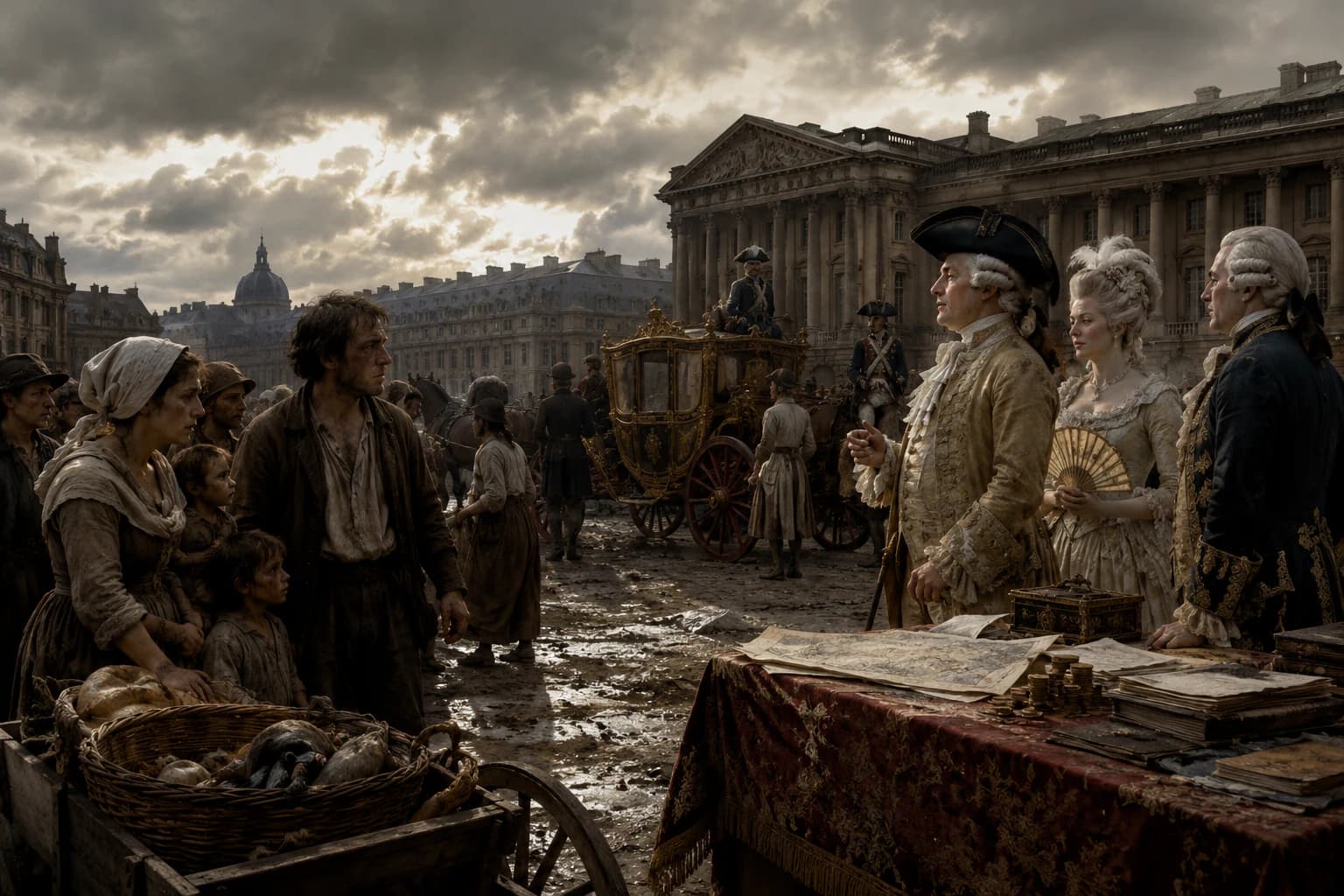
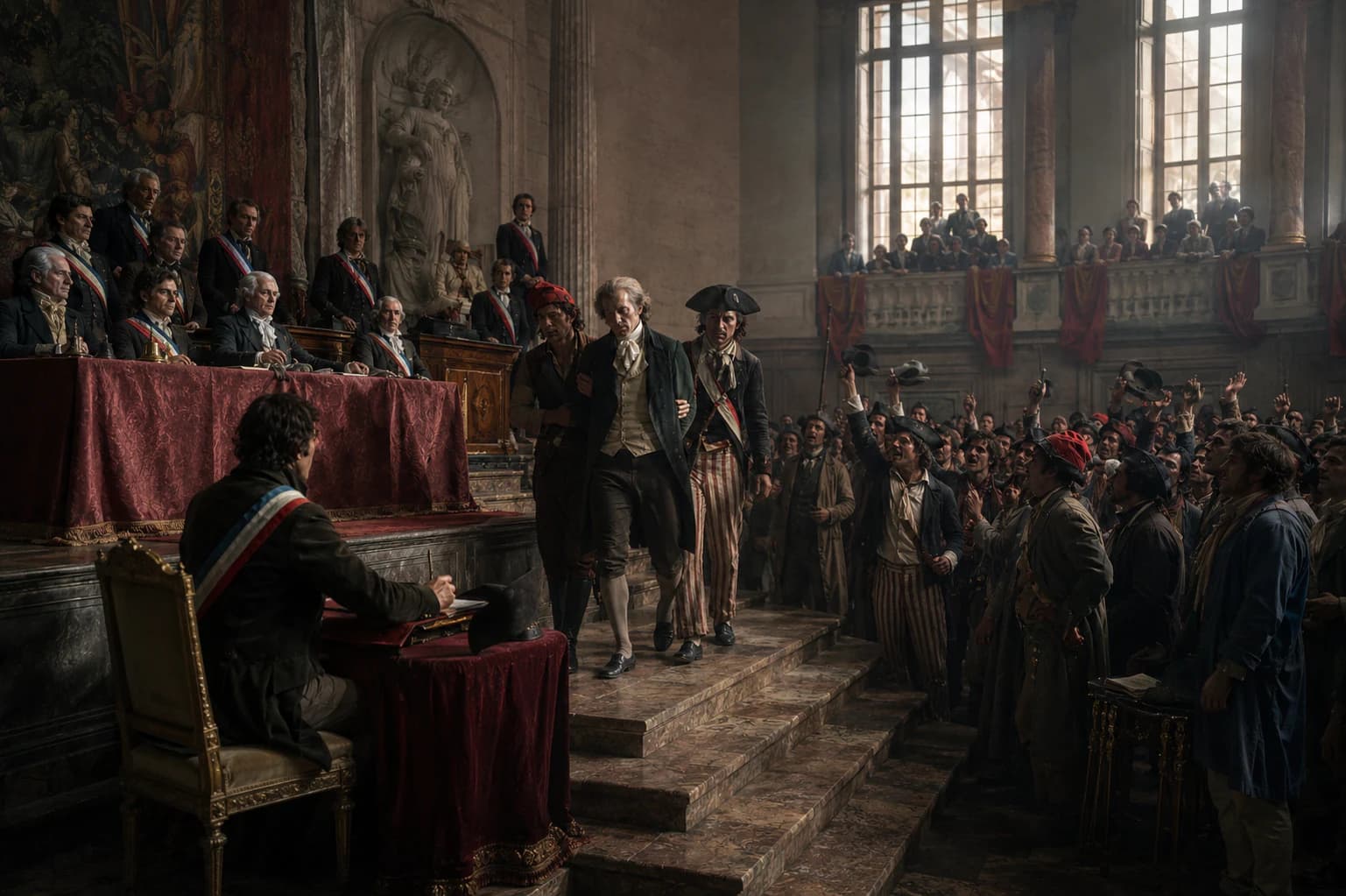
The French Revolution was a political and social upheaval that began in 1789 and transformed France from an absolute monarchy into a republic, empire, and modern political battleground. It challenged aristocratic privilege, proclaimed rights, executed Louis XVI, mobilised citizens, and unleashed both democratic hope and revolutionary violence. Its ideas about liberty, equality, citizenship, and sovereignty reshaped Europe and the modern world.
What you'll learn: You will follow how a royal financial crisis became a revolution, how the revolution proclaimed equality and descended into terror, and how its ideas reshaped the political foundations of the modern world.
Key forces
- The French monarchy's fiscal collapse and an unjust social order created the conditions for revolution.
- The Third Estate's claim to represent the nation transformed the basis of political sovereignty.
- The republic abolished feudalism and proclaimed legal equality, while war and crisis drove it toward terror.
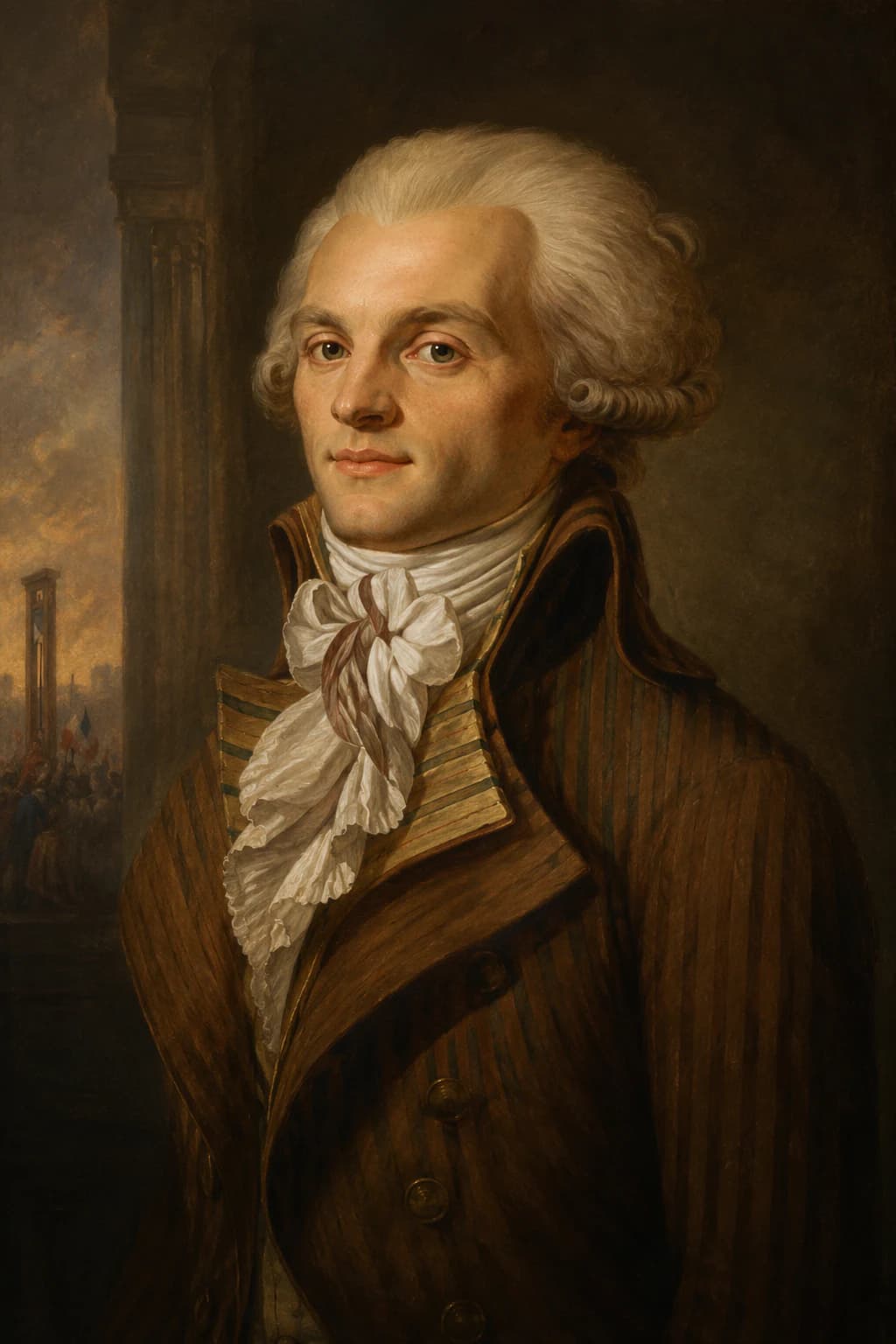
- The execution of Louis XVI and the Reign of Terror showed how far the revolution would go to defend itself.