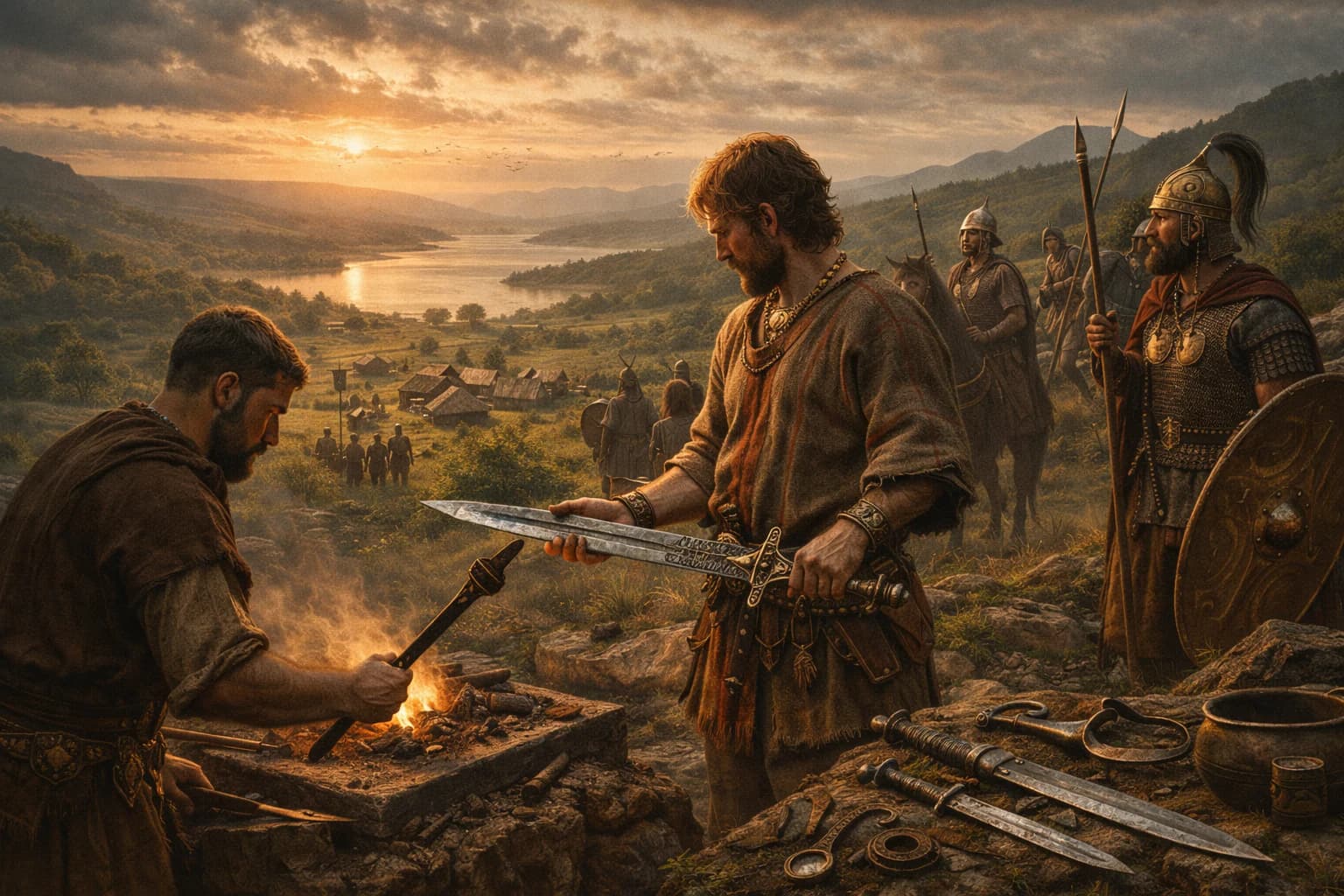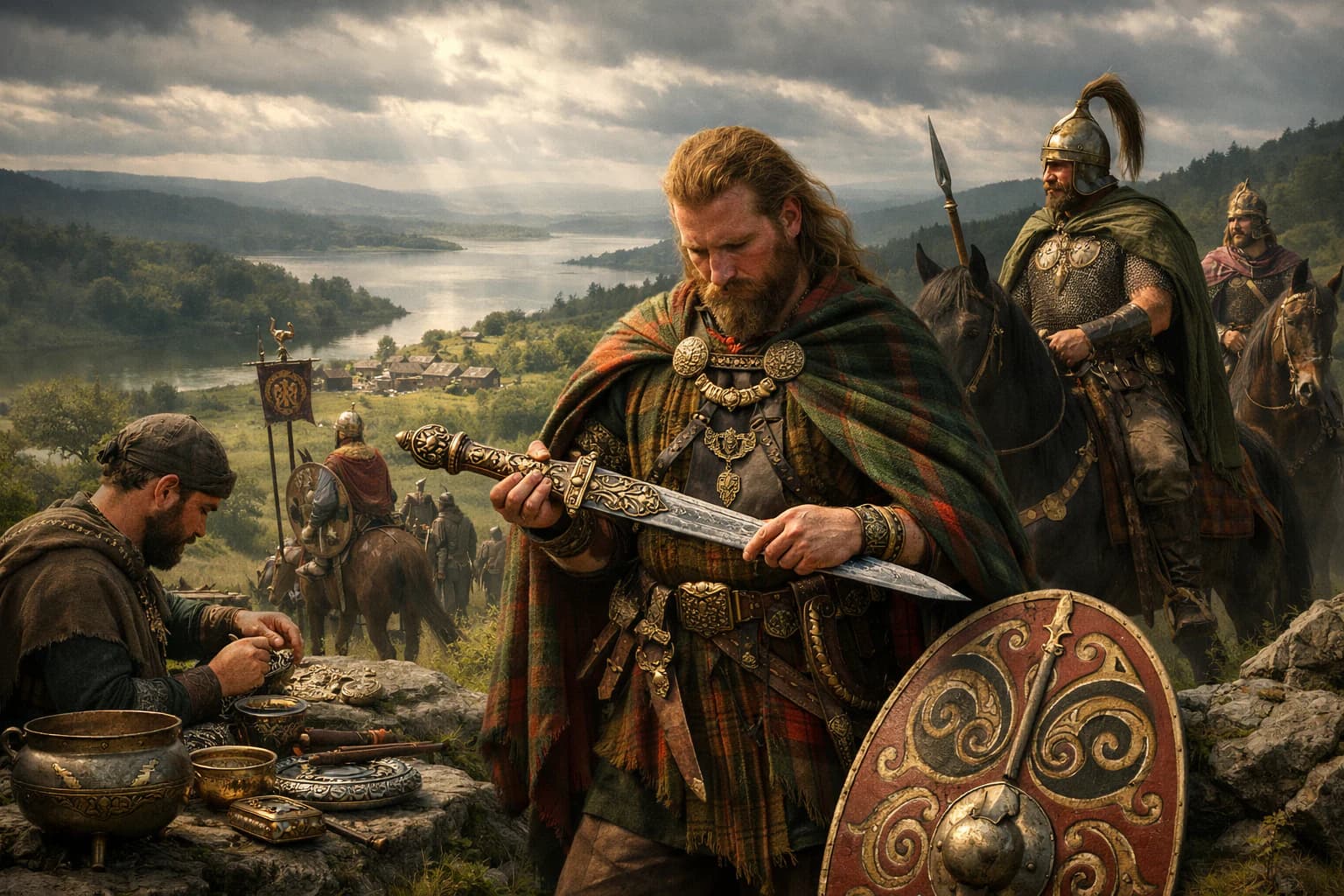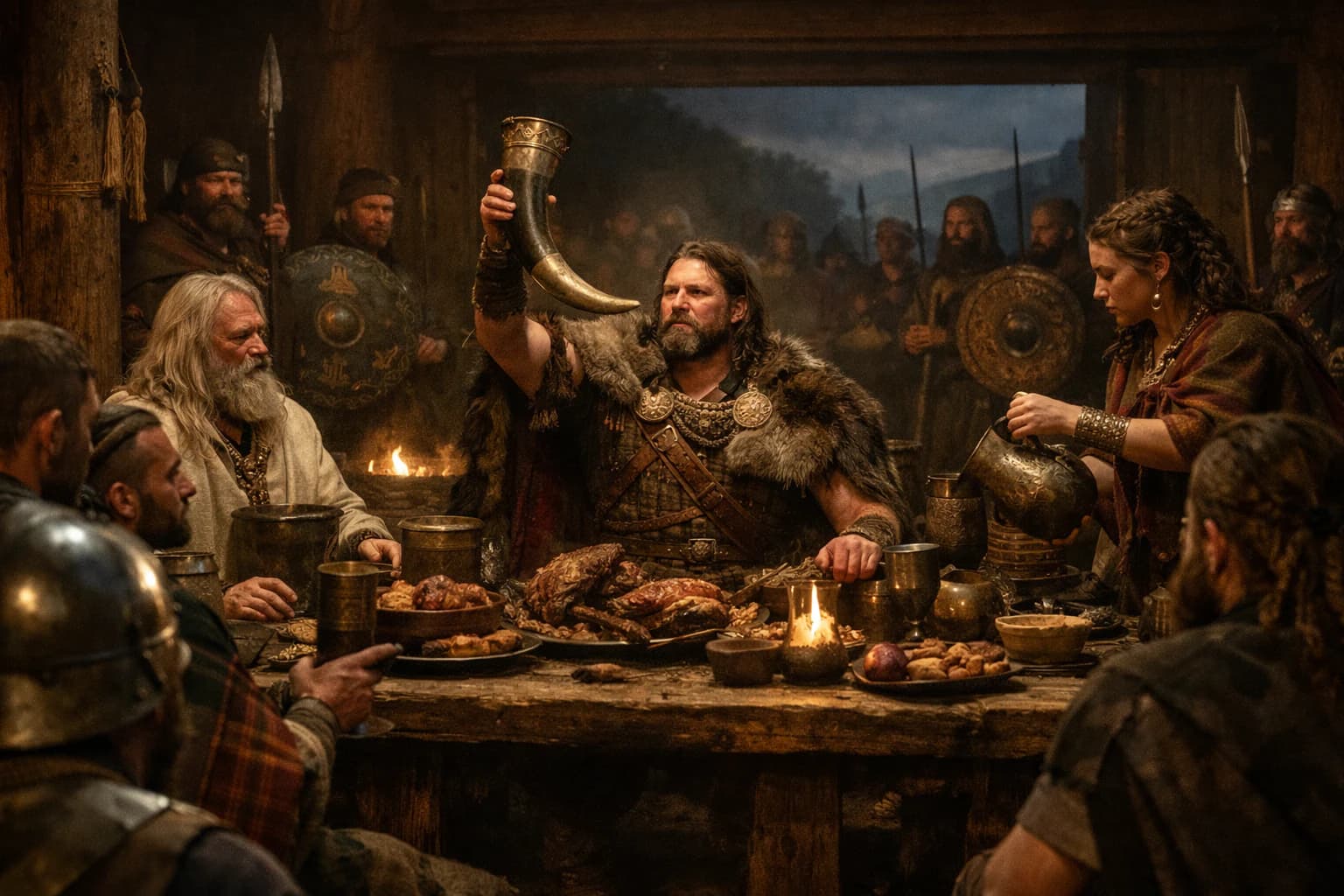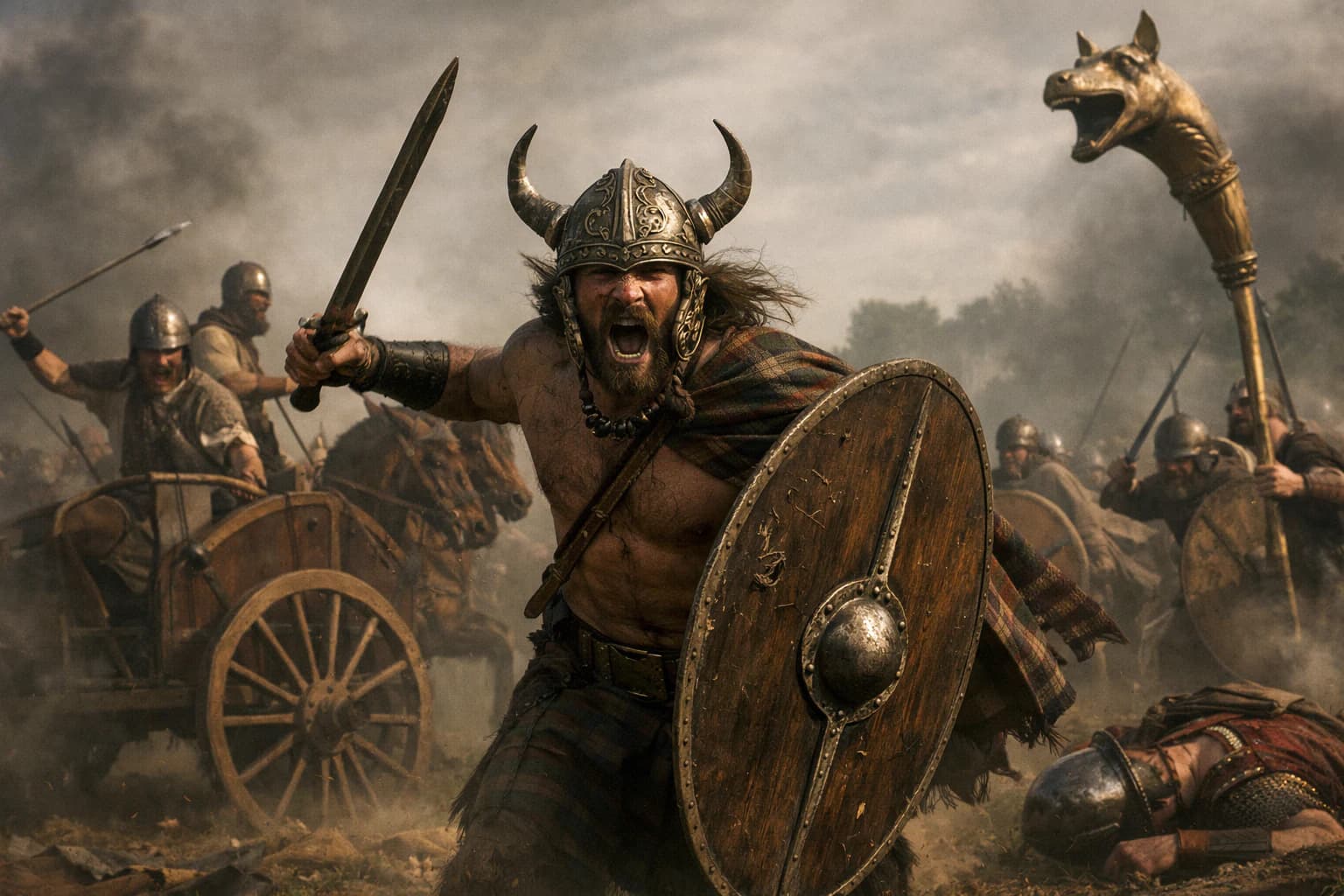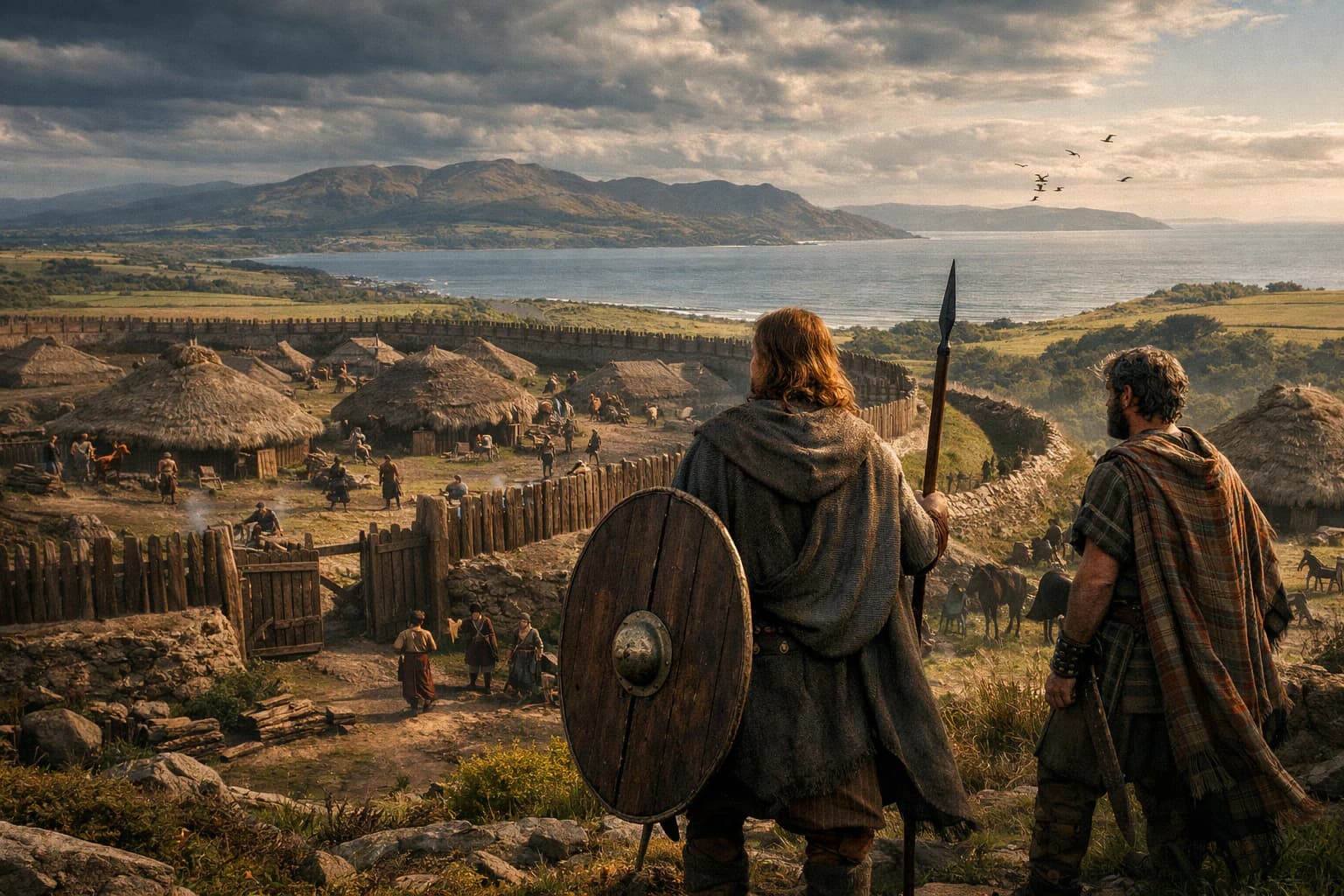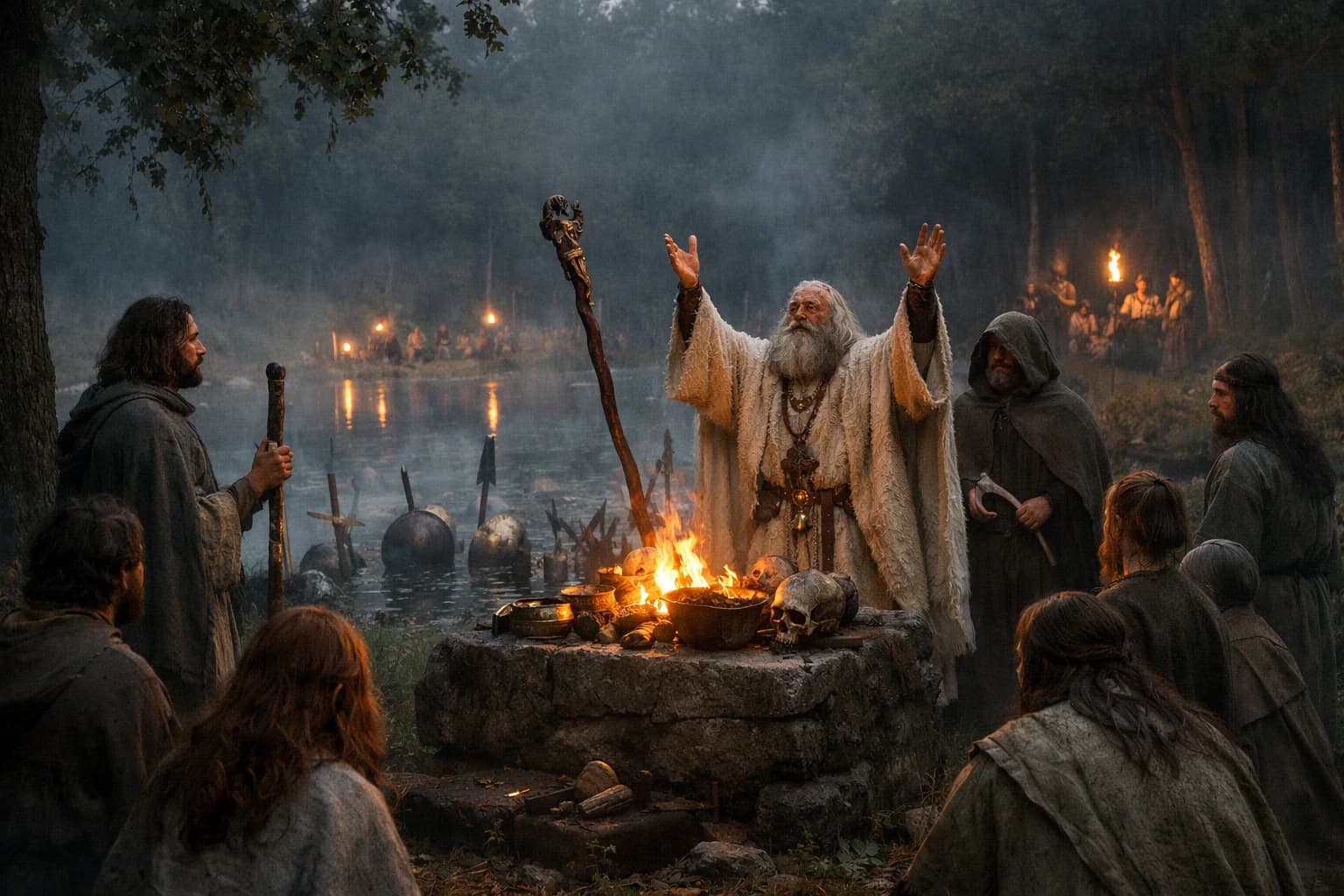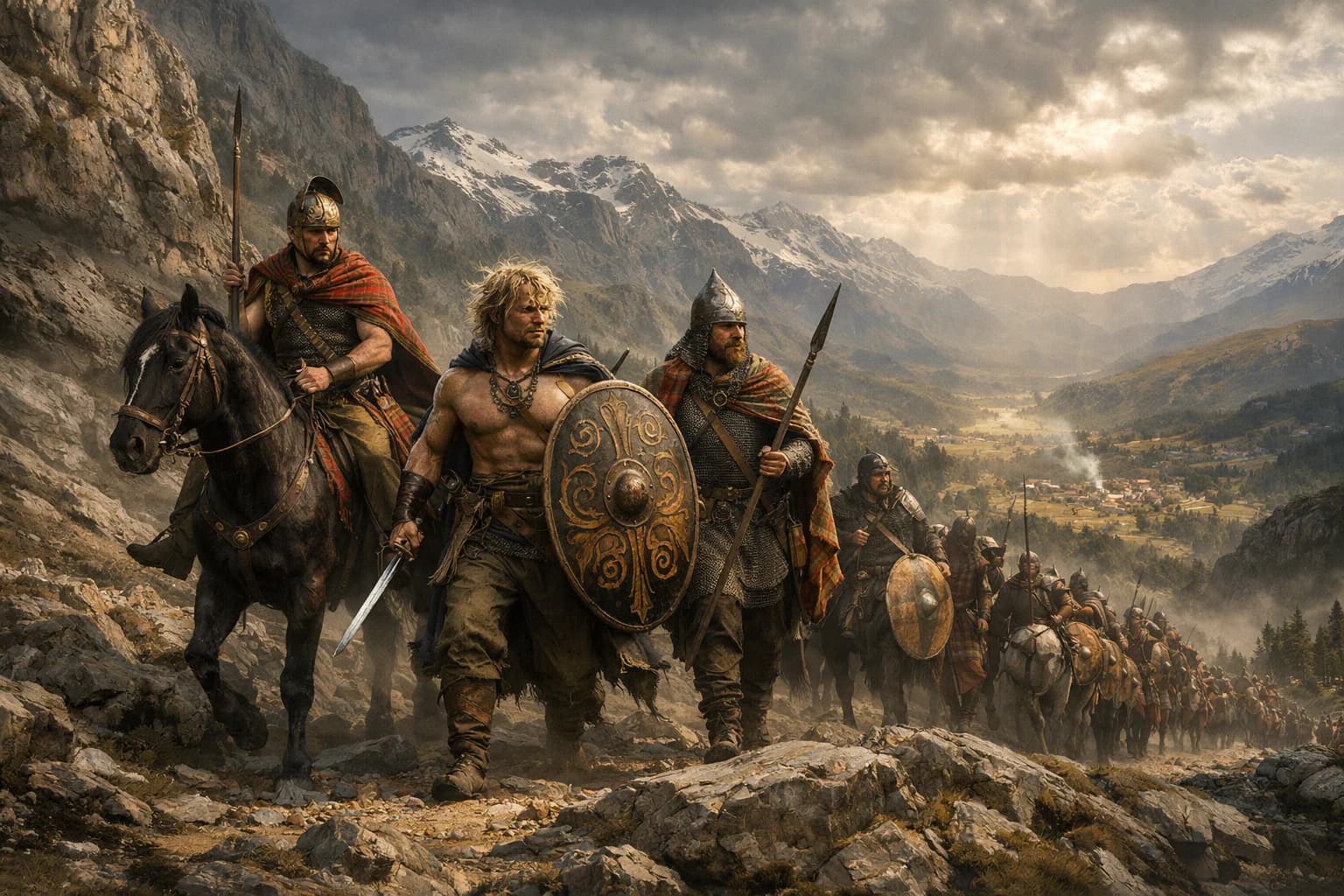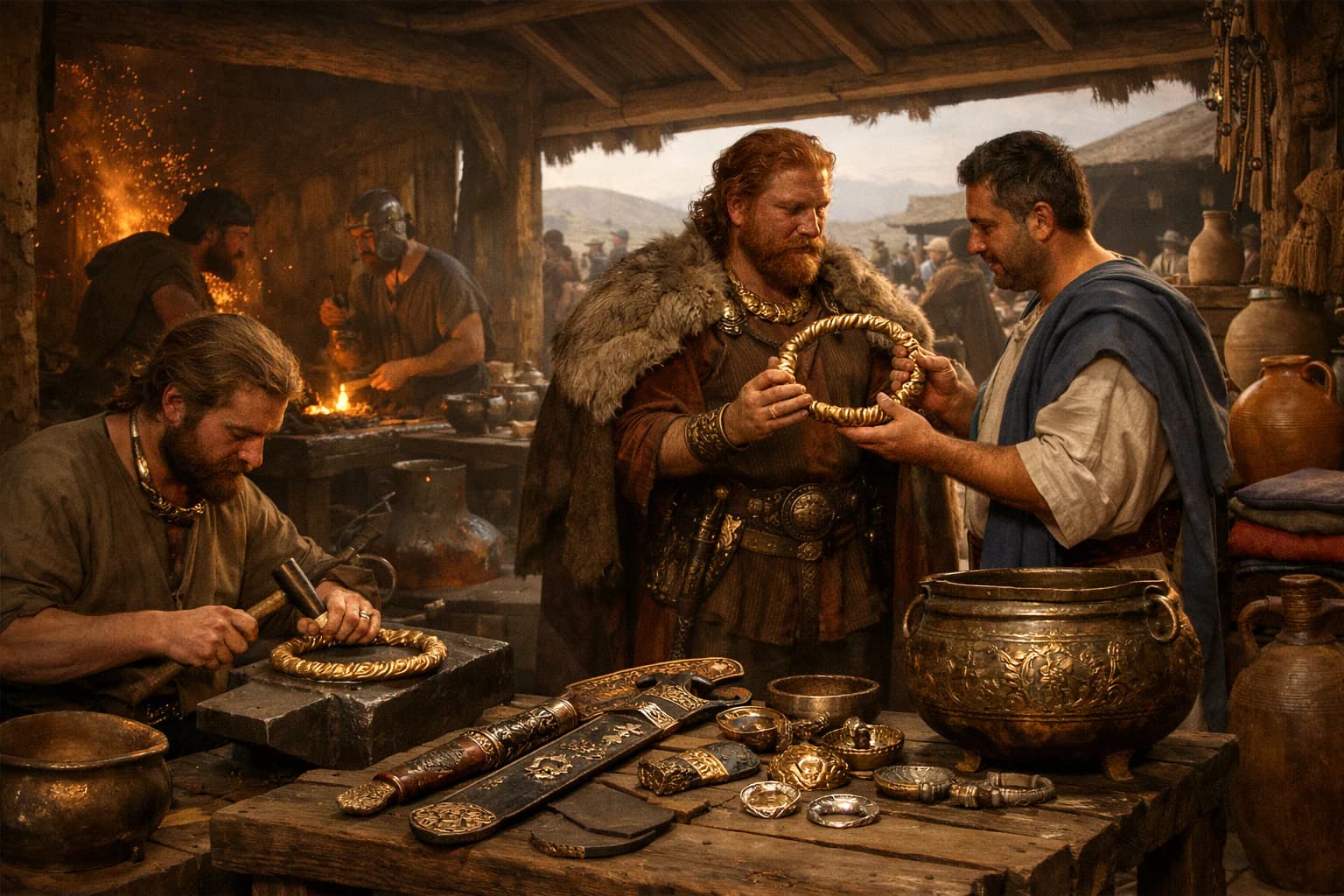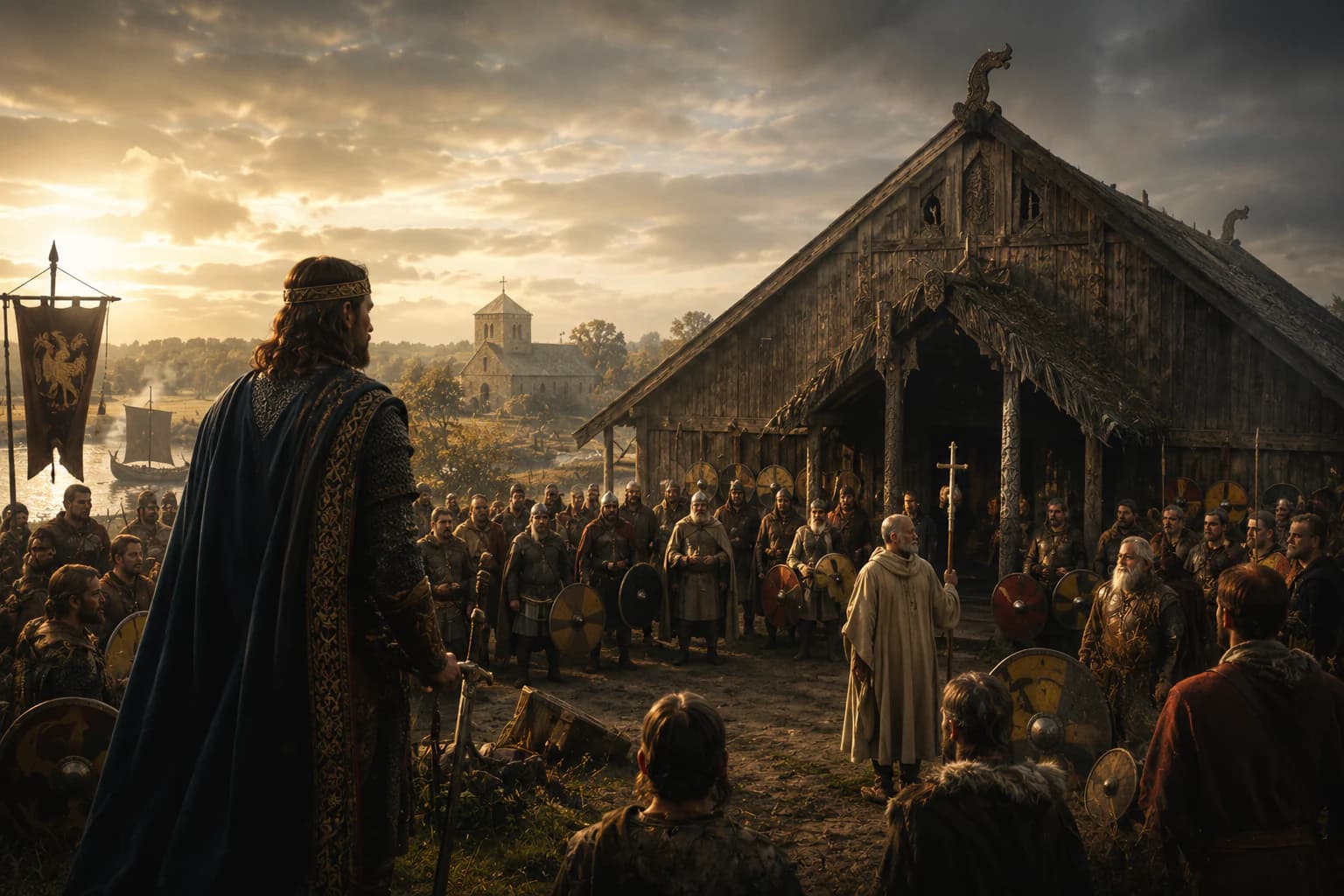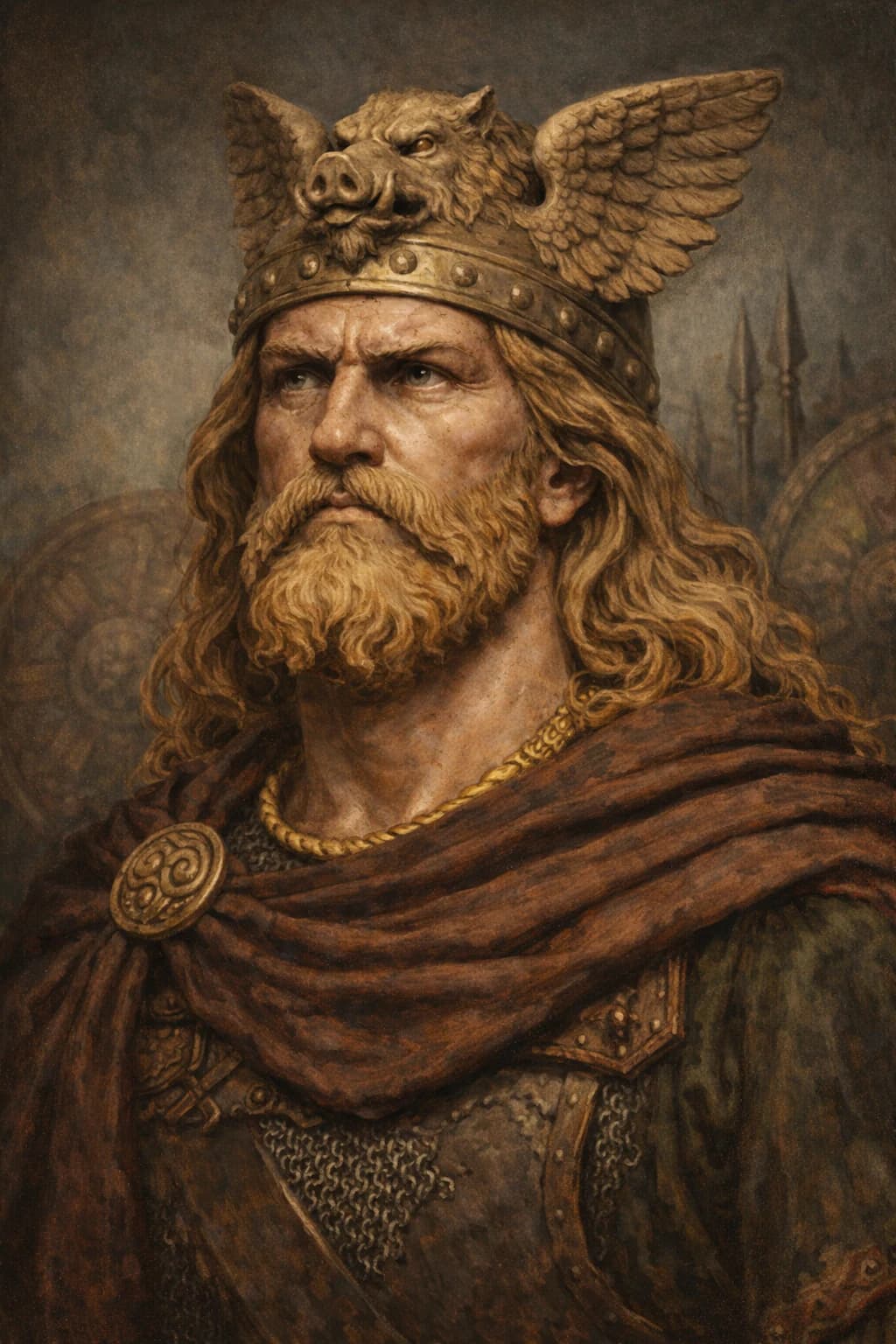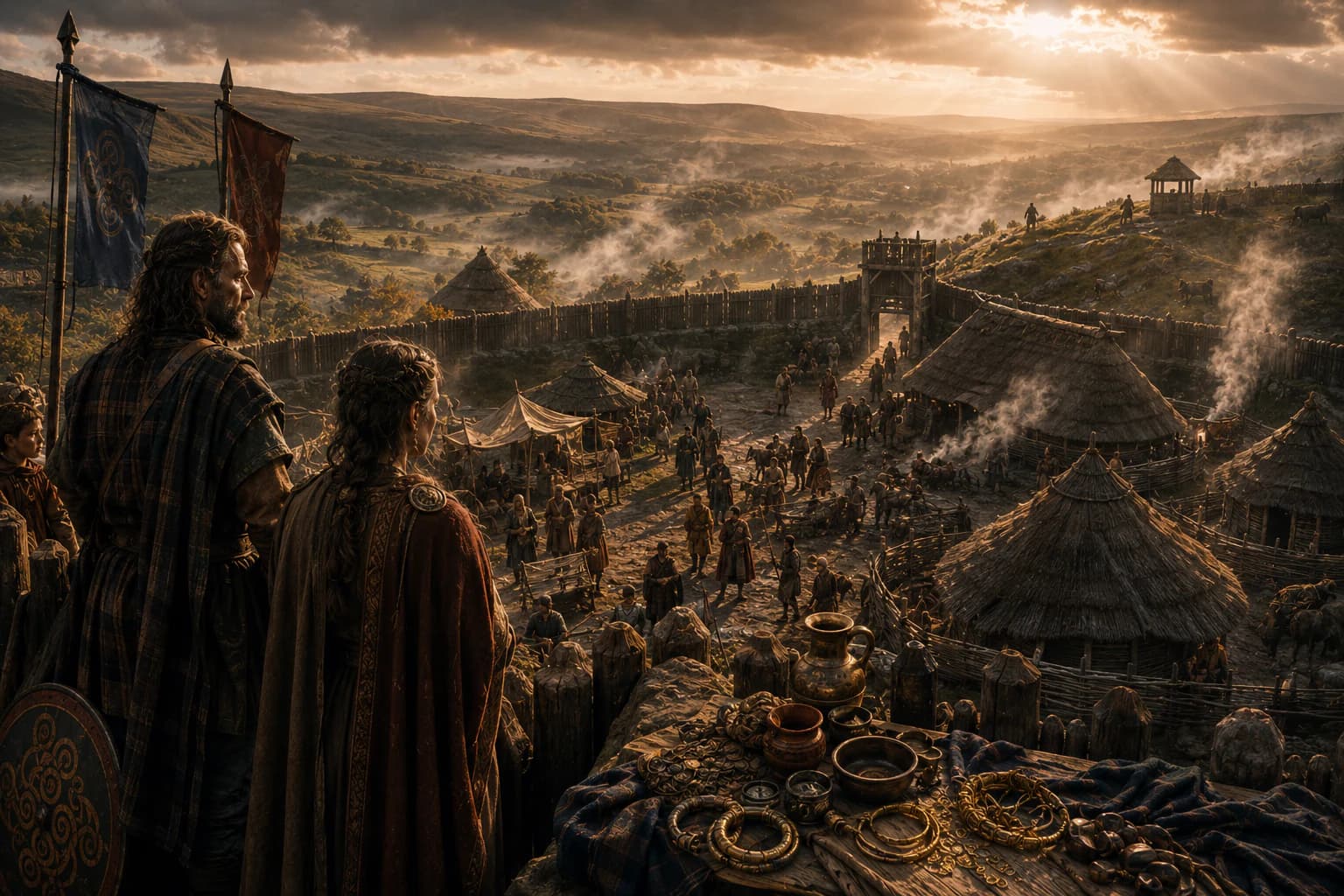
Celtic leaders and warriors look over a hillfort settlement before Roman conquest.
Premium Story

The Celtic World Before Rome

Recover the Celtic world before Rome through tribes, Druids, art, trade, and warrior societies.

11 chapters

Next
Context

Introduction

What you'll learn: You'll see how Celtic societies were built, how they organised power and belief, how their art and trade connected them across a continent, and why so much of their world must be reconstructed from incomplete and often hostile evidence.

Key forces

Origins of the Celts
800 BCE
Step 1 of 10800 BCEAccessible mode

Origins of the Celts

Nobody invented the Celts. They emerged gradually from communities scattered across Central Europe during the late Bronze Age.

Around 800 BCE, something recognisably Celtic began to take shape. Groups sharing similar languages, burial customs, and metalworking styles appeared across a wide arc from modern Austria and Switzerland into France and Spain.

They were not a single nation with one ruler. What connected them was a family of languages, a distinctive approach to art, and shared ways of organising society.

The Celts were not one people. They were a family of cultures spread across a continent.

The shift from bronze to iron was central to this development. Iron was cheaper and more widely available. Communities that mastered it could arm more warriors, clear more land, and build greater things.

This was the foundation. Almost everything that followed about the Celtic world — its warriors, its priests, its extraordinary art — grew from these early communities in the heart of Europe.

The Hallstatt Culture
700 BCE
Step 2 of 10700 BCEAccessible mode

The Hallstatt Culture

The first great Celtic elites grew rich through trade, not just war. Control of a single commodity — salt — transformed communities across Central Europe.

Around 700 BCE, communities near salt mines in modern Austria became enormously powerful. Salt was essential for preserving food and was one of the most valuable trade goods of the ancient world.

This wealth paid for elaborate burials, fine metalwork, and imported goods from Greece and northern Italy. Powerful leaders were interred in wooden chambers beneath great earthen mounds.

Salt made some Celts rich. Wealth made them powerful. Power left a record in the ground.

The period shows that Celtic societies were not simply warrior cultures. They were trading societies with sophisticated hierarchies and far-reaching connections to the Mediterranean world.

These early elites set a social pattern that would define the Celtic world for centuries: authority built on wealth and generosity, not on inherited titles or written law.

La Tène Art and Identity
450 BCE
Step 3 of 10450 BCEAccessible mode

La Tène Art and Identity

Around 450 BCE, Celtic art transformed. A new style appeared, full of movement and energy, unlike anything Europe had seen before.

art, named after a site in Switzerland, filled metalwork, weapons, and jewellery with flowing curves, spirals, and stylised animals. Every surface seemed to be alive.

This was a shared visual language that connected Celtic communities across vast distances. A craftsman in Britain and one in Gaul might produce work that was immediately recognisable to both.

Celtic art did not represent the world as it looked. It represented how the world felt.

style spread alongside Celtic languages and customs, becoming one of the clearest markers of Celtic identity across Europe. It appeared on weapons, jewellery, ritual objects, and everyday items alike.

Remarkable objects survive today — torcs, decorated shields, and parade helmets — that reveal just how inventive and skilled Celtic craftspeople truly were.

Premium

You've reached the turning point

The opening chapters introduce a world Rome often flattened into legend. Premium follows the people behind that label: warriors, druids, craftspeople and communities whose power, belief and memory shaped Europe before conquest turned them into someone else's story.

Continue into the reversals, crises and human stakes that make the story matter.

Unlock full story

What Premium unlocks next

  1. 4Celtic Society and Tribes
  2. 5Warriors and Warfare
  3. 6Britain and Ireland
  4. 7Druids and Belief
  5. 8Celtic Expansion
  6. 9Trade and Craftsmanship
  7. 10Knowing the Celts

Browse stories

Browse stories for free

Explore the people connected to this turning point or enjoy one of our free stories.

Unlock full storyBrowse stories

References

Sources & Further Reading

Reliable sources, primary-source collections and reading paths connected to this page.

Sources used

  1. The British Museum, Europe 3000 BC-AD 1100,” Open source
  2. National Museums Scotland, The Celts,” Open source

Further reading

  1. Barry Cunliffe, The Ancient Celts, Oxford University Press.

Primary sources

  1. Perseus Digital Library, Julius Caesar, Gallic War,” Open source

A weekly route through history

Find out first about the latest published stories, feature notes and occasional Premium offers in one weekly email.