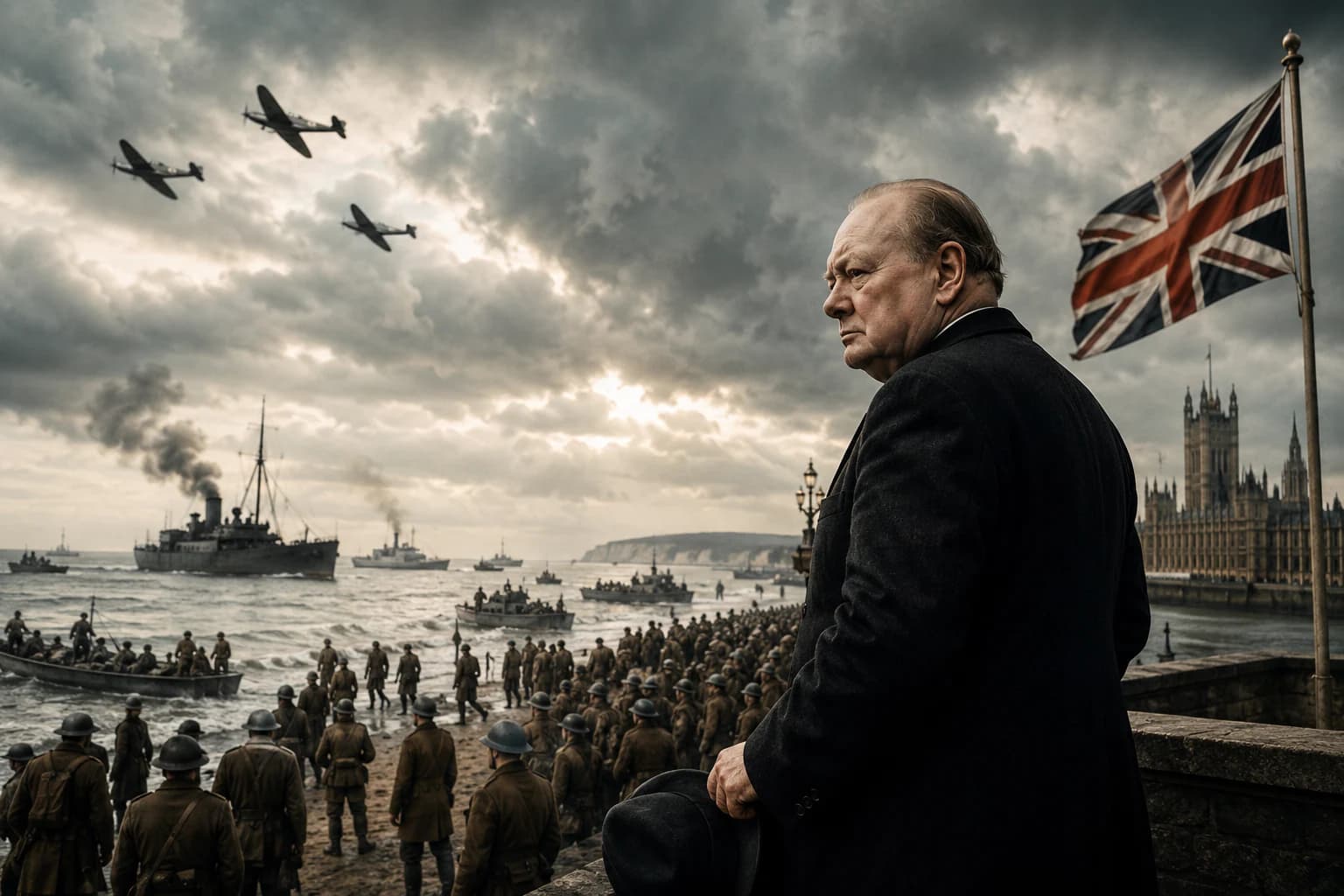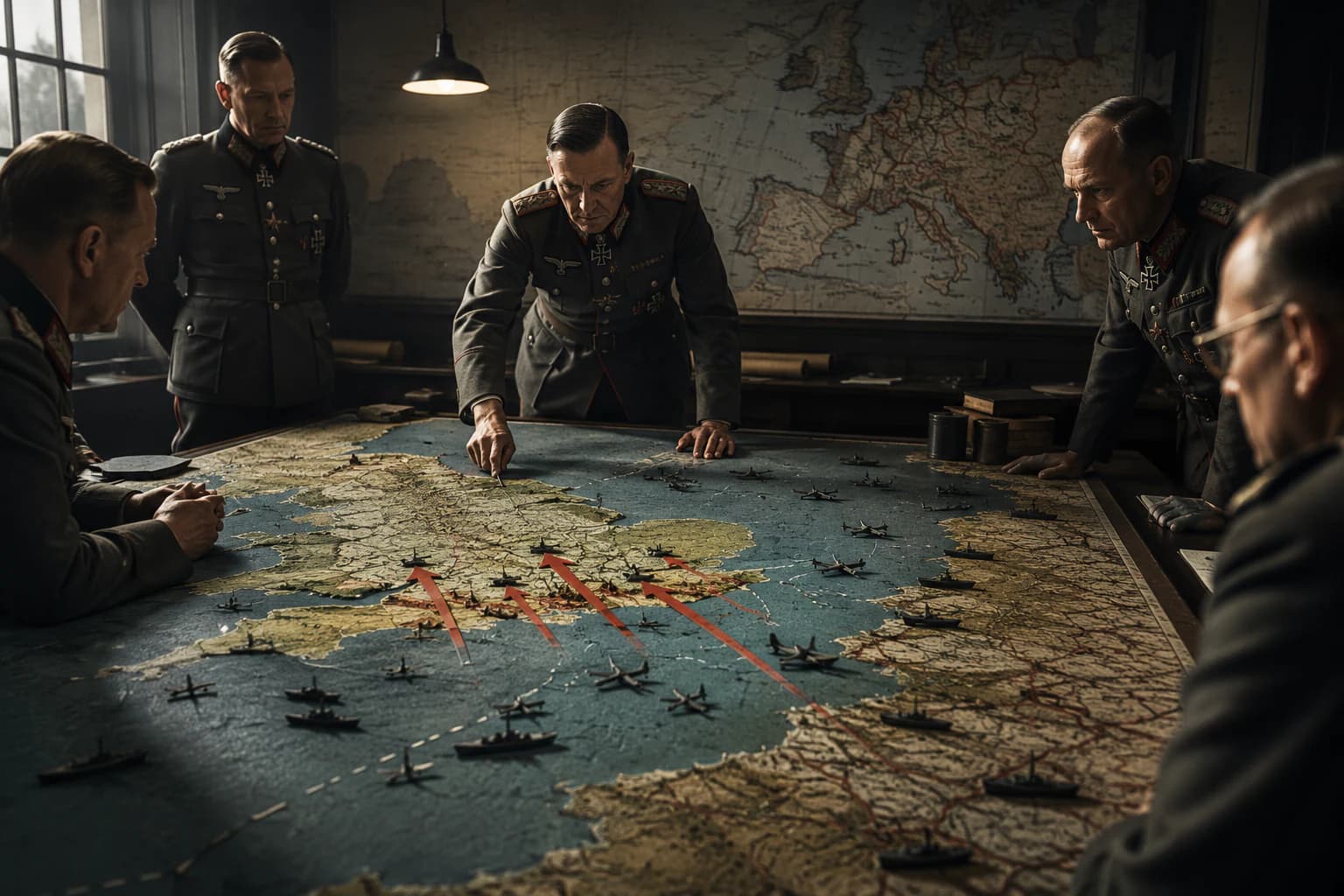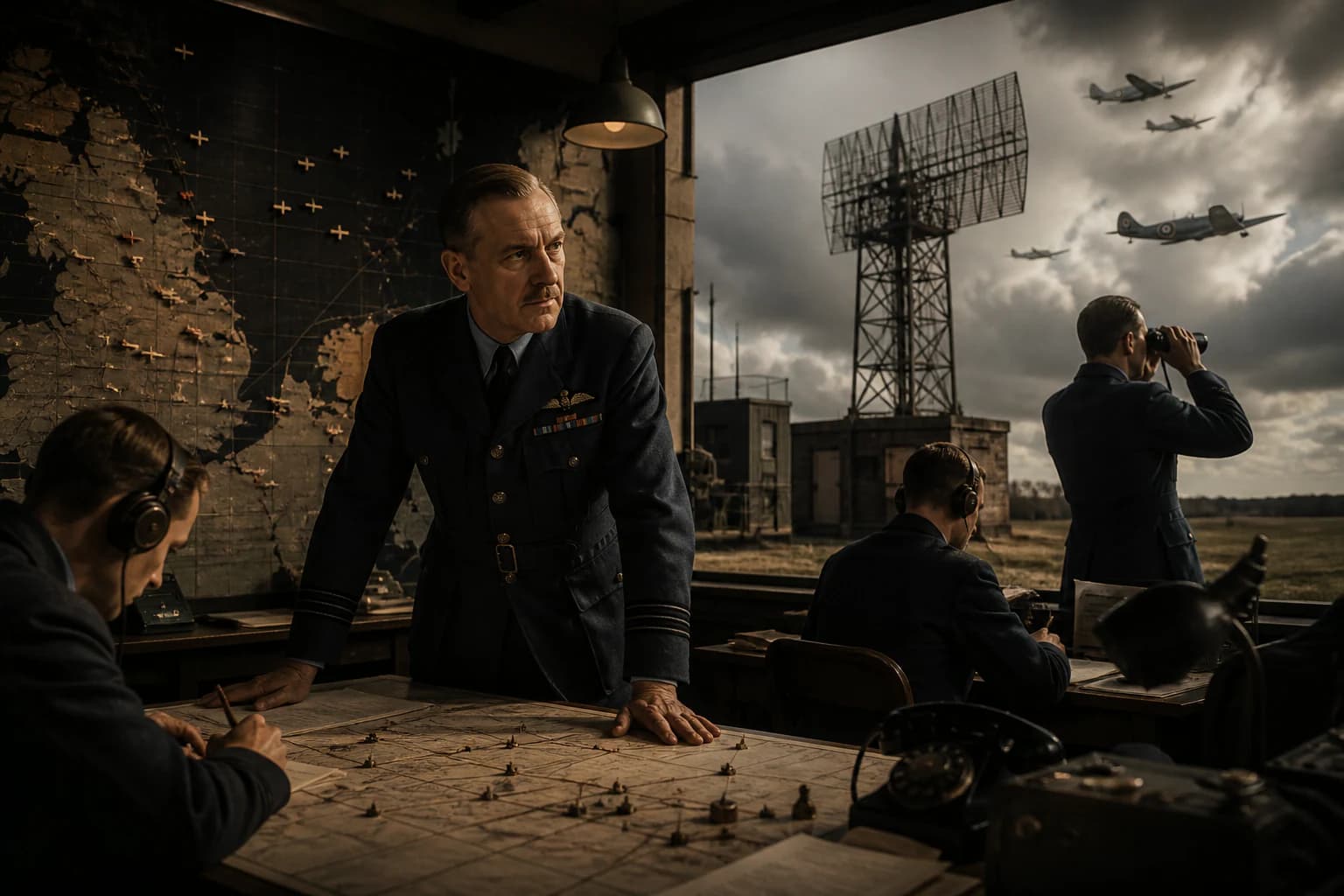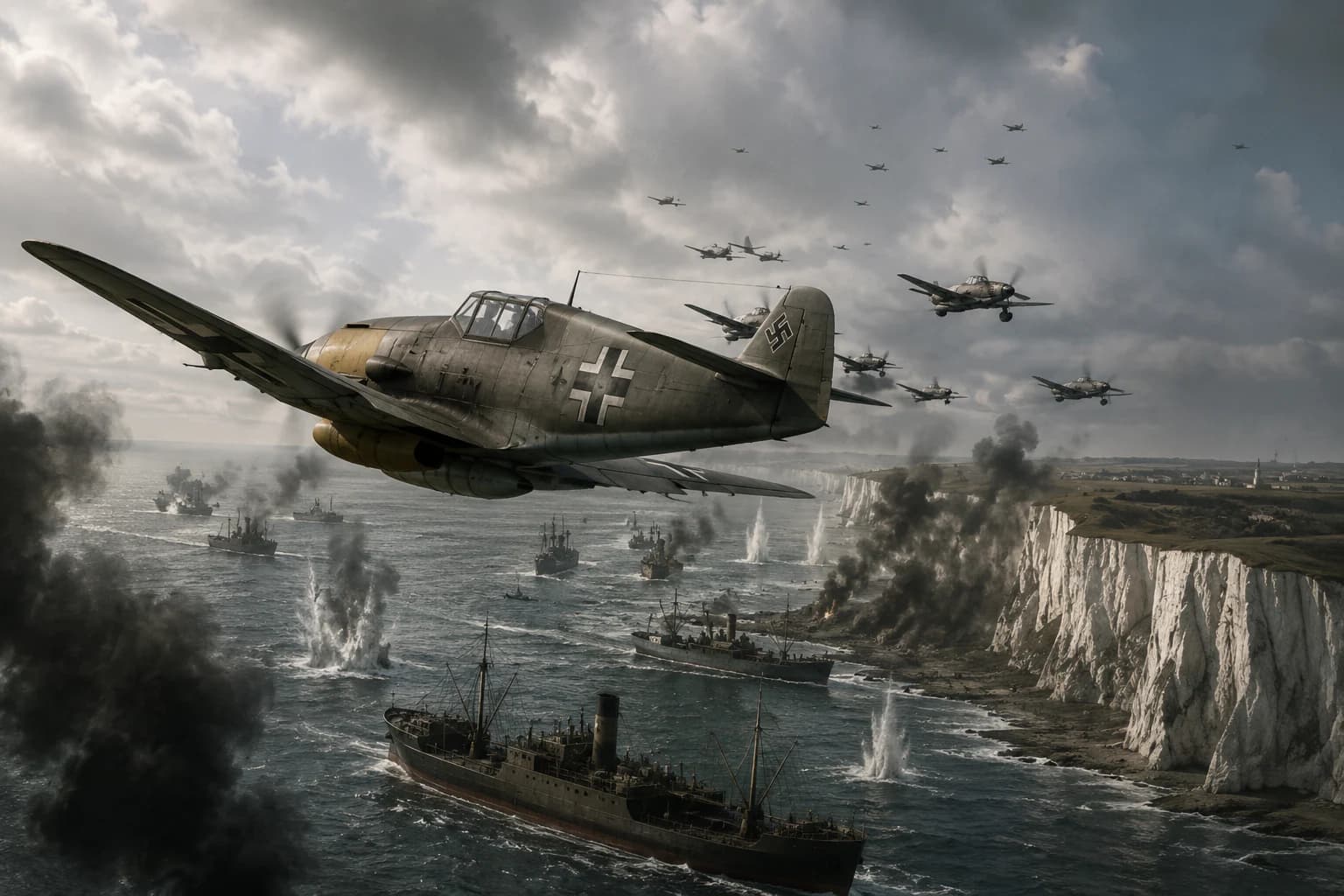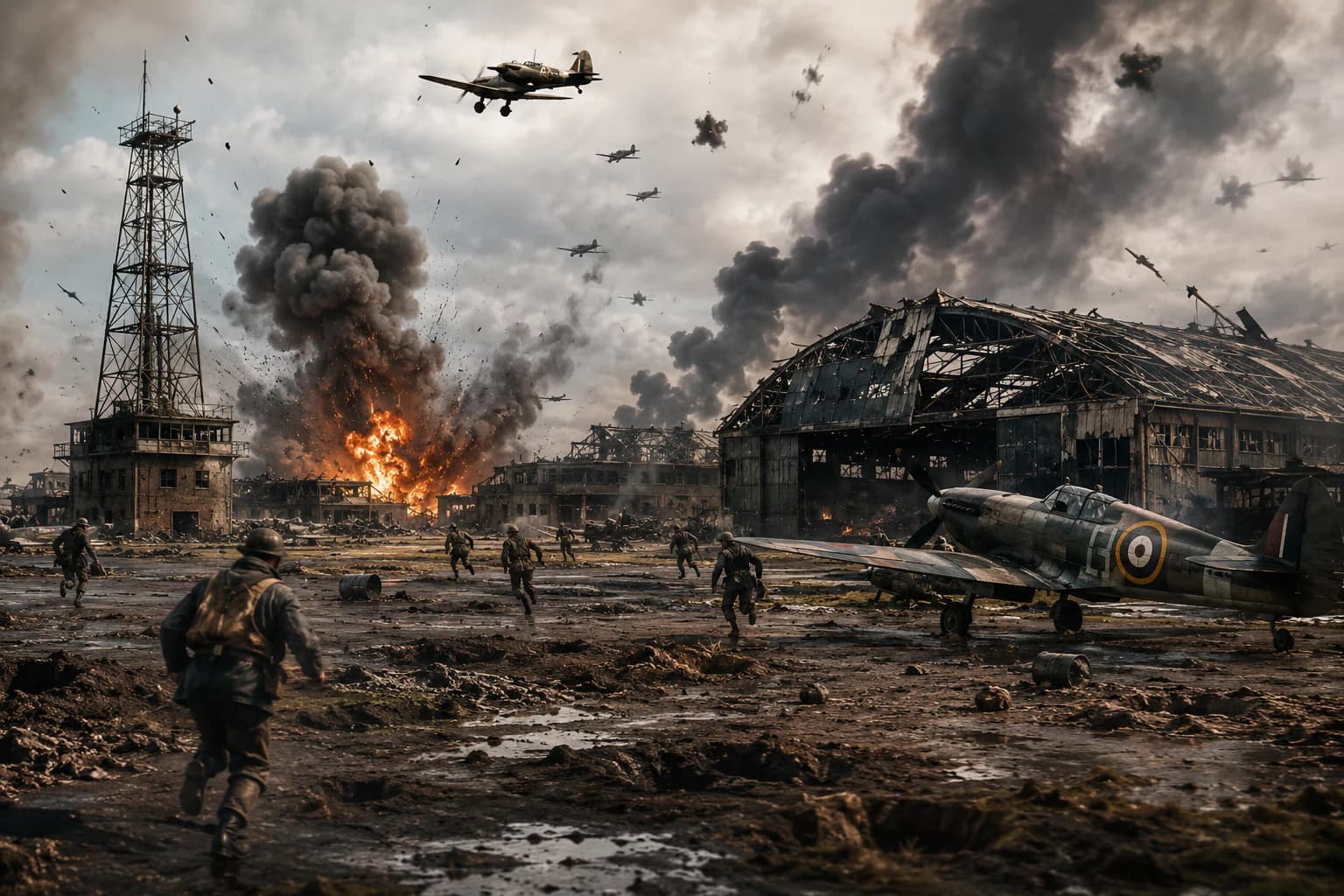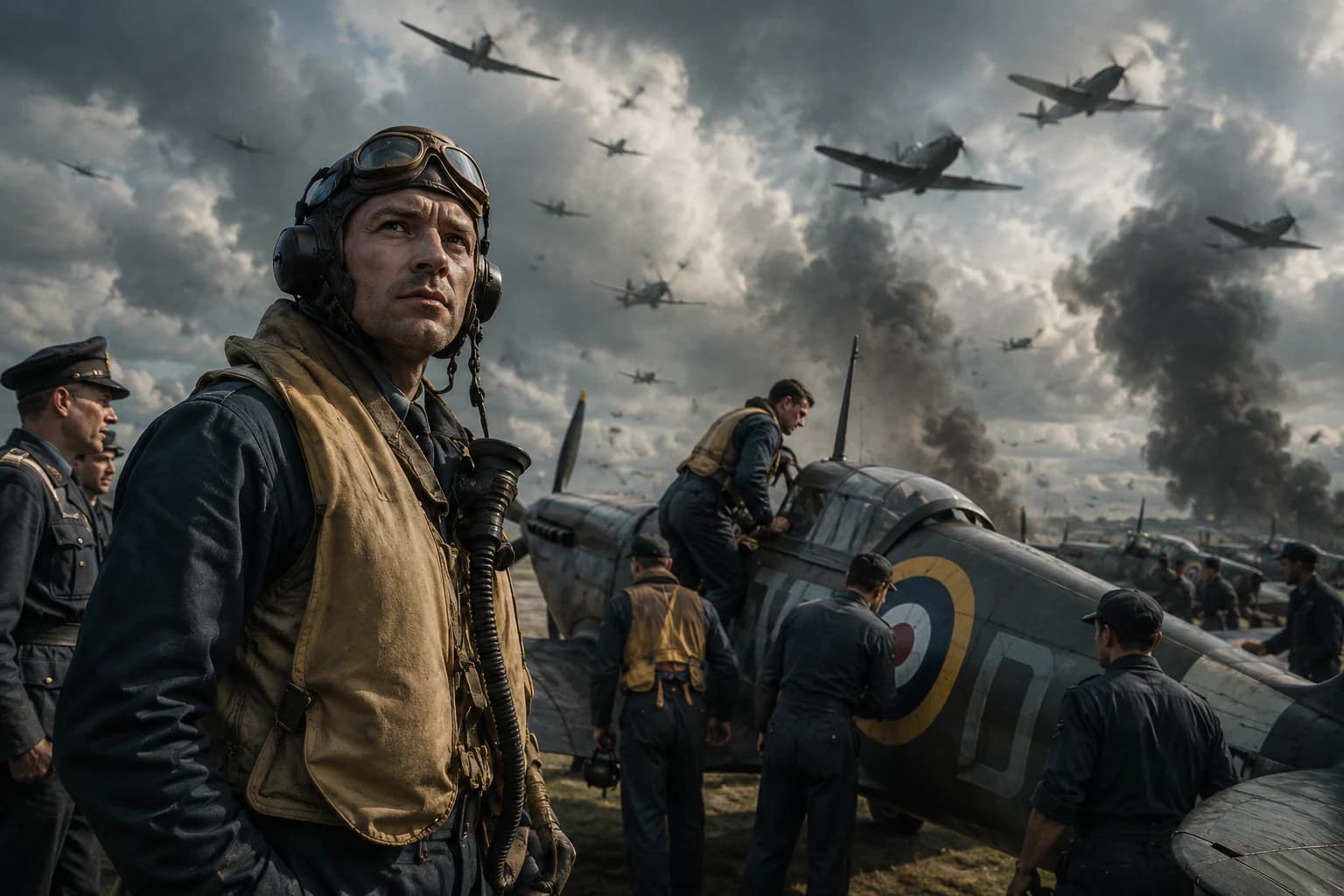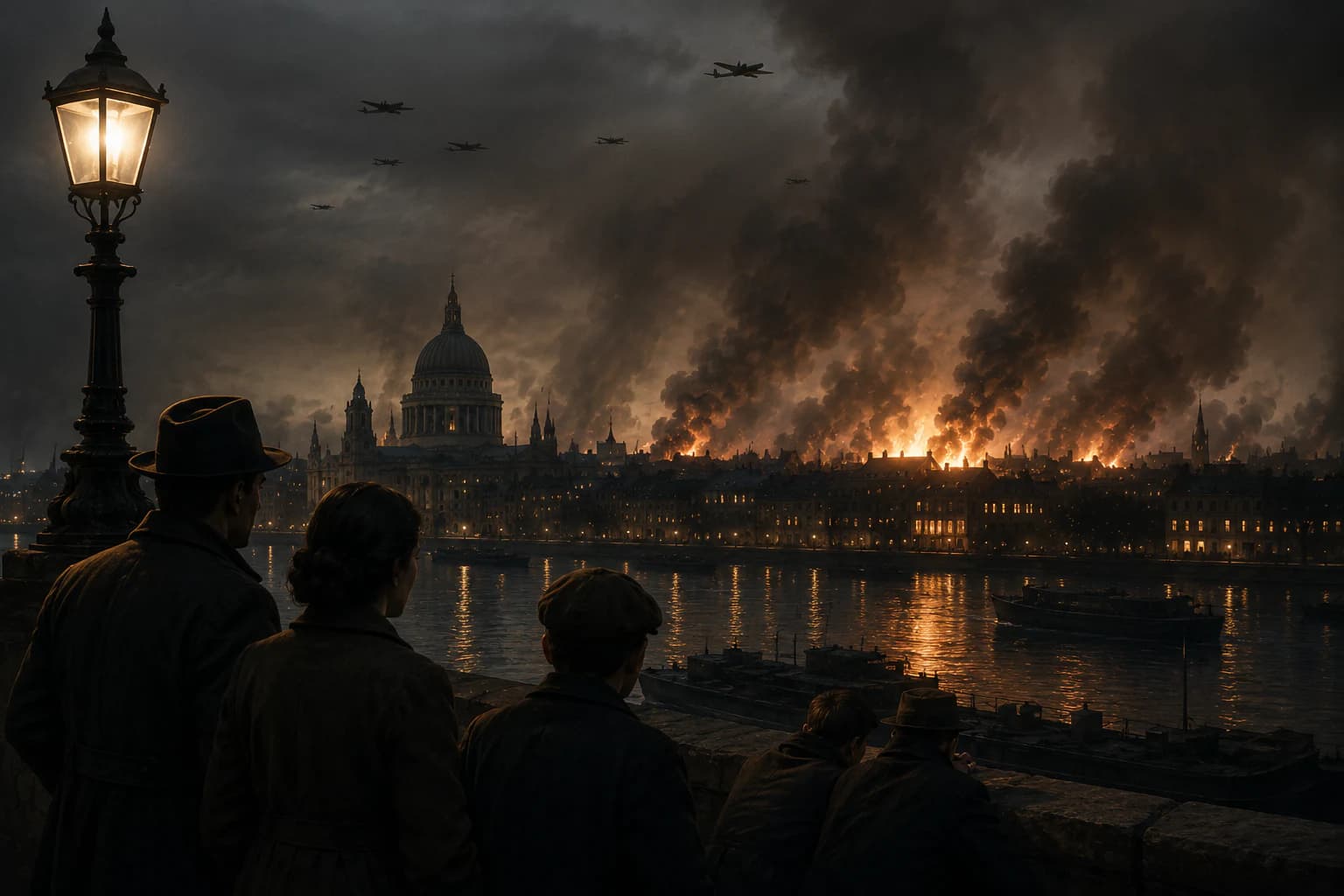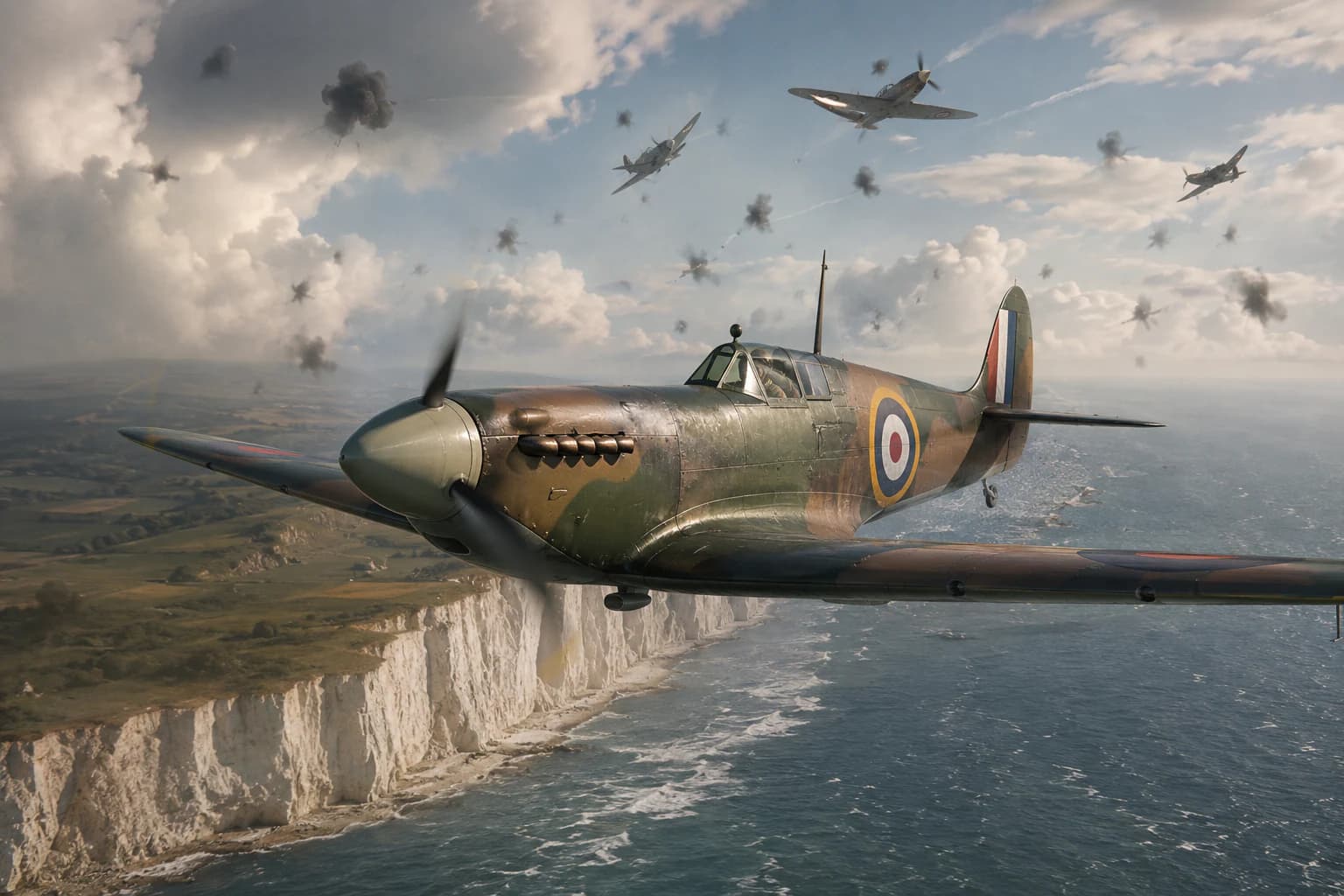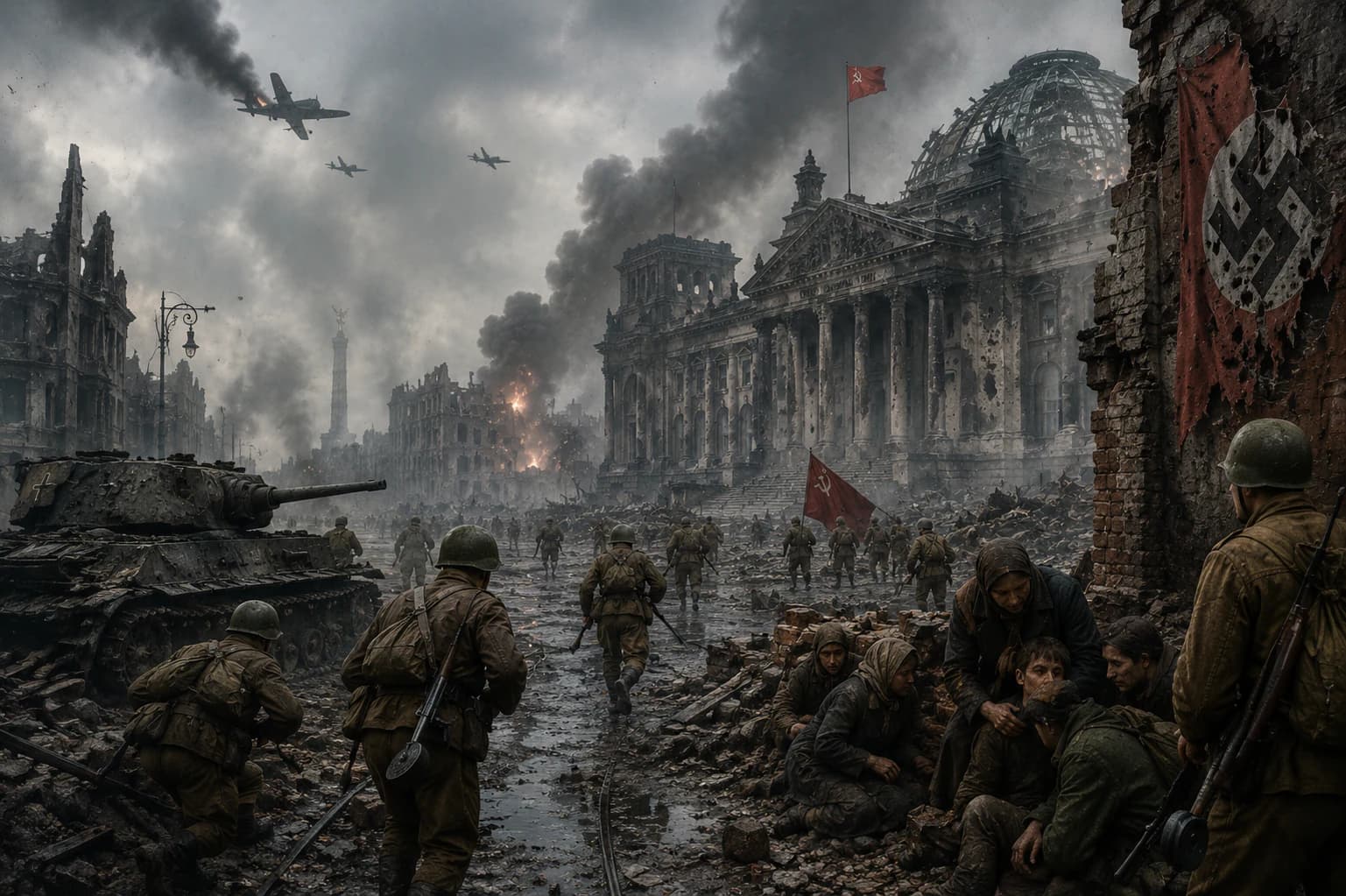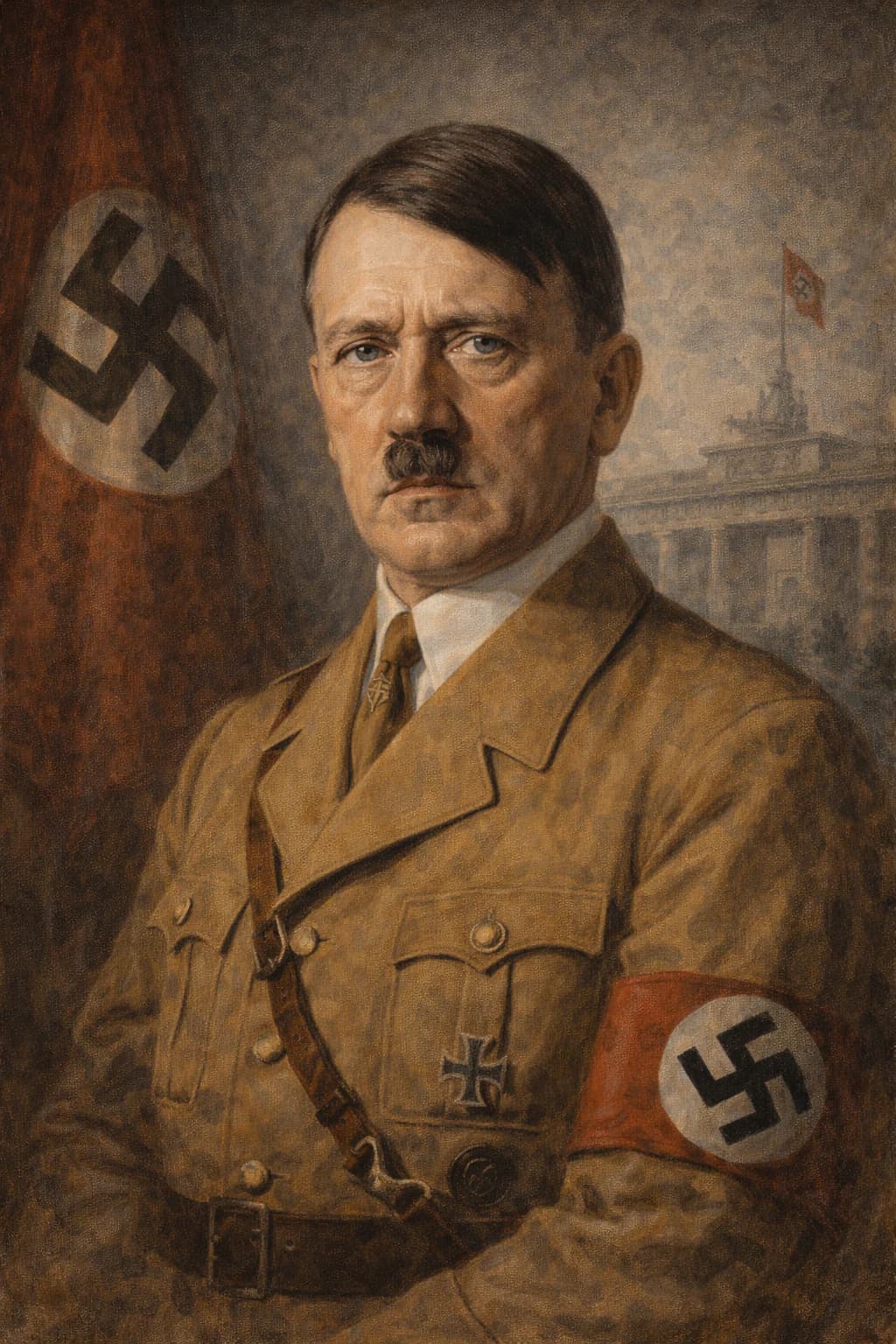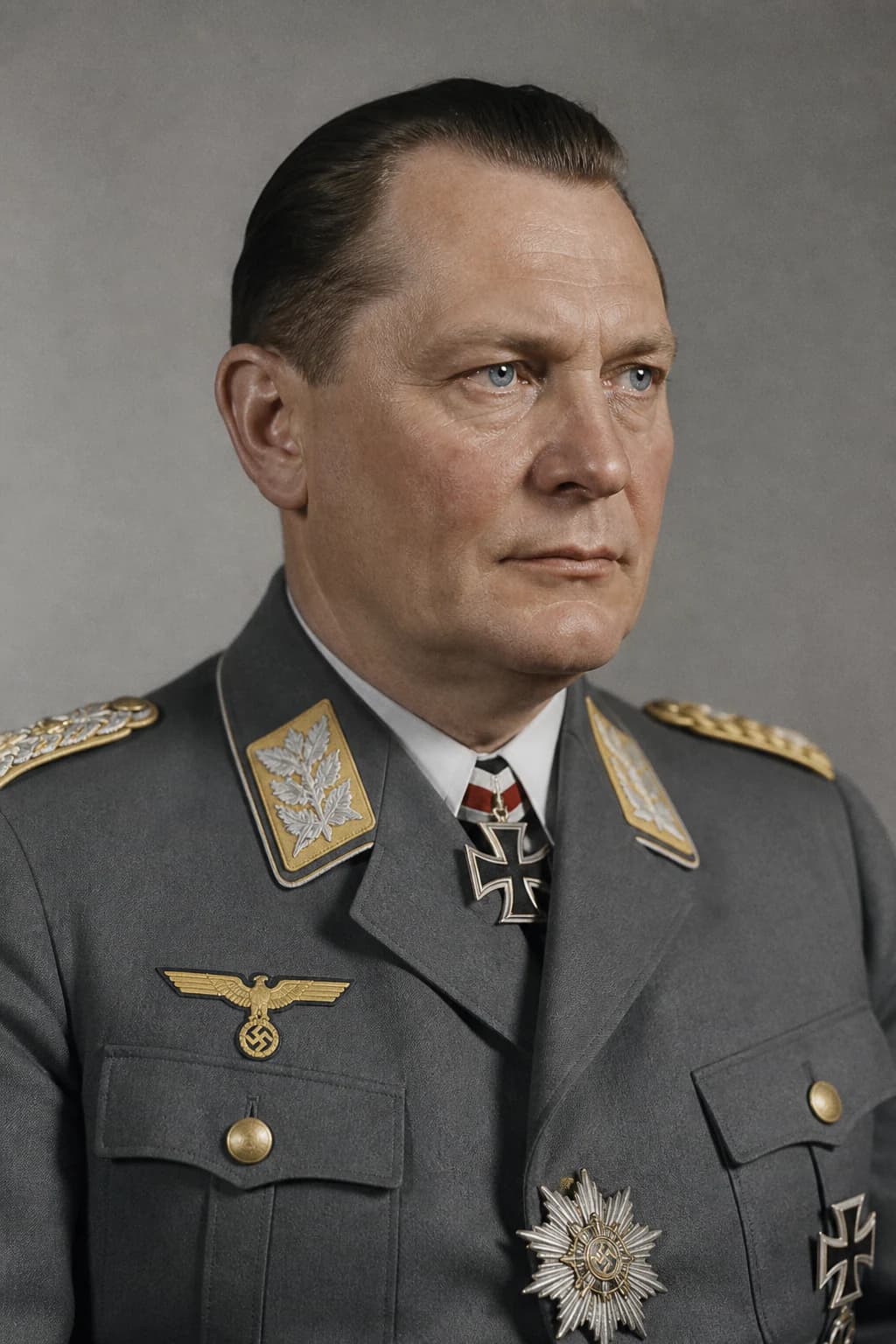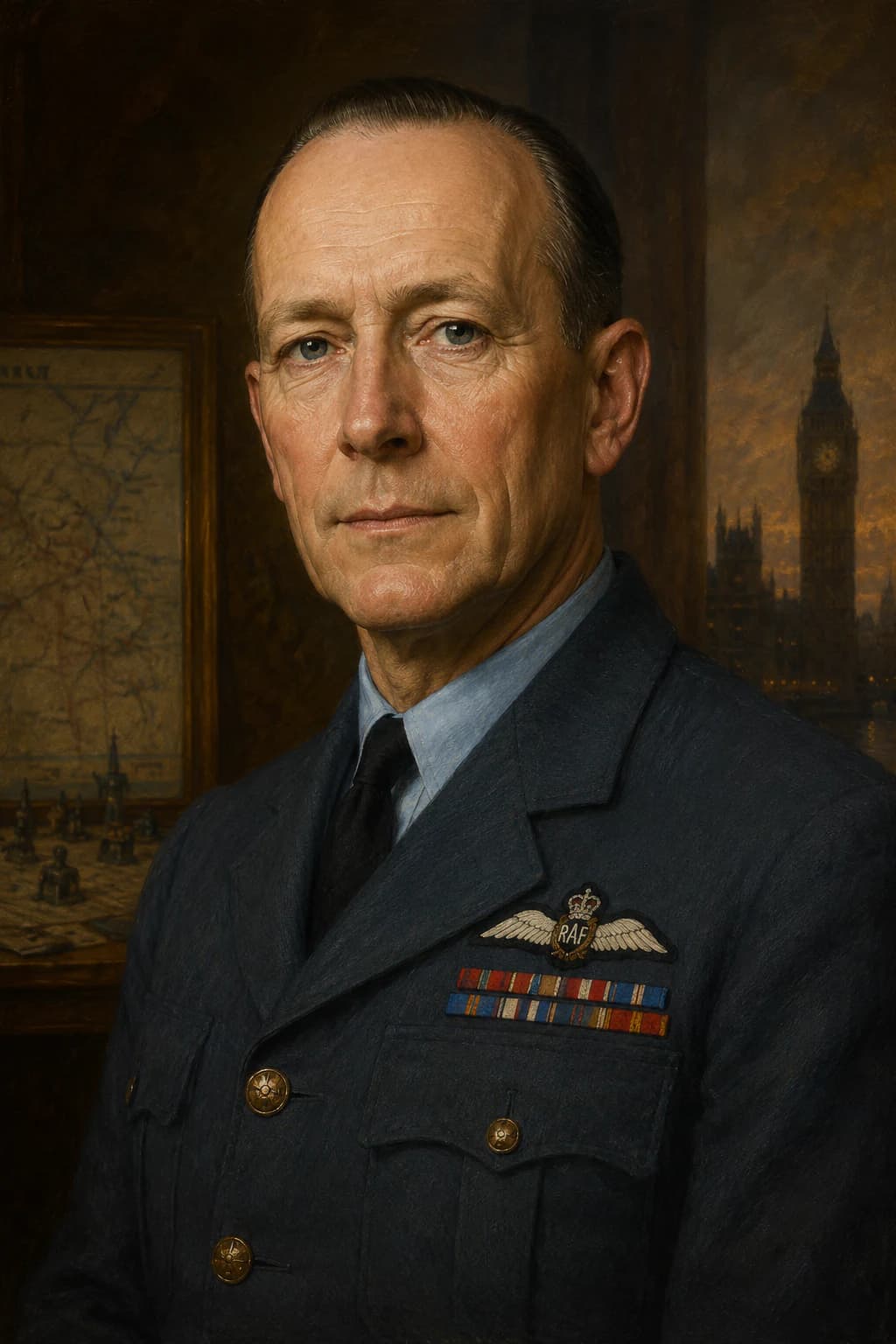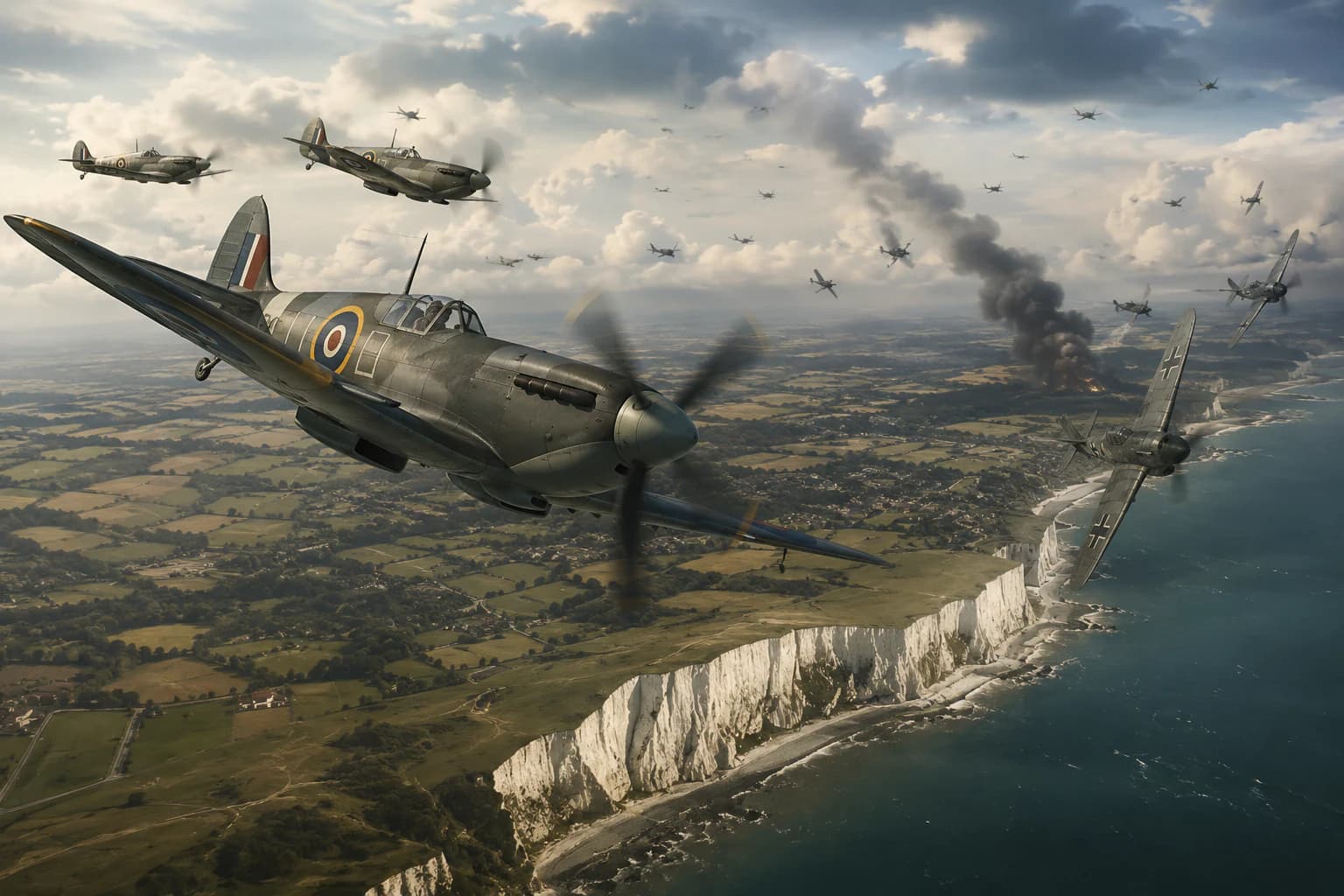
RAF fighters and German bombers over southern England as searchlights and fires mark the opening of the Blitz in 1940.
Premium Story

The Battle of Britain

Follow the Battle of Britain from isolation and invasion threat to air defense, the Blitz, and strategic survival.

11 chapters

Next
Context

Introduction

What you’ll learn: You’ll see why the Battle of Britain was a decisive struggle over air power, invasion risk, civilian morale, and Britain’s survival—and why its consequences shaped the wider war.

Key forces

Britain Stands Alone
1940 CE
Step 1 of 101940 CEAccessible mode

Britain Stands Alone

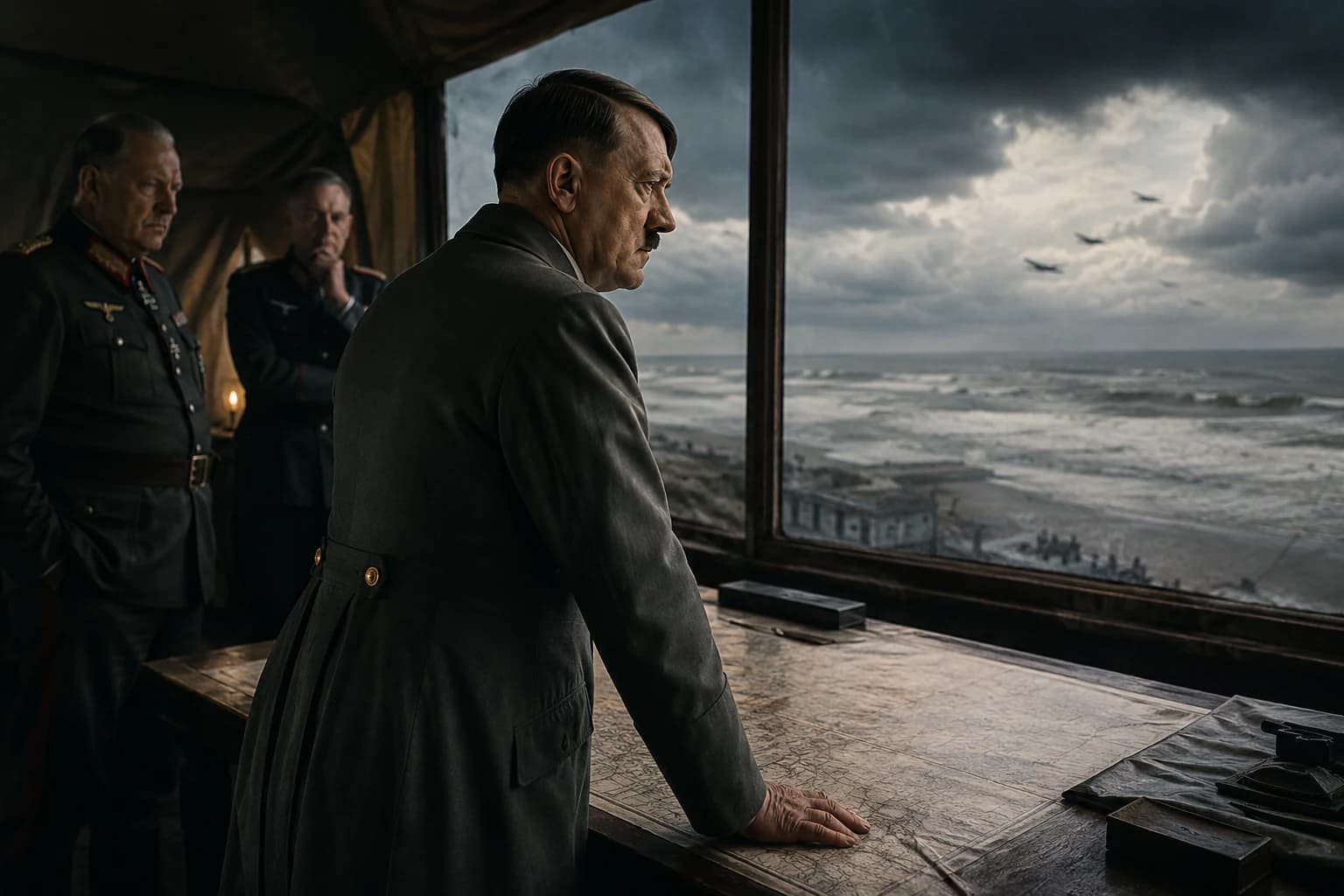
In summer 1940, Britain stood almost alone in Europe. France had fallen, and Germany seemed unbeatable after months of rapid victories across the continent.

The evacuation at saved many British and Allied troops, but most heavy weapons were left behind. Britain escaped destruction, not defeat in spirit.

Hitler now controlled most of western Europe directly or through pressure. If Britain gave in, there would be no major base left for resistance nearby.

So the war changed shape. Britain was not just another opponent. It became the barrier between Nazi domination and any future liberation of Europe. It also showed why air defense now mattered: if Britain lost control overhead, invasion pressure and political isolation could quickly become existential threats.

Operation Sea Lion
1940 CE
Step 2 of 101940 CEAccessible mode

Operation Sea Lion

In 1940, Germany prepared Operation Sea Lion, a plan to invade Britain across . But ships and soldiers alone were not enough.

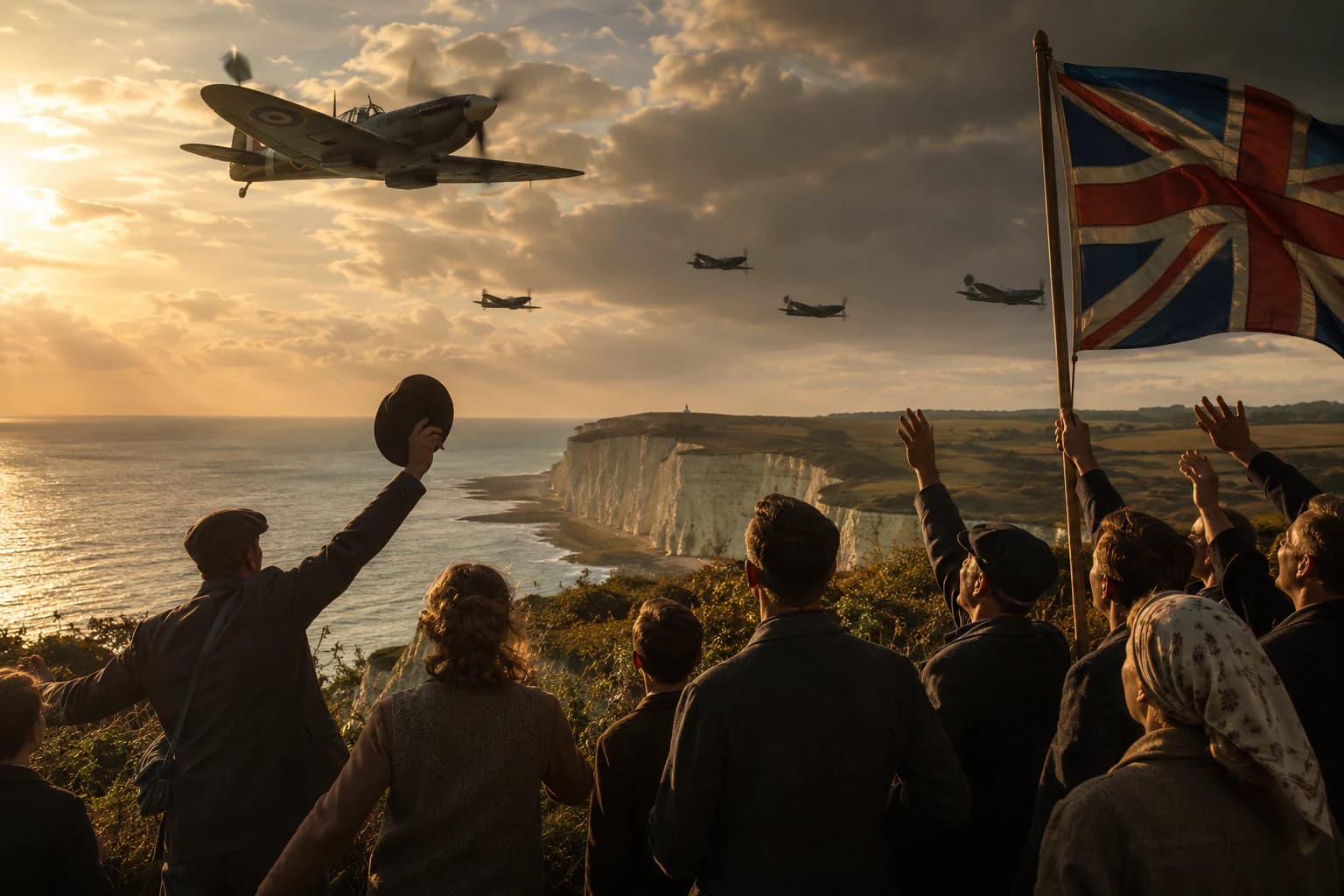
Any landing force would be vulnerable on open water. Without control of the sky, German barges could be attacked by RAF fighters and British warships.

So air superiority became the key condition. Germany first had to destroy or cripple RAF Fighter Command in southern England.

This made the Battle of Britain decisive. If the RAF survived, invasion was too risky. If it failed, Britain could be forced to surrender. That is why this battle mattered immediately to ordinary people in 1940: control of the sky was tied directly to whether Britain stayed free or occupied.

Premium

You've reached the turning point

The opening chapters show Britain standing alone after France falls. Premium follows the fight over the skies: pilots and controllers absorb the pressure, cities brace for bombing, and invasion plans depend on whether Fighter Command can endure.

Continue into the reversals, crises and human stakes that make the story matter.

Unlock full story

What Premium unlocks next

  1. 3Fighter Command Prepares
  2. 4The Channel Battles
  3. 5The Assault on Airfields
  4. 6The Few Hold the Line
  5. 7The Blitz Begins
  6. 8Battle of Britain Day
  7. 9Invasion Postponed
  8. 10The Meaning of Survival

Browse stories

Browse stories for free

Explore the people connected to this turning point or enjoy one of our free stories.

Unlock full storyBrowse stories

References

Sources & Further Reading

Reliable sources, primary-source collections and reading paths connected to this page.

Sources used

  1. Imperial War Museums, 8 Things You Need To Know About The Battle Of Britain,” Open source
  2. Royal Air Force Museum, History of the Battle of Britain,” Open source

Further reading

  1. James Holland, The Battle of Britain, Bantam.

Primary sources

  1. The National Archives, Battle of Britain,” Open source

A weekly route through history

Find out first about the latest published stories, feature notes and occasional Premium offers in one weekly email.