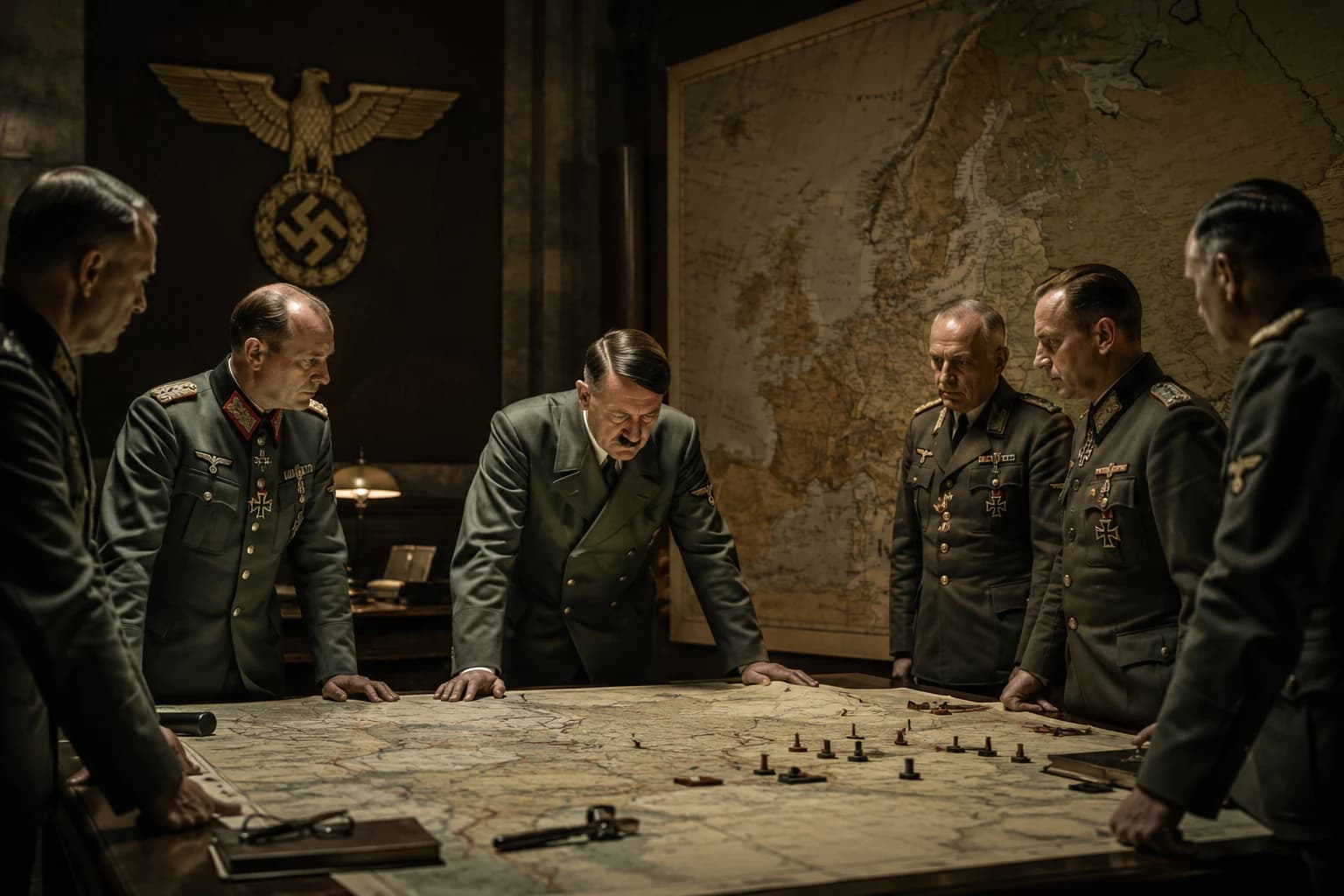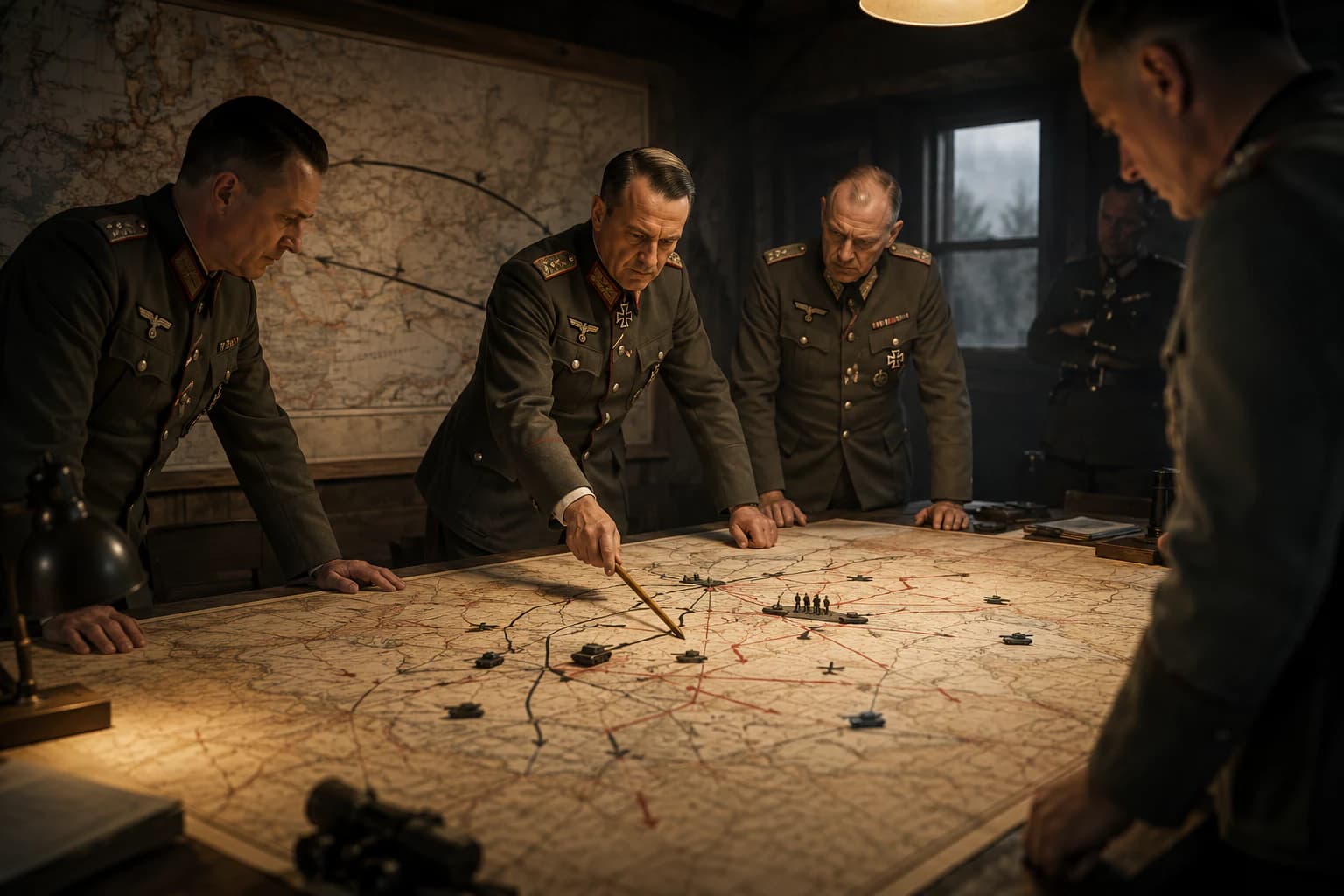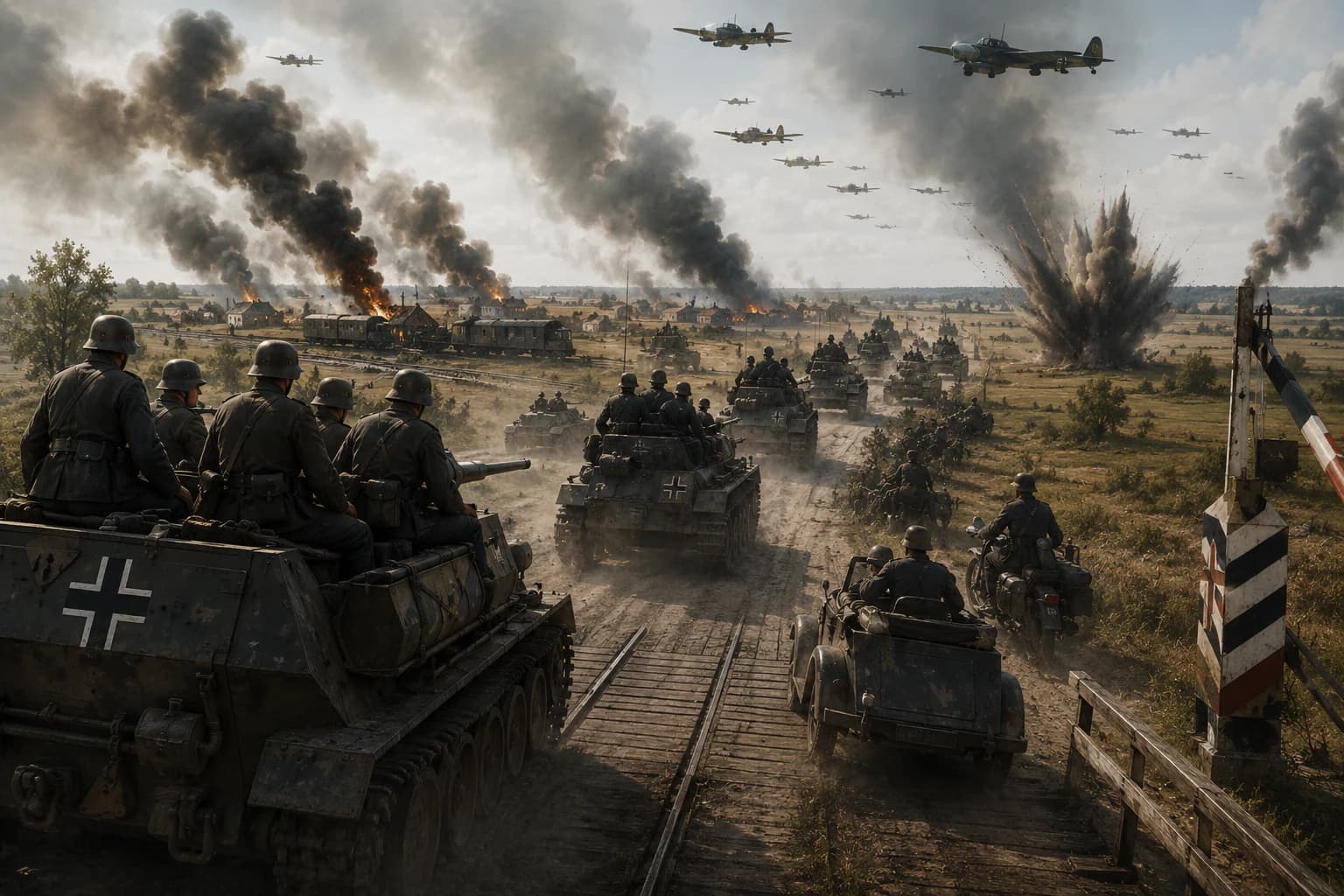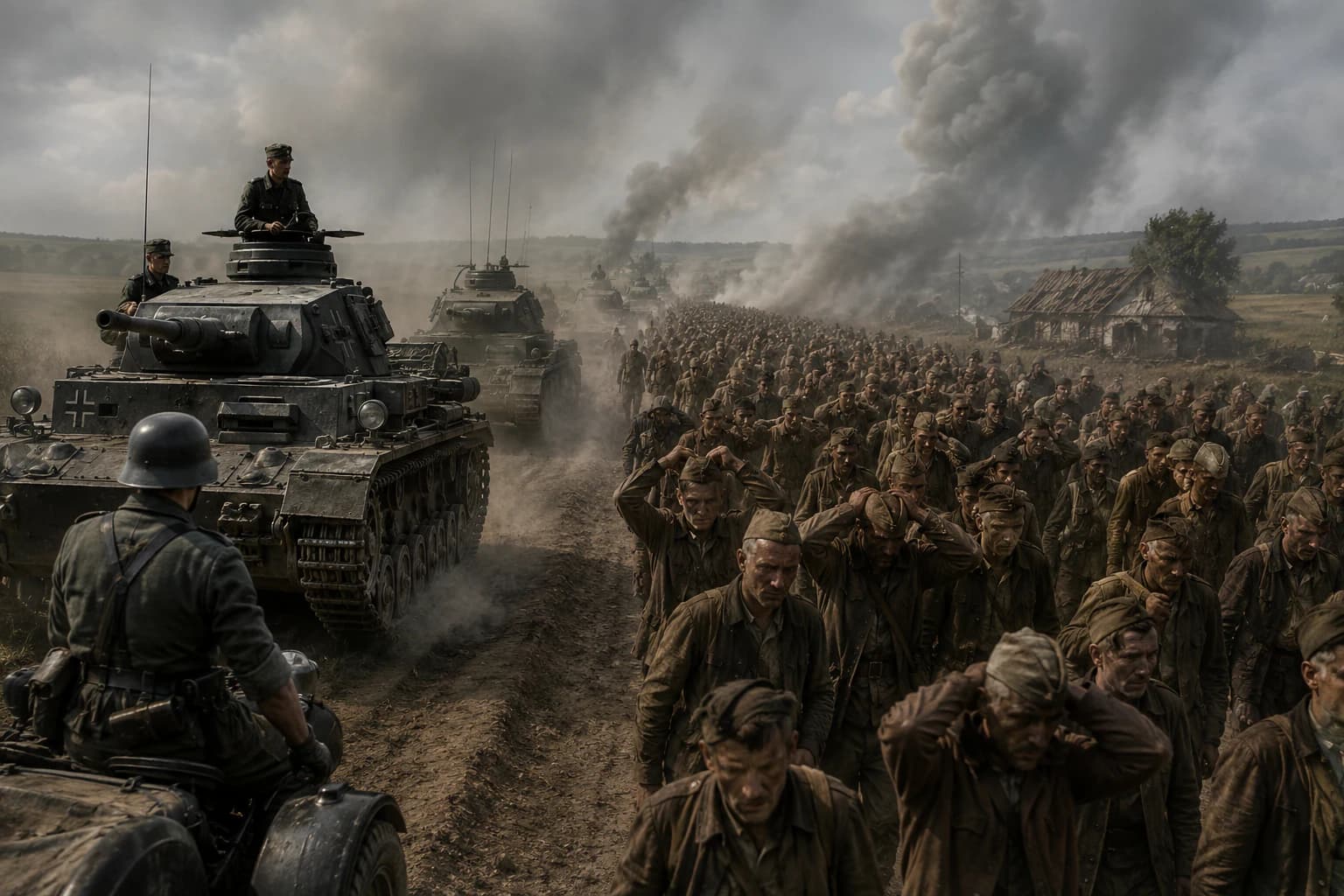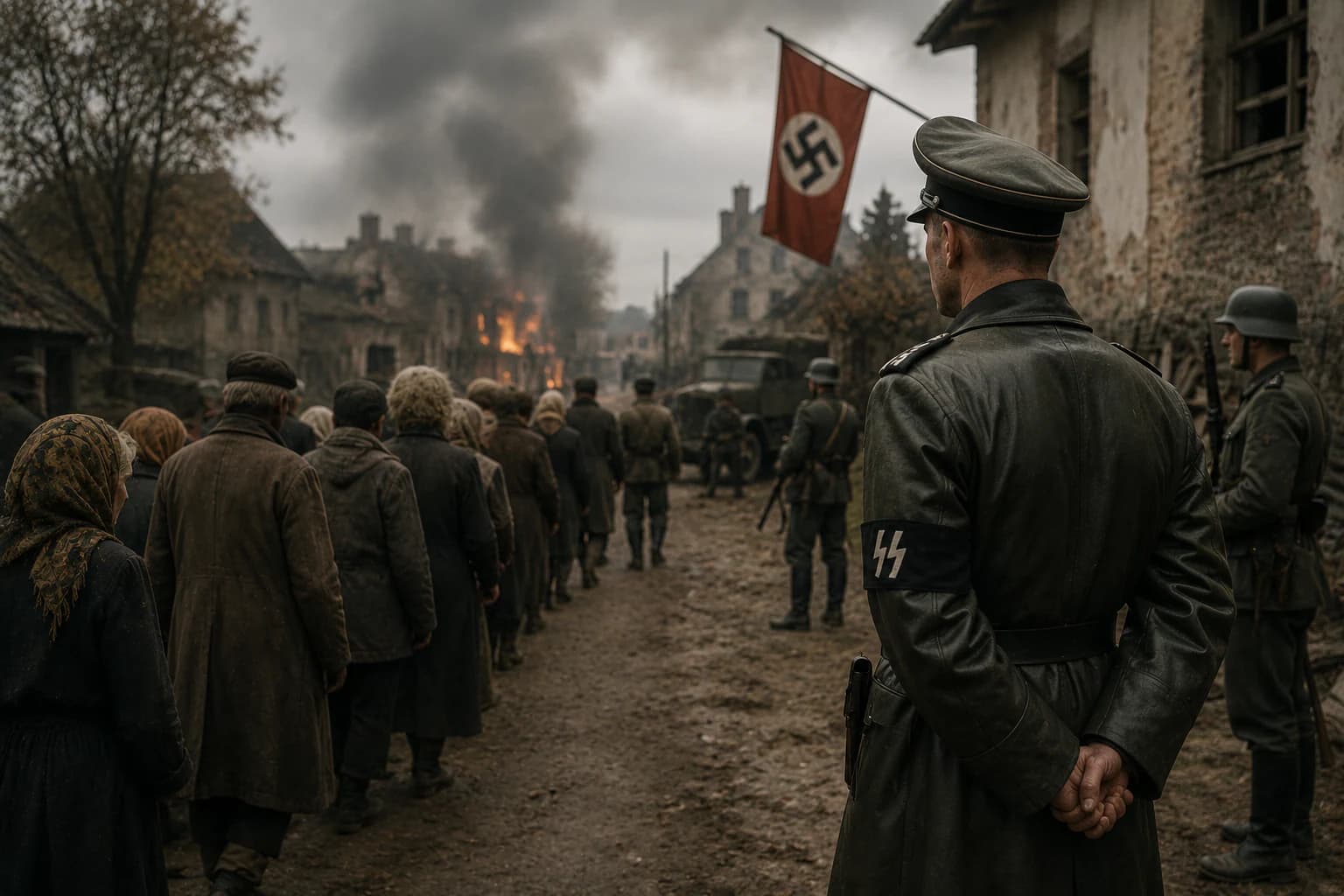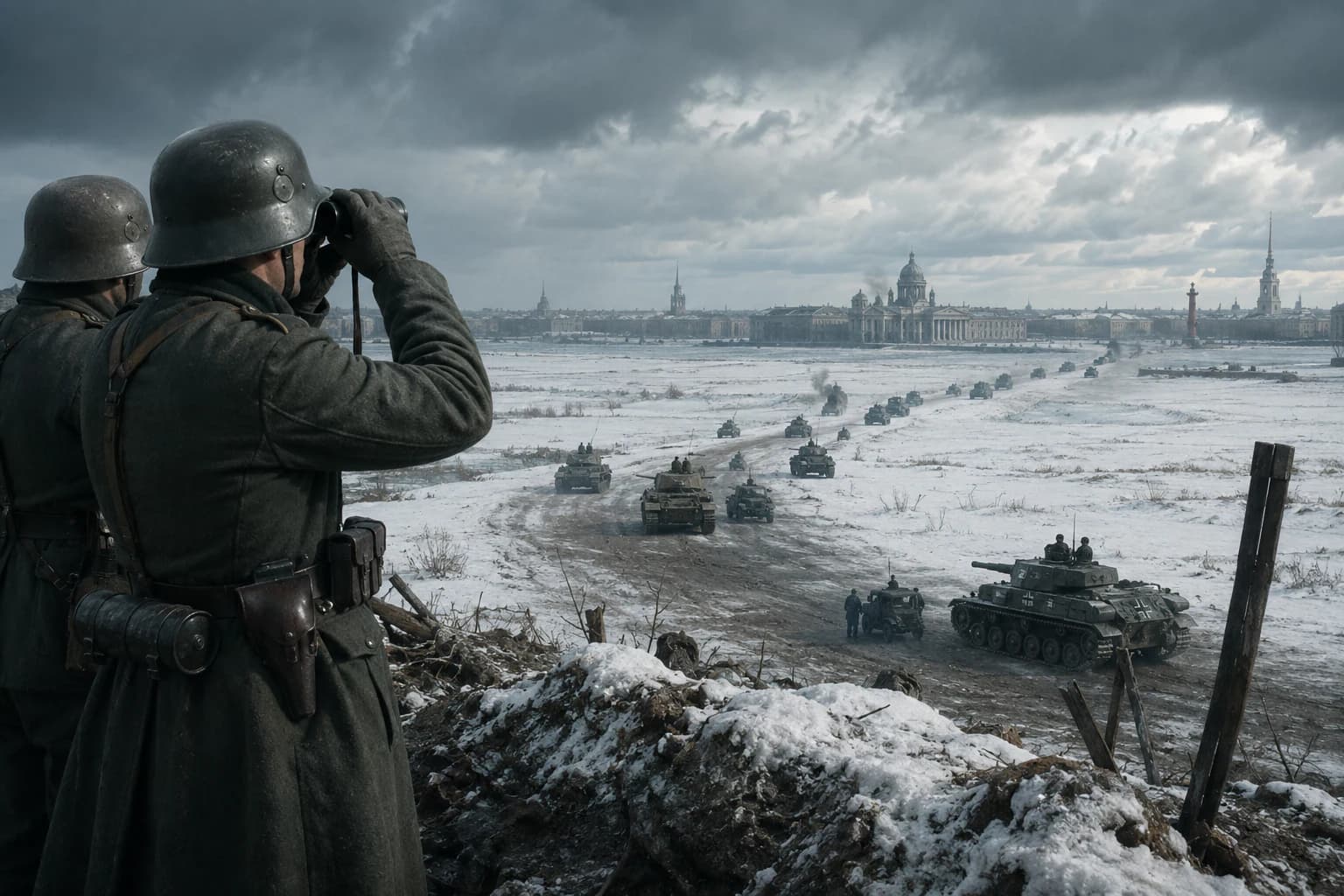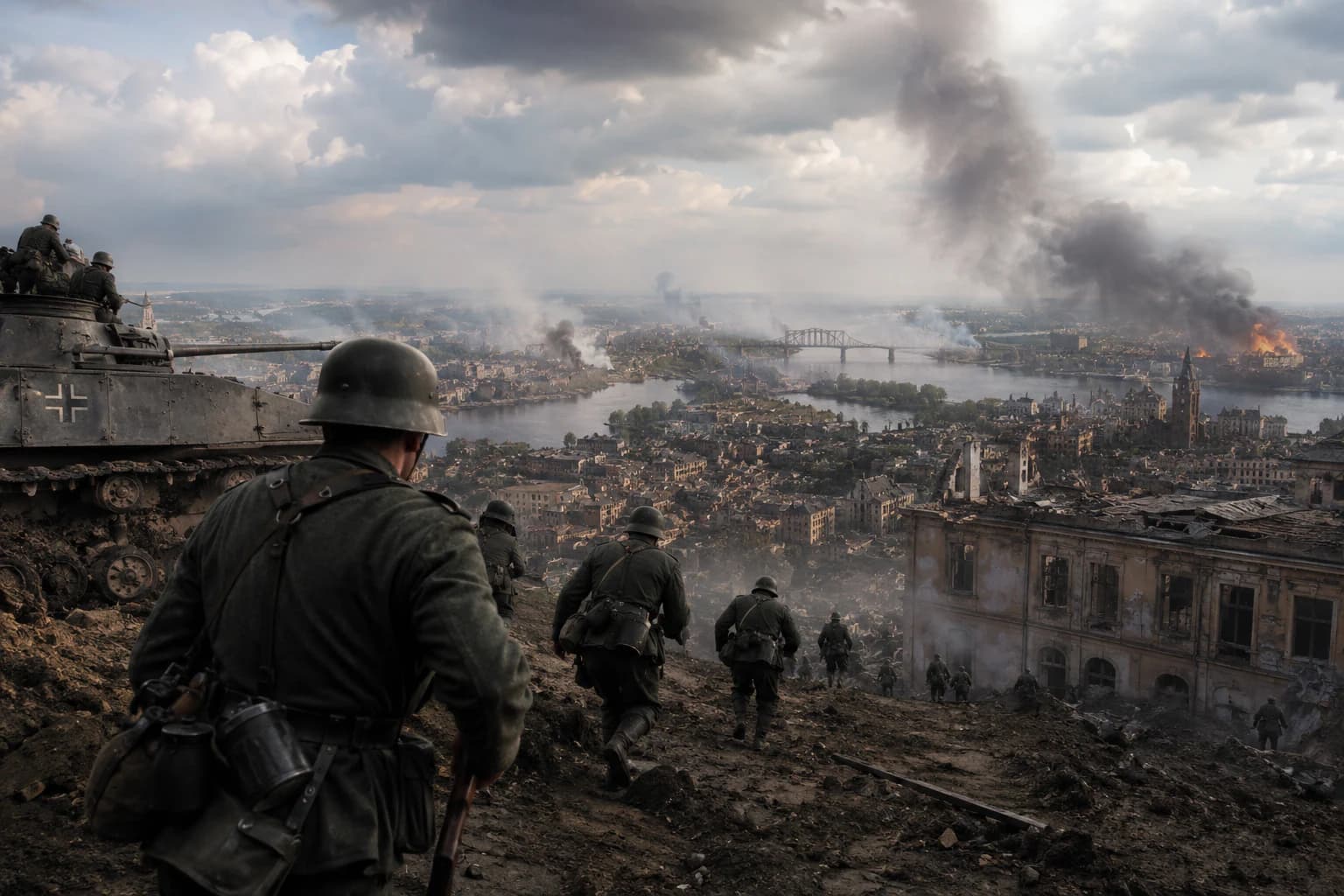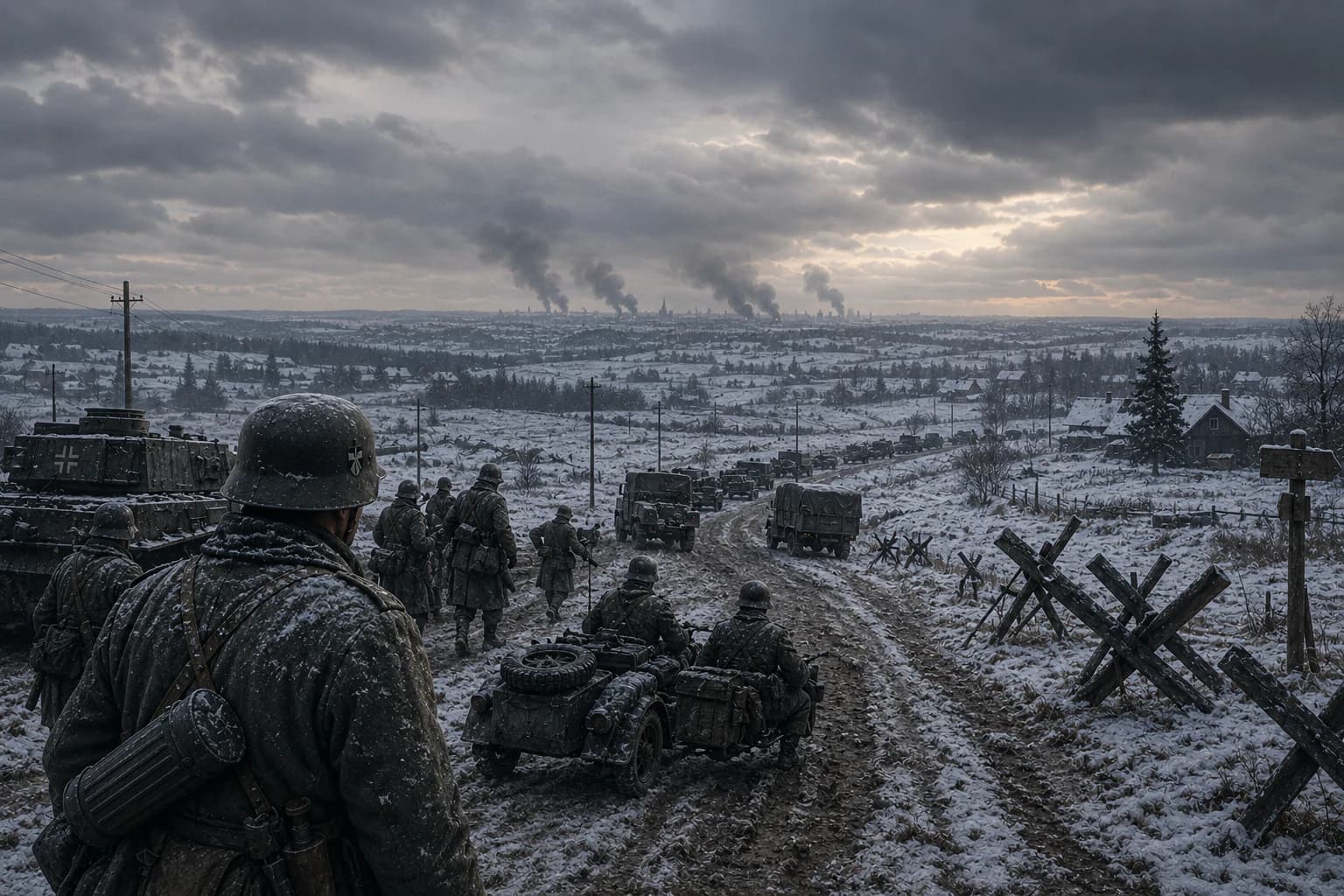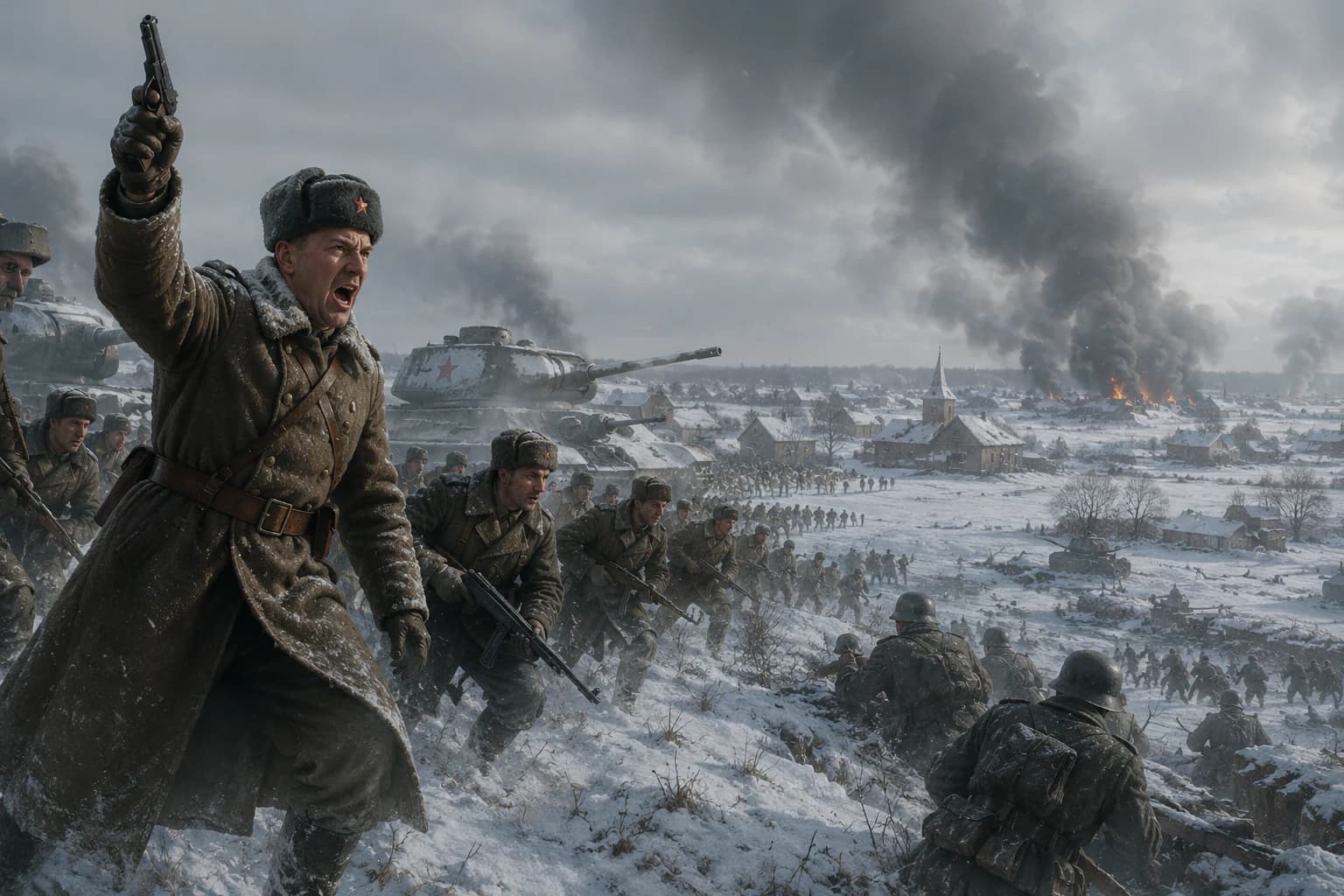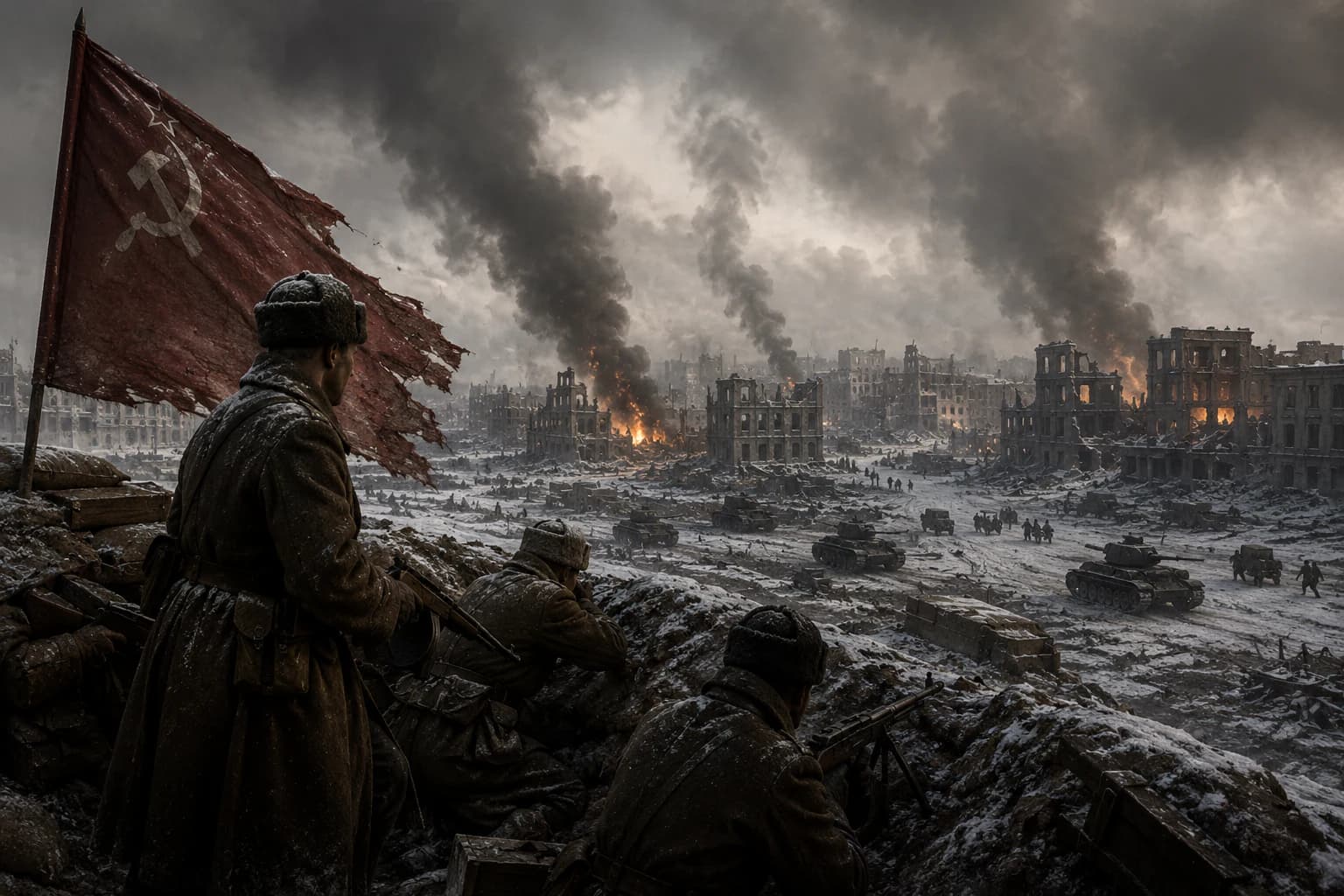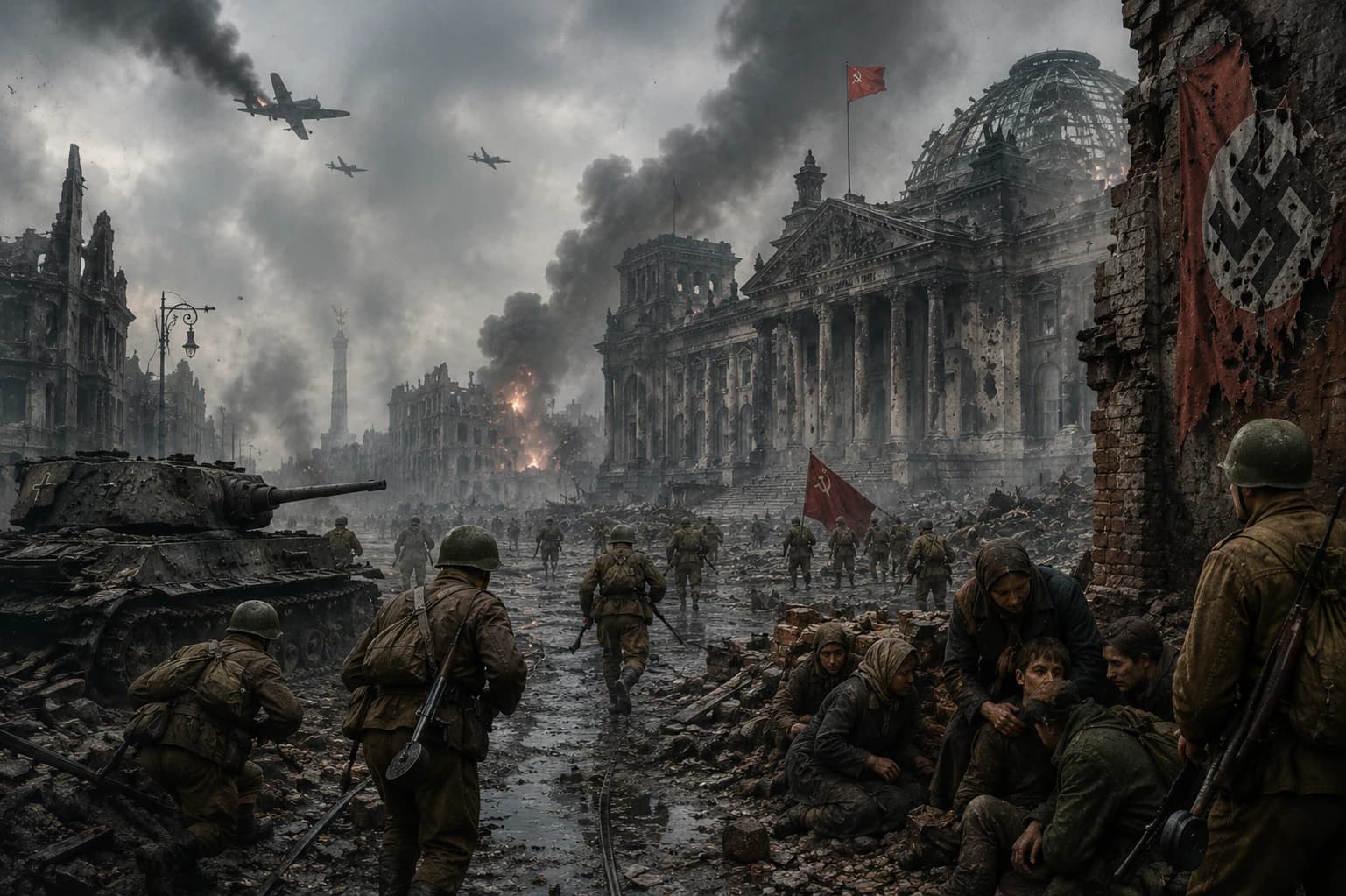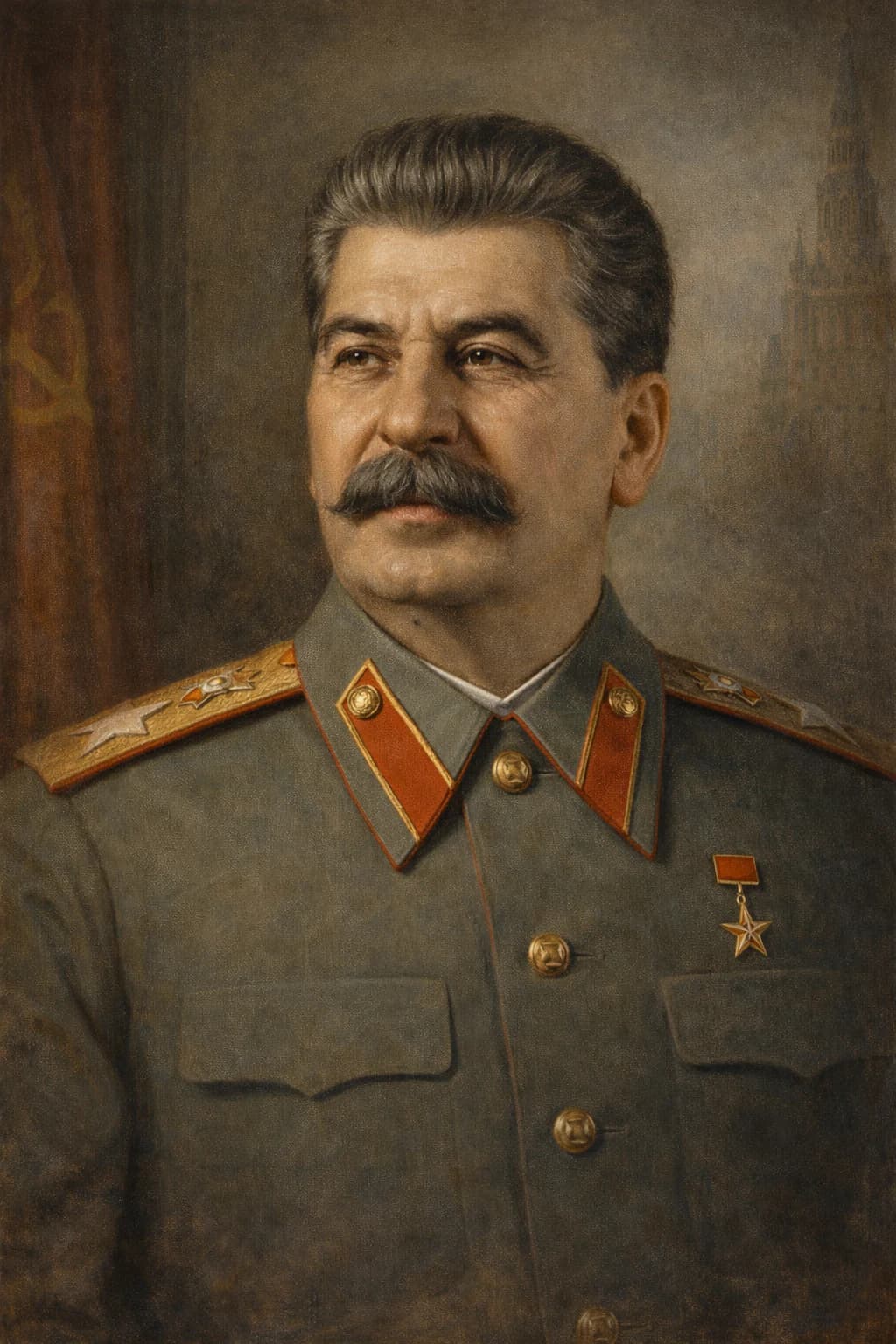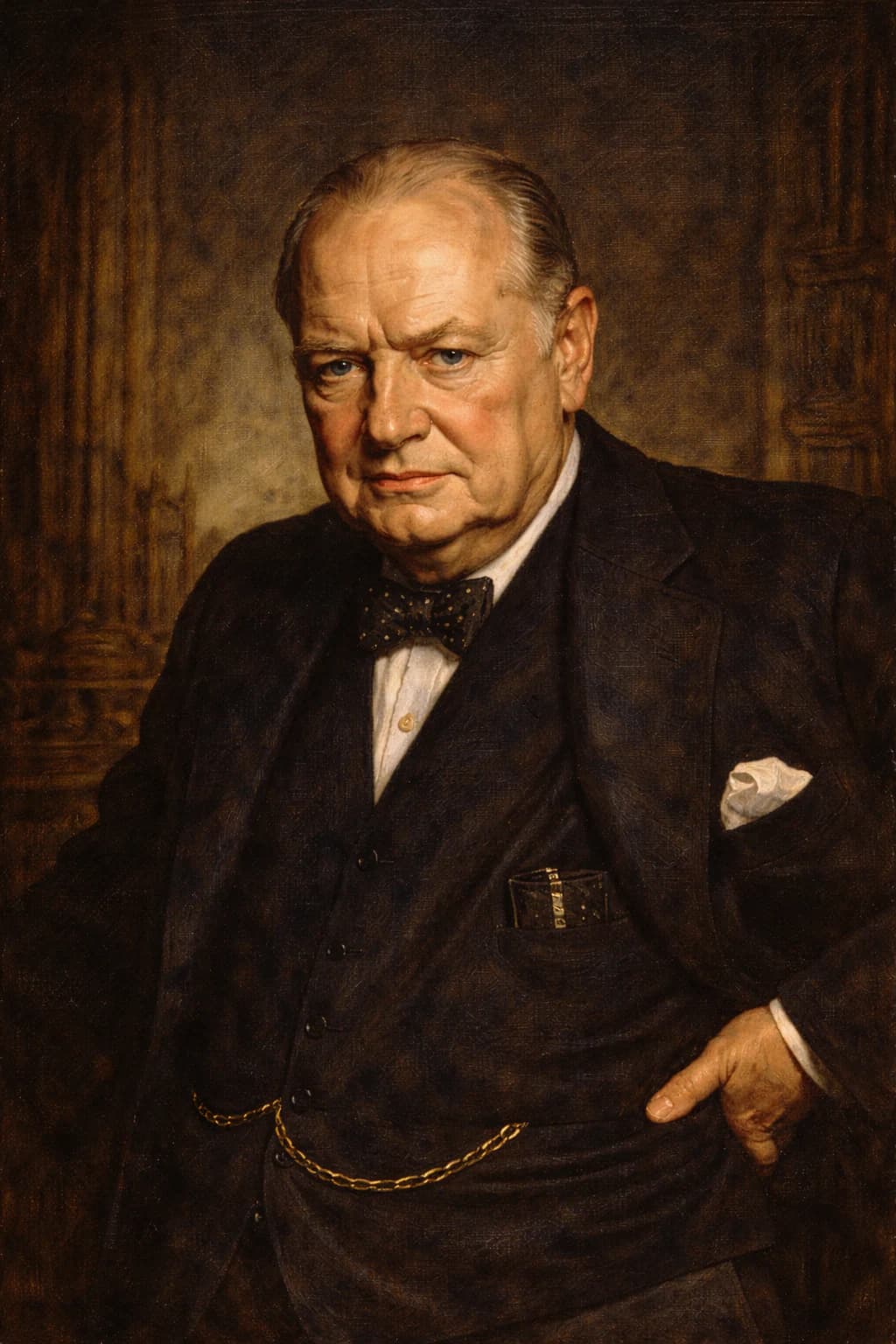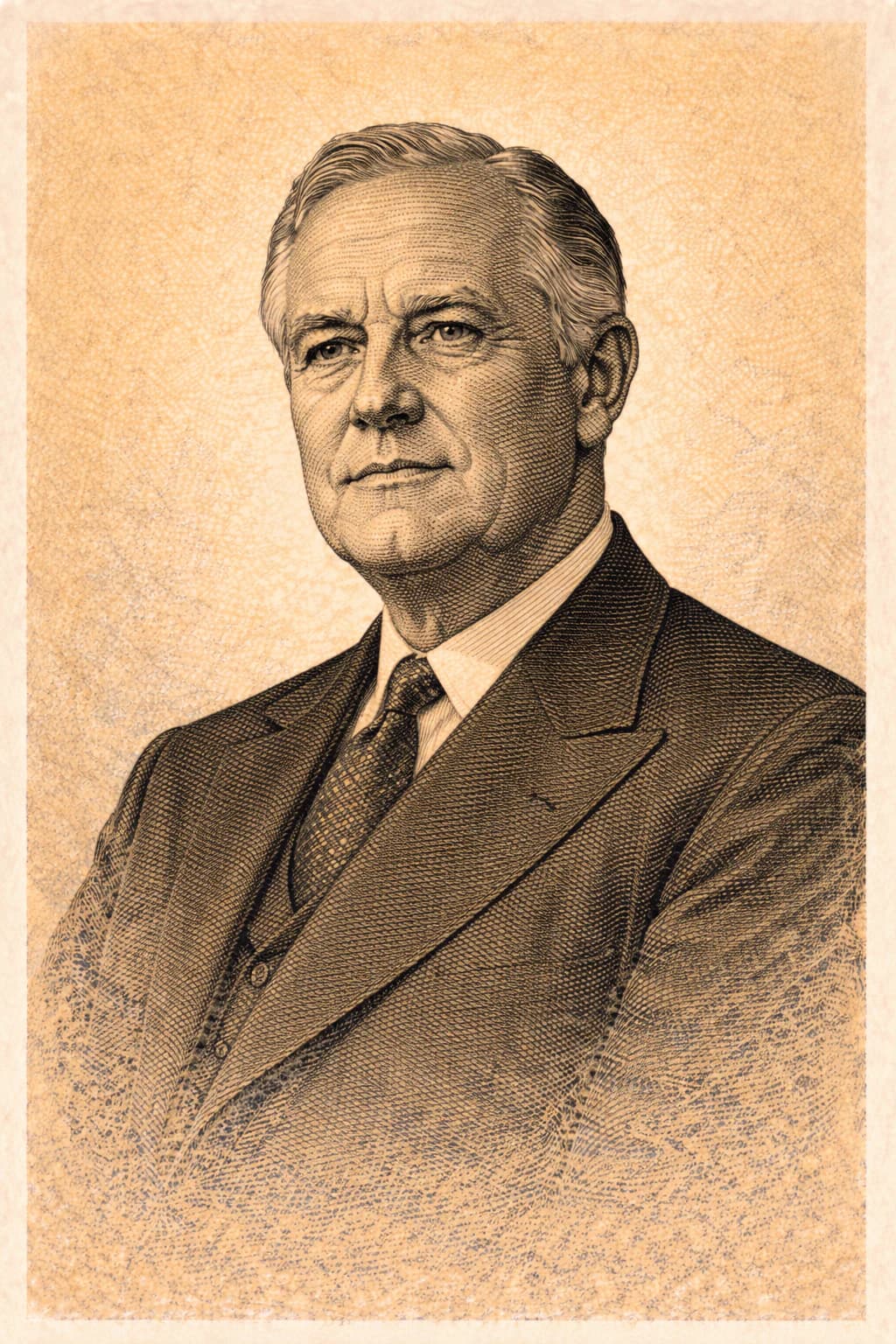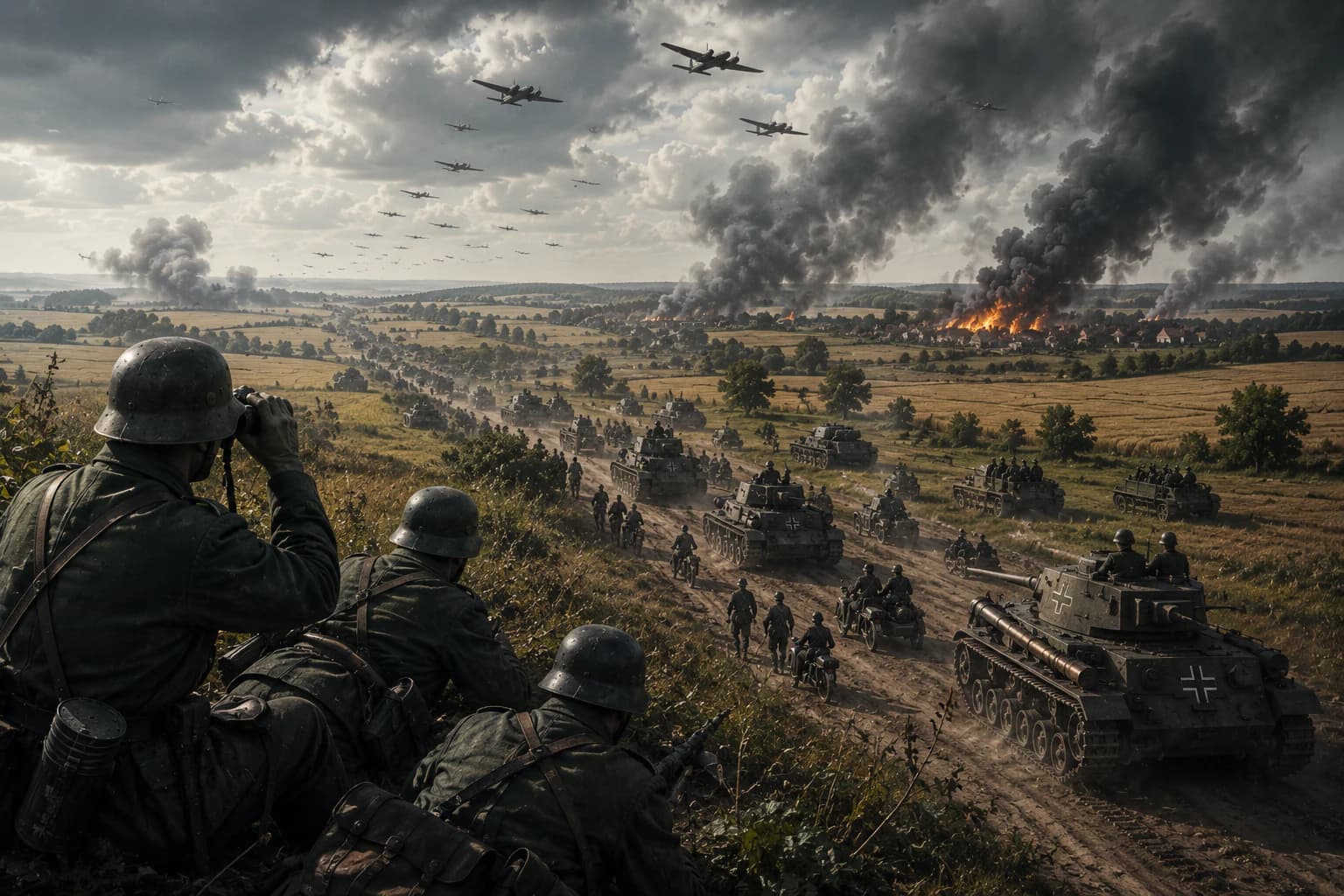
German columns moving east in 1941 as Soviet cities burn and civilians flee the widening front.
Premium Story

Operation Barbarossa

Follow Operation Barbarossa from ideological planning and rapid advance to mass atrocity, Soviet survival, and strategic turning point.

11 chapters

Next
Context

Introduction

What you'll learn: You'll see why Barbarossa began as an ideological bid for rapid conquest, why early victories proved deceptive, and how Soviet survival transformed World War II into a longer and far deadlier struggle.

Key forces

Hitler Turns East
1940 CE
Step 1 of 101940 CEAccessible mode

Hitler Turns East

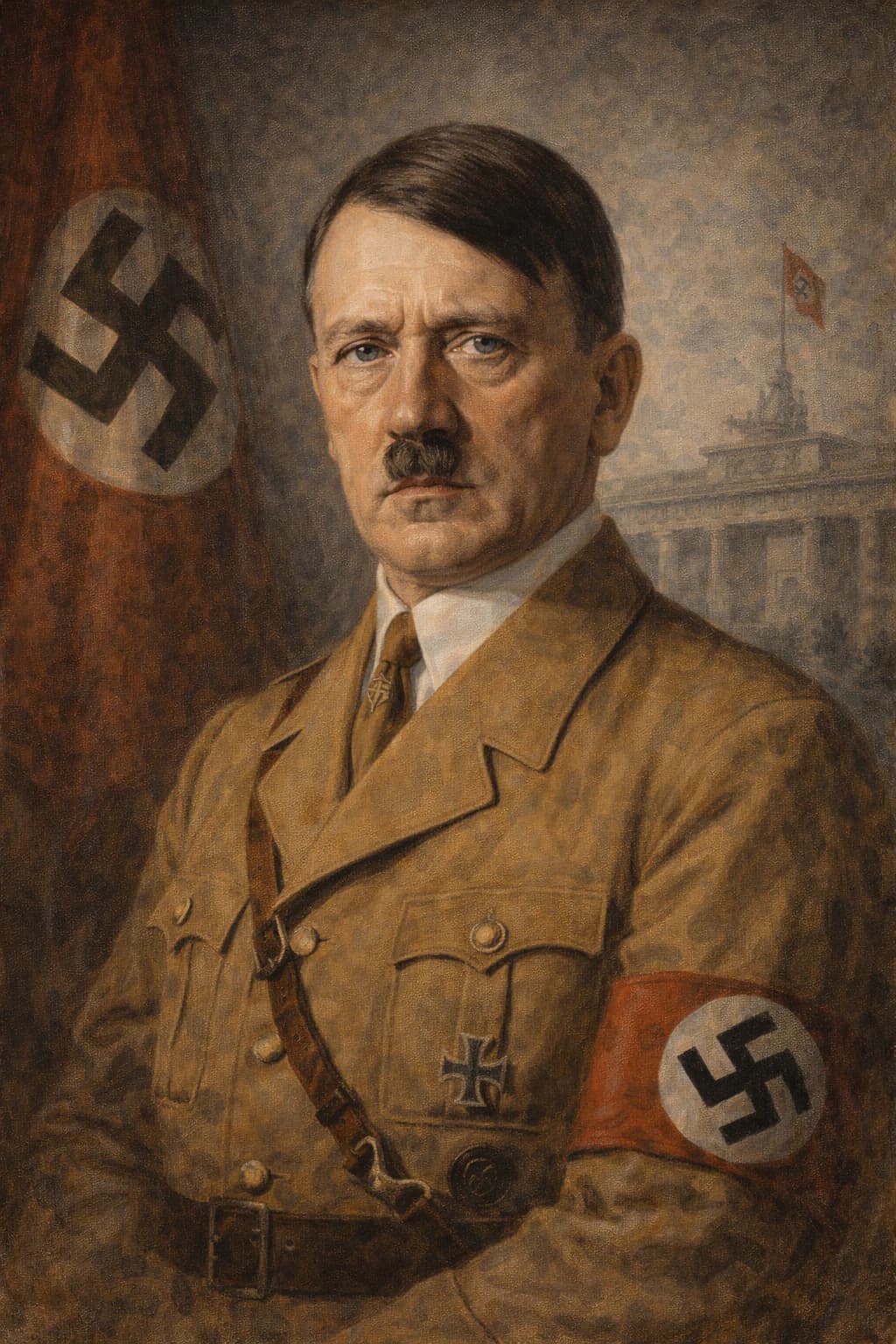
By late 1940, Hitler had defeated France and looked unbeatable in Europe. Instead of stopping, he decided Germany's next great target was the Soviet Union.

This decision was not only military. Hitler believed Germans needed more land in the east for food, resources, and settlement. He called this goal Lebensraum.

He also hated Bolshevism and saw the Soviet state as both a political and racial enemy. In Nazi thinking, destroying the USSR meant destroying an ideology and entire populations marked as inferior.

German leaders expected the Soviet Union to collapse quickly if struck hard. That confidence shaped everything that followed. The decision to turn east set up the largest and deadliest campaign of the war.

It also tied Germany to a fight of distance and survival that no quick battlefield win could truly settle.

The War Plan Takes Shape
1940 CE
Step 2 of 101940 CEAccessible mode

The War Plan Takes Shape

As 1940 ended, German planners drew up Operation Barbarossa as a giant attack across almost all of western Soviet territory.

The plan used three main army groups. North would move toward , Center toward , and South into Ukraine. Each thrust aimed to trap Soviet armies and keep them from regrouping.

The distances were enormous. Railways, roads, fuel supply, and weather were major risks. But many planners believed these risks would not matter because they expected Soviet defeat in a few months.

This was the key assumption: one fast campaign before winter. It made the operation look possible on paper, but it also built in danger if the Soviet Union kept fighting.

When assumptions fail in a plan this large, the whole campaign can unravel faster than commanders expect.

The Invasion Begins
1941 CE
Step 3 of 101941 CEAccessible mode

The Invasion Begins

At dawn on 22 June 1941, Operation Barbarossa began. Germany and its allies attacked the Soviet Union across a huge front without warning.

The force was enormous: millions of troops, thousands of tanks, and powerful air support. Early air strikes hit Soviet airfields and communications, destroying many aircraft before they could fight.

Soviet border armies were shocked and often overwhelmed. Command systems broke down in many sectors, and German armored units pushed through quickly, creating deep gaps.

The opening days looked like total German success. But the scale of the attack also meant Germany had begun a war far larger than any campaign it had fought before.

What looked like unstoppable momentum in June hid the strategic risk of fighting a state that could retreat, rebuild, and return.

Premium

You've reached the turning point

The opening chapters set up Hitler's decision to turn east. Premium follows the invasion as it becomes something darker than a campaign: an ideological war of annihilation, vast encirclements, cities under siege and a Soviet state forced to survive at staggering cost.

Continue into the reversals, crises and human stakes that make the story matter.

Unlock full story

What Premium unlocks next

  1. 4Encirclements in the West
  2. 5The War of Annihilation
  3. 6The Road to Leningrad
  4. 7The Battle for Ukraine
  5. 8The Drive on Moscow
  6. 9The Soviet Counteroffensive
  7. 10The Eastern Front Transformed

Browse stories

Browse stories for free

Explore the people connected to this turning point or enjoy one of our free stories.

Unlock full storyBrowse stories

References

Sources & Further Reading

Reliable sources, primary-source collections and reading paths connected to this page.

Sources used

  1. United States Holocaust Memorial Museum, Invasion of the Soviet Union, June 1941,” Open source
  2. Imperial War Museums, Operation Barbarossa and Germany's Failure in the Soviet Union,” Open source

Further reading

  1. David Stahel, Operation Barbarossa and Germany's Defeat in the East, Cambridge University Press.

Primary sources

  1. Yale Law School, Avalon Project: Nazi-Soviet Relations,” Open source

A weekly route through history

Find out first about the latest published stories, feature notes and occasional Premium offers in one weekly email.