Complete chronology
Full overview and deeper context for every journey step.
-163
Noble beginnings
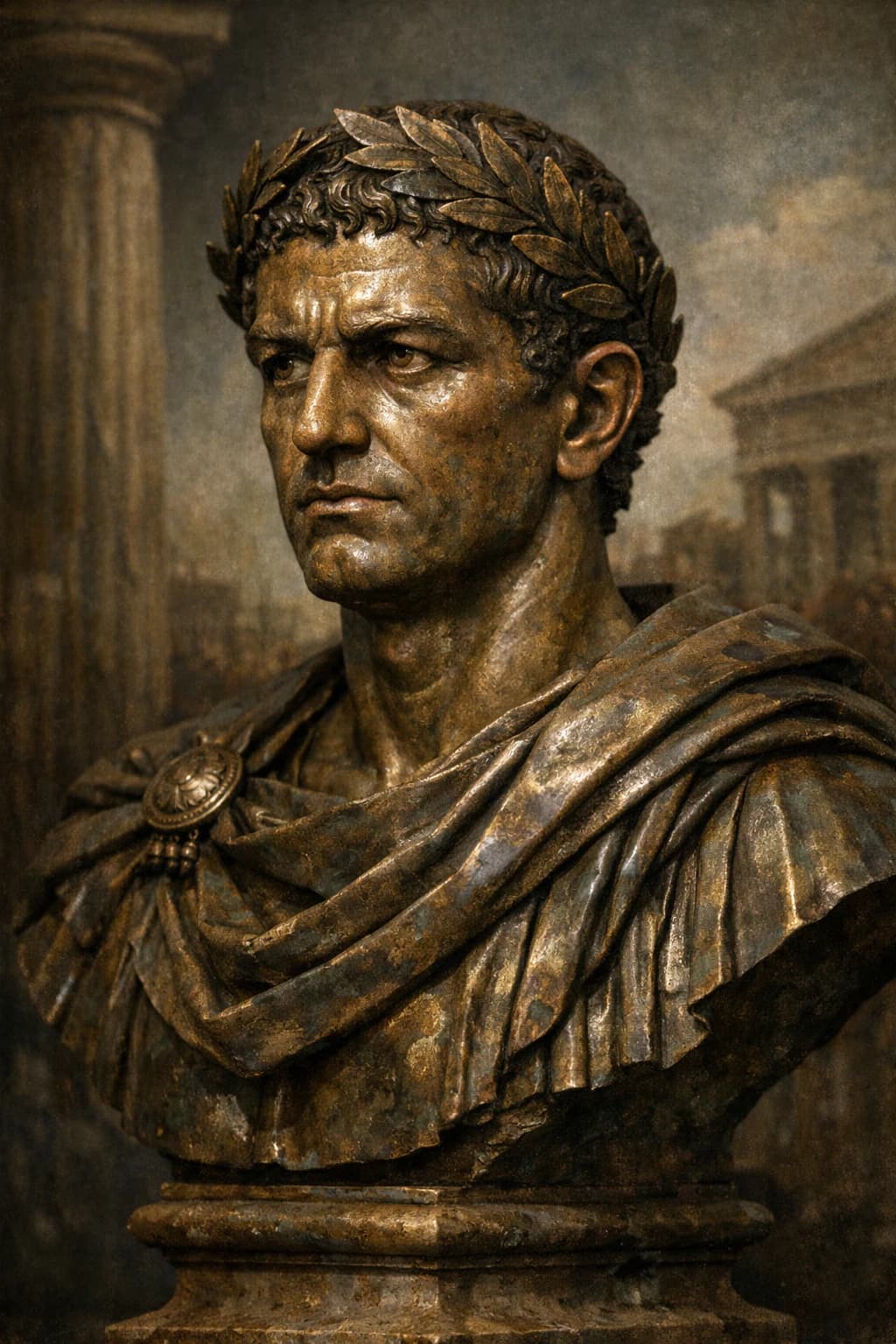
Tiberius Sempronius Gracchus was not an outsider attacking Rome's elite from below. His father had been consul and censor; his mother Cornelia was the daughter of Scipio Africanus, conqueror of Hannibal. The family embodied republican honour, education and service. That pedigree made Tiberius dangerous when he turned toward reform. He understood aristocratic politics from within and could claim that his programme served Rome's old citizen ideal rather than mob appetite. His background also shows the paradox of the Gracchan crisis: some of the Republic's sharpest challenges came from nobles who believed the governing class was betraying its own traditions.
Privilege gave him access, but it also sharpened his awareness of inequality.
-137
Military experience
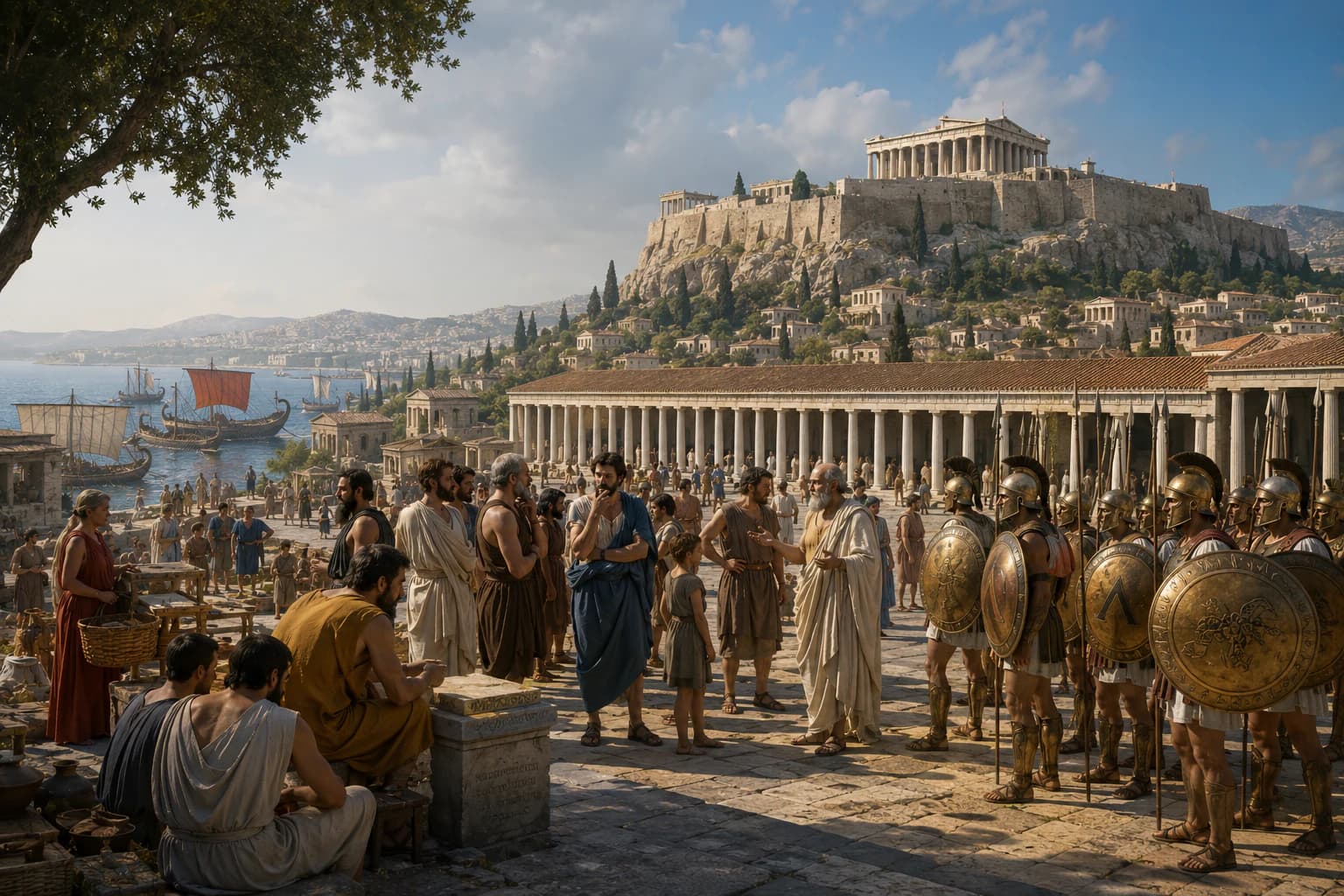
Rome's conquests had enriched the elite while straining the citizen body that supplied the legions. Long campaigns kept small farmers away from their land, while wealthy landholders expanded estates worked by enslaved labour. Ancient sources link Tiberius' concern for land reform to seeing rural decline and to the military problem it created: fewer independent citizens meant fewer qualified soldiers. His service in Spain also brought humiliation when he helped negotiate a treaty at Numantia that the Senate rejected. That episode may have sharpened his distrust of senatorial honour. Reform, for Tiberius, was both social justice and military repair.
Seeing hardship up close turned abstract inequality into an urgent problem.
-134
Entering politics
The political issue Tiberius chose was ager publicus, public land that wealthy Romans had occupied far beyond legal limits. Earlier laws had restricted such holdings, but enforcement had faded. Tiberius proposed reviving limits and redistributing excess land to poorer citizens in small allotments. He was not inventing a socialist programme in modern terms. He was appealing to older republican assumptions: citizen farmers formed the moral and military base of Rome. But land was power, and many senators had benefited from the informal occupation of public land. By making enforcement real, Tiberius threatened fortunes disguised as tradition.
He used insider status to question the very system that sustained it.
-133
Tribune election
The tribunate gave Tiberius sacrosanctity, the power to propose laws to the popular assembly and the ability to veto official acts. It was a powerful but norm-bound office. Traditionally, major policy moved with senatorial consent, even when the people voted. Tiberius chose a more confrontational path by taking his land bill directly to the assembly after senatorial resistance. Supporters saw this as restoring the people's rights. Opponents saw it as demagoguery and a threat to the unwritten balance of the Republic. The same constitution could be described as popular sovereignty or aristocratic cooperation, depending on who was speaking.
Authority turned his concerns into actionable challenges against the system.
-133
Land reform plan
The reform targeted land that was public in law but aristocratic in practice. Occupiers would retain a legal maximum, while excess land would be assigned to citizens in plots intended to support families and restore military eligibility. The commission included Tiberius, his brother Gaius and his father-in-law Appius Claudius Pulcher, which made critics suspect family ambition. Yet the problem was real. Rome's empire had produced wealth without distributing security. The bill asked whether the Republic existed to protect elite accumulation or to sustain the citizen body from which its armies and assemblies drew legitimacy.
Reform exposed how deeply power was tied to land ownership.
-133
Political resistance
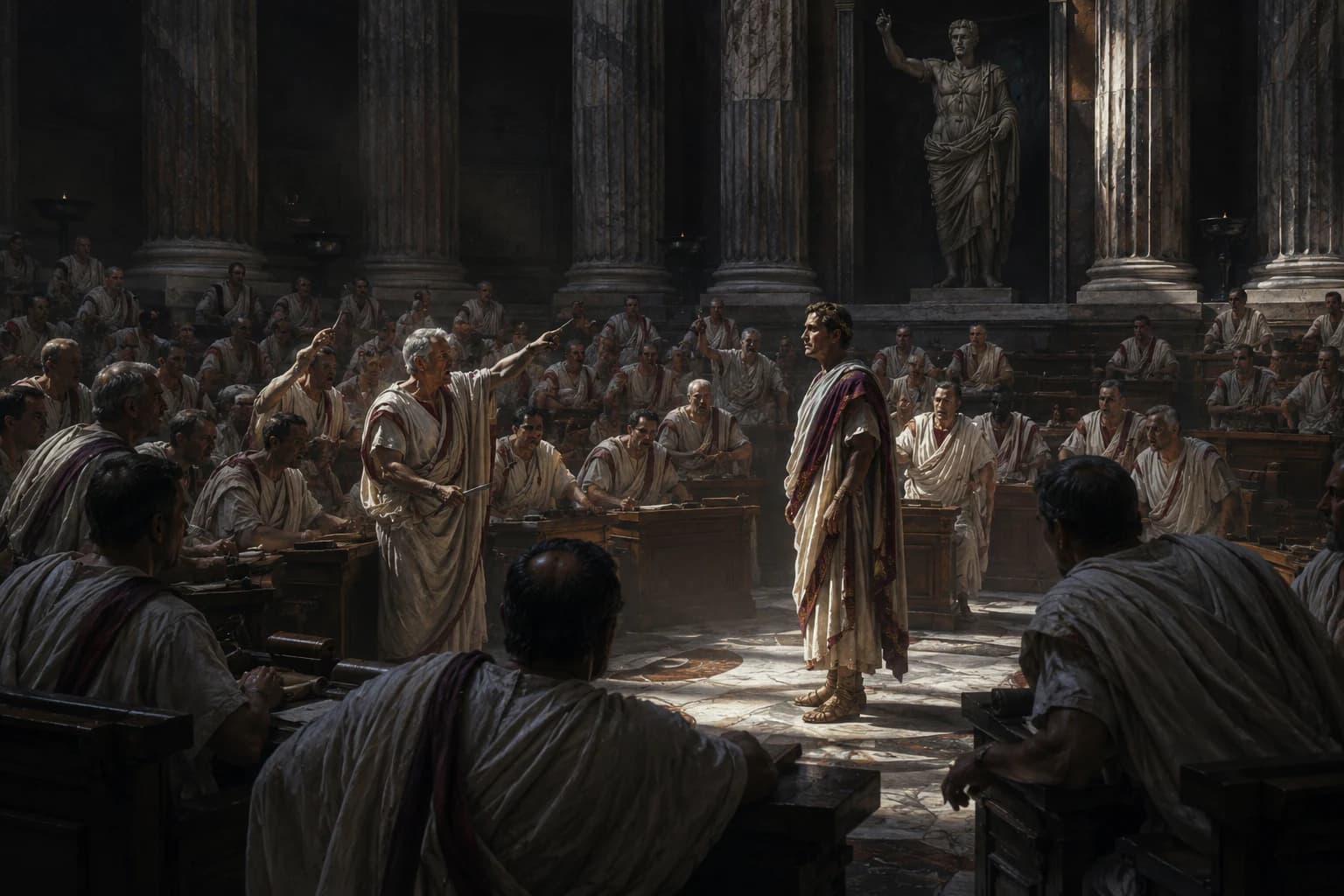
Octavius' veto created the crisis. Tiberius argued that a tribune who opposed the people's welfare had betrayed his office and could be deposed by the people. The assembly removed Octavius, and the bill passed. This was the point at which reform and constitutional rupture fused. Tiberius could claim democratic logic: the people were sovereign. His opponents could claim republican logic: sacred offices and vetoes could not be discarded when inconvenient. Both arguments had force. The tragedy was that Rome lacked a trusted mechanism to resolve the clash once each side decided the other was destroying the Republic.
Breaking norms for reform risked undermining the system itself.
-133
Escalating conflict
After King Attalus III of Pergamum left his kingdom to Rome, Tiberius proposed using the new wealth to support the land commission, bypassing senatorial control over finance and foreign affairs. Then he sought re-election as tribune for 132 BC, probably to preserve his person and programme from prosecution. To supporters, these moves were necessary because the Senate would strangle reform. To enemies, they looked like a bid for personal domination. In Roman political culture, fear of kingship was explosive. Tiberius may not have sought tyranny, but his methods allowed opponents to frame him as a man reaching beyond lawful limits.
Perception of intent can matter as much as actual policy in political conflict.
-133
Violent end
The violence that killed Tiberius was shocking because it came from the Republic's own guardians. When rumours spread that he was signalling for a crown, the consul refused to use force. Publius Cornelius Scipio Nasica, pontifex maximus and Tiberius' cousin, led senators and clients against the Gracchans. Tiberius and many followers were beaten to death; their bodies were thrown into the Tiber. No formal trial settled the matter. Political murder had entered the centre of republican life. The precedent was poisonous: if opponents could be cast as tyrants, violence could be described as saving liberty.
His death showed that political breakdown had crossed a critical threshold.
After -133
Lasting legacy
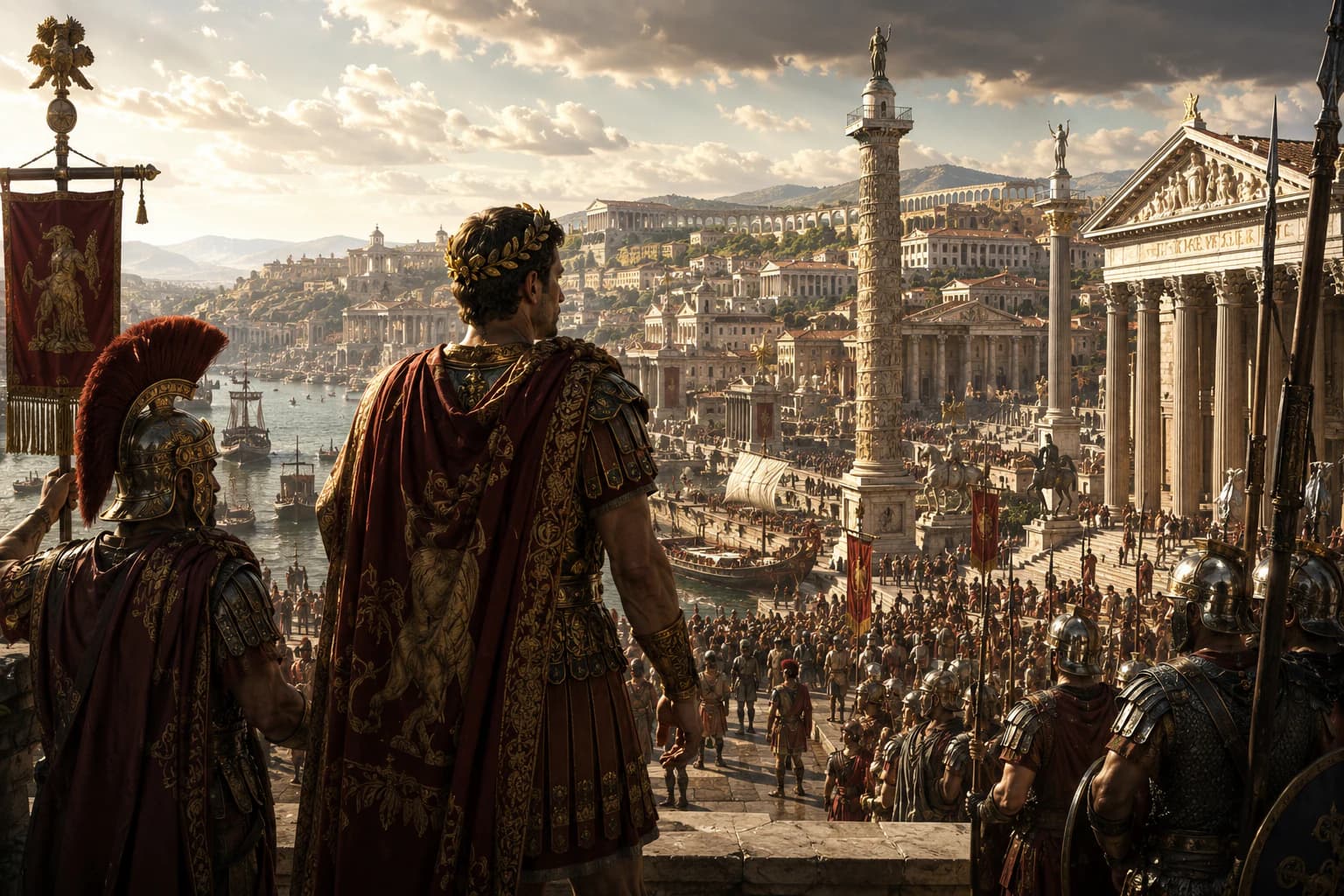
Tiberius did not destroy the Republic alone, and his land question was not imaginary. But his tribunate exposed weaknesses that never fully healed: inequality, senatorial rigidity, popular sovereignty, personal charisma, procedural escalation and political violence. His brother Gaius would later pursue an even broader reform programme and meet a similar fate. Later populares and optimates fought in the shadow of the Gracchi, each claiming to defend the Republic against the other's corruption. Tiberius matters because his career showed that Rome's empire had outgrown its old habits of compromise. Reform was necessary; the methods chosen to achieve or stop it made the Republic more fragile.
His impact lay not only in his reforms, but in how he changed the rules of political struggle.