People

Scipio Africanus

Scipio Africanus was the Roman general who defeated Hannibal at the Battle of Zama in 202 BCE. His campaigns in Spain and North Africa ended the Second Punic War and accelerated Rome's Mediterranean rise.

Born
236 BCE
Died
183 BCE
Role
Roman general

Roman general (236 BC–183 BC)

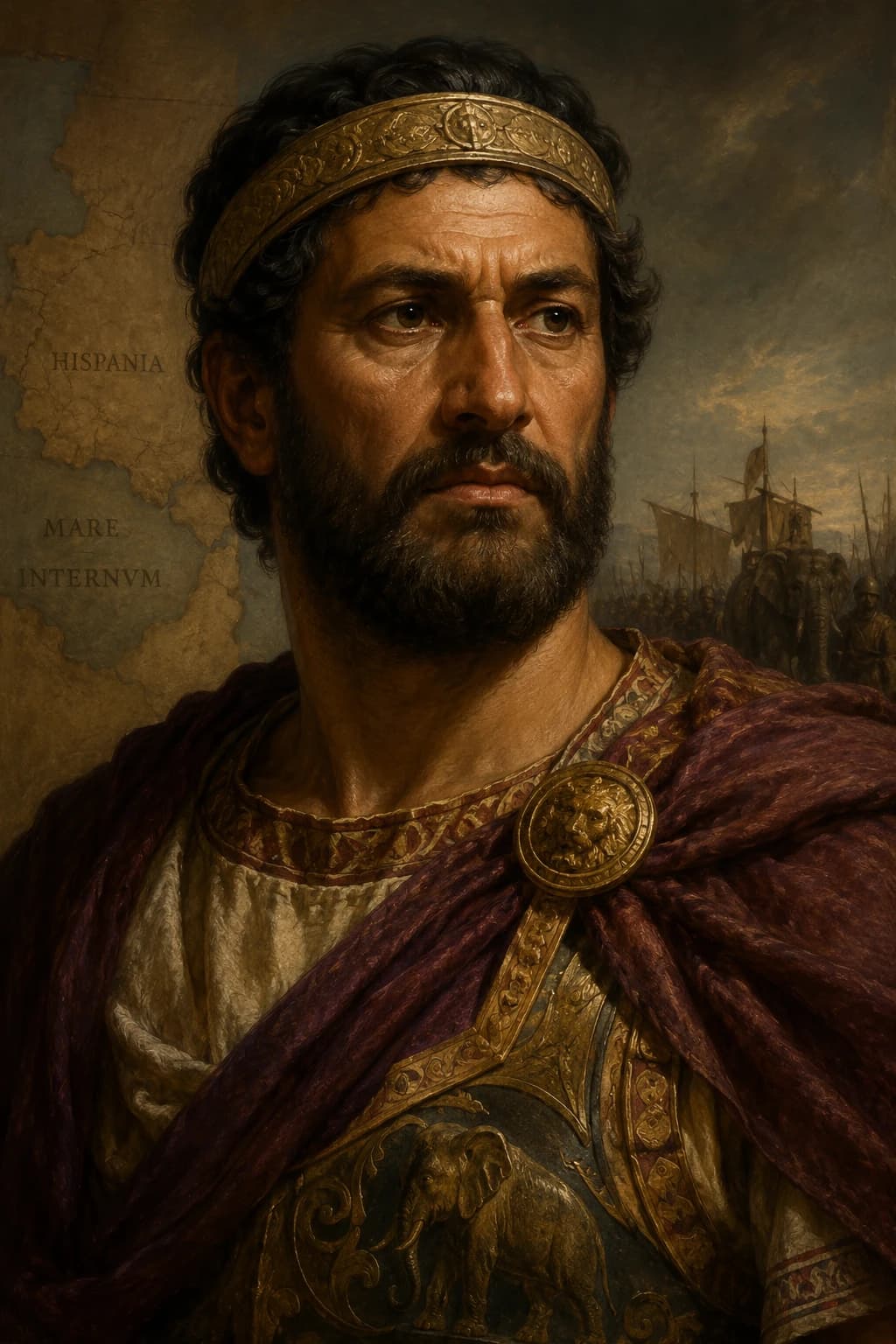
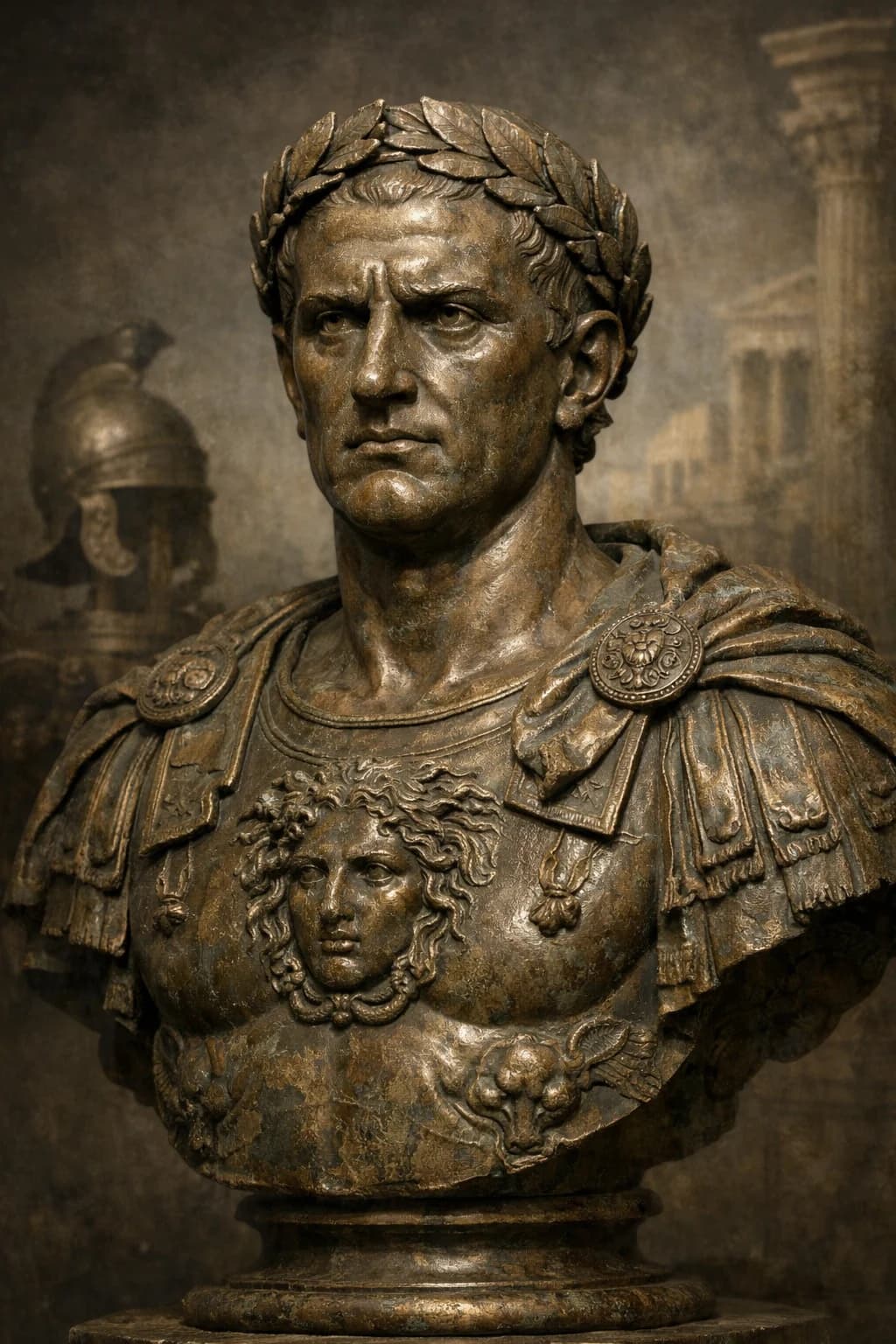
AI-generated portrait of Scipio Africanus in Roman military armour
AI-assisted historical reconstruction

An illustrative reconstruction based on historical context. It is not a photograph or documentary likeness. Image policy

Quick answer

Scipio Africanus was the Roman general who defeated Hannibal at the Battle of Zama in 202 BCE. His campaigns in Spain and North Africa ended the Second Punic War and accelerated Rome's Mediterranean rise.

Born
236 BCE
Died
183 BCE
Role
Roman general
Years
236-183 BCE
Facts

Scipio Africanus timeline facts

Selected specifics from this profile's life story.

-236
Noble beginnings

Publius Cornelius Scipio was born into one of Rome's great patrician families in 236 BCE, as rivalry with Carthage was becoming the central struggle of the western Mediterranean.

-209
Capture of Carthago Nova

Scipio captured Carthago Nova in 209 BCE with a daring amphibious and land assault, seizing Carthage's main Spanish base, treasury, hostages, and supplies.

-202
Battle of Zama

At Zama in 202 BCE, Scipio defeated Hannibal by neutralising elephants, using flexible infantry lanes, and relying on superior Numidian cavalry.

-183
Enduring legacy

Scipio died around 183 BCE, the same approximate year as Hannibal, leaving a legacy as Rome's most elegant strategist and the architect of victory over Carthage.

Life Journey

From young survivor to architect of victory

Follow the story in a more continuous narrative, with a reading mode that matches how much depth you want.

Complete chronology

-236

Noble beginnings

Scipio Africanus was born into the Cornelii Scipiones, a family for whom military command and public office were almost hereditary expectations. That background gave him access to Rome's governing elite, but it also placed him in the path of catastrophe. The Second Punic War began when he was still young, and Hannibal's invasion of Italy turned aristocratic expectation into national emergency. Scipio grew up in a republic where honour was earned through service, but he came of age watching Rome's normal methods fail against a commander of extraordinary imagination. His greatness would lie in learning from that failure faster than many of his elders.
-218

Battlefield youth

Scipio's early war was an education in Roman vulnerability. Ancient accounts place him at Ticinus, where he helped save his wounded father, and at Cannae in 216 BCE, where Hannibal destroyed a massive Roman army through encirclement. Cannae was not simply a defeat; it was a trauma that forced Rome to reconsider how survival worked. Many states would have negotiated after such losses. Rome refused. Scipio absorbed two lessons that shaped his later command: Hannibal could not be beaten by predictable frontal confidence, and Carthage's wider war machine could be attacked away from Italy. His imagination was formed by disaster rather than comfort.

-210

Command in Spain

Hispania was essential to Carthage: a source of silver, manpower, bases, and strategic depth. After Roman commanders were killed there, the assignment was dangerous enough that few established leaders wanted it. Scipio, still short of the normal age for high command, offered himself and won the people's support. His Spanish command revealed the traits that made him exceptional. He gathered intelligence, cultivated local allies, moved quickly, and understood that defeating Carthage required attacking the system that fed Hannibal's war. Spain turned him from survivor into strategist.

-209

Capture of Carthago Nova

The capture of Carthago Nova was the signature operation of Scipio's Spanish campaign. Rather than grind through a long siege, he exploited geography, tide conditions, and surprise, attacking the city from multiple directions and using a lagoon approach the defenders thought secure. The prize was immense: weapons, money, ships, stores, and noble hostages whose careful treatment helped him win Iberian support. The victory showed that Scipio could combine audacity with political intelligence. He did not merely take a city. He shattered the aura of Carthaginian control in Spain and began converting local relationships to Rome's advantage.

-208 to -206

Securing Hispania

Scipio did not win Spain in one stroke. At Baecula in 208 BCE he defeated Hasdrubal Barca, though Hasdrubal still escaped toward Italy. At Ilipa in 206 BCE, Scipio delivered the decisive blow, using deception, flexible deployment, and disciplined timing to defeat a larger Carthaginian force. The result was strategic transformation. Carthage lost its Spanish base, Rome gained resources and prestige, and Hannibal's position in Italy became more isolated. Scipio also showed that he could manage alliances after victory, an essential skill in a region where Roman domination was still new. His Spanish success made the invasion of Africa thinkable.

-204

Invasion of Africa

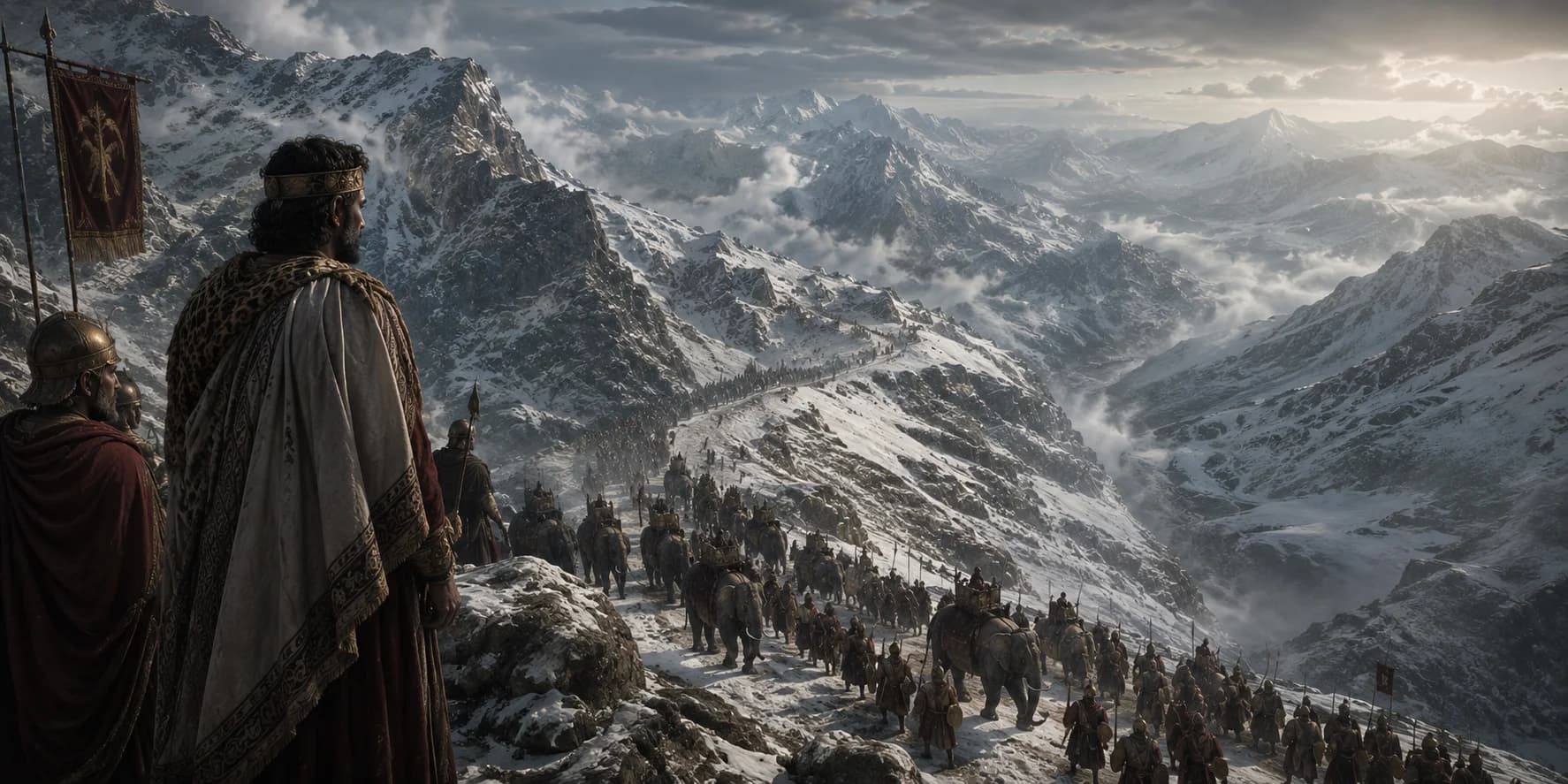
Scipio's African strategy was controversial because Hannibal was still in Italy. Older senators, including Fabius Maximus, feared reckless overreach. Scipio argued that Rome could stop reacting to Hannibal only by threatening Carthage itself. In Africa he allied with the Numidian prince Masinissa, whose cavalry would prove decisive, and defeated Carthaginian and Numidian opponents before Carthage recalled Hannibal. The brilliance of the plan was psychological as well as military. For more than a decade Rome had endured Hannibal's initiative. Scipio forced Carthage to defend its own homeland and made Hannibal respond to him.

-202

Battle of Zama

Zama was the meeting Rome had feared and needed: Scipio against Hannibal. Scipio arranged his infantry to create channels for Carthaginian elephants, reducing their shock value, while Masinissa and Laelius drove off the opposing cavalry. The infantry battle was hard, especially against Hannibal's veterans, but the return of the Roman and Numidian cavalry broke Carthaginian resistance. The victory ended the Second Punic War and gave Scipio the honorific Africanus. Its consequences were enormous. Carthage survived but was strategically crippled; Rome emerged as the dominant western Mediterranean power; and Scipio became the man who had defeated the general who had once seemed unbeatable.

-199 to -184

Political struggles

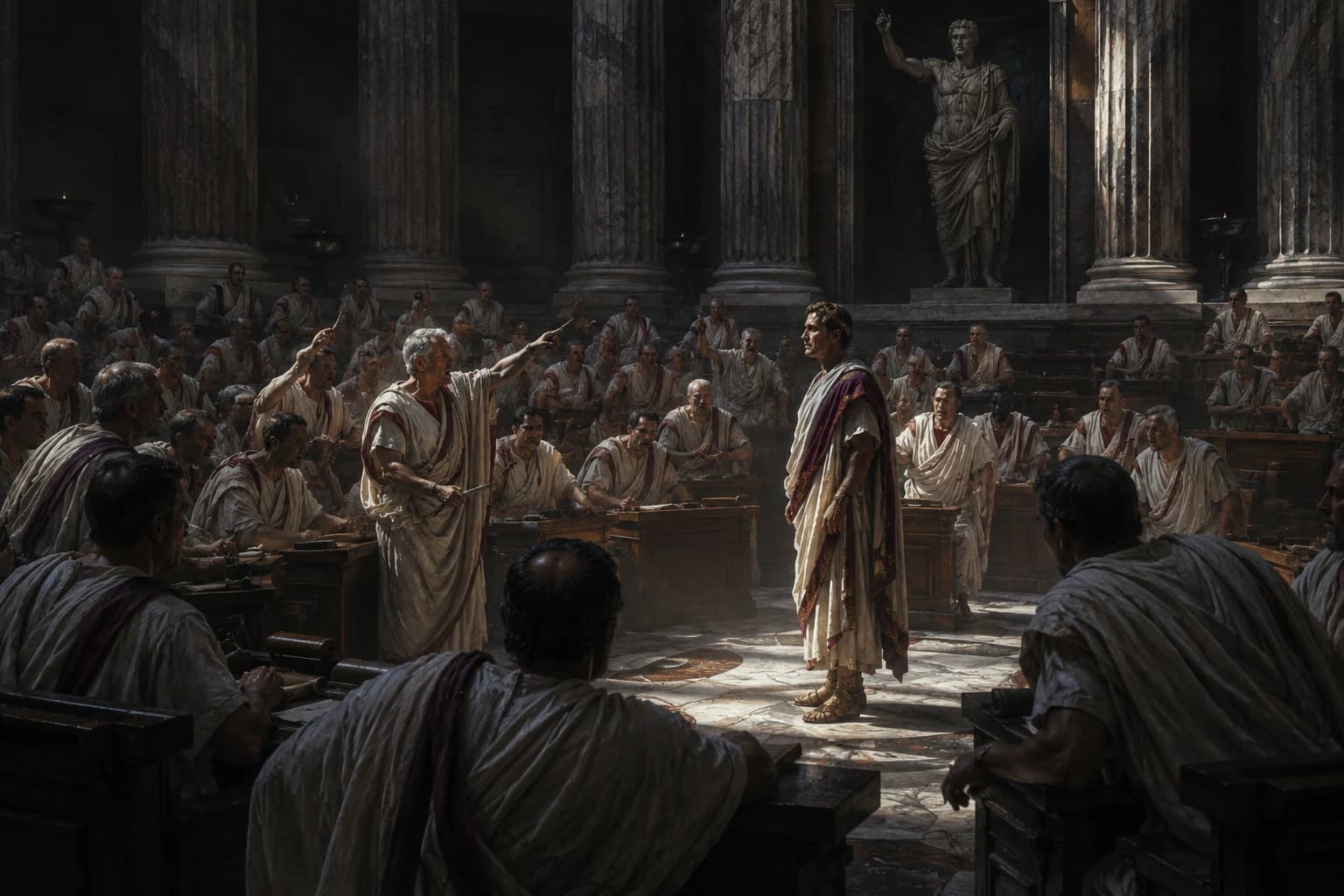
Scipio's later career exposed a central Roman anxiety: the Republic needed great commanders but feared men whose glory might overshadow the state. He helped in the war against Antiochus III of the Seleucid Empire, where his brother Lucius commanded and gained the title Asiaticus, but accusations over money and accountability followed. Political opponents, often associated with the stern moralism of Cato the Elder, attacked the Scipionic circle. Scipio withdrew to Liternum, reportedly bitter at Roman ingratitude. Whether every anecdote is reliable or not, the pattern is clear. The man who saved Rome from Hannibal could not escape Rome's suspicion of exceptional individuals.

-183

Enduring legacy

Scipio Africanus died away from the centre of power, but his historical importance is difficult to overstate. He did not merely win one battle. He changed Rome's strategic posture from endurance to initiative, from absorbing Hannibal's blows to attacking Carthage's foundations. His campaigns in Spain and Africa helped create the conditions for Rome's rise from Italian power to Mediterranean empire. Ancient writers admired his self-command, magnanimity, and almost theatrical sense of destiny, though some details belong to legend. His life also foreshadows a later Roman problem: commanders whose victories made them larger than the Republic's political habits could comfortably contain.

Continue in context

Connected stories

Move from the profile into the wider events and settings this figure belongs to.

Tertiary paths

Content note

This profile is written for educational use and connects to related Stories of History pages. The main portrait is an AI-assisted historical reconstruction, included as an illustrative aid rather than documentary evidence. Image policy

References

Sources & Further Reading

Reliable reference works, archives and reading paths connected to this profile.

Further reading

  1. Encyclopaedia Britannica, Search results for Scipio Africanus,” accessed June 2026.Open source
  2. WorldCat, Books and library holdings for Scipio Africanus,” accessed June 2026.Open source

Primary sources

  1. Library of Congress, Search results for Scipio Africanus,” accessed June 2026.Open source

Reviewed claim sources

Loading reviewed claim sources...

A weekly route through history

Find out first about the latest published stories, feature notes and occasional Premium offers in one weekly email.