Complete chronology
Full overview and deeper context for every journey step.
9th century
Varangian-Rus world
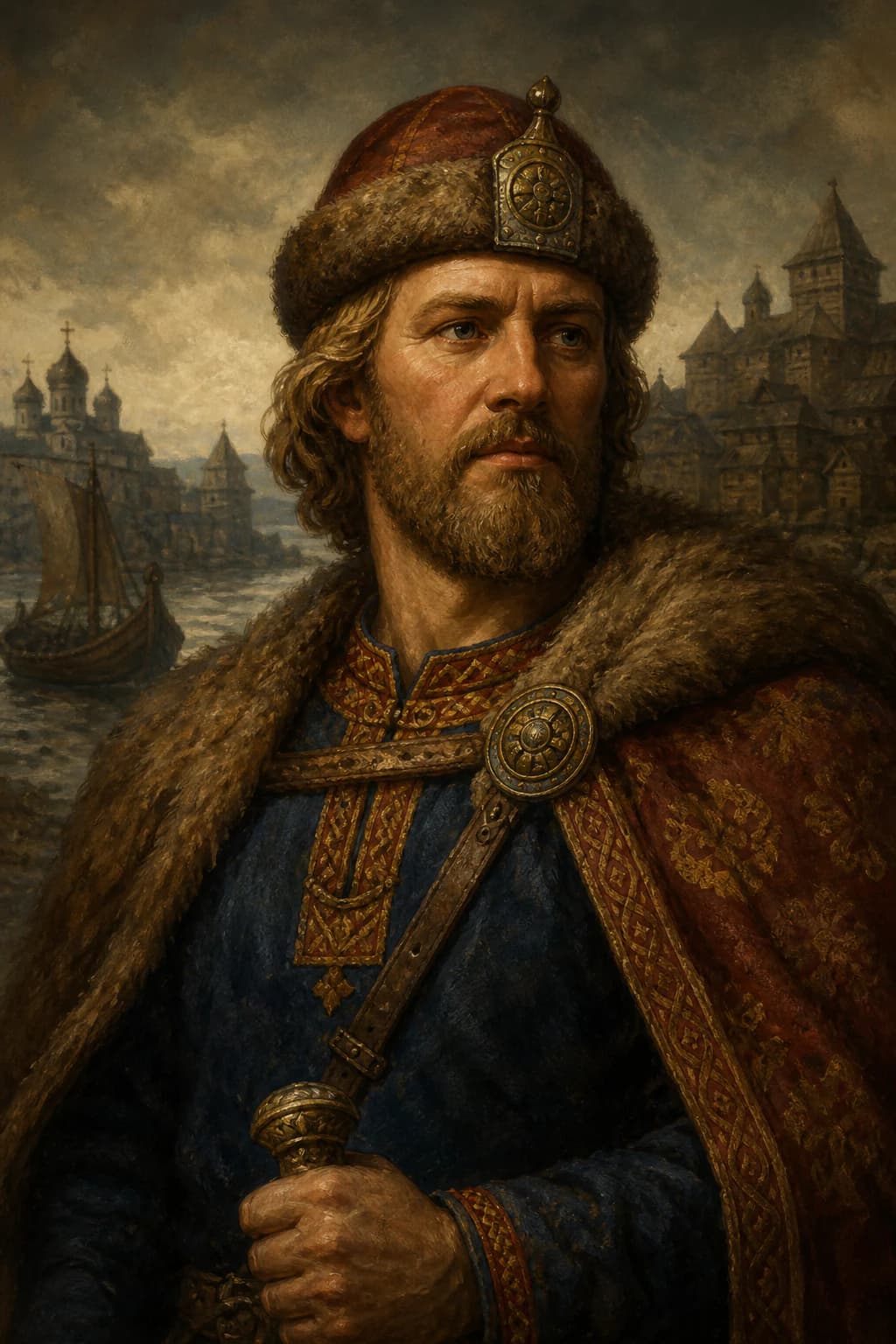
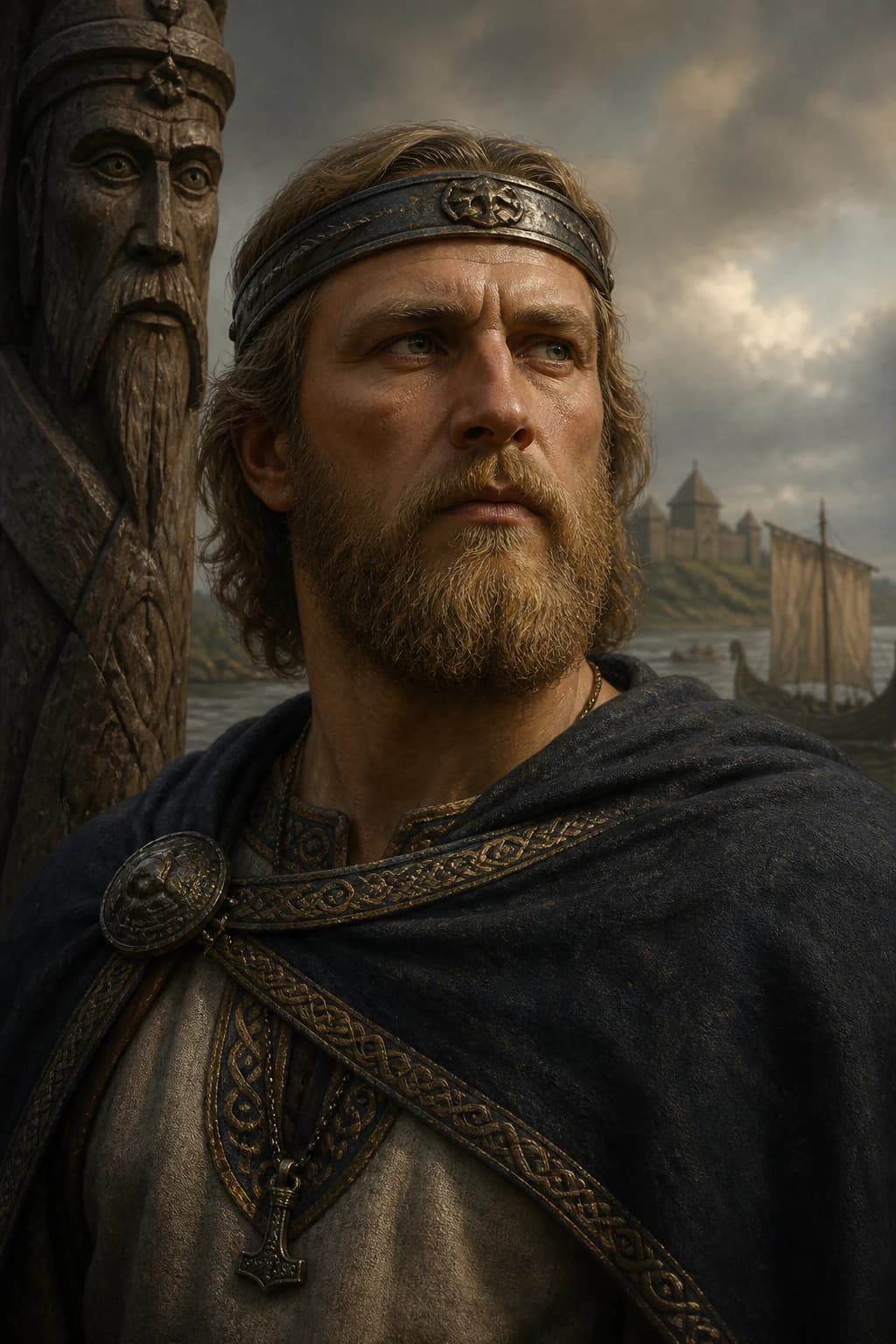
Oleg of Novgorod, often called Oleg the Wise in later tradition, belongs to the generation that transformed Rus power from a northern base into a force centred on Kiev. His origins are uncertain. The Primary Chronicle presents him as Rurik's kinsman or trusted associate and as guardian of Rurik's young son Igor. His name is often connected with the Old Norse Helgi, reflecting the Scandinavian element in early Rus leadership. Oleg's world was not divided neatly between trader and warrior. Authority came from controlling boats, tribute, fortresses, followers, and access to the route south toward Byzantium. He inherited or seized a position in the north, but his significance came from understanding that the future of Rus power lay downriver.
Oleg's career shows how early Rus leadership depended on mobility as much as territory.
882
Taking Kiev
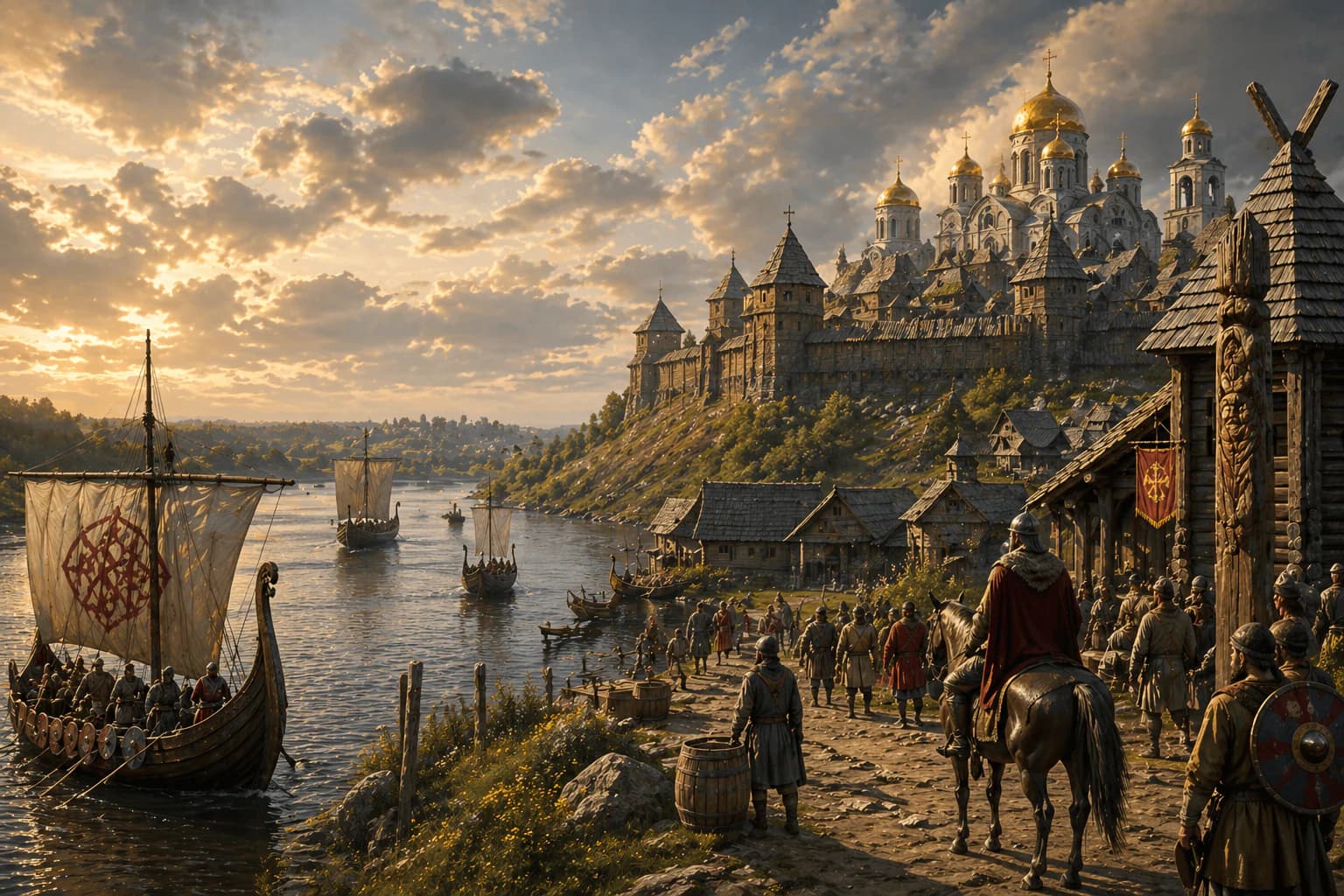
The central act of Oleg's career was the seizure of Kiev in 882. According to the chronicle, he travelled south with Igor, lured the rulers Askold and Dir out under false pretences, denounced them as men without princely lineage, and killed them. The episode is dramatic and politically loaded: it presents Oleg as both strategist and dynastic enforcer, claiming Kiev not merely by force but in the name of Rurik's line. Kiev's position made it far more than another settlement. It stood near the middle of the Dnieper route, with access to steppe peoples, Slavic tributaries, and the Black Sea road to Constantinople. By taking Kiev, Oleg shifted the centre of Rus gravity from the northern forest zone toward a city with imperial horizons.
The capture of Kiev turned control of trade routes into the outline of a state.
880s-900s
Building Kievan power
After taking Kiev, Oleg is remembered as consolidating authority over surrounding Slavic groups, including the Severians and Radimichs, and challenging Khazar influence over tribute. The details are preserved through a chronicle written much later, so precision is difficult, but the pattern is plausible. Early Rus power grew by drawing communities into tribute relations, protecting and exploiting trade routes, and using military pressure to secure loyalty. Oleg's achievement was not bureaucratic government. It was the creation of a wider political field in which Kiev could command resources from several directions. That made possible larger campaigns, richer diplomacy, and a more visible role in the politics of the Black Sea world.
Kiev's rise depended on tribute and trade before it depended on formal institutions.
907-911
Byzantine campaign
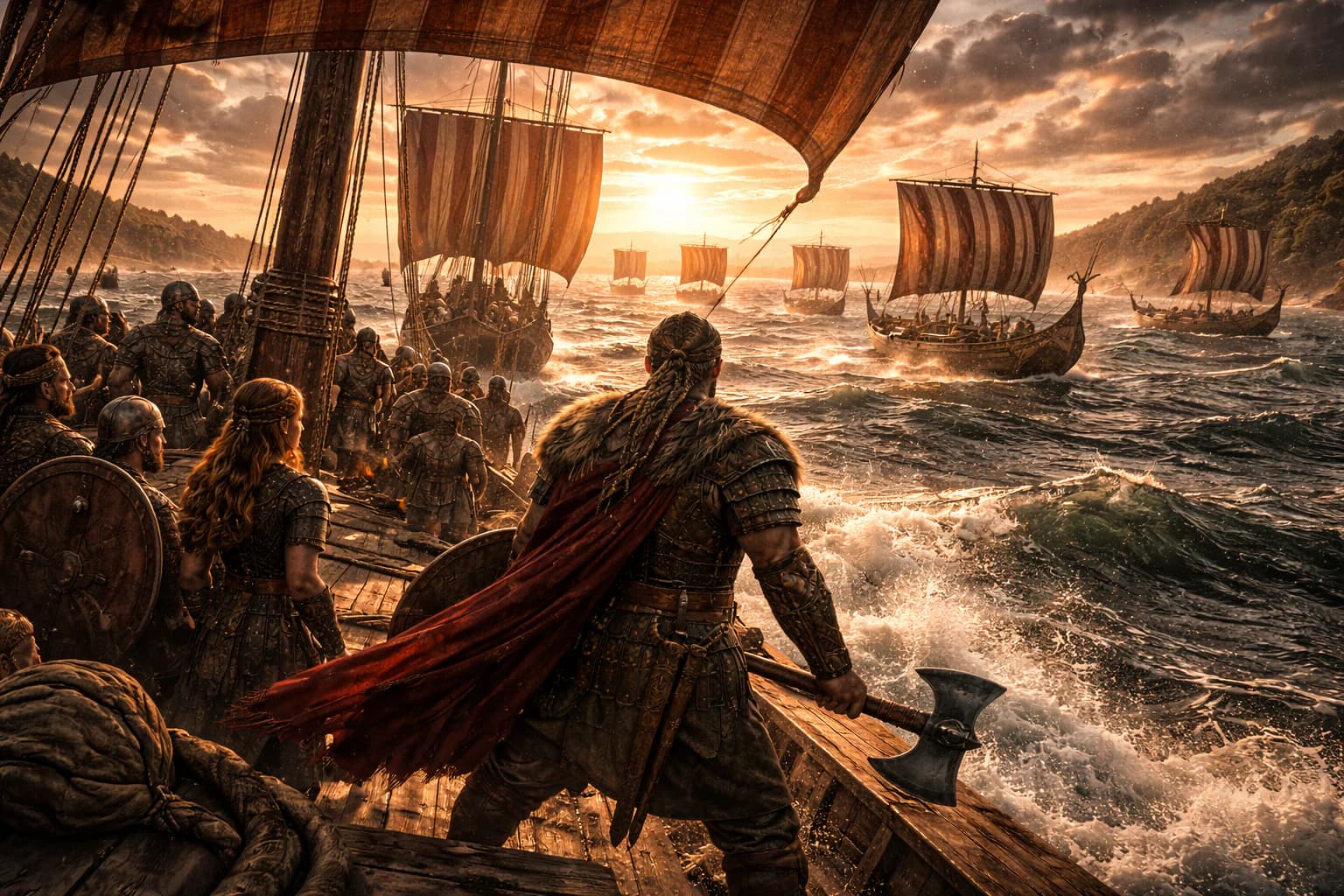
The chronicle gives Oleg a spectacular campaign against Constantinople in 907, complete with ships dragged on wheels and a shield nailed to the city gates. Historians treat parts of this account as legendary, but the treaty associated with 911 is a more concrete sign of Rus-Byzantine relations. The treaty regulated trade, legal responsibility, compensation, shipwrecks, and the treatment of Rus merchants in Constantinople. Whether Oleg personally led every action attributed to him, the tradition captures a real development: Kiev had become powerful enough to negotiate with the greatest empire in the region. For Rus elites, access to Byzantine markets meant wealth, prestige, and a model of imperial culture that later rulers would study, raid, imitate, and eventually join through Christianity.
The treaties with Byzantium show Rus moving from river power into international diplomacy.
912
Death and legend
Oleg's death is one of the most memorable legends in early Rus literature. Warned that his horse would cause his death, he avoided the animal, only to later visit its bones and be bitten by a snake emerging from the skull. The story is not reliable biography, but it reveals the kind of ruler later tradition wanted Oleg to be: formidable, clever, touched by fate, and impossible to reduce to ordinary politics. His historical importance does not depend on the prophecy. It rests on the durable shift he made by attaching Kiev to the Rurikid line and opening the age of Kievan Rus as a major power between the Baltic, the steppe, and Byzantium.
Oleg's legend survived because his political achievement gave later storytellers a ruler large enough for myth.