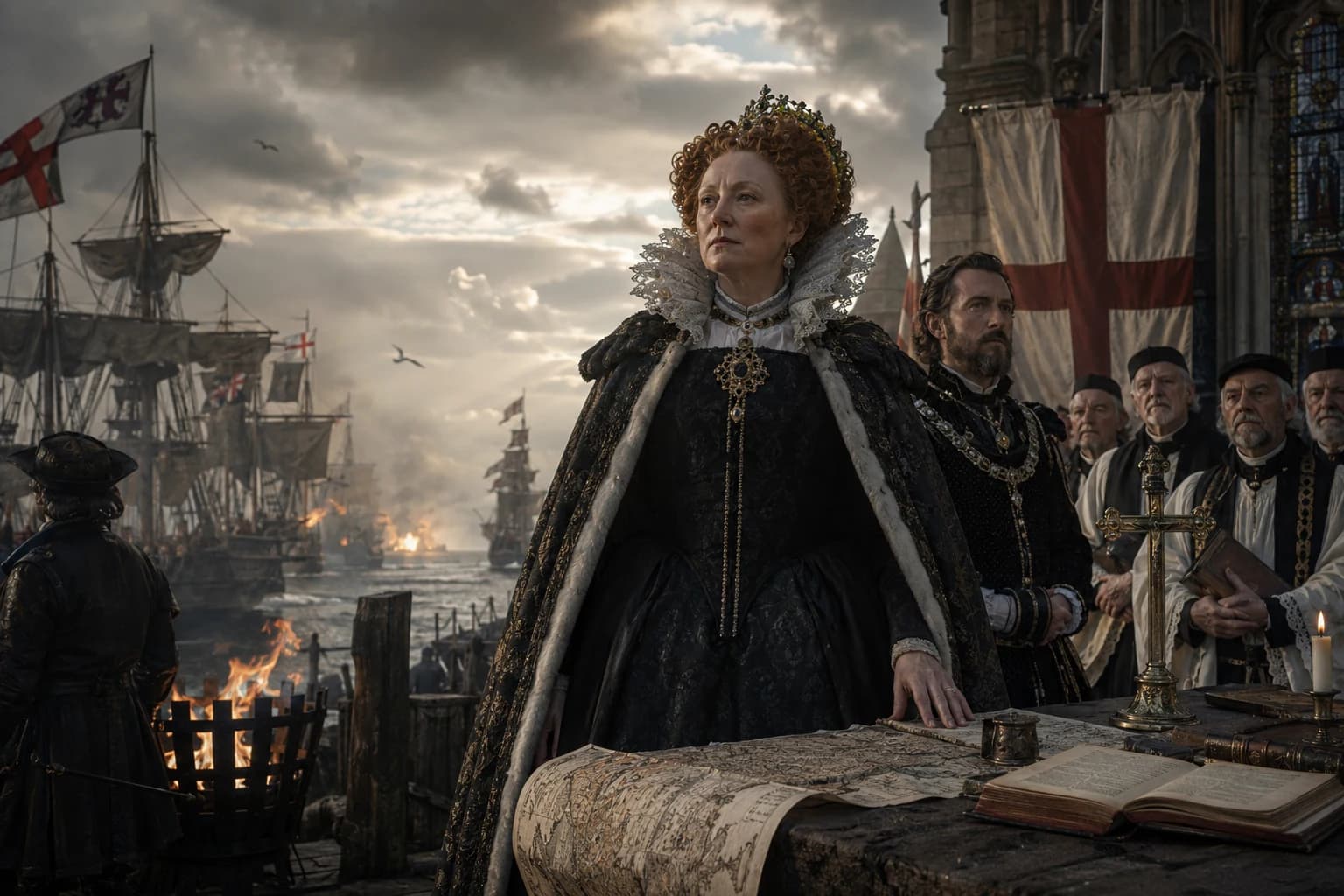
1542
Queen at six days old
Mary Stuart was born at Linlithgow Palace on December 8, 1542. Six days later her father, James V of Scotland, died, leaving her Queen of Scots as an infant.
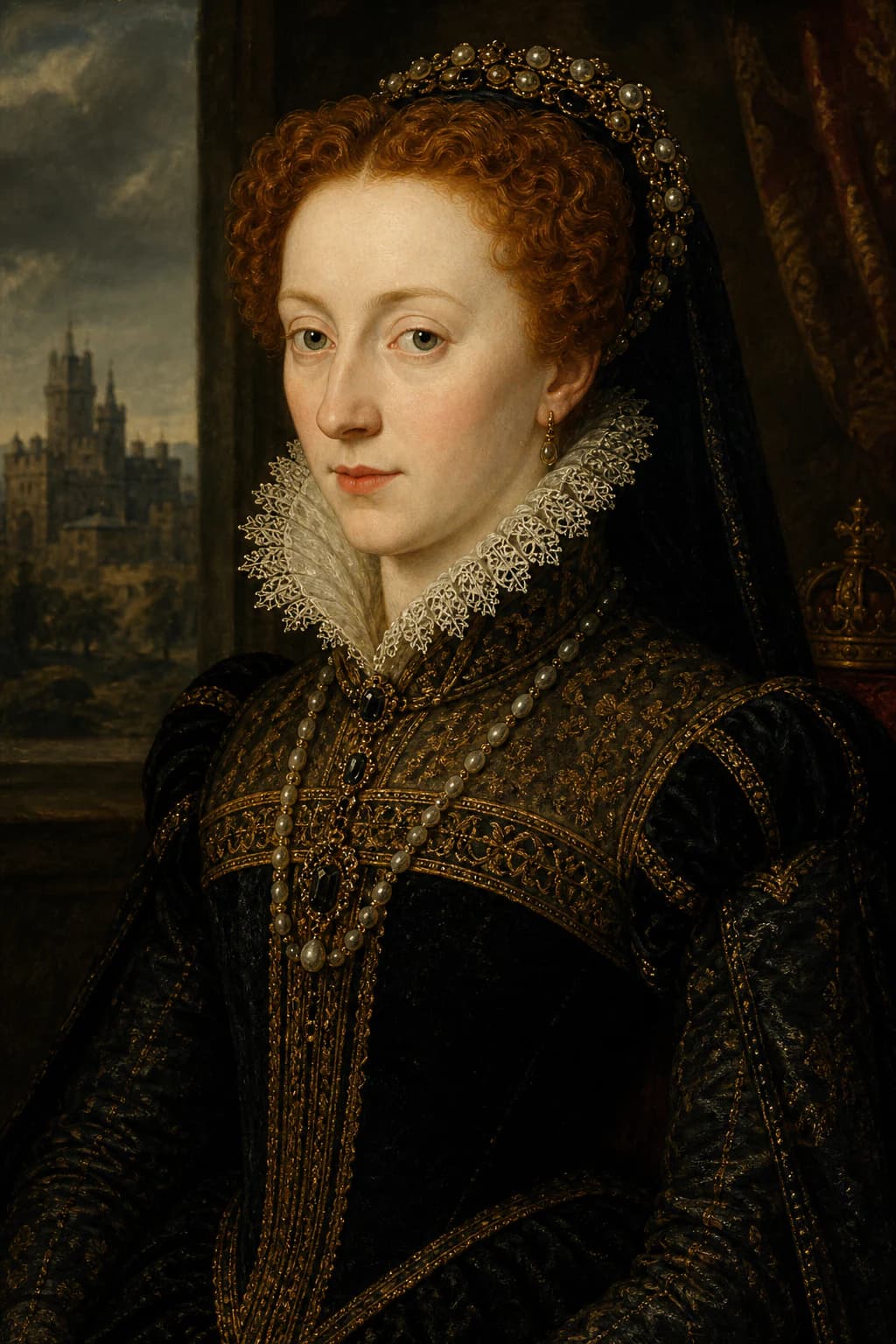
Mary Queen of Scots, also known as Mary Stuart, was Queen of Scotland from 1542 to 1567 and queen consort of France from 1559 to 1560. A Catholic claimant to the English succession, she became the imprisoned rival of Elizabeth I, was implicated in plots against the English crown, and was executed at Fotheringhay Castle in 1587.
Queen of Scots and queen consort of France (1542-1587)
Additional identity and tagging details that are not already covered in the introduction.
Selected specifics from this profile's life story.
Mary Stuart was born at Linlithgow Palace on December 8, 1542. Six days later her father, James V of Scotland, died, leaving her Queen of Scots as an infant.
When Francis II became king in 1559, Mary became queen consort of France. His death in December 1560 ended her French queenship and forced a return to Scotland.
Scottish nobles rebelled against Mary, imprisoned her at Lochleven, forced her abdication in favour of her infant son James VI, and defeated her attempted comeback at Langside.
In 1586, Walsingham's intelligence network intercepted letters linking Mary to the Babington Plot against Elizabeth. Mary was tried and executed at Fotheringhay Castle on February 8, 1587.
Follow the story in a more continuous narrative, with a reading mode that matches how much depth you want.
Mary Stuart was born at Linlithgow Palace on December 8, 1542. Six days later her father, James V of Scotland, died, leaving her Queen of Scots as an infant.
Mary was sent to France as a child and raised at the Valois court, where she was educated as the future wife of Francis, the French dauphin.
When Francis II became king in 1559, Mary became queen consort of France. His death in December 1560 ended her French queenship and forced a return to Scotland.
Mary returned to Scotland in 1561 and tried to govern a kingdom whose nobles, reformers and factions did not easily submit to royal authority.
Mary married Lord Darnley in 1565, gave birth to James in 1566, and was drawn into factional violence after the murder of David Riccio and then Darnley himself.
Scottish nobles rebelled against Mary, imprisoned her at Lochleven, forced her abdication in favour of her infant son James VI, and defeated her attempted comeback at Langside.
Mary spent nearly nineteen years in English captivity, moved between houses and castles while Catholic plots formed around her name.
In 1586, Walsingham's intelligence network intercepted letters linking Mary to the Babington Plot against Elizabeth. Mary was tried and executed at Fotheringhay Castle on February 8, 1587.
Move from the profile into the wider events and settings this figure belongs to.
This profile is written for educational use and connects to related Stories of History pages. Illustrations are original artistic interpretations.
Find out first about the latest published stories, feature notes and occasional Premium offers in one weekly email.