Complete chronology
Full overview and deeper context for every journey step.
1491
A second son
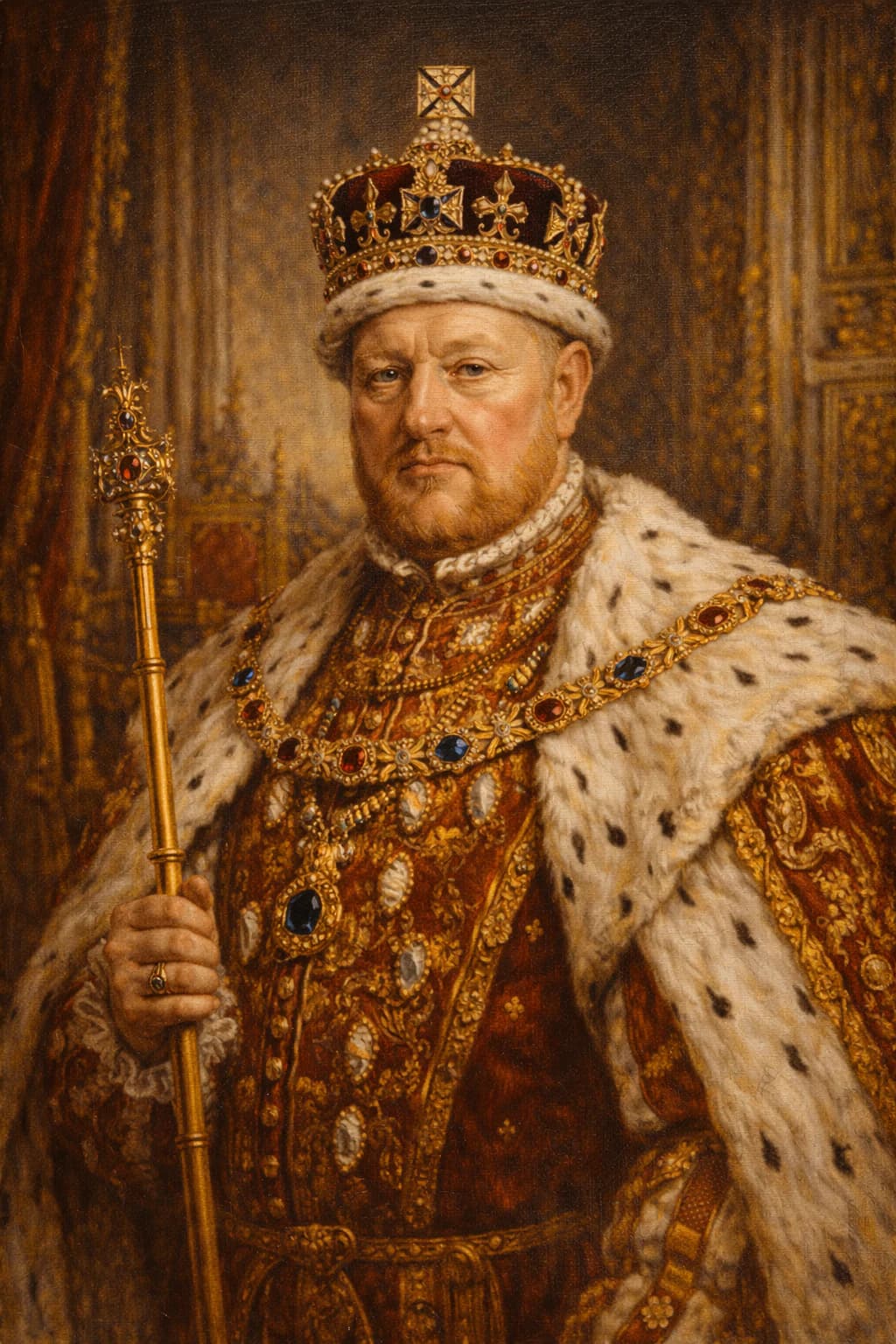
Henry VIII began life as the spare Tudor prince, not the heir. His older brother Arthur carried the dynasty's main hopes, while Henry received a rich humanist education that suited a cultivated Renaissance court. He learned Latin, French, music, theology, hunting, tournament culture, and the public performance of magnificence. That upbringing mattered because Henry never saw kingship as merely administrative. To him it was sacred, theatrical, masculine, learned, and glorious. The confidence of his youth later hardened into something more dangerous, but the early Henry was not a caricature. He was gifted, charming, physically impressive, and convinced that God and history had placed the Tudor dynasty at the centre of England's destiny.
Being unprepared for power can sometimes create a more versatile ruler.
1502
Heir to the throne
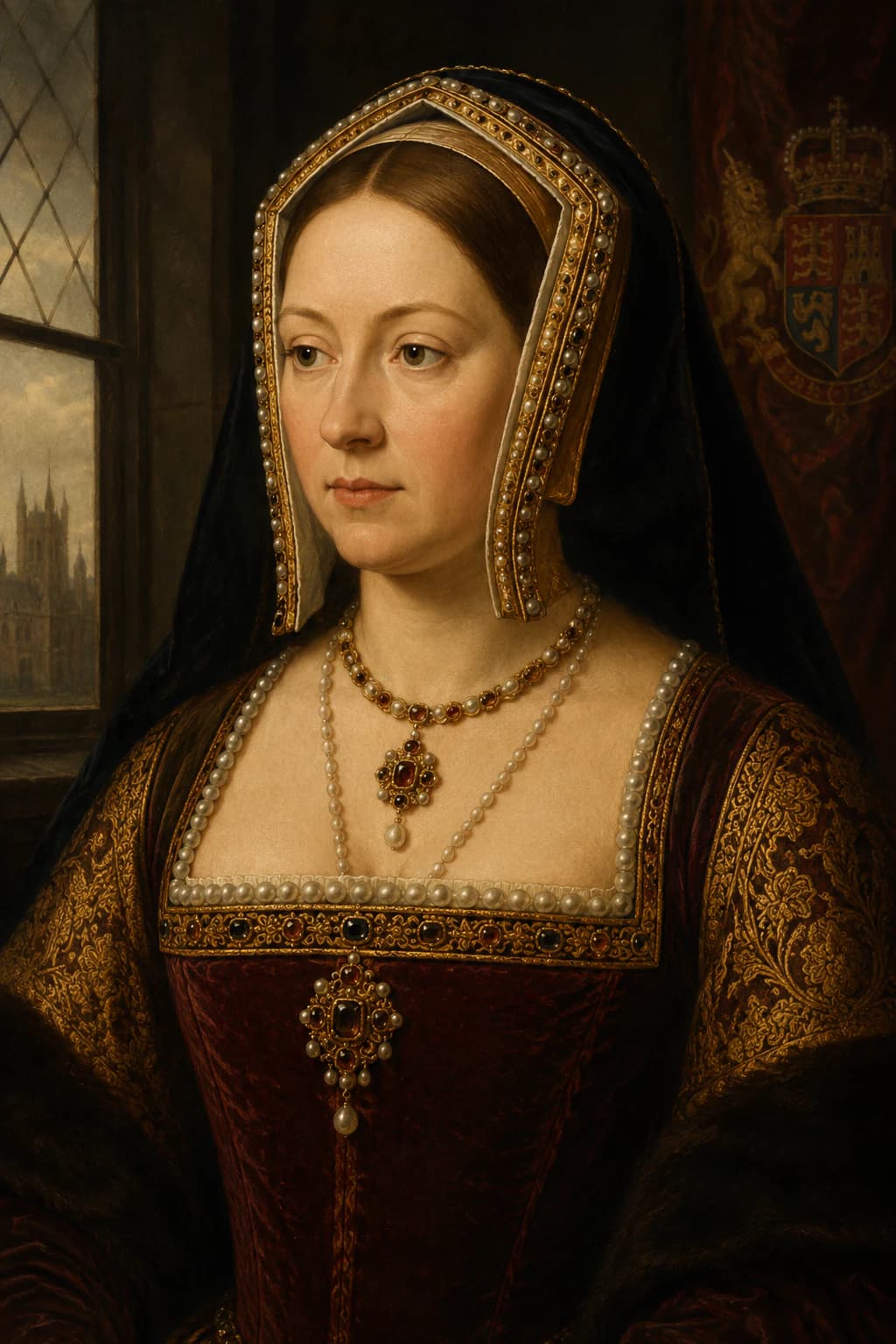
Arthur died in 1502 only months after marrying Catherine of Aragon, daughter of the Spanish monarchs Ferdinand and Isabella. Henry suddenly became Prince of Wales and the vessel of Tudor continuity. The question of Catherine's future became dynastic diplomacy. A papal dispensation allowed Henry eventually to marry his brother's widow, based on the claim that Arthur and Catherine's marriage had not been fully consummated or that the impediment could be overcome. That legal and theological detail would later become explosive. At the time, the marriage promised alliance, legitimacy, and continuity. Henry's path to kingship was therefore shaped from the start by the relationship he would later spend years trying to undo.
Sudden changes in position can redefine both identity and expectation.
1509
Young king
Henry's accession was greeted with optimism. He married Catherine of Aragon, executed his father's unpopular financial agents Empson and Dudley, and presented himself as generous where Henry VII had seemed calculating. His court glittered with tournaments, music, learning, and European ambition. Cardinal Thomas Wolsey became the indispensable minister who translated the king's appetite for glory into diplomacy, finance, and administration. Henry wanted to be taken seriously by France, Spain, the papacy, and the Holy Roman Empire, but England's resources limited what magnificence could achieve. Even in these early years the pattern was visible: Henry's desires were large, and the machinery of government had to stretch to serve them.
A strong early image can shape expectations that define an entire reign.
1520s
Quest for an heir
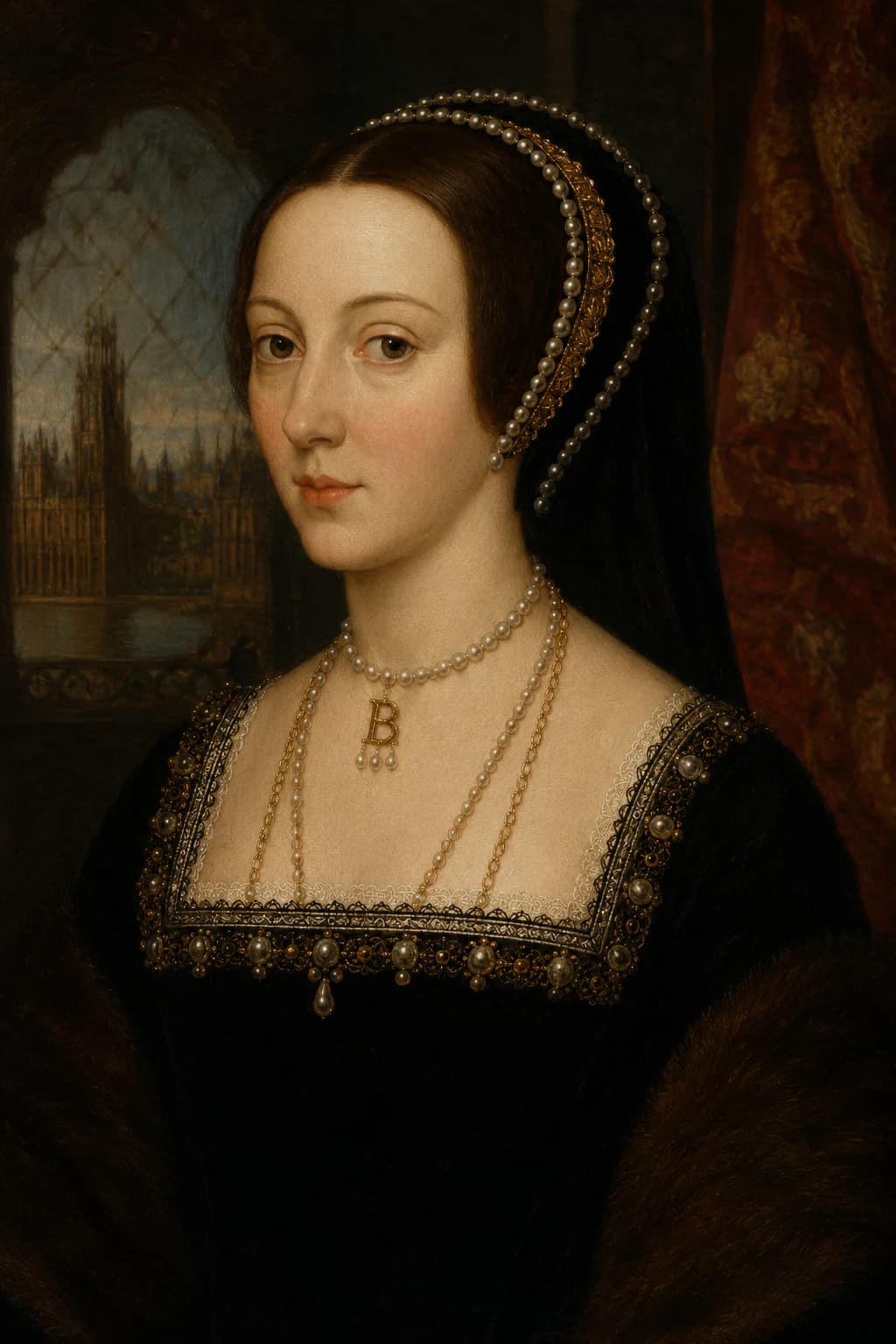
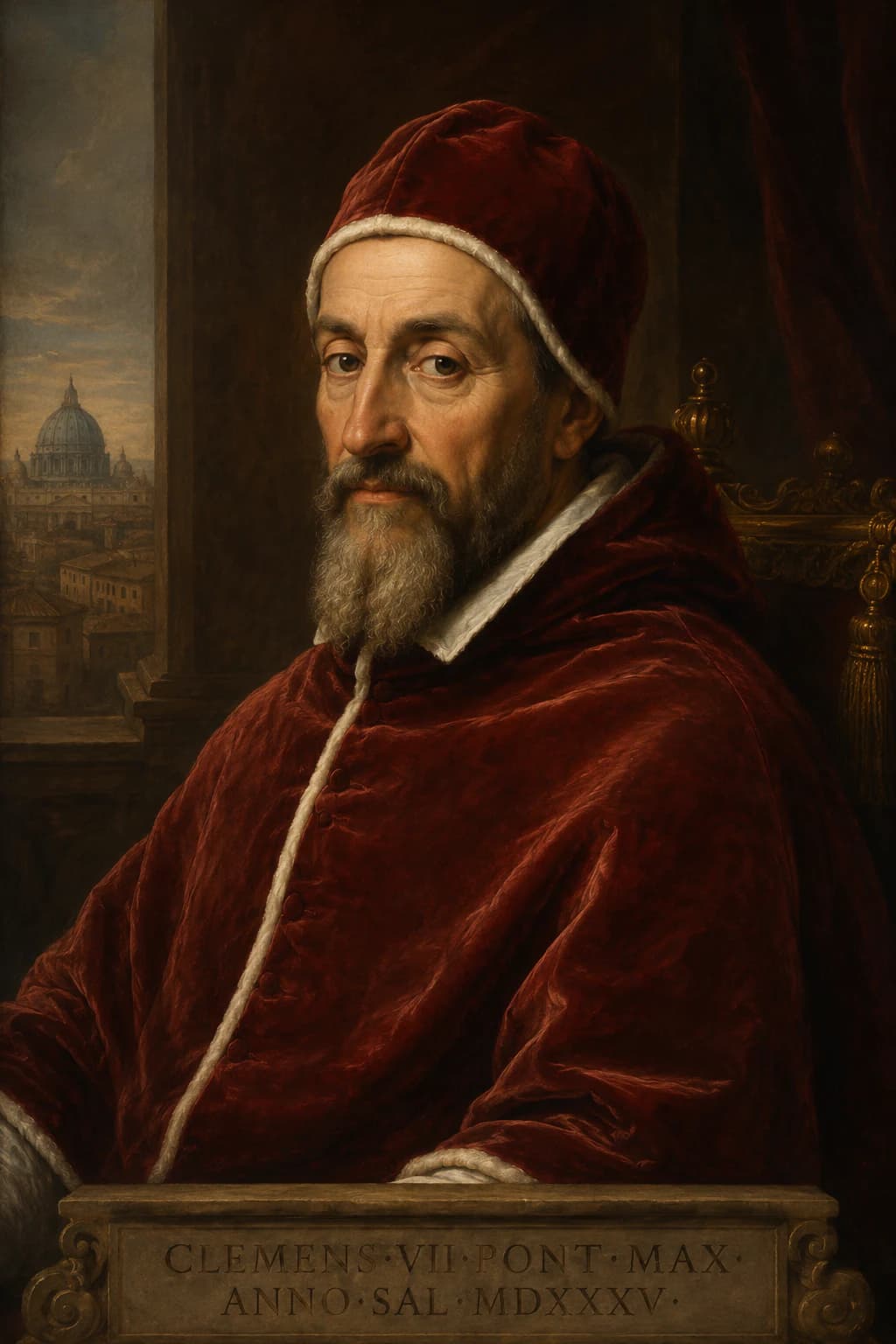
Henry and Catherine had one surviving child, Mary, but no living son. In a dynasty only one generation old and haunted by the Wars of the Roses, that mattered intensely. Henry came to believe his marriage violated biblical law because Catherine had been his brother's wife; Catherine insisted her marriage to Arthur had not been consummated and that her marriage to Henry was valid. Anne Boleyn's arrival sharpened the crisis, but it did not create all of it. Henry wanted desire, conscience, theology, and dynastic security to point in the same direction. The pope, constrained by law and by Catherine's powerful nephew Charles V, would not grant the annulment Henry required. A marital problem became a constitutional revolution.
Personal concerns of a ruler can trigger far-reaching political transformation.
1530s
Break with Rome
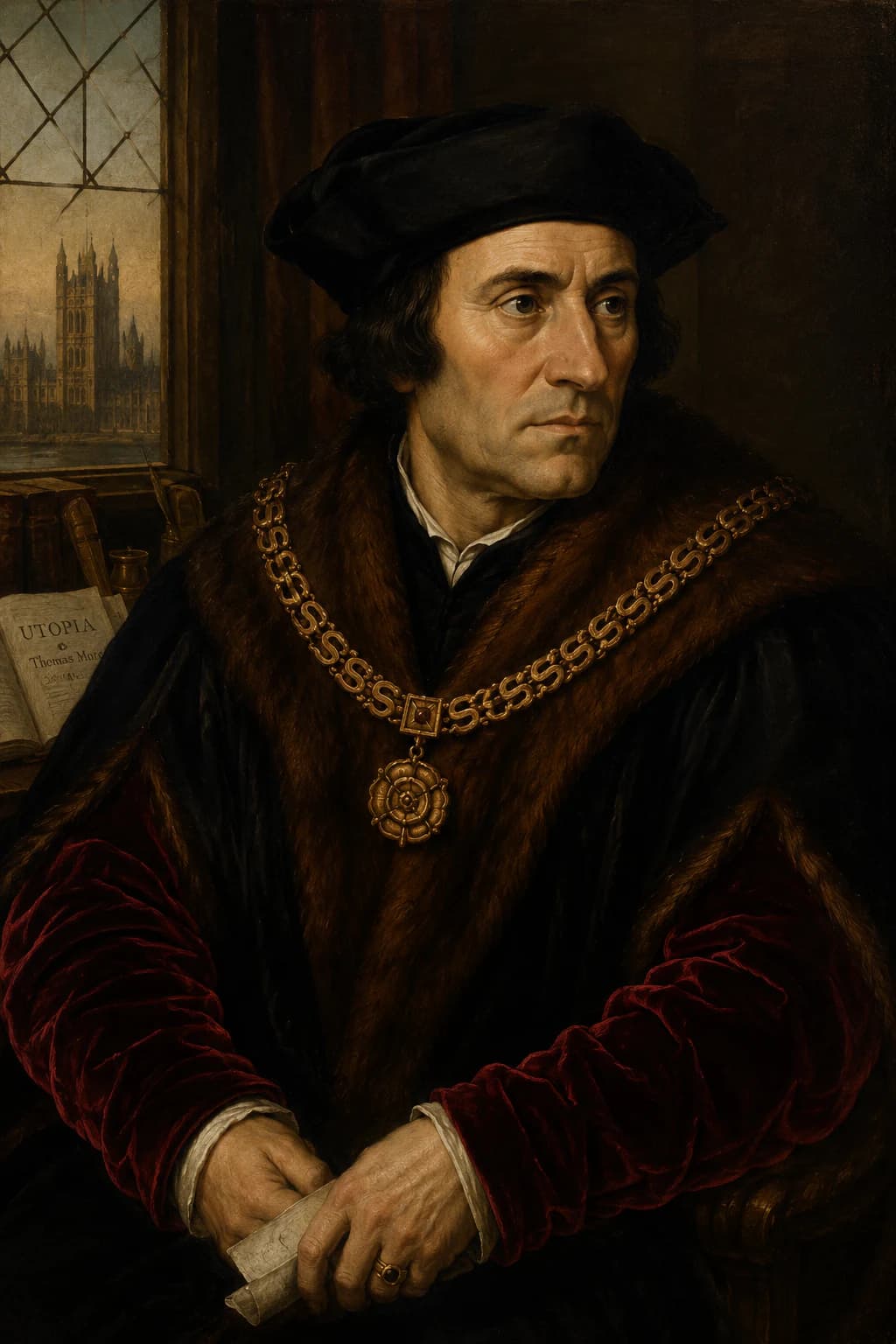
The break with Rome was a process of law, pressure, and intimidation rather than a single thunderbolt. Thomas Cromwell helped engineer parliamentary statutes that restricted appeals to Rome, transferred ecclesiastical authority to the crown, and required subjects to recognise the royal supremacy. Henry did not begin as a Protestant reformer; he had defended Catholic doctrine and continued to hold many traditional beliefs. Yet by making himself head of the church in England, he changed the location of religious authority permanently. Obedience to the king became a test not only of politics but of conscience. Those who refused, including Thomas More and John Fisher, paid with their lives.
Redefining authority can reshape both institutions and personal belief systems.
1530s–1540s
Dissolution of monasteries
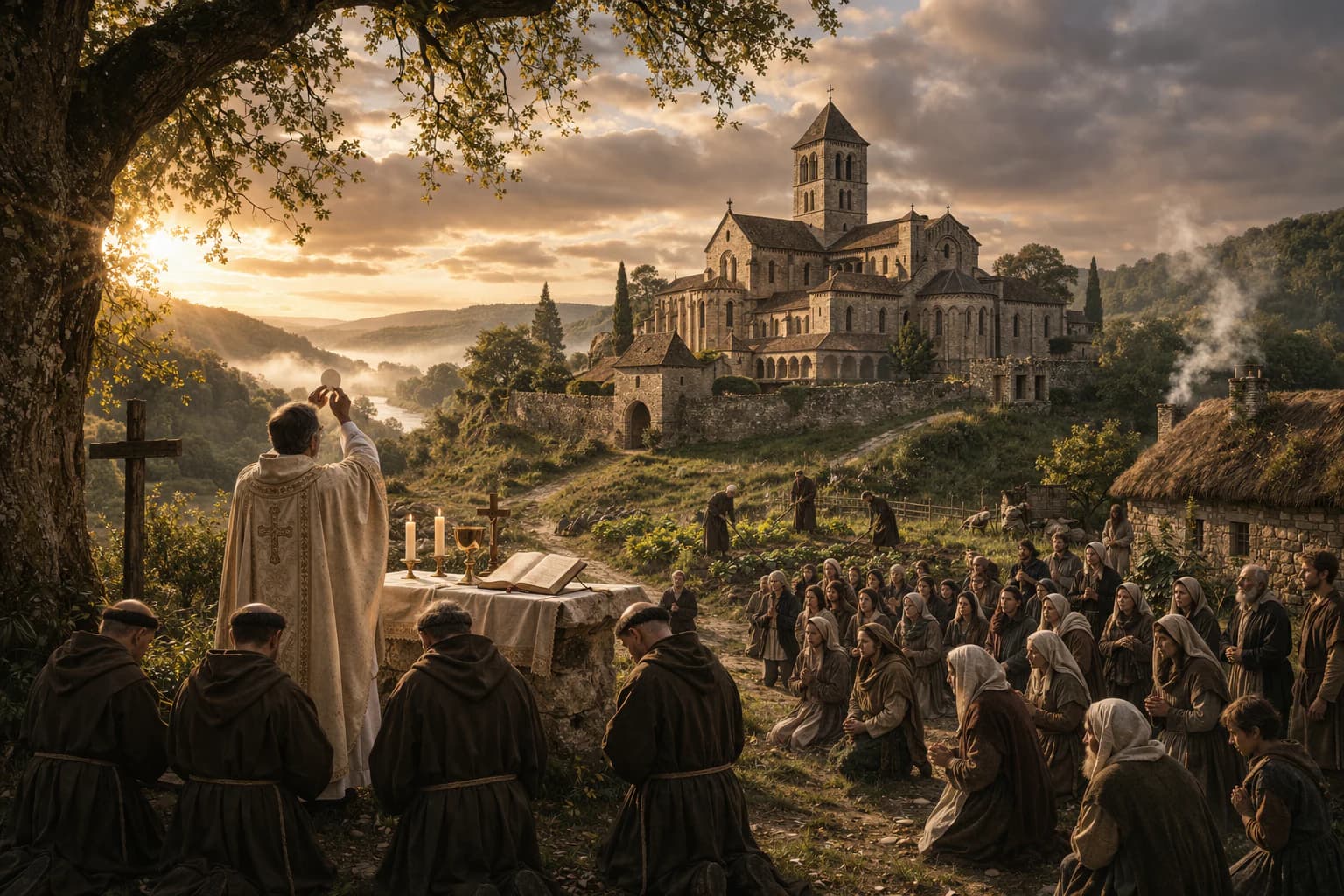
Between 1536 and 1540, England's monasteries, priories, and religious houses were closed. Official investigations portrayed them as corrupt and decayed, but the political and financial motives were unmistakable. Monastic lands enriched the crown and then passed widely into the hands of nobles, gentry, and speculators, binding many elites to the new order because their property now depended on it. The social effects were immense. Institutions that had offered hospitality, charity, employment, learning, and prayer disappeared or were repurposed. The dissolution made the Reformation tangible in every county. It also funded Henry's ambitions only temporarily; he spent much of the windfall on war and display.
Control over resources can be as transformative as control over belief.
1530s
Resistance and rebellion
Resistance to Henry's revolution was serious. The Pilgrimage of Grace in 1536 brought tens of thousands into movement across northern England, combining loyalty to traditional religion with anger at taxation, local grievances, and hostility toward Cromwell's policies. The rebels insisted they were loyal to the king while opposing the changes made in his name. Henry responded with promises, delay, and then punishment once the movement lost momentum. The episode showed that the royal supremacy was not accepted passively and that religious change reached into community identity, not just doctrine. Henry won, but he learned again that obedience had to be enforced as well as proclaimed.
Major reforms often meet resistance when they challenge deeply held traditions.
1540s
Later rule
The later Henry was heavier, ill, often in pain from a leg wound, and more dangerous to serve. Anne Boleyn was executed in 1536, Jane Seymour died after giving birth to Edward VI, Anne of Cleves was discarded, Catherine Howard was executed, and Catherine Parr survived him. Ministers rose and fell with terrifying speed: Wolsey died disgraced, More and Fisher were executed, Cromwell was destroyed, and the Howard and Seymour factions fought around the succession. Henry pursued costly wars against France and Scotland, debased the coinage, and left a kingdom religiously unsettled. Yet he also strengthened the reach of statute, council government, and royal authority. The personal monarchy became more bureaucratic even as the king himself became more unpredictable.
Long periods of power can shift a ruler’s style from confident to controlling.
post-1547
A transformed kingdom
Henry died in 1547 having transformed England more completely than he intended. He wanted dynastic security, obedience, and control; he produced a royal church, a redistributed landed order, a strengthened Parliament of statute, and a religious crisis that would continue under Edward VI, Mary I, and Elizabeth I. His six marriages remain the popular shorthand, but they matter historically because they were tied to succession, diplomacy, faction, and theology. Henry could be magnificent, intelligent, cruel, anxious, and politically formidable. His legacy is not simply that he changed England's religion. It is that he made monarchy the engine through which that change happened, and left later generations to live inside the consequences.
His true impact lies not in individual acts, but in the lasting systems they created.