People

Alfred Milner

Alfred Milner was a British imperial administrator, high commissioner in southern Africa, and central figure in the crisis that led to the Second Boer War.

Born
1854 CE
Died
1925 CE
Role
British imperial administrator

British imperial administrator (1854-1925)

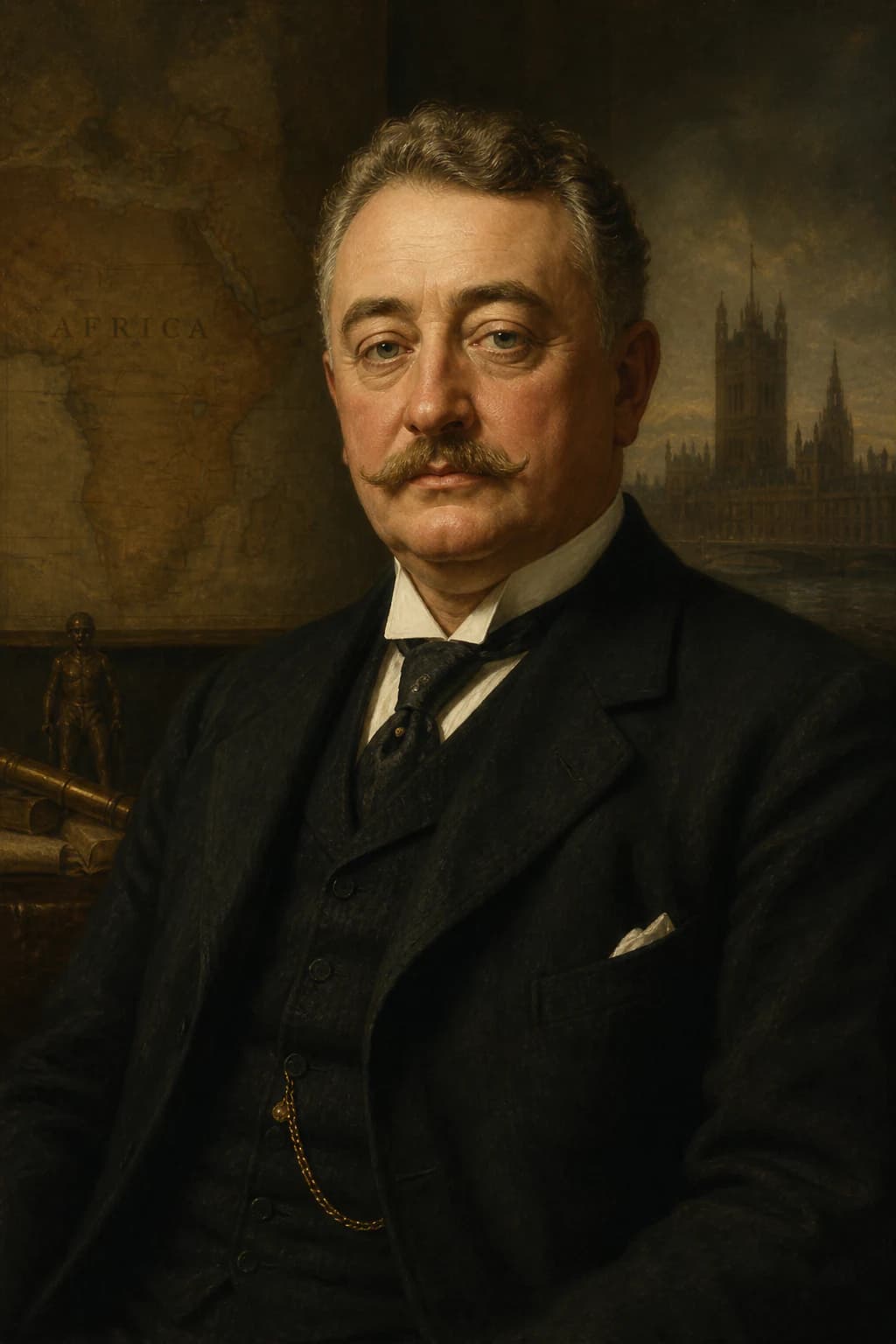
AI-generated portrait of Alfred Milner
AI-assisted historical reconstruction

An illustrative reconstruction based on historical context. It is not a photograph or documentary likeness. Image policy

Quick answer

Alfred Milner was a British imperial administrator, high commissioner in southern Africa, and central figure in the crisis that led to the Second Boer War.

Born
1854 CE
Died
1925 CE
Role
British imperial administrator
Years
1854-1925 CE
Quick facts

Profile details

Additional identity and tagging details that are not already covered in the introduction.

Also known as
Viscount Milner, Lord Milner
Facts

Alfred Milner timeline facts

Selected specifics from this profile's life story.

1854
Elite formation

Alfred Milner was born in Giessen to British parents and educated for a life of public service, intellect, and imperial administration.

1880s-1890s
Administrative rise

Milner gained prominence through finance and civil service work before being sent to southern Africa at a moment of rising imperial tension.

1899-1905
Reconstruction

After the Boer republics were conquered, Milner oversaw reconstruction, promoting British settlement, administrative reform, and a controversial imperial settlement.

1925
Imperial legacy

Milner later served in British wartime government, but his name remains most closely tied to high imperial ambition and the Boer War's consequences.

Life Journey

Why Alfred Milner matters

Follow the story in a more continuous narrative, with a reading mode that matches how much depth you want.

Complete chronology

1854

Elite formation

Alfred Milner was born on 23 March 1854 in Giessen, in what is now Germany, to British parents. Educated at King's College School and Balliol College, Oxford, he emerged from the world of late Victorian merit, reform, and imperial confidence. Milner was clever, austere, disciplined, and intensely serious about public duty. He worked in journalism, law, and finance before becoming a civil servant, gaining a reputation for intellectual sharpness and administrative competence. Unlike Cecil Rhodes, he was not a fortune-builder; unlike Lord Kitchener, he was not primarily a soldier. Milner's instrument was government. He believed that disciplined administration could strengthen the British Empire and that imperial unity was a practical answer to global competition.

1880s-1890s

Administrative rise

Before South Africa, Milner built his career in British administration. He served under George Goschen at the Treasury and became chairman of the Board of Inland Revenue. His work showed the qualities that defined him: precision, command of detail, and little patience for muddle. In 1897 he was appointed high commissioner for southern Africa and governor of the Cape Colony. The post placed him at the centre of a volatile region. The South African Republic possessed the world's richest gold field, British miners and investors demanded influence, and Paul Kruger's government resisted reforms that could weaken Boer sovereignty. Milner arrived after the Jameson Raid had already poisoned trust. He saw the Transvaal not merely as a local problem but as a test of British supremacy in southern Africa.

1897-1899

Hard line

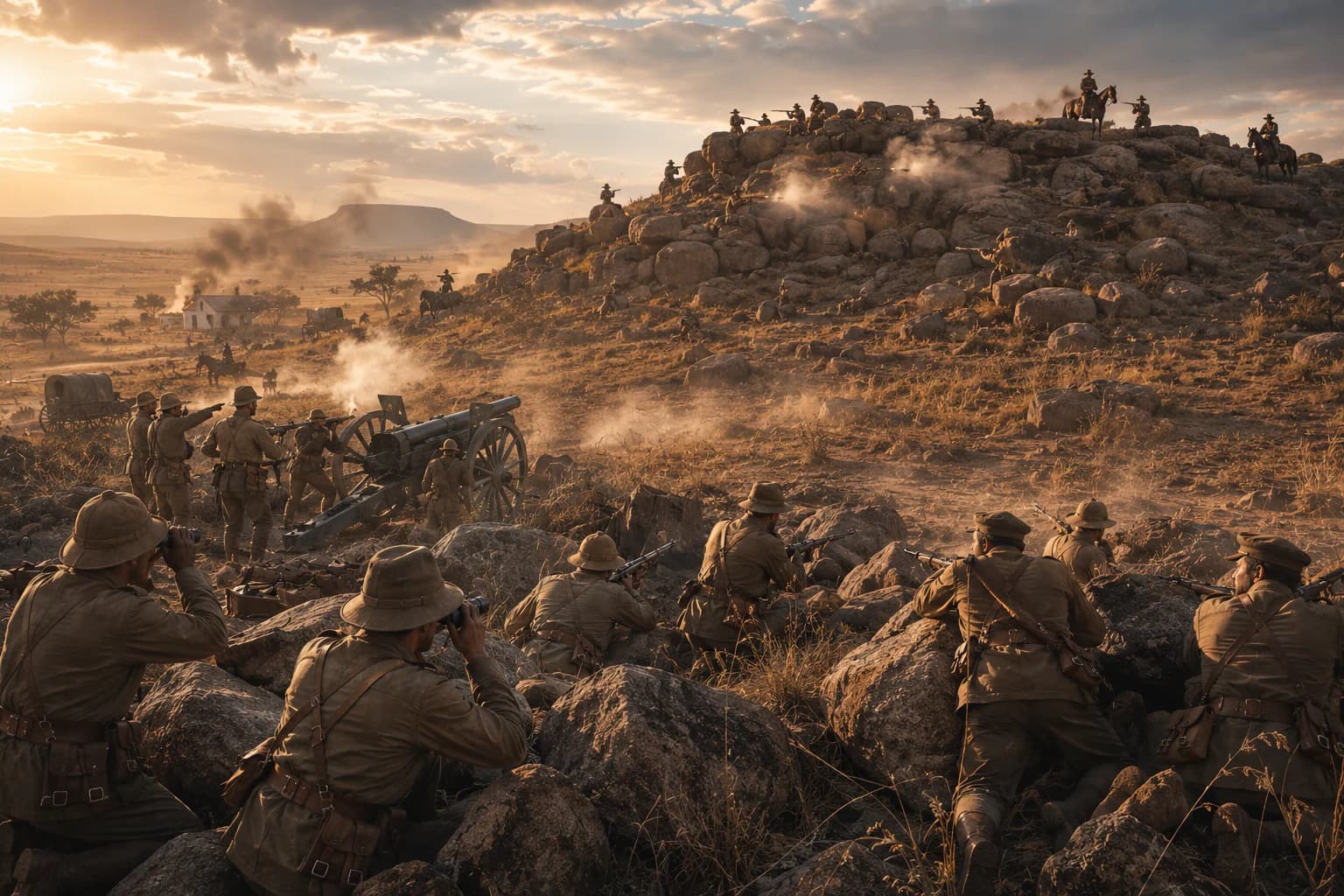
Milner's dispute with Paul Kruger centred on the Uitlanders, foreign residents in the Transvaal, many of them British, who lacked full political rights despite their economic importance. Milner argued that their exclusion was intolerable and that British subjects were being treated unjustly. Kruger feared that rapid enfranchisement would hand his republic to British interests from within. The issue was real, but it also became a vehicle for a larger imperial confrontation. At the Bloemfontein Conference in 1899, Milner and Kruger failed to reach agreement. Historians still debate degrees of responsibility for the war, but Milner's role in hardening British policy is unmistakable. He did not stumble into confrontation; he regarded the Transvaal question as one that had to be settled.

1899-1905

Reconstruction

During and after the Second Boer War, Milner became central to reconstruction. The British victory destroyed the independence of the South African Republic and Orange Free State, but winning the peace proved harder than winning the war. Milner tried to remake the region through administration, education, infrastructure, and immigration. His circle of young officials, later nicknamed Milner's Kindergarten, helped design policies for postwar governance. He aimed to strengthen British influence and integrate the former republics into an imperial South Africa. Yet reconstruction was costly, politically strained, and morally shadowed by the war's devastation, including concentration camps and scorched-earth tactics. Milner also supported the use of imported Chinese labour in the mines, a policy that became explosive in British politics.

1925

Imperial legacy

Milner left South Africa in 1905 and later returned to high politics, serving in David Lloyd George's War Cabinet during World War I and as secretary of state for war and then colonial secretary. He died on 13 May 1925. His legacy is not as publicly famous as Rhodes's or Kitchener's, but it is deeply significant. Milner represents the administrative mind of British imperialism: earnest, reforming, severe, and convinced that empire could be rationally organised for strength and efficiency. In southern Africa, that confidence helped push a regional crisis toward war and shaped the settlement that followed. He was not a crude adventurer. That is precisely why he matters. Milner shows how empire could be driven by educated conviction, moral language, and bureaucratic competence as well as by greed or conquest.

Continue in context

Connected stories

Move from the profile into the wider events and settings this figure belongs to.

Tertiary paths

Content note

This profile is written for educational use and connects to related Stories of History pages. The main portrait is an AI-assisted historical reconstruction, included as an illustrative aid rather than documentary evidence. Image policy

References

Sources & Further Reading

Reliable reference works, archives and reading paths connected to this profile.

Further reading

  1. Encyclopaedia Britannica, Search results for Alfred Milner,” accessed June 2026.Open source
  2. WorldCat, Books and library holdings for Alfred Milner,” accessed June 2026.Open source

Primary sources

  1. Library of Congress, Search results for Alfred Milner,” accessed June 2026.Open source

Reviewed claim sources

Loading reviewed claim sources...

A weekly route through history

Find out first about the latest published stories, feature notes and occasional Premium offers in one weekly email.