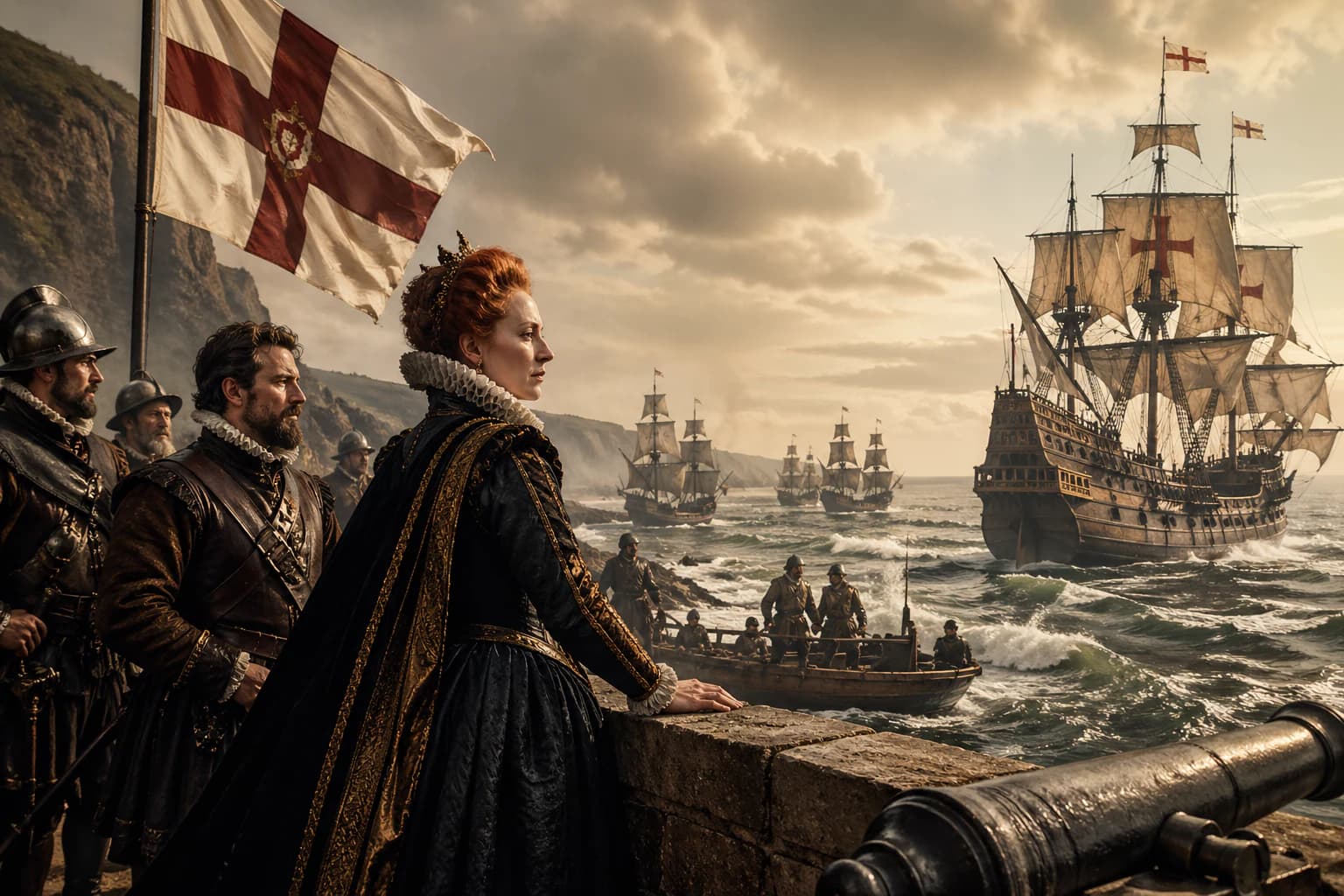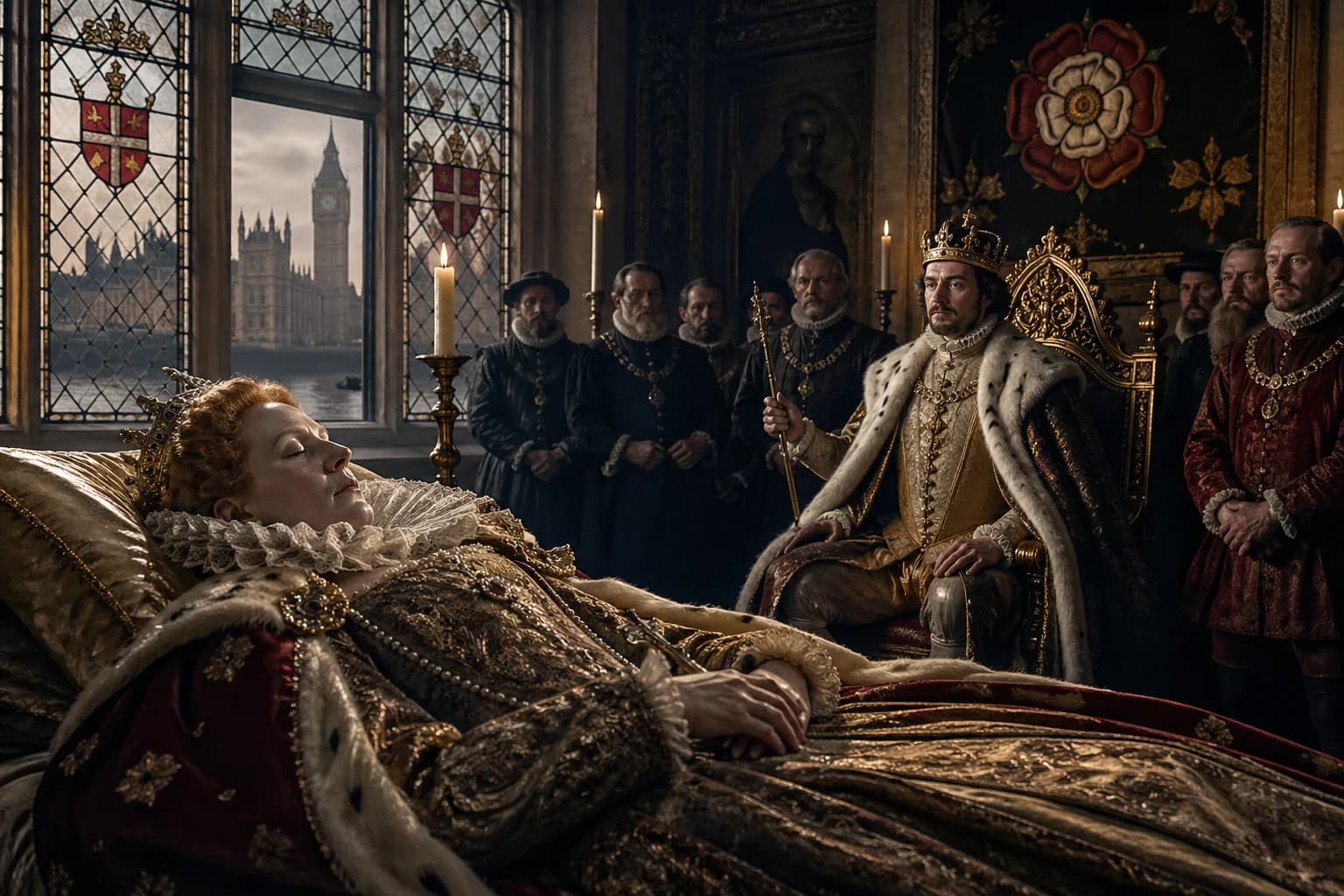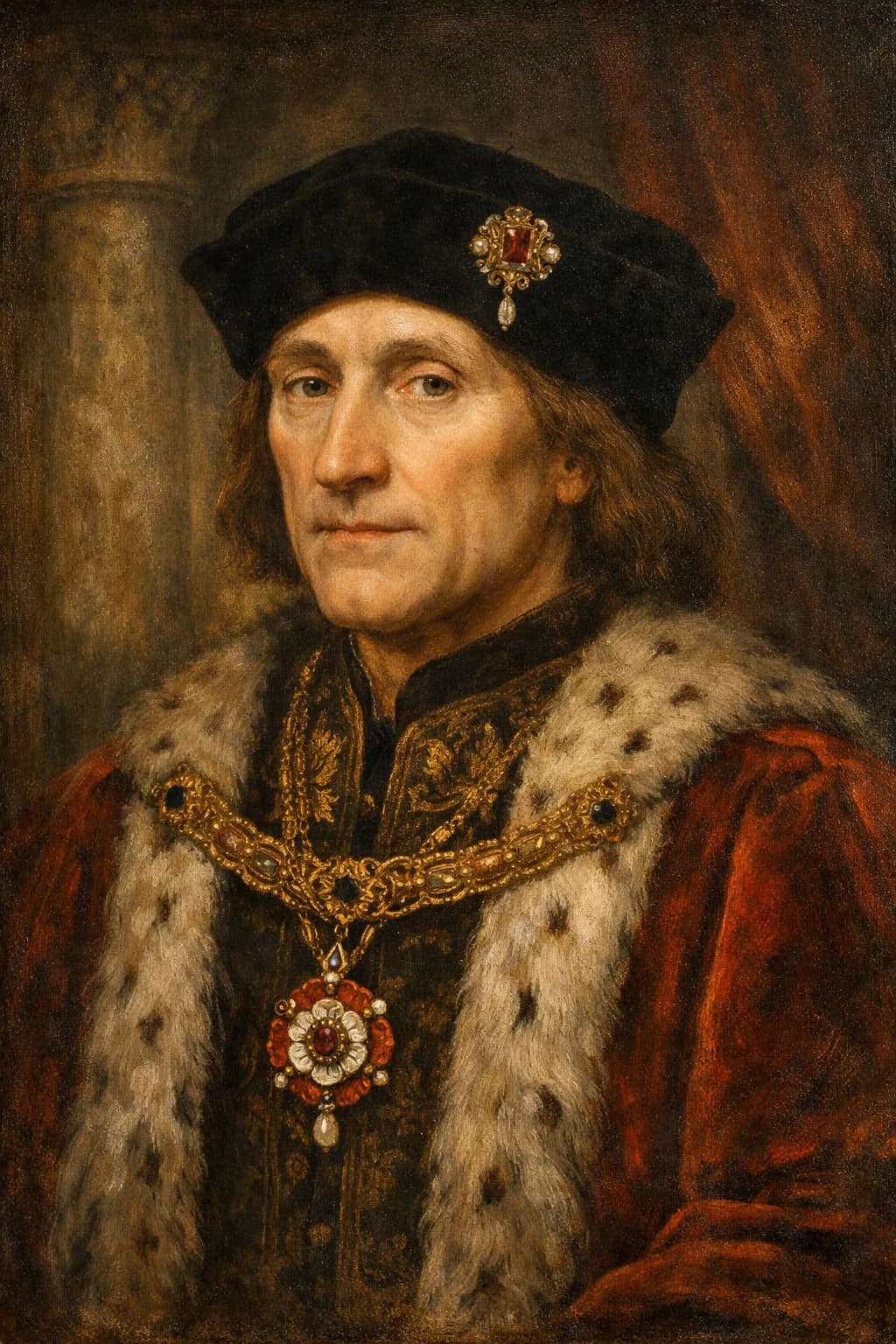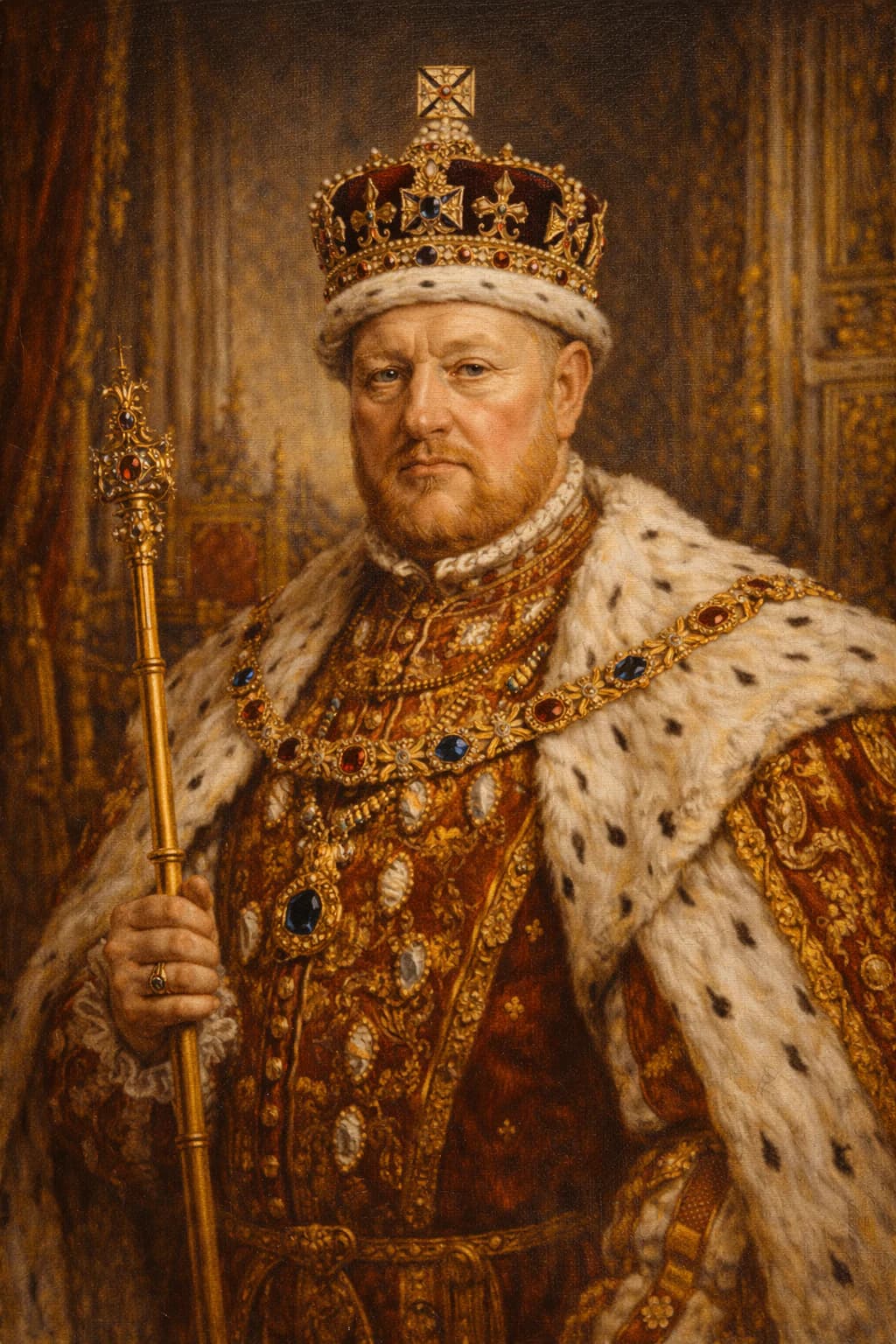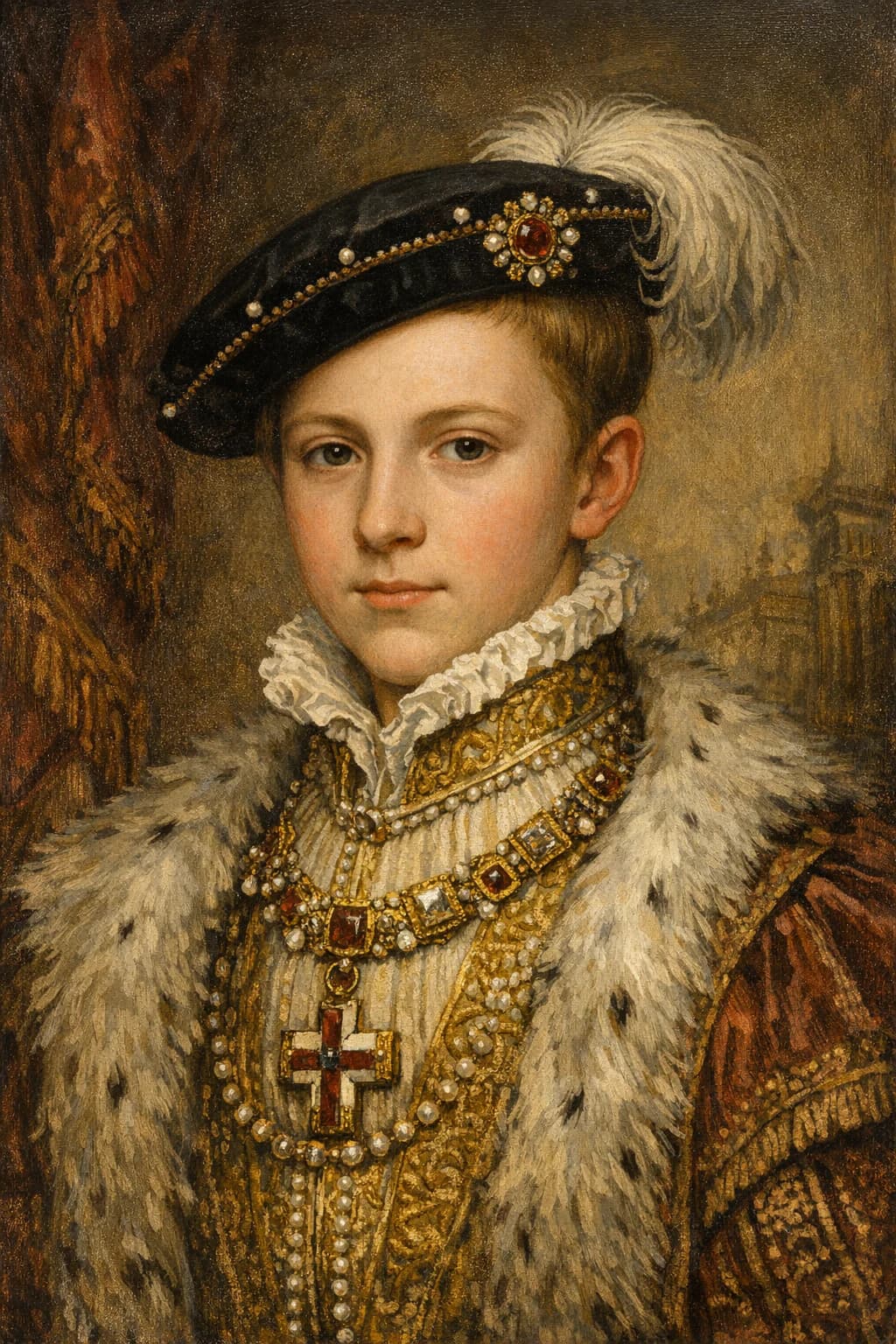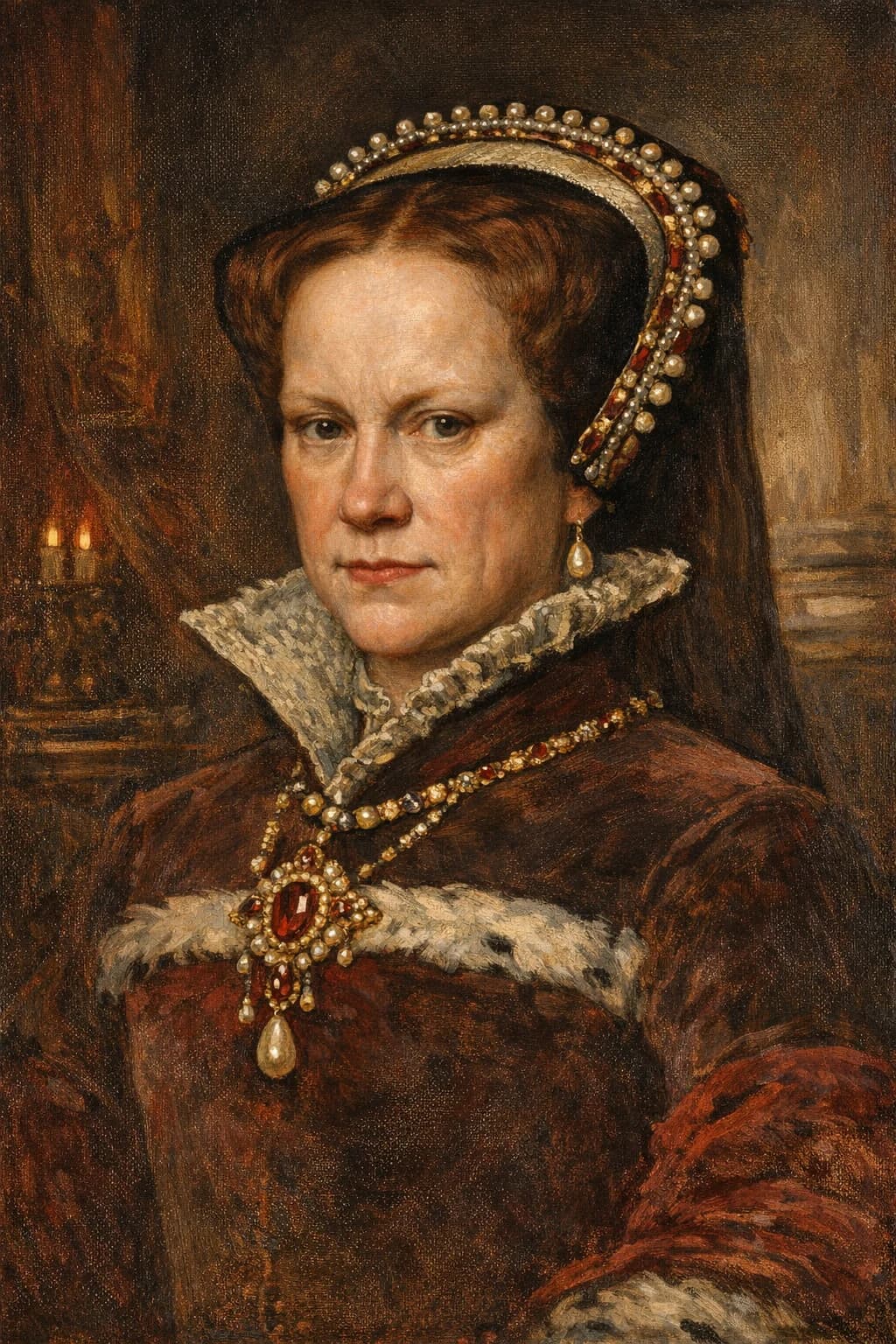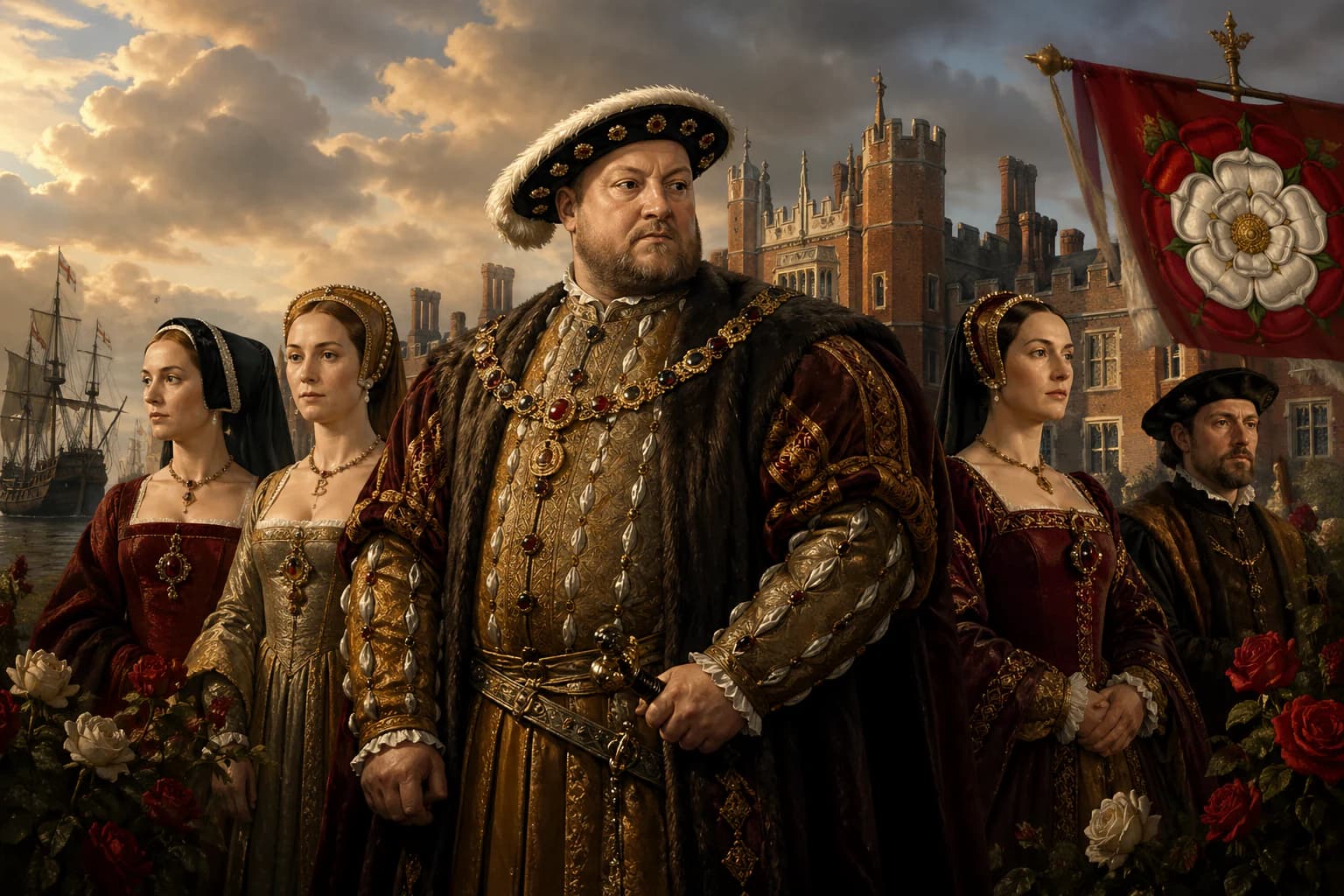
A Tudor royal court with Henry VIII and richly dressed nobles in a grand palace interior
Premium Story

The Tudor Dynasty

Enter the Tudor Dynasty, where conquest, Reformation, rebellion, and royal image-making reshape England.

11 chapters

Next
Context

Introduction

What you'll learn: You will follow how the Tudors secured the crown, broke with Rome, managed rebellion and succession, and reshaped England's religion and state.

Key forces

The Battle of Bosworth
1485 CE
Step 1 of 101485 CEAccessible mode

The Battle of Bosworth

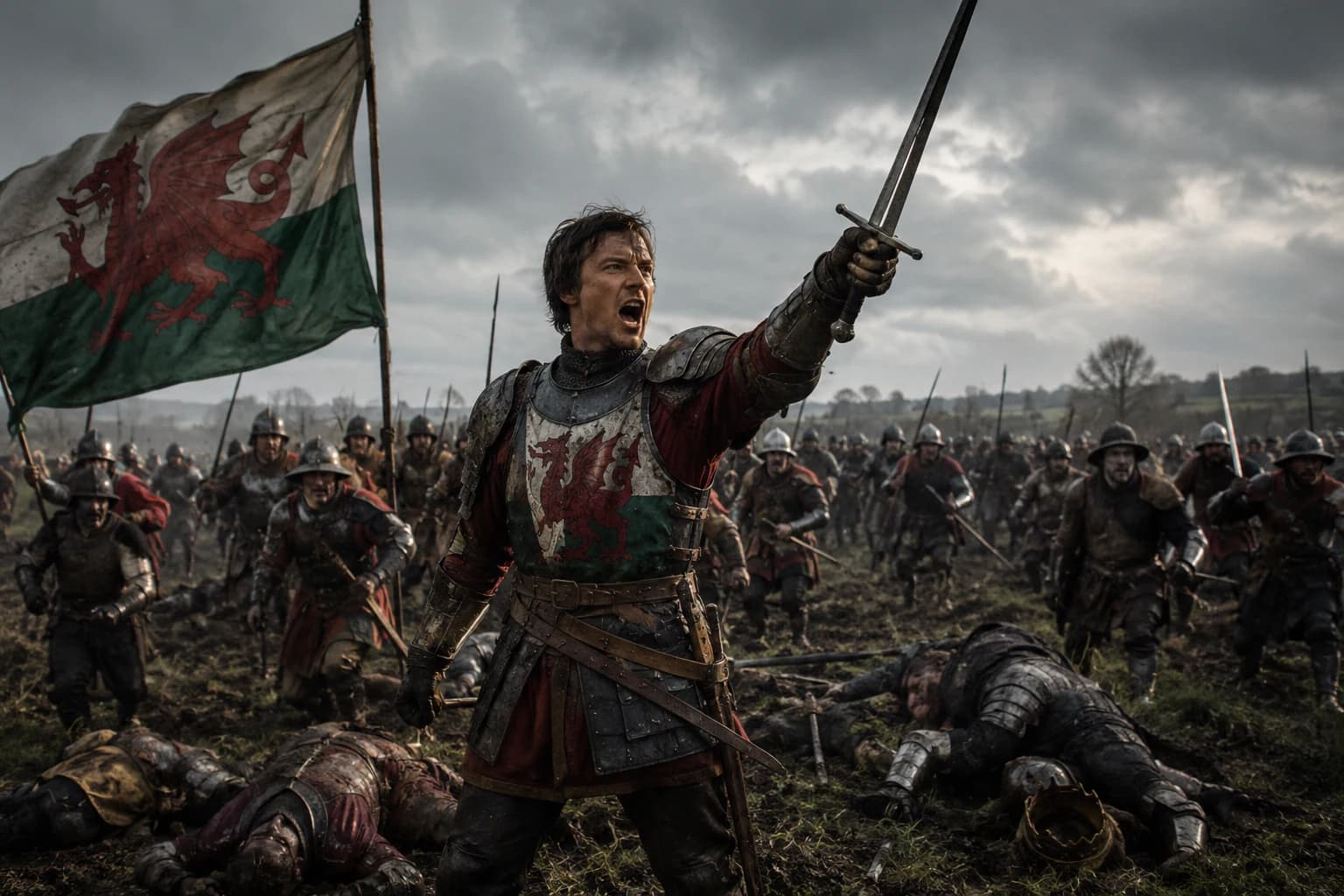
In August 1485, a single battle ended thirty years of civil war and gave England a new royal family.

England had been torn apart by the Wars of the Roses, a bitter conflict between noble houses fighting over the crown.

Henry Tudor had a weak claim to the throne. But he had French backing, Welsh support, and allies who were tired of chaos.

Henry won the field. With it, he won the right to rule.

At , Henry's forces defeated King Richard III, who died fighting. He was the last English king killed in battle on home soil.

Henry became Henry VII, founder of the Tudor dynasty. His victory mattered because he won — not because his claim was clearest.

The Tudors would shape England for over a century. was the moment that made everything else possible.

Henry VII Secures the Crown
1486 CE
Step 2 of 101486 CEAccessible mode

Henry VII Secures the Crown

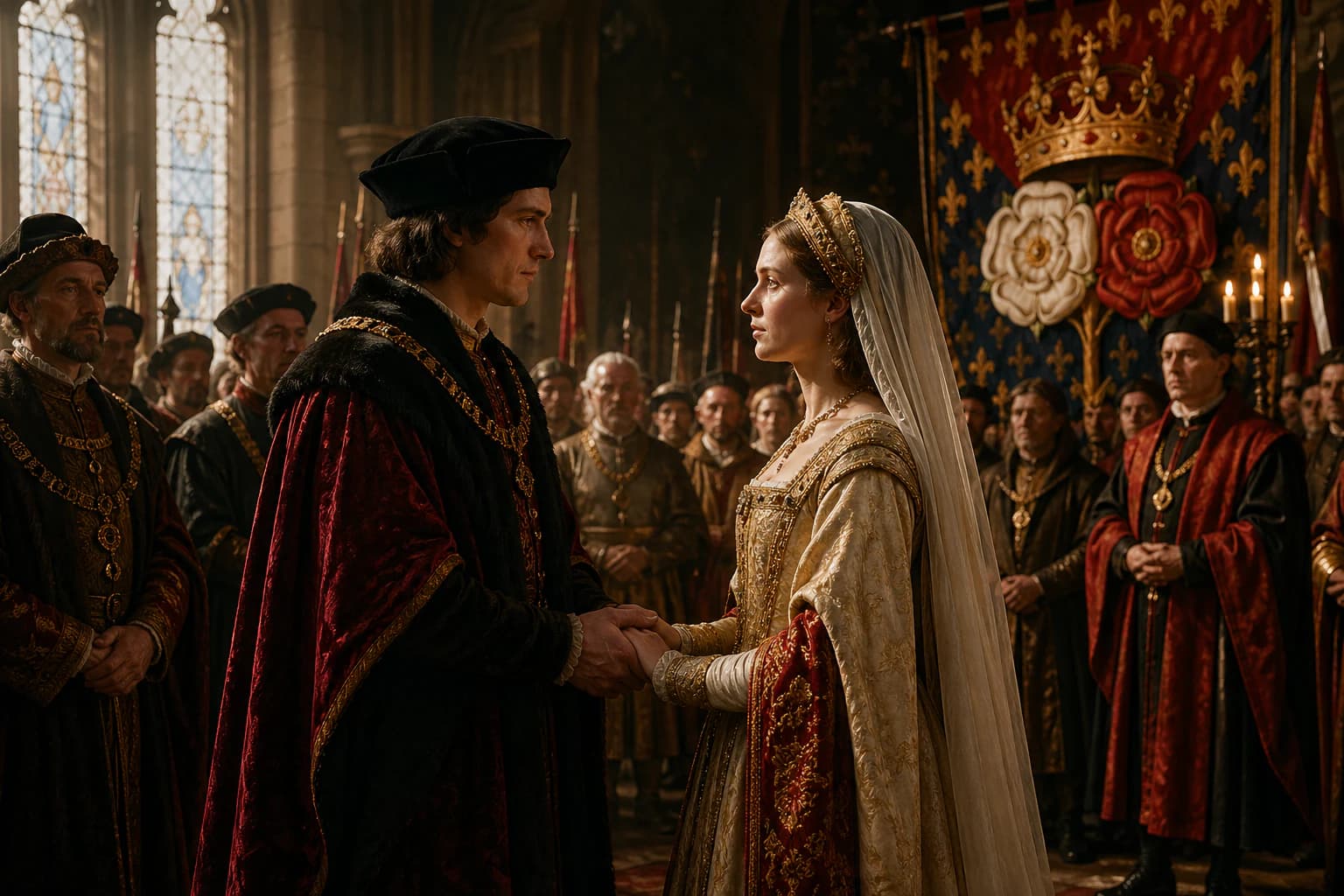
Henry VII knew one battle wasn't enough. To secure his dynasty, he needed a wife — and the right one.

England had been divided for decades between two rival houses. Henry's marriage to Elizabeth of York in 1486 was designed to bring them together.

Elizabeth was from the Yorkist side. By marrying her, Henry signalled that the old conflict was over.

The Tudor rose combined red Lancaster and white York into a single symbol of union.

But Henry was also practical. He carefully controlled the nobility, built up royal finances, and avoided expensive wars.

He created new institutions to keep powerful lords in check and used the legal system to raise royal income.

Henry VII's quiet, cautious kingship rebuilt the authority the crown had lost during the civil wars. It gave his son Henry VIII the stable, wealthy kingdom he inherited.

The New Tudor Monarchy
1509 CE
Step 3 of 101509 CEAccessible mode

The New Tudor Monarchy

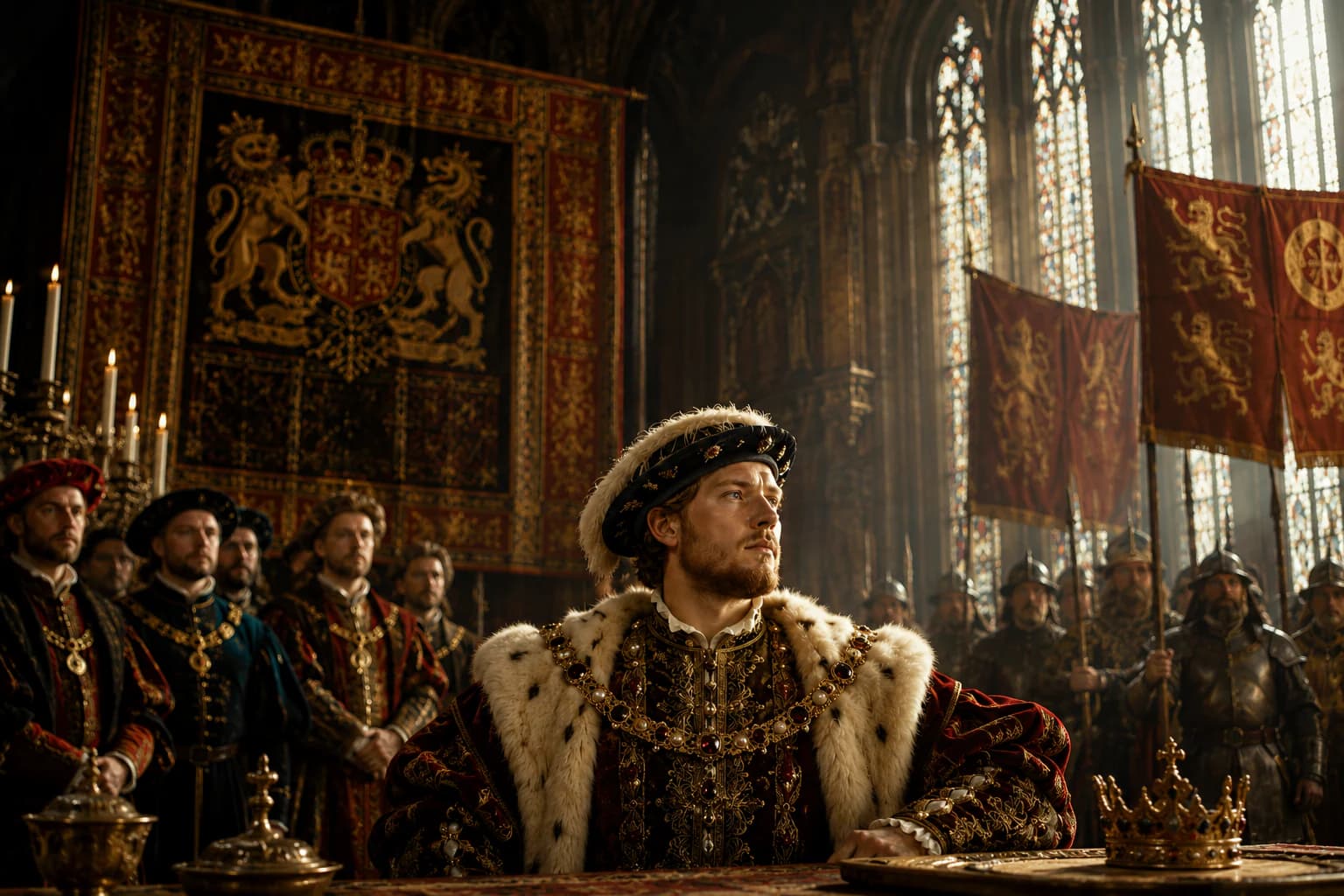
In 1509, a new king arrived on the throne. Henry VIII was everything his father was not.

Henry VII had ruled carefully, saving money and avoiding conflict. He left England secure but not spectacular.

Henry VIII was seventeen years old when he became king. He was well-educated, athletic, and hungry for glory.

He wanted to be a king from legend. England was about to feel the difference.

He went to war with France, spent lavishly at court, and made himself the centre of a brilliant and dangerous royal world.

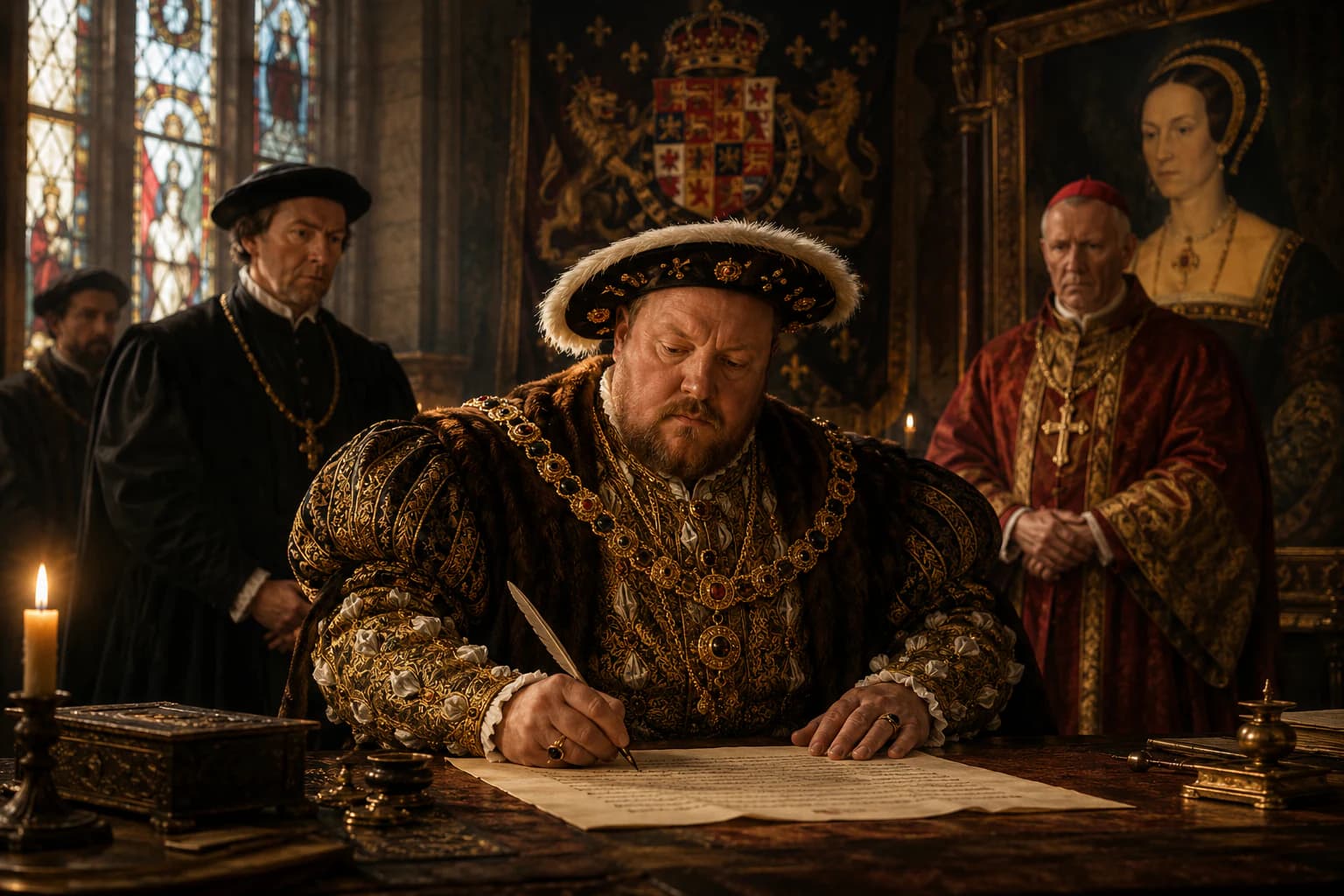
But glory needed money and money needed heirs. Henry's desperate desire for a male successor would eventually push him to break with the Church itself.

This step matters because it shows how one man's ambitions could redirect a kingdom. The stable state his father built gave Henry VIII the tools to do extraordinary things — and cause extraordinary damage.

Premium

You've reached the turning point

The opening chapters show the Tudors turning fragile victory into royal authority. Premium follows the dynasty's deeper gamble: break with Rome, dissolve monasteries, swing the kingdom between Protestant and Catholic rule, and leave England permanently changed.

Continue into the reversals, crises and human stakes that make the story matter.

Unlock full story

What Premium unlocks next

  1. 4The Break with Rome
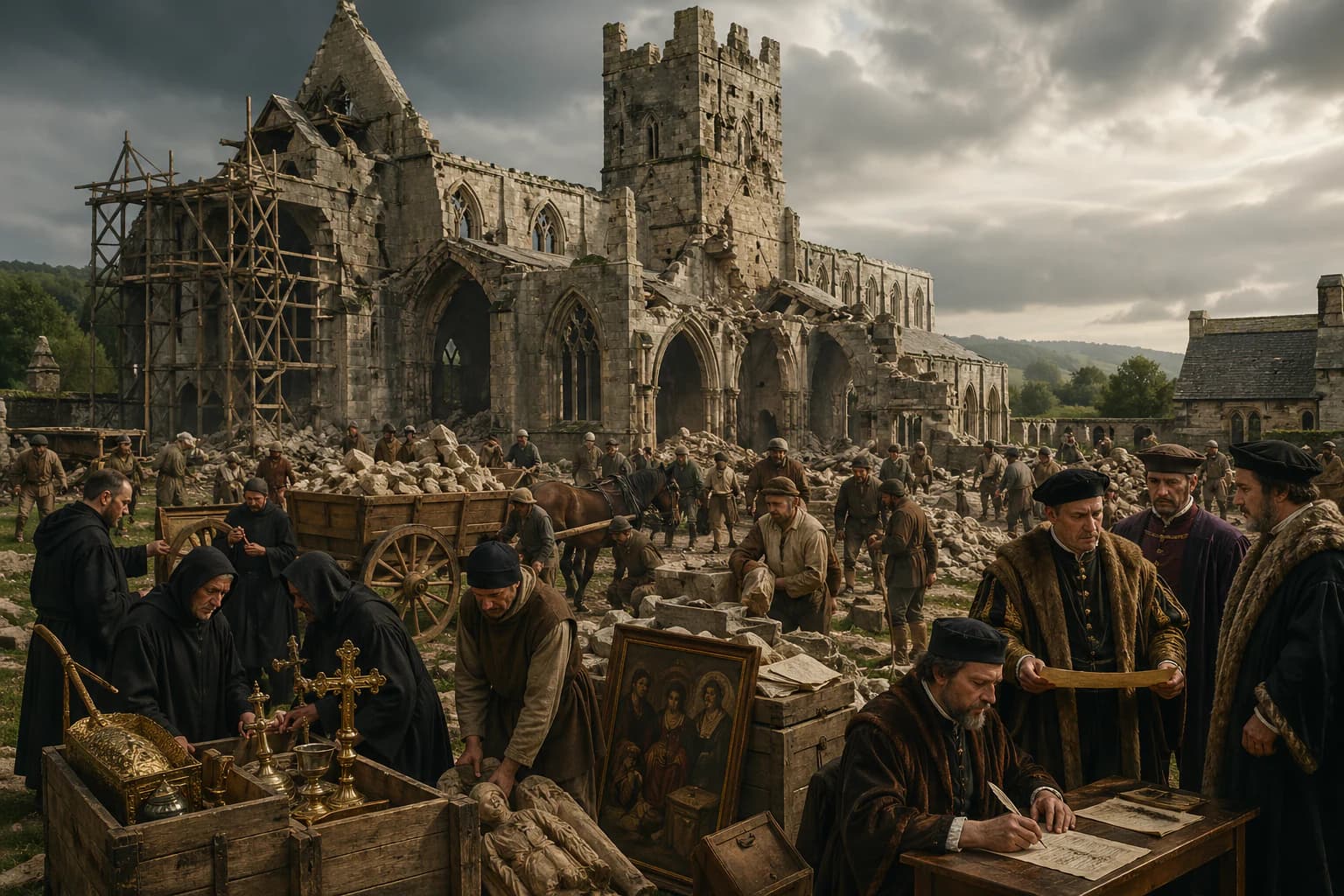
  2. 5The Dissolution of the Monasteries
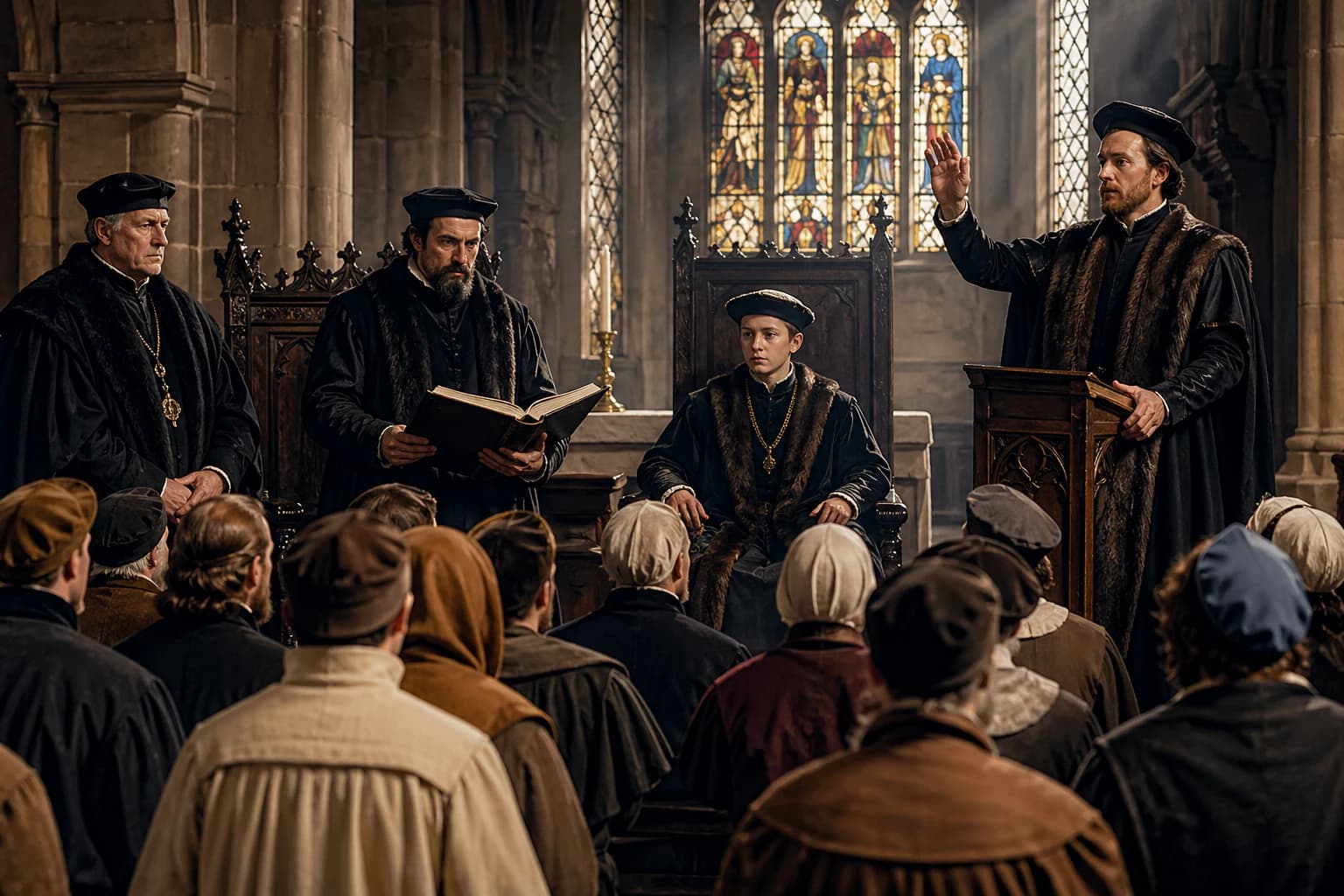
  3. 6Edward VI and Protestant Reform
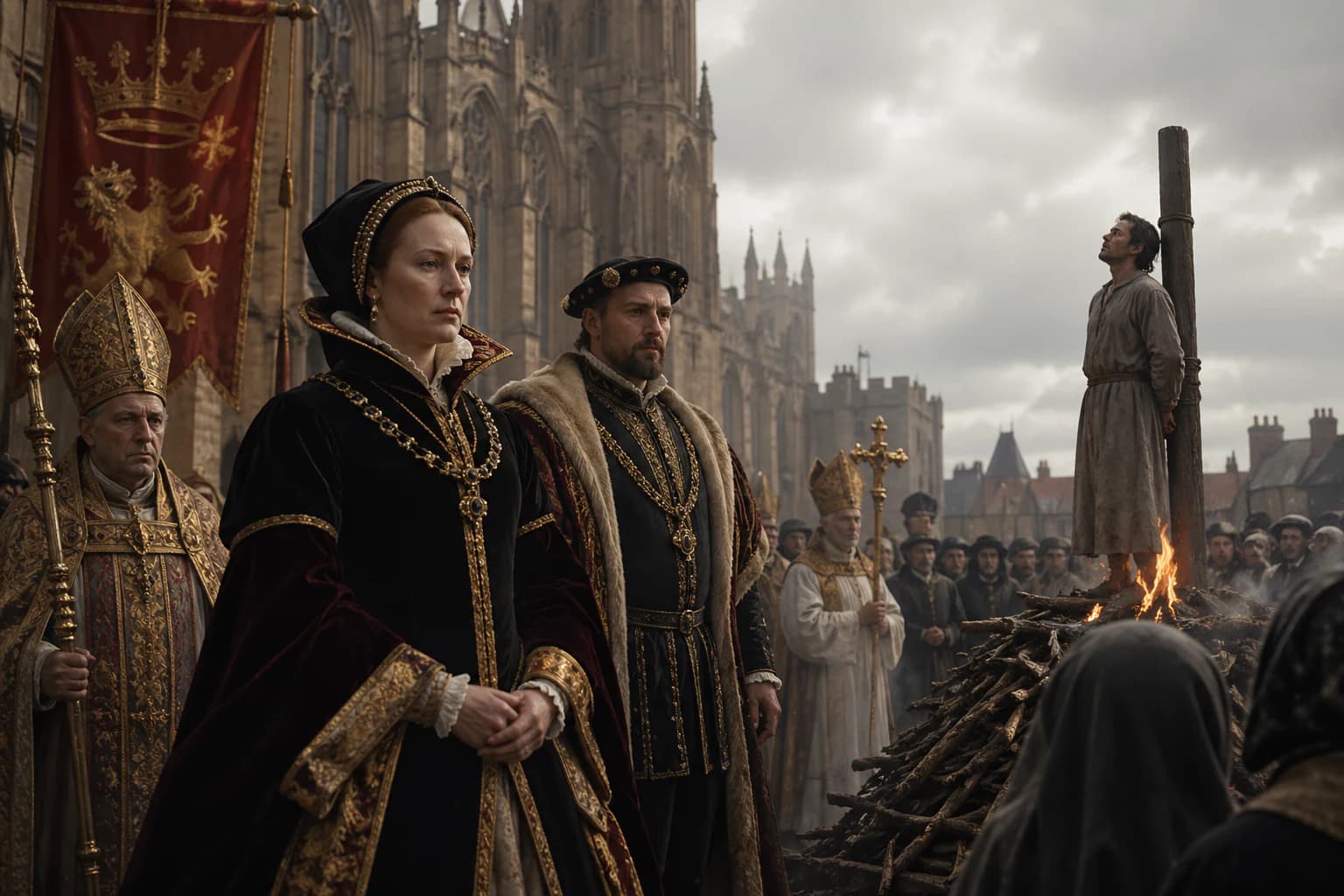
  4. 7Mary I Restores Catholicism
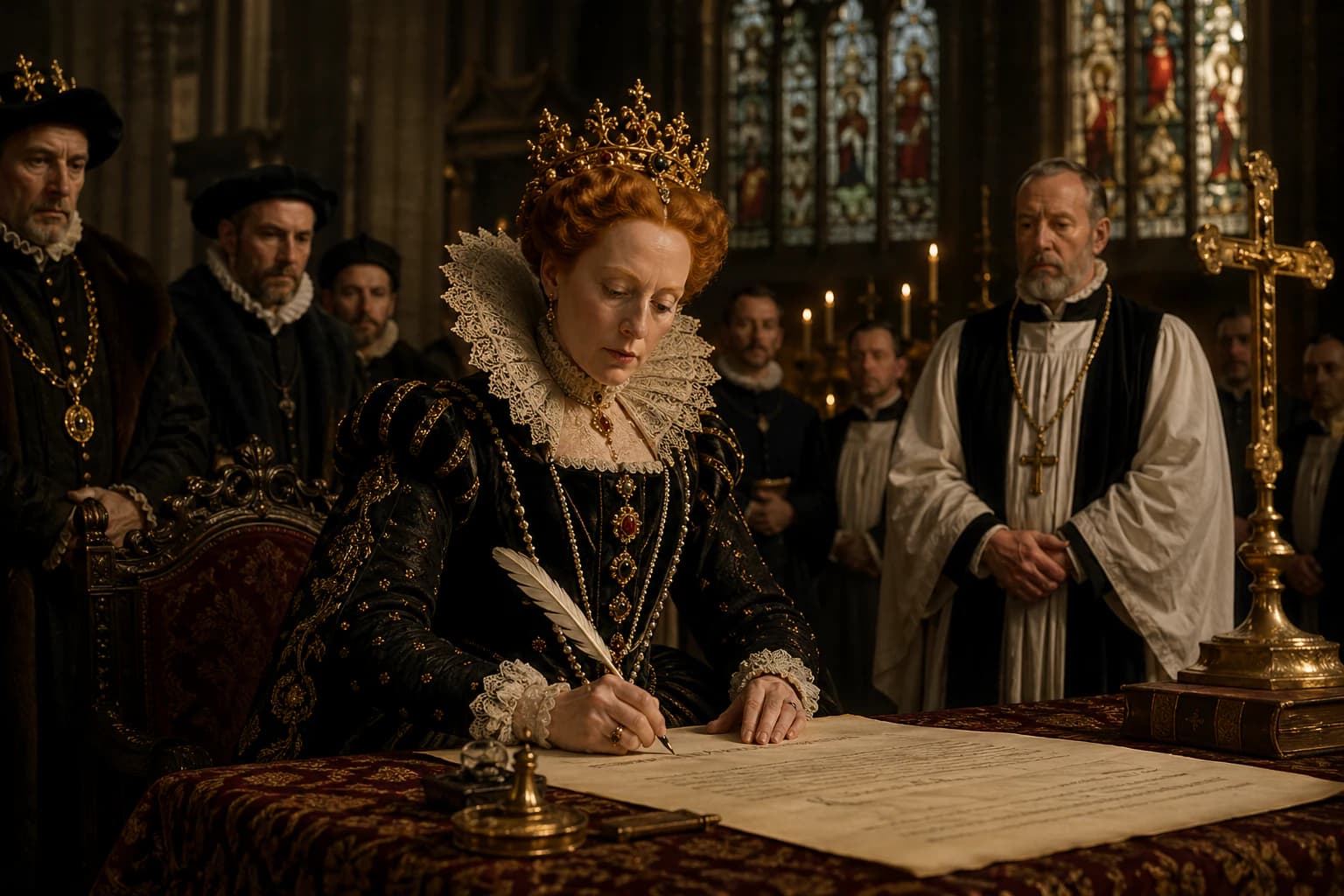
  5. 8Elizabeth I Settles the Church
  6. 9England Looks Overseas
  7. 10The Tudor Legacy

Browse stories

Browse stories for free

Explore the people connected to this turning point or enjoy one of our free stories.

Unlock full storyBrowse stories

References

Sources & Further Reading

Reliable sources, primary-source collections and reading paths connected to this page.

Sources used

  1. The National Archives, The Tudors,” Open source
  2. The British Library, The Tudors,” Open source

Further reading

  1. John Guy, Tudor England, Oxford University Press.

Primary sources

  1. British History Online, Primary sources for Tudor Britain,” Open source

Image references

  1. National Portrait Gallery, The Tudors,” Open source

A weekly route through history

Find out first about the latest published stories, feature notes and occasional Premium offers in one weekly email.