Context
Introduction
Overview
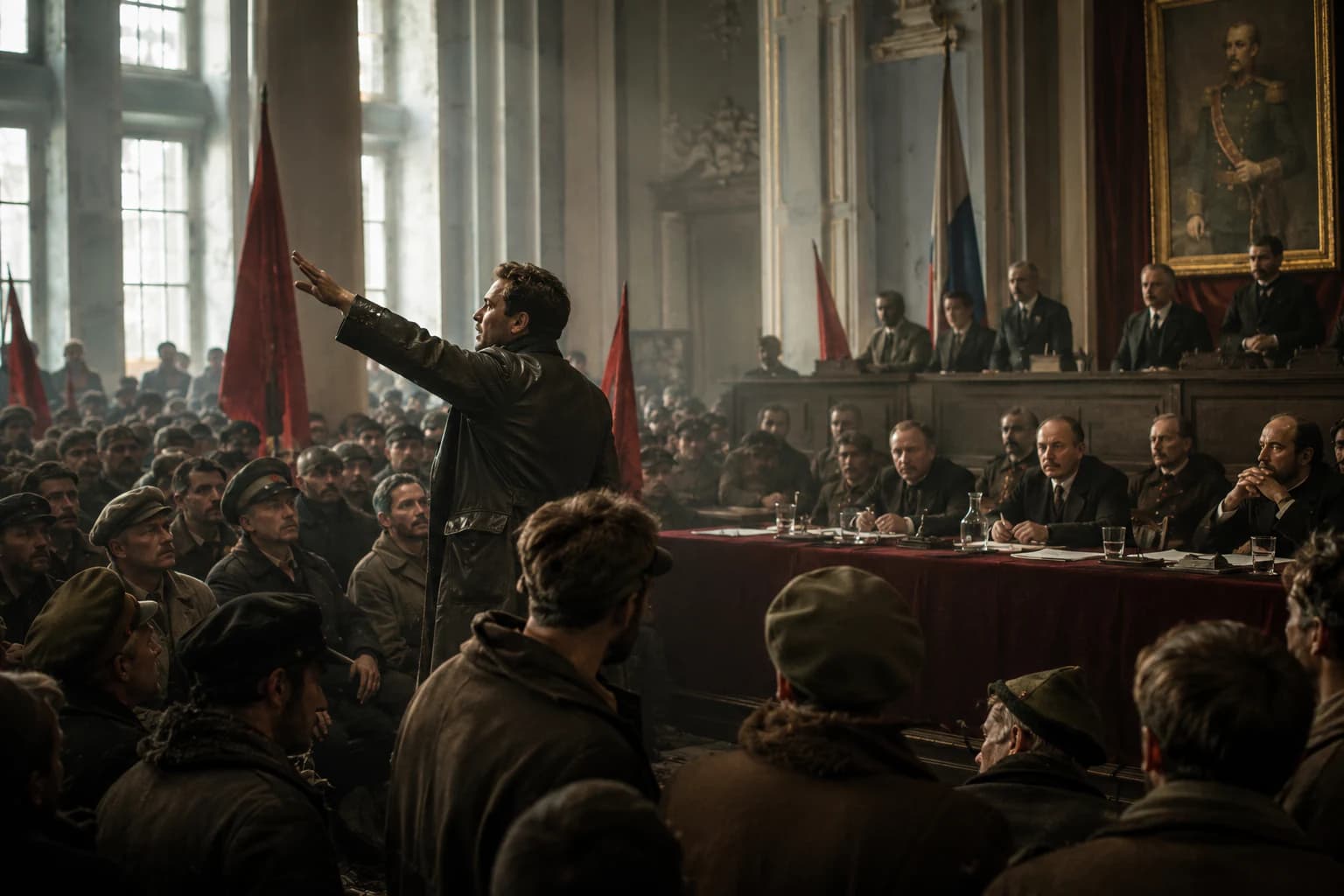
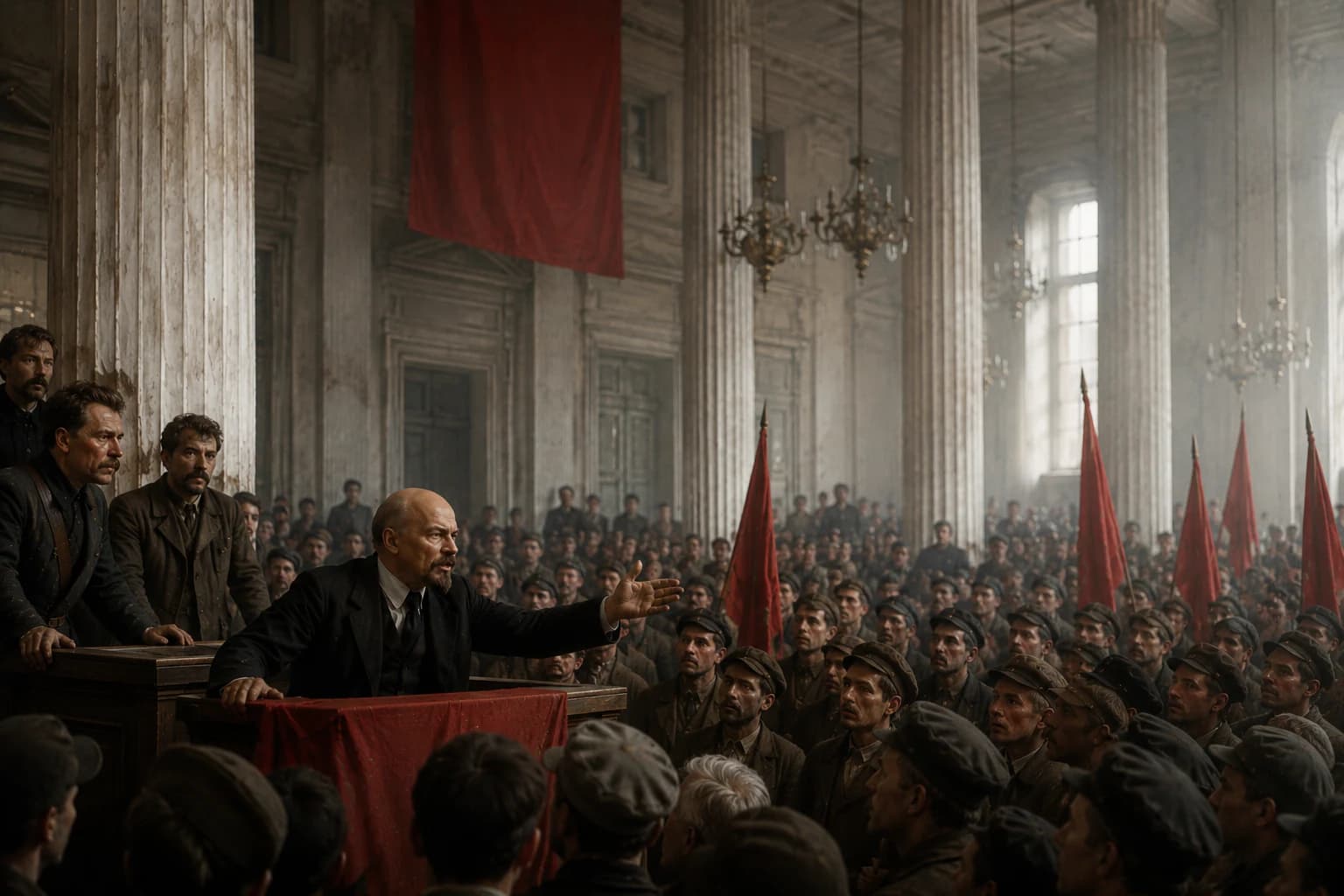
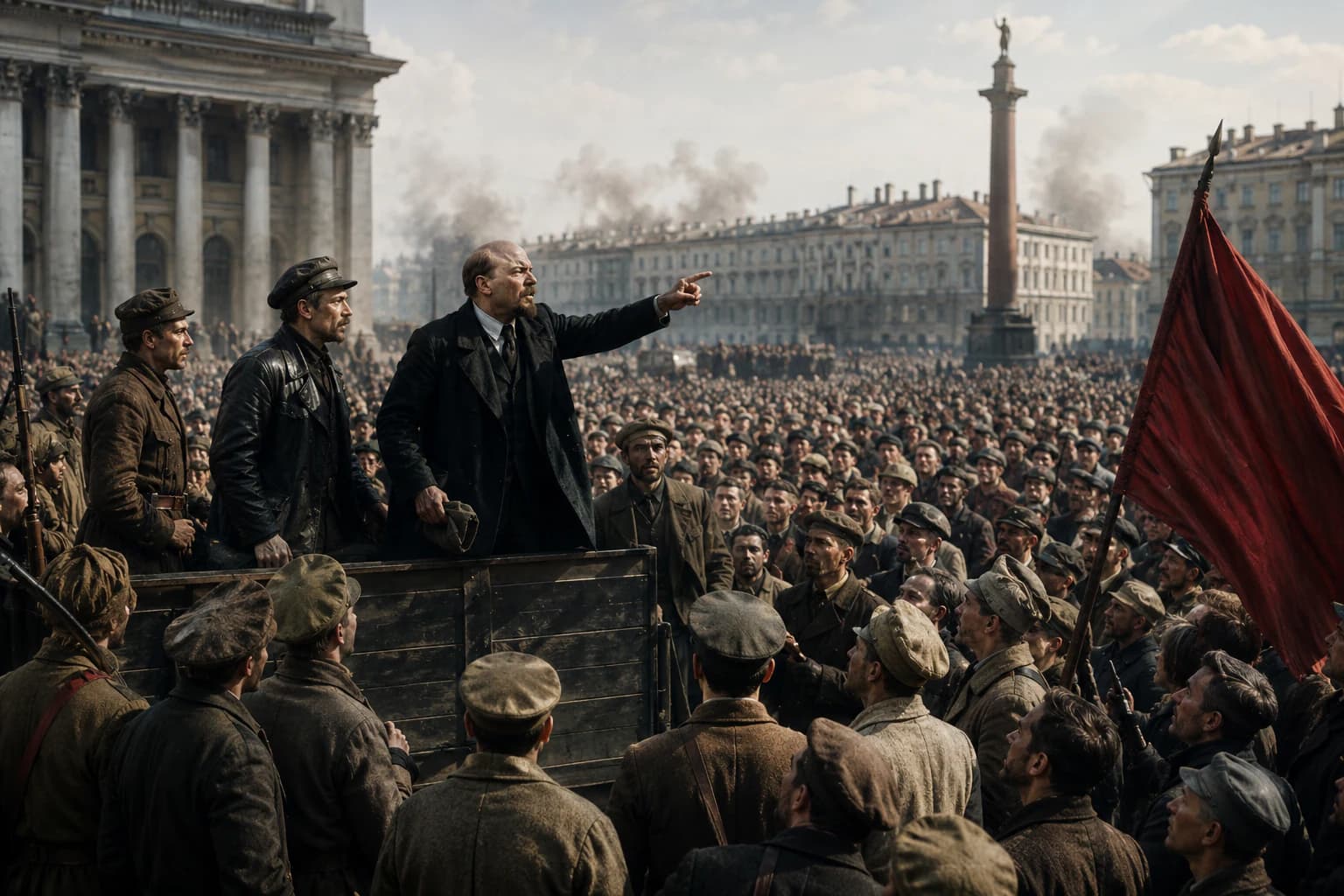
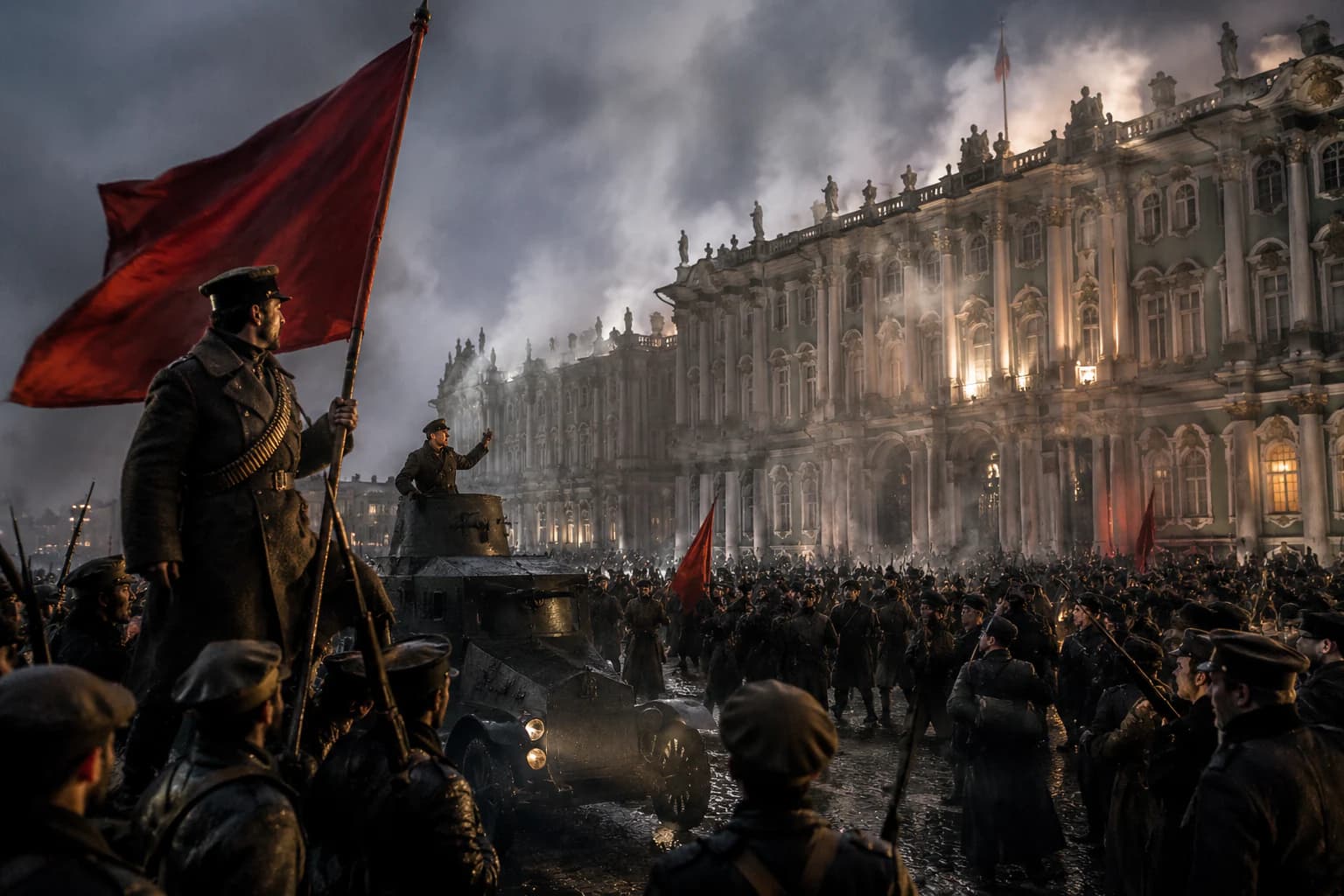
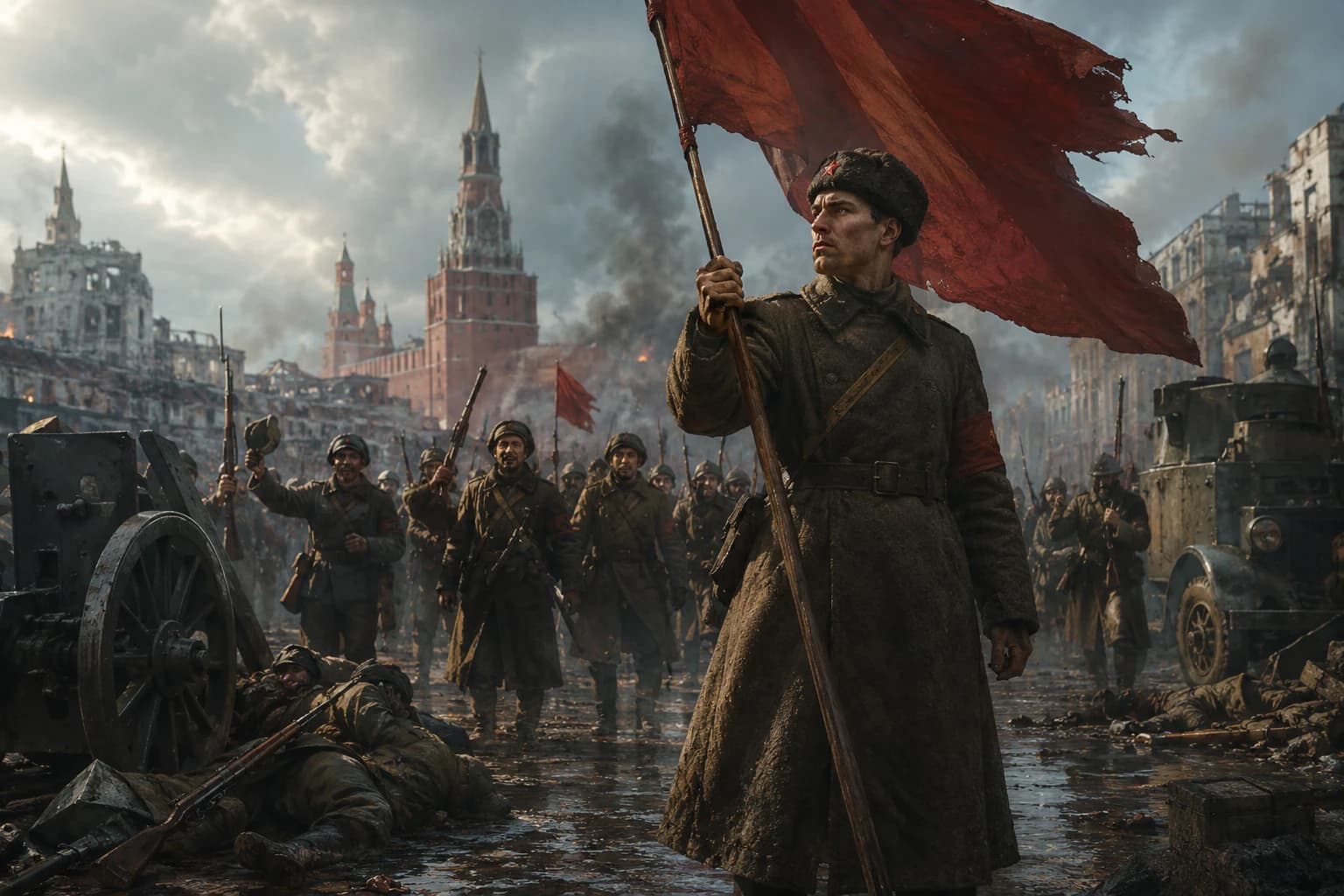
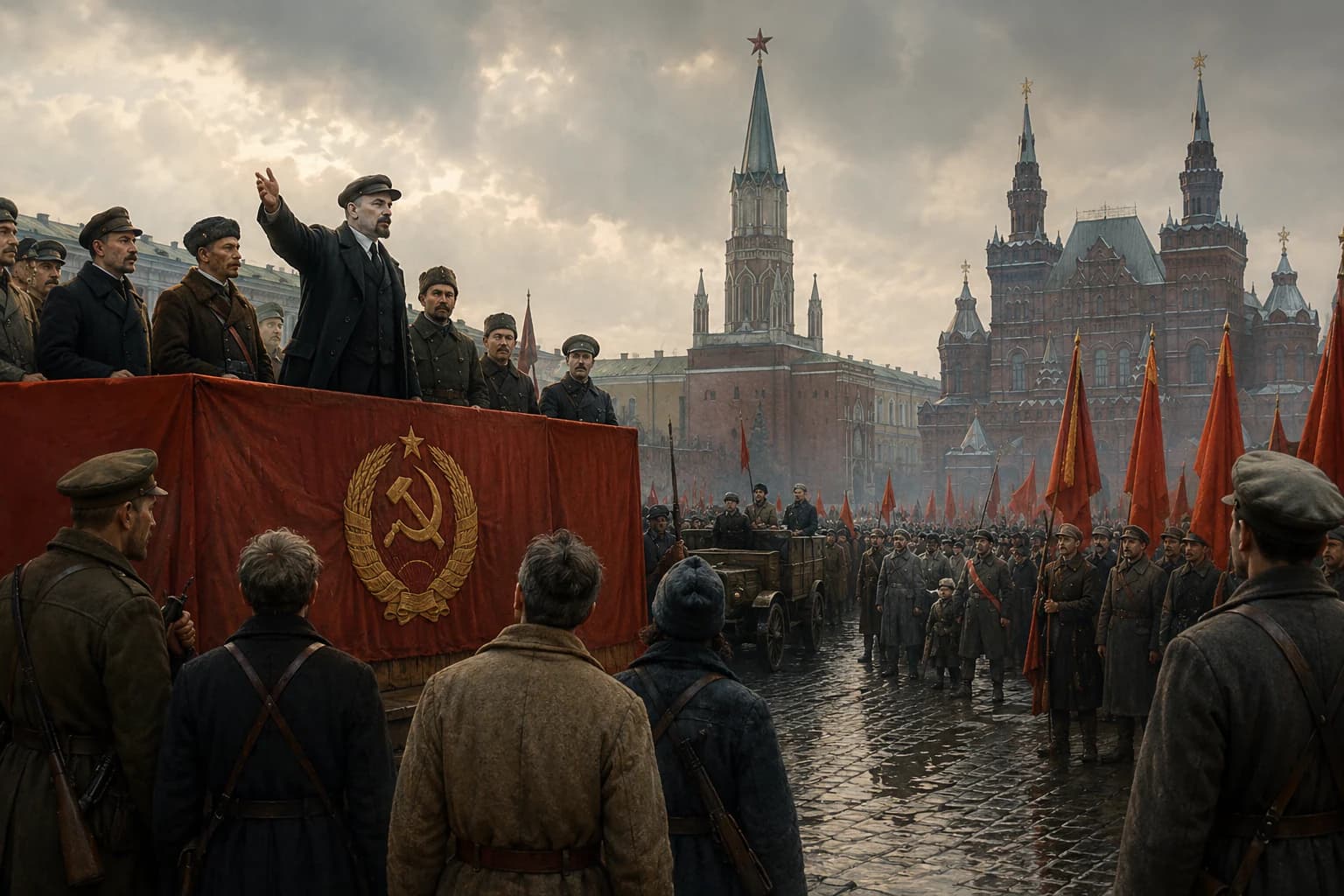
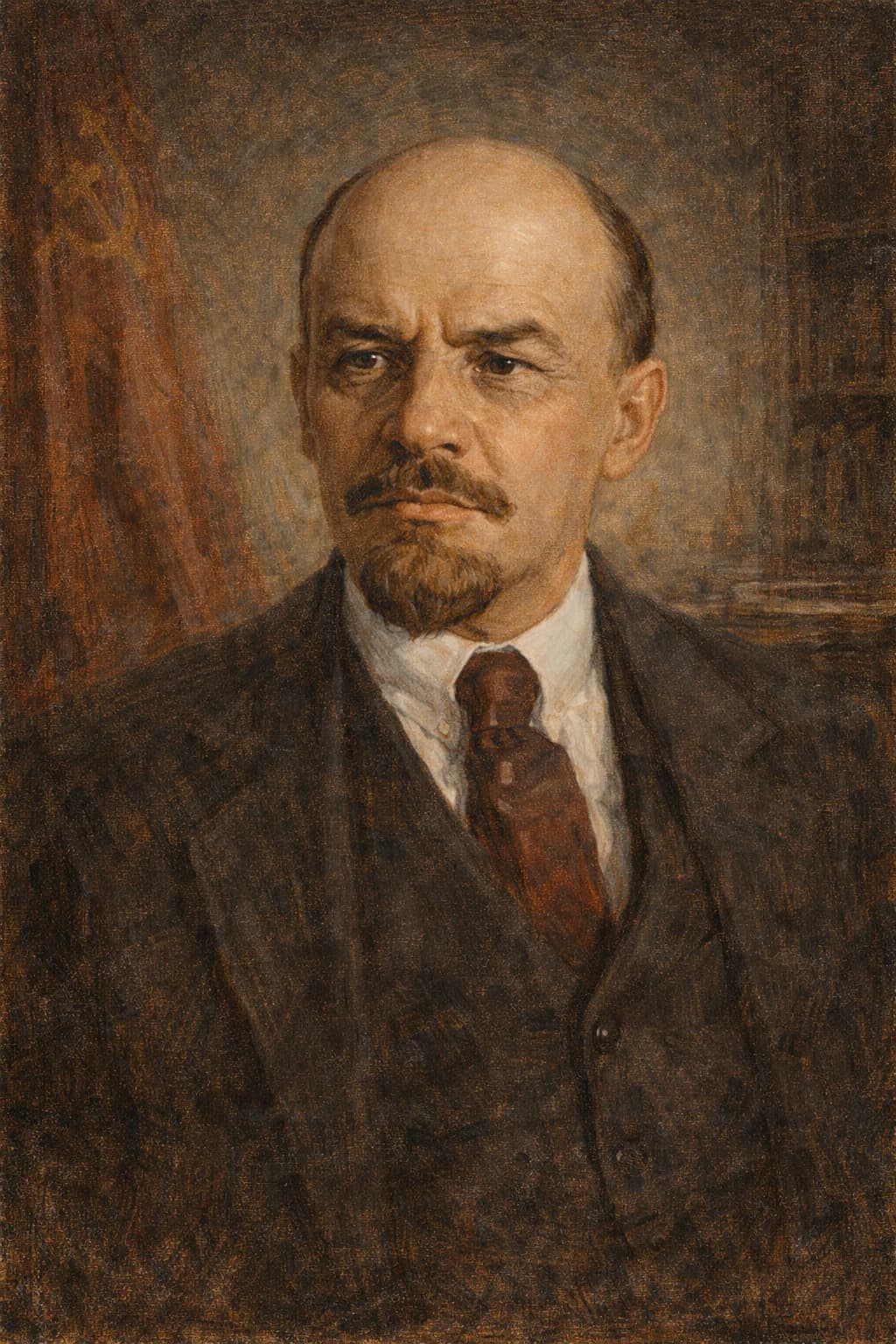
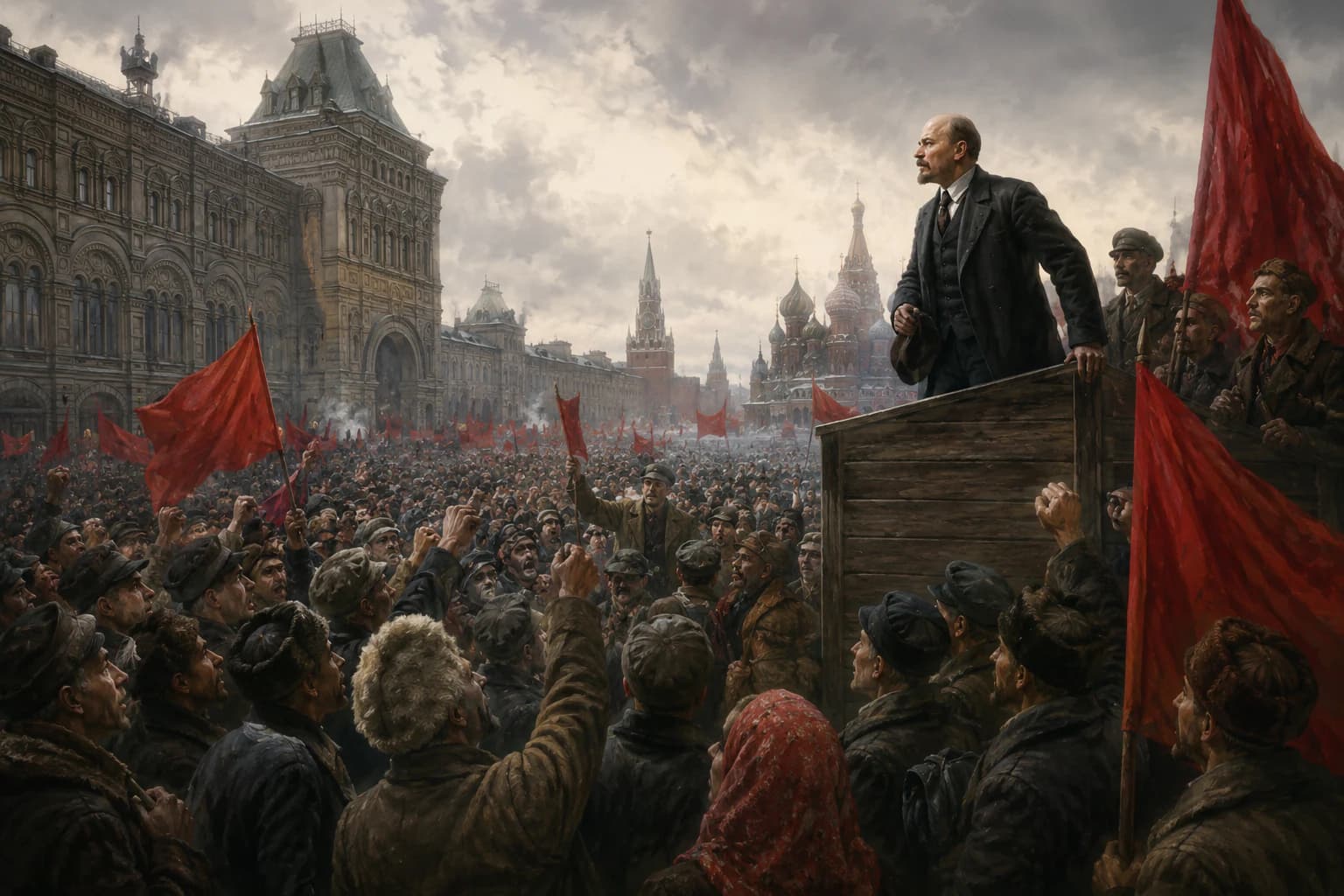
The Russian Revolution was the collapse of the Romanov monarchy and the rise of Bolshevik power during the crisis of war, hunger, land conflict, and political failure. In 1917, the February Revolution overthrew the tsar, while the October Revolution brought Lenin's Bolsheviks to power. The revolution led to civil war, the creation of the Soviet Union, and a new communist state that reshaped the twentieth century.
What you'll learn: You will see how imperial collapse, war, ideology, and civil conflict turned Russia's 1917 revolutions into a durable Soviet state.
Key forces
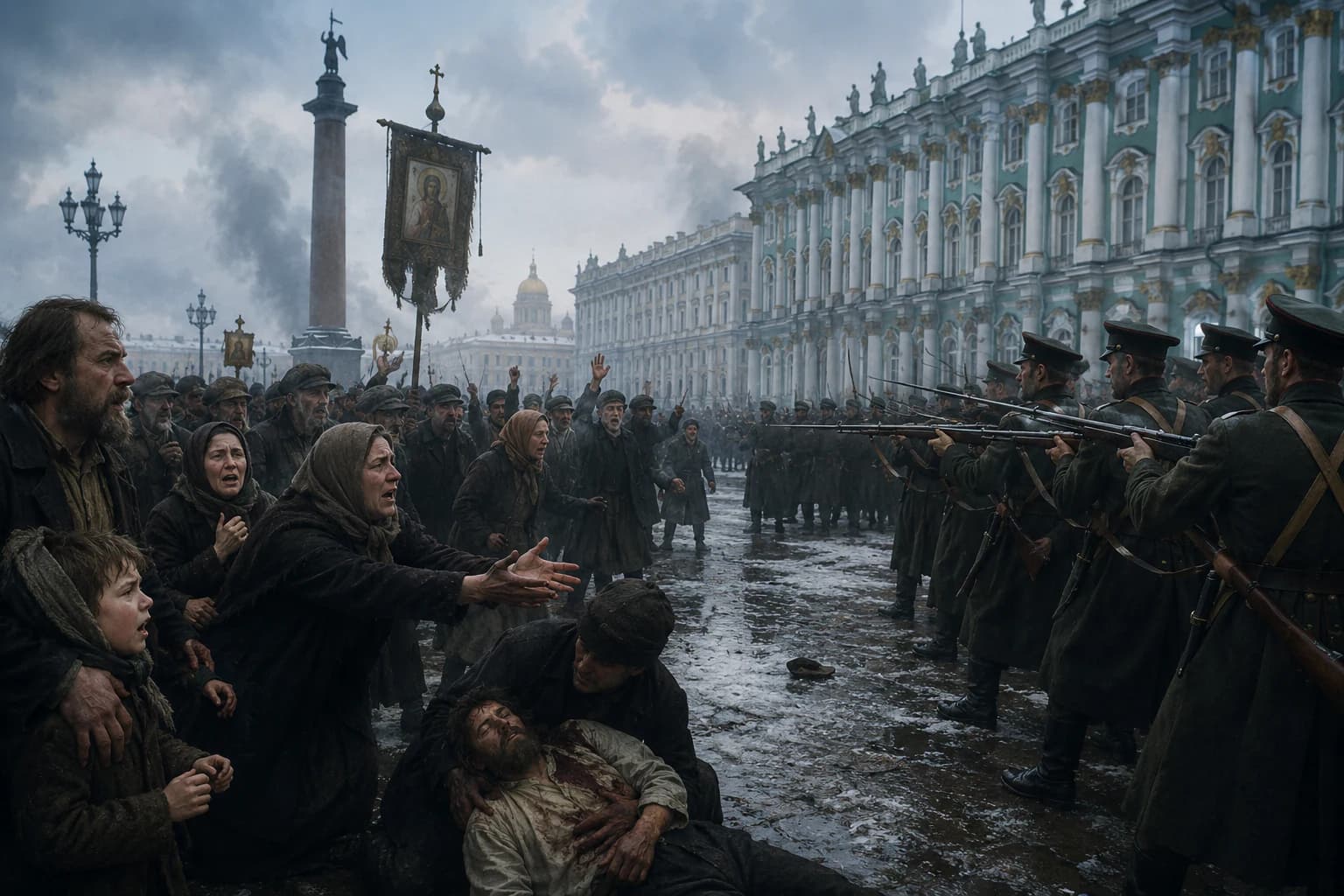
- The 1905 uprising revealed the Romanov state's deep fragility long before 1917.
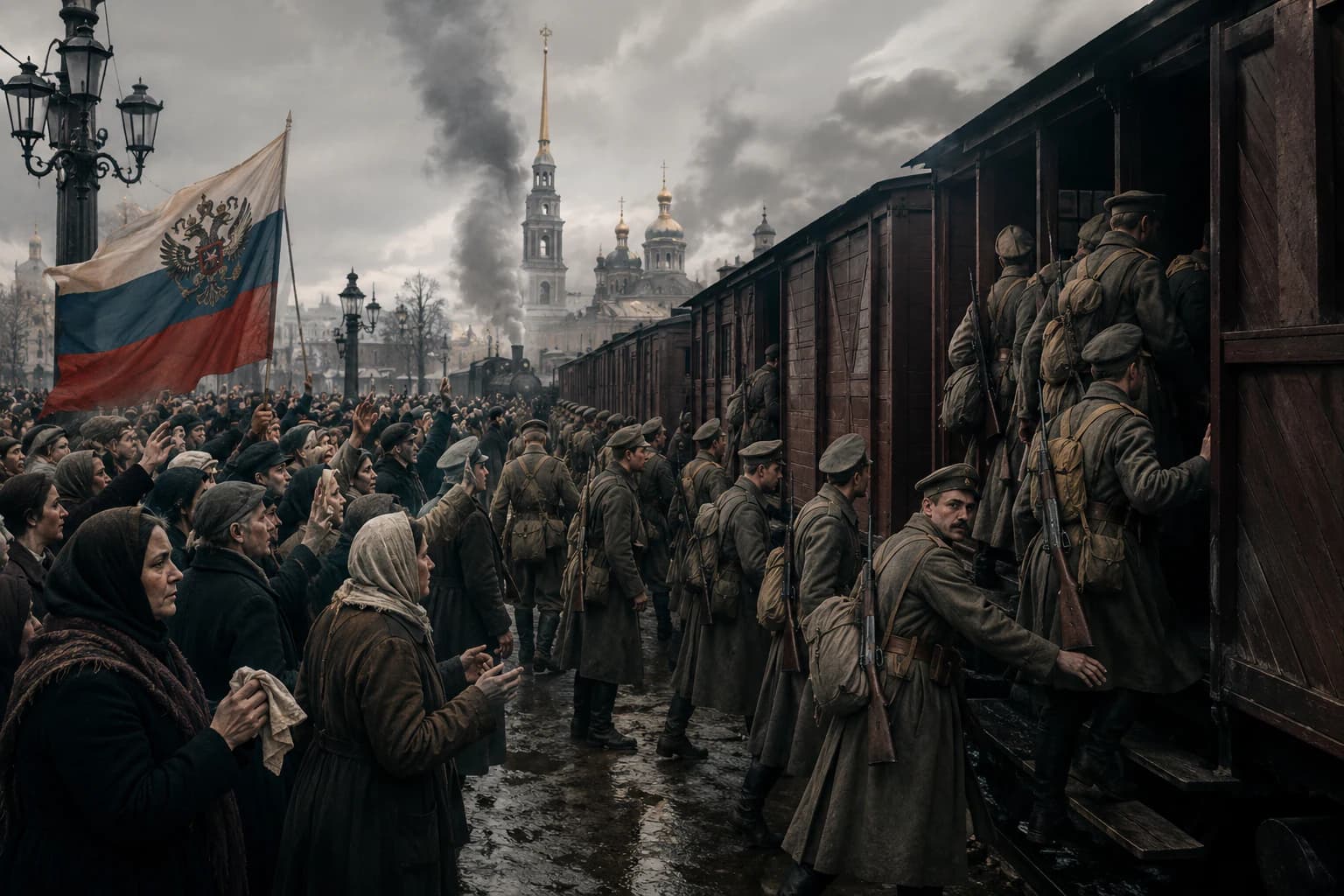
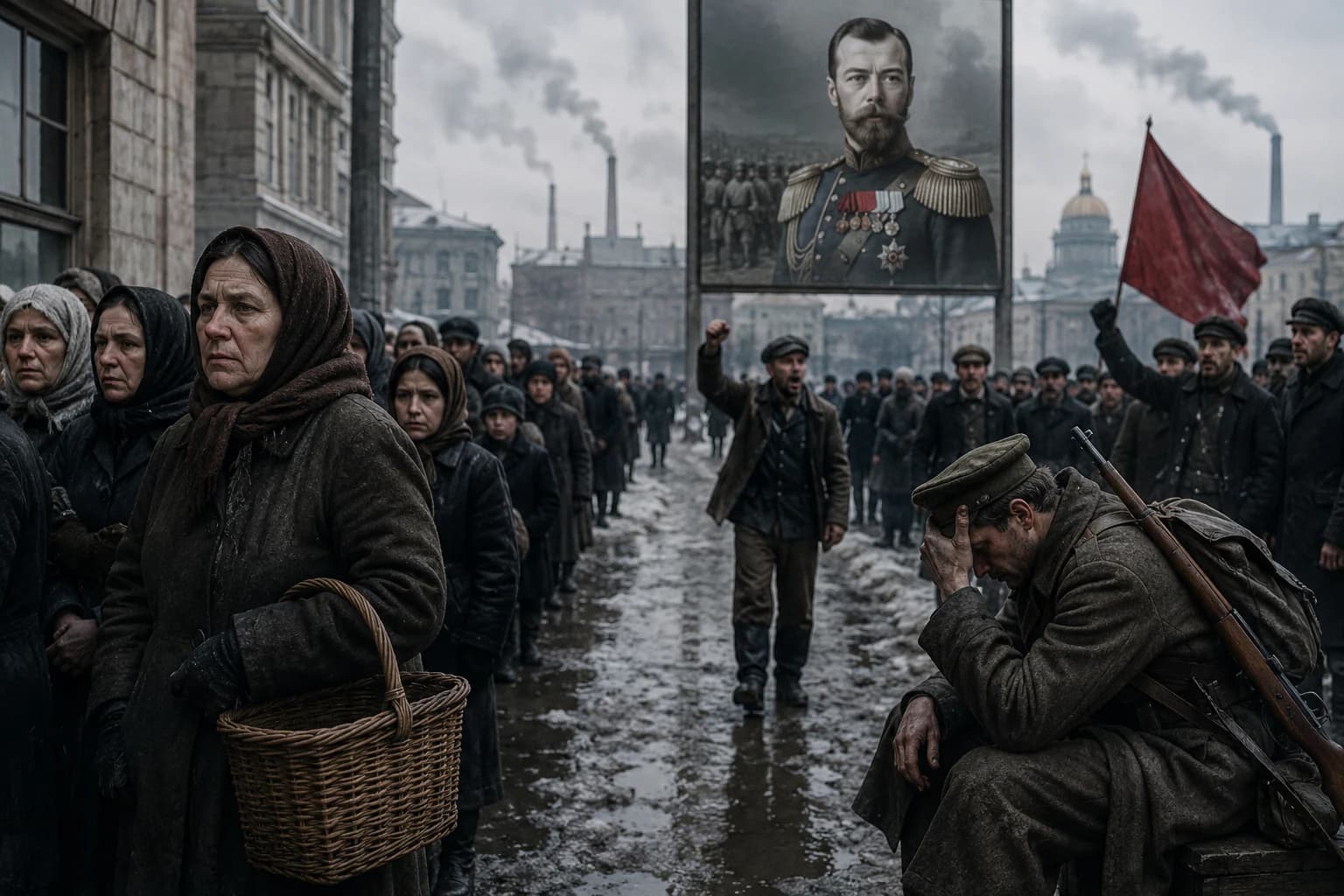
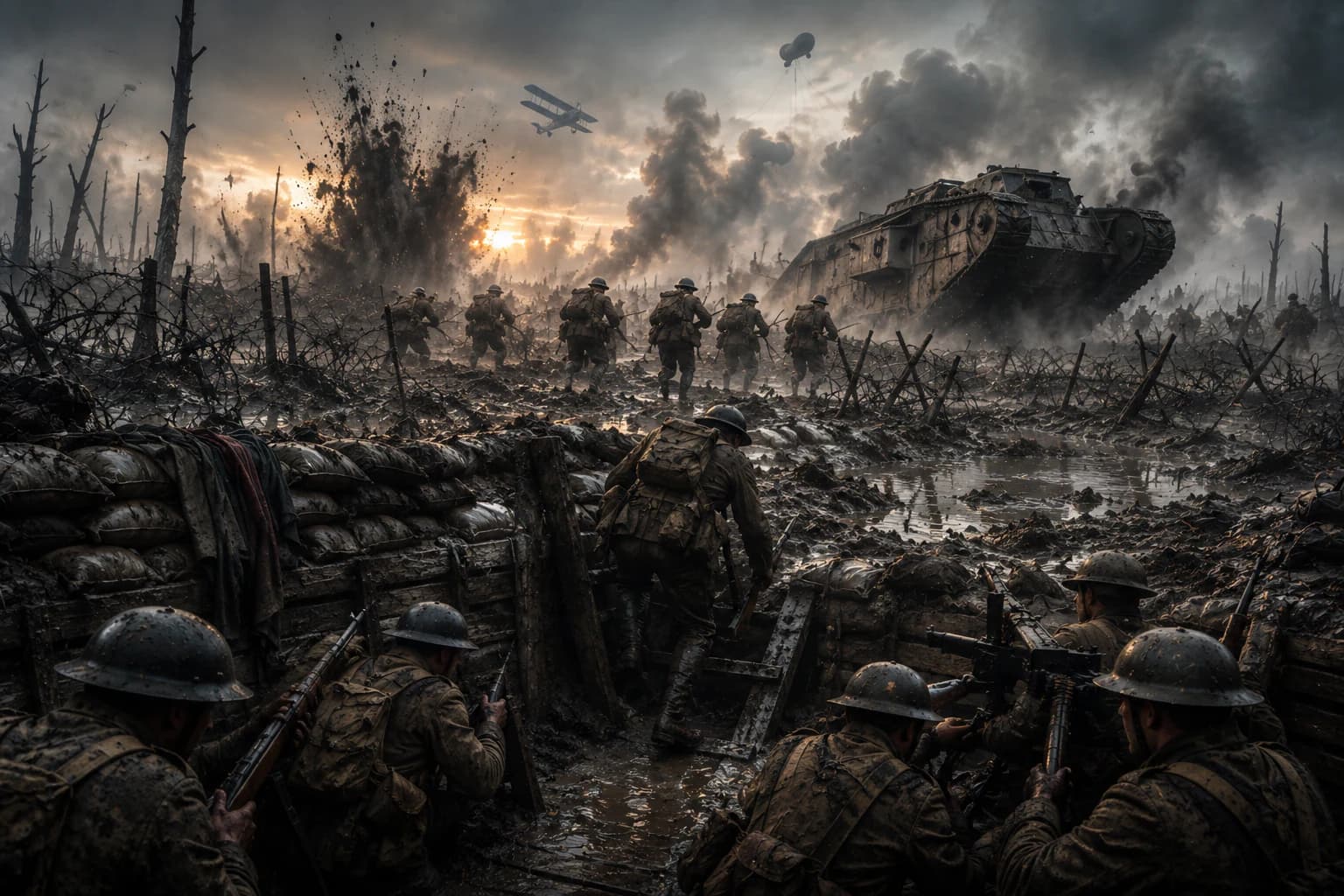
- World War I intensified military, economic, and political breakdown across the empire.
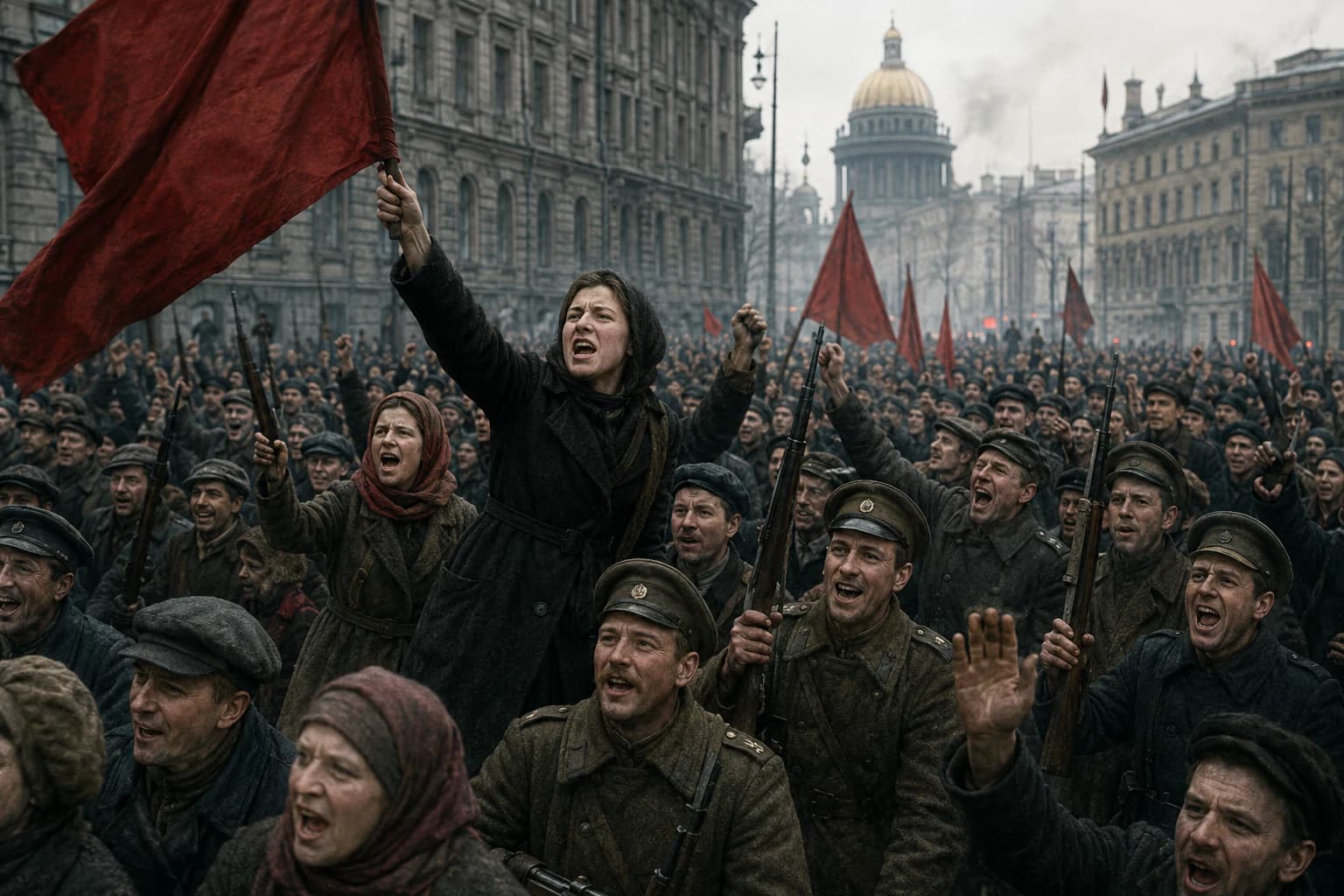
- The February Revolution ended tsarism, but divided authority and continued war destroyed the Provisional Government.
- The Bolsheviks seized power in October and survived through civil war, coercion, and centralized control.