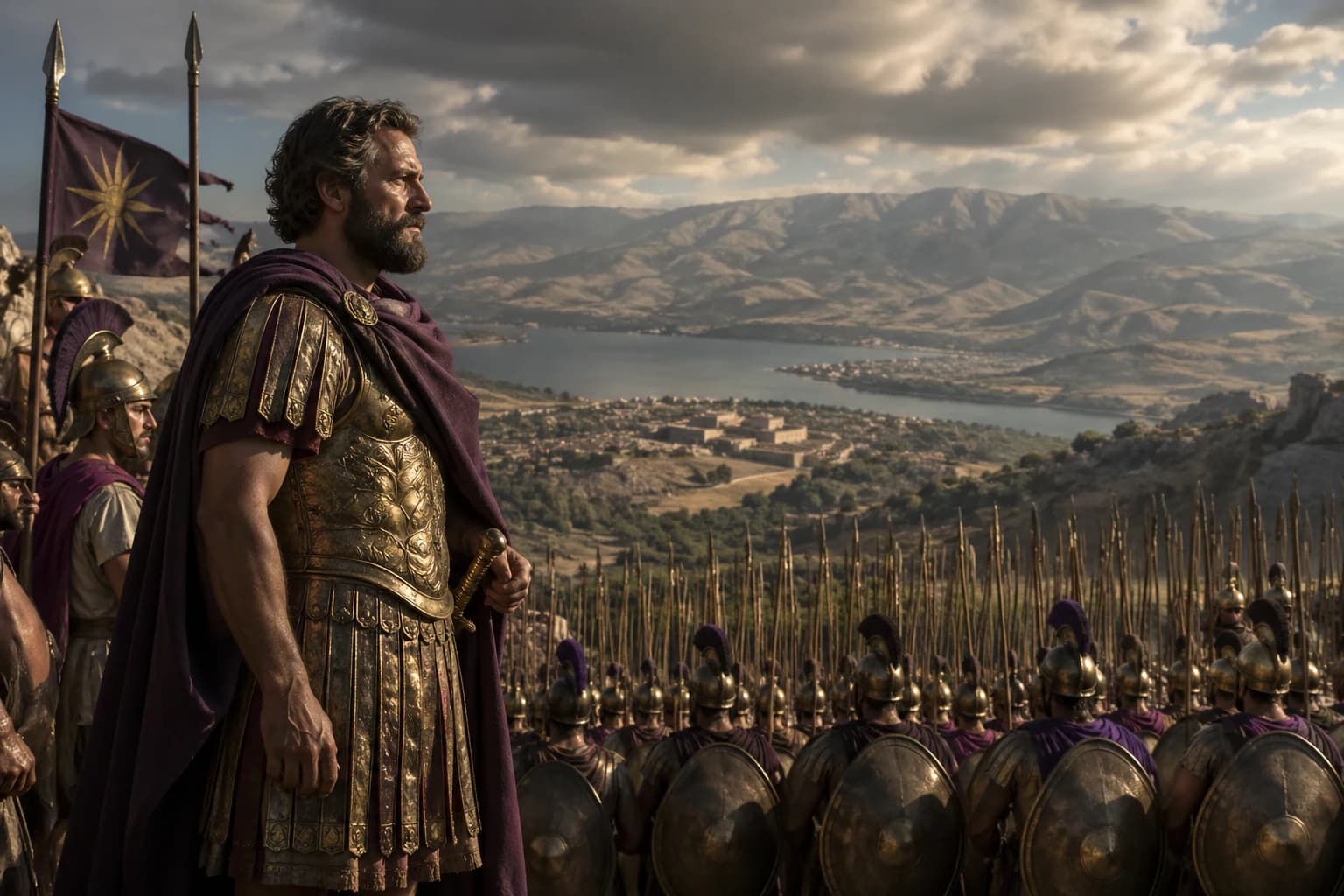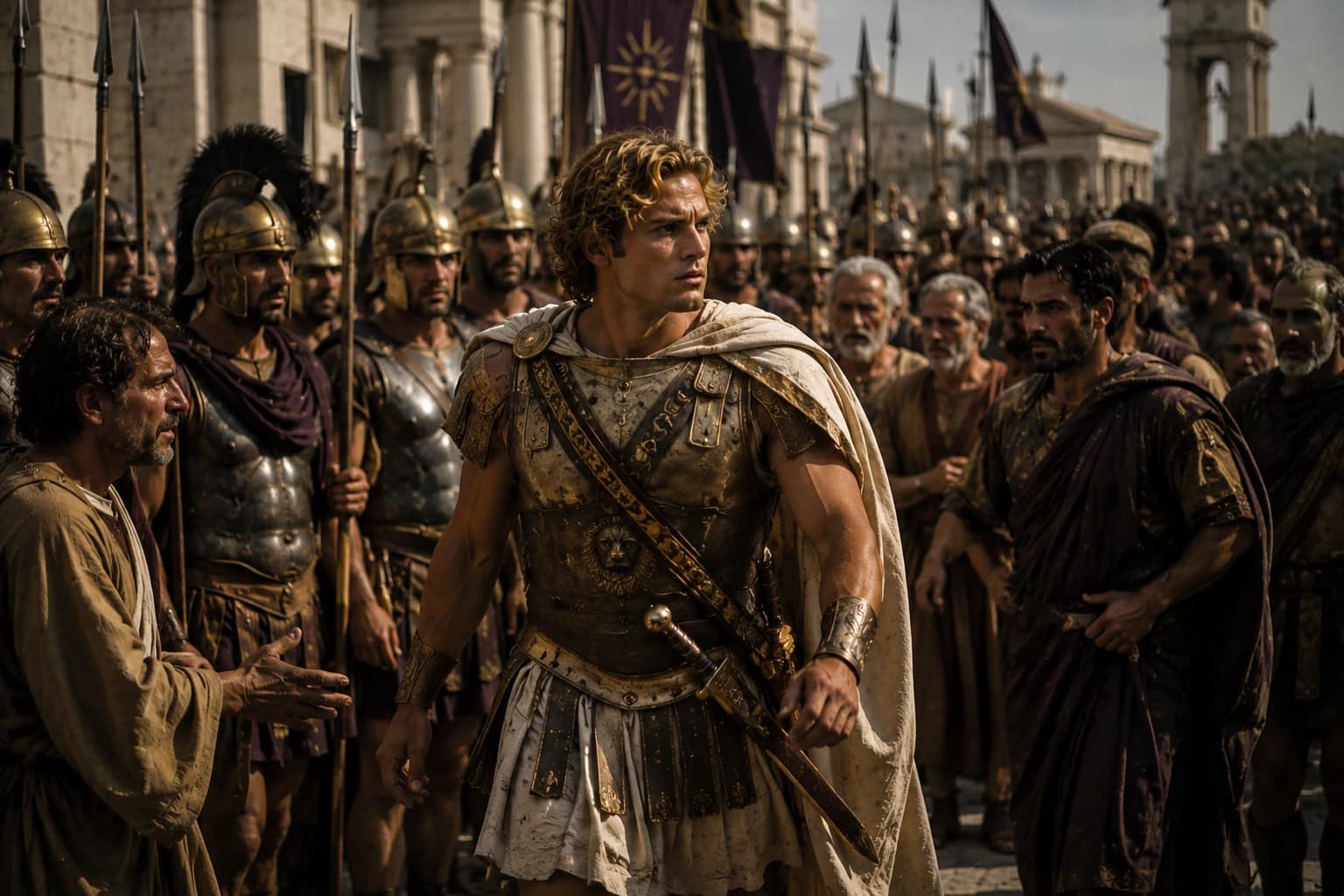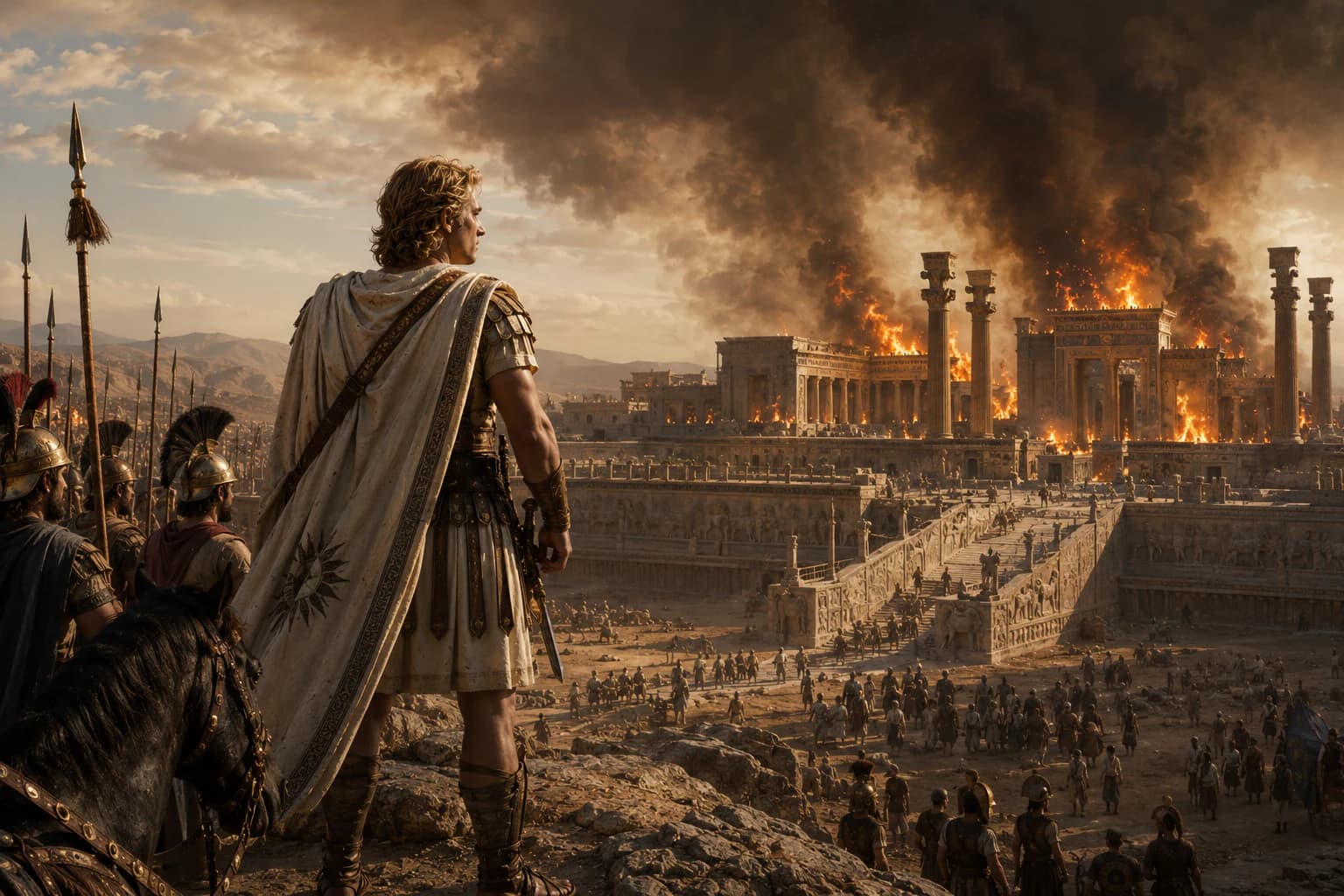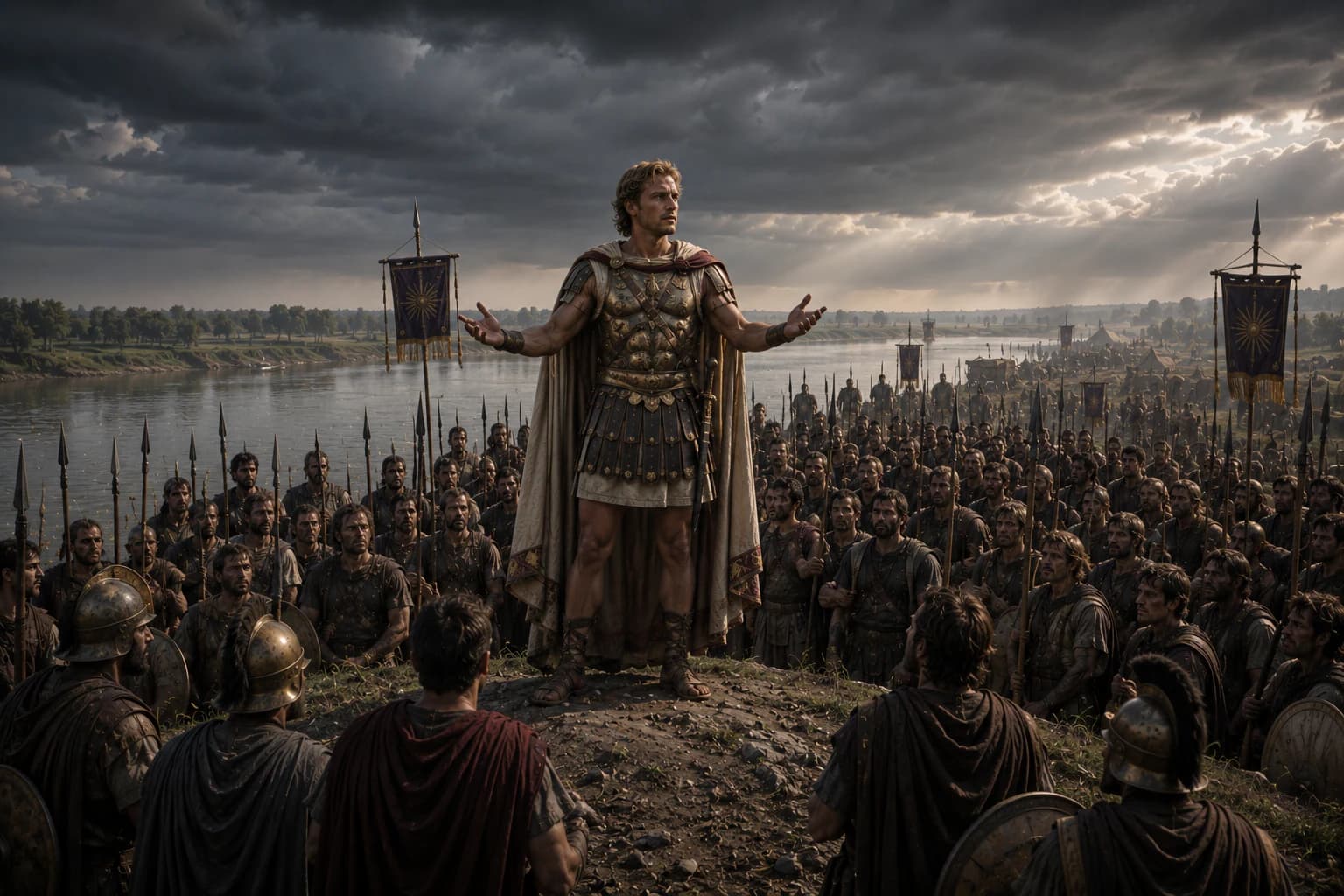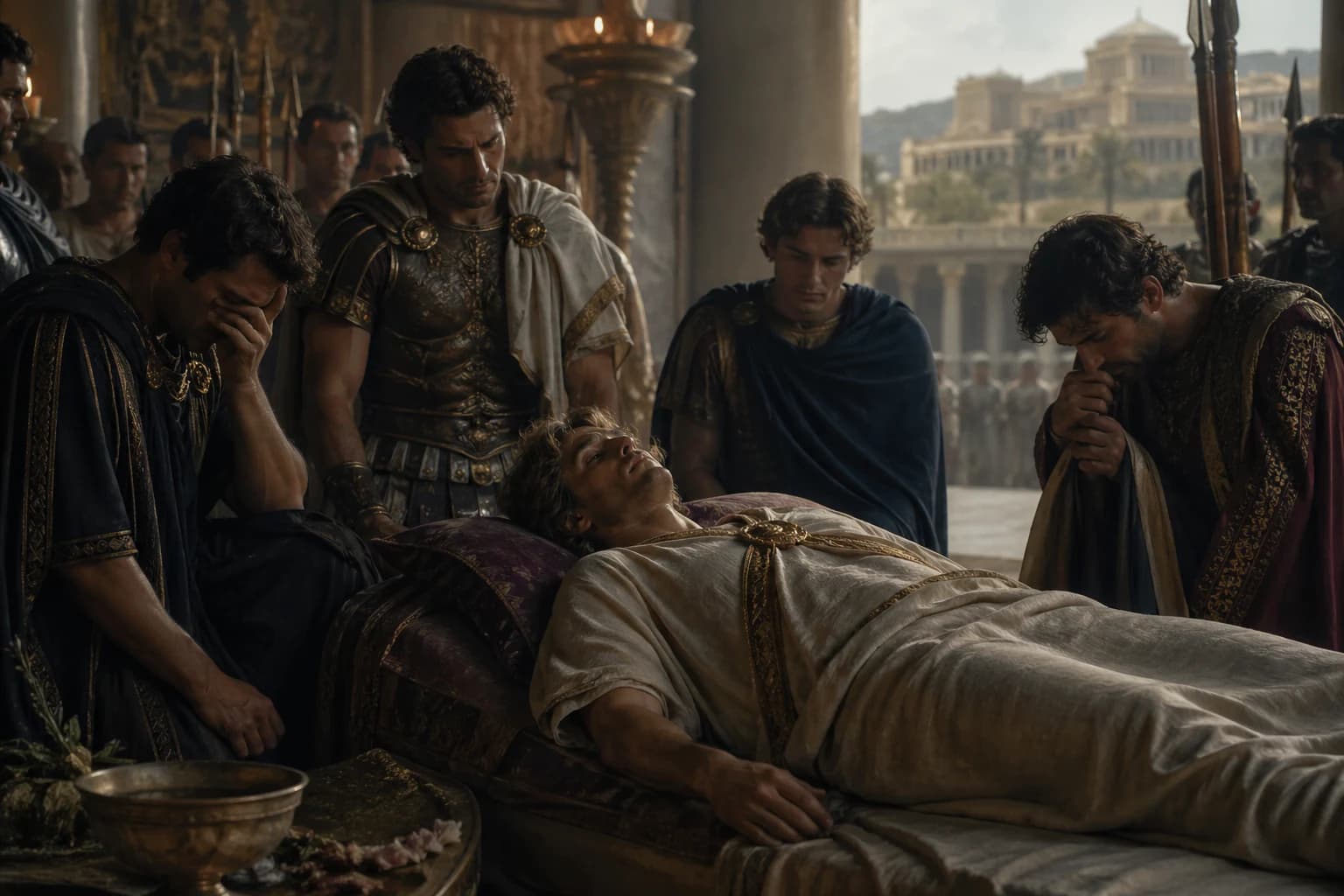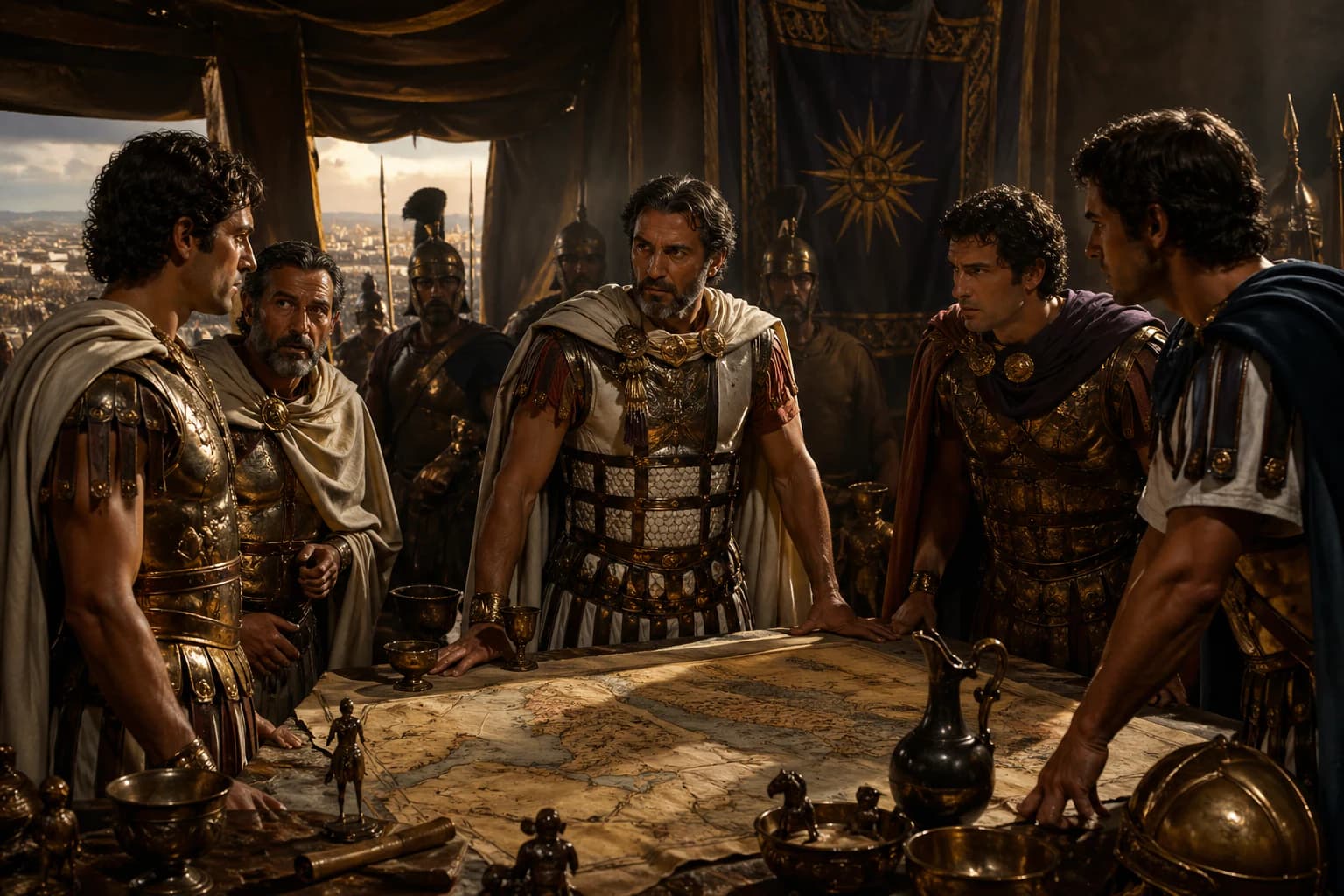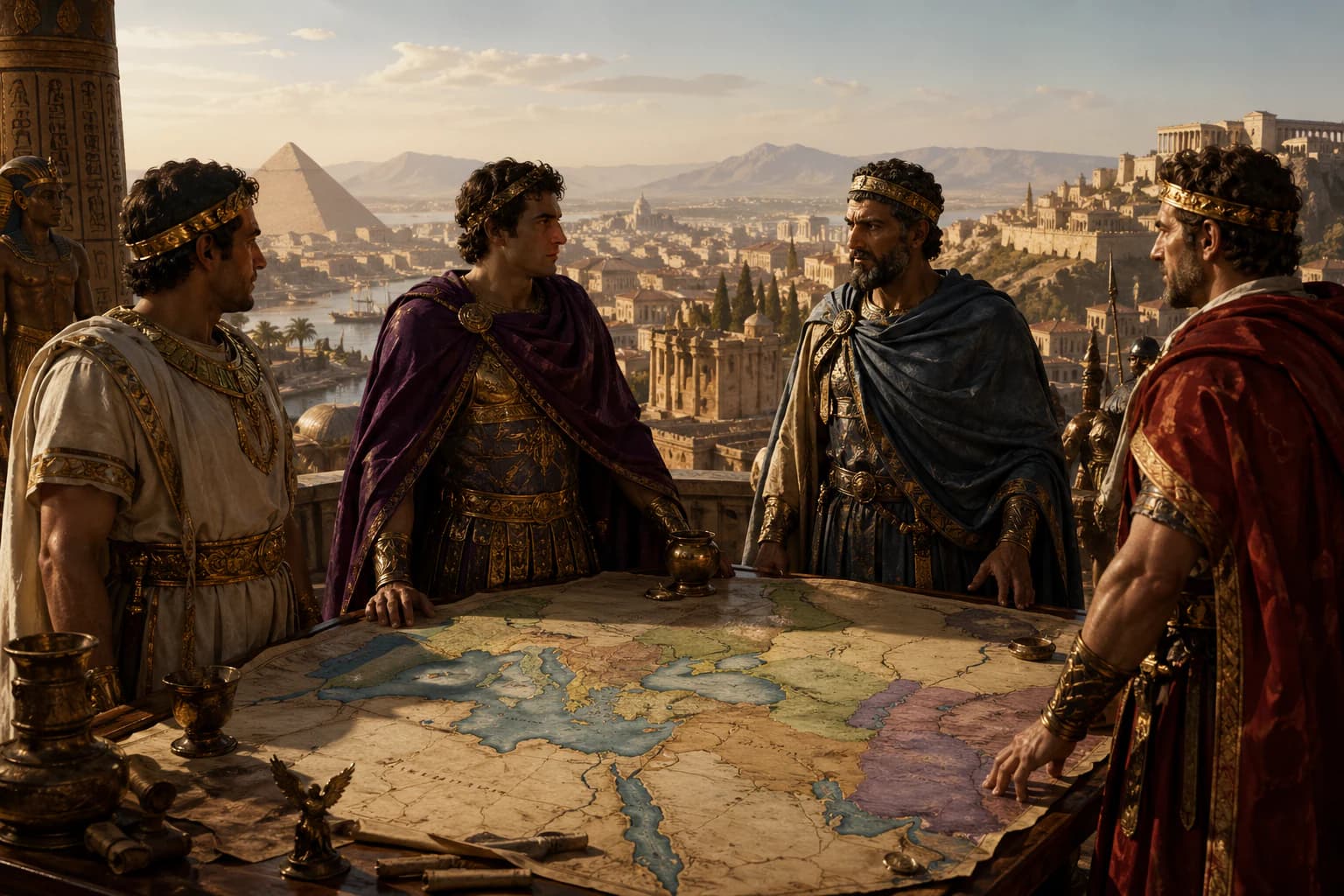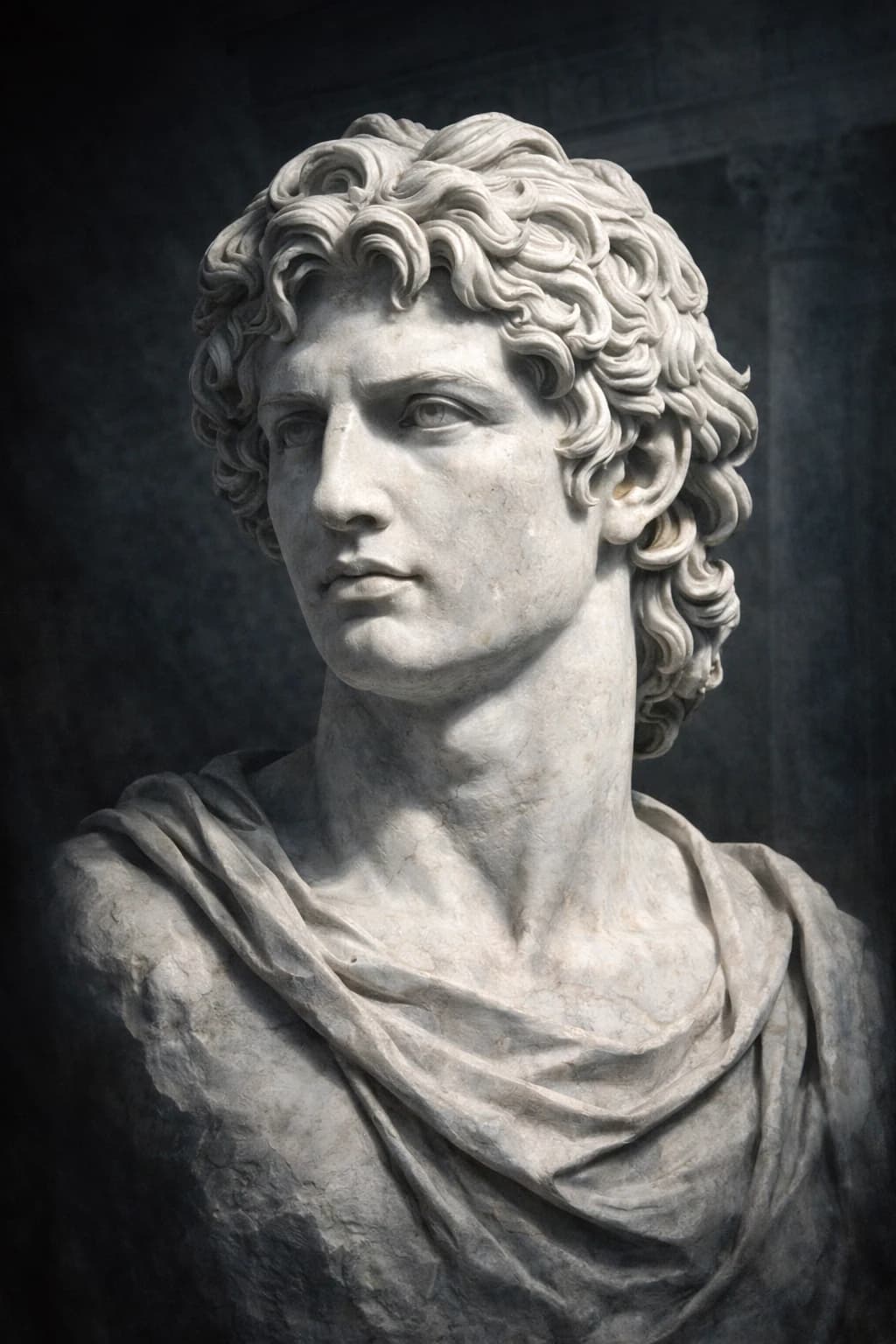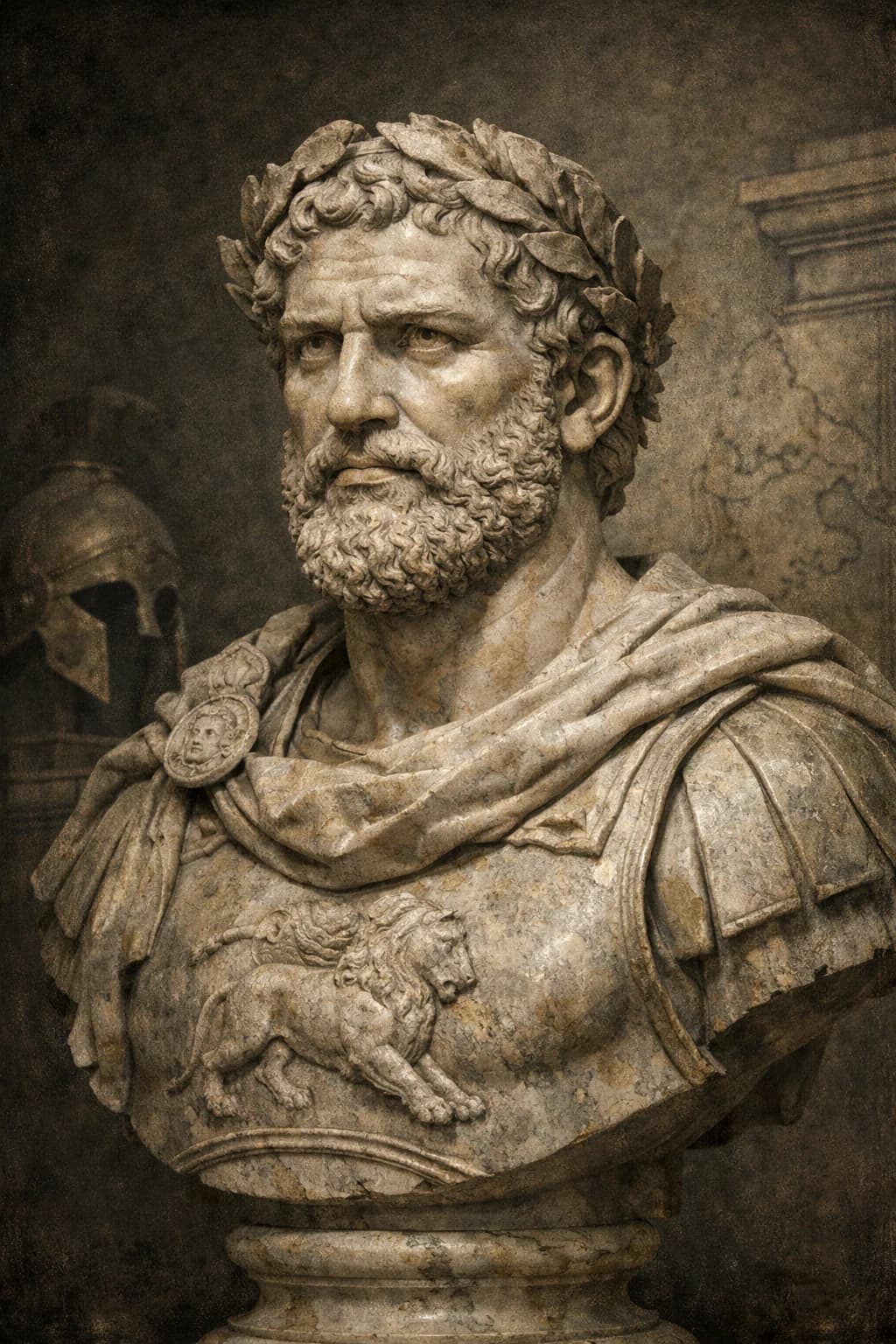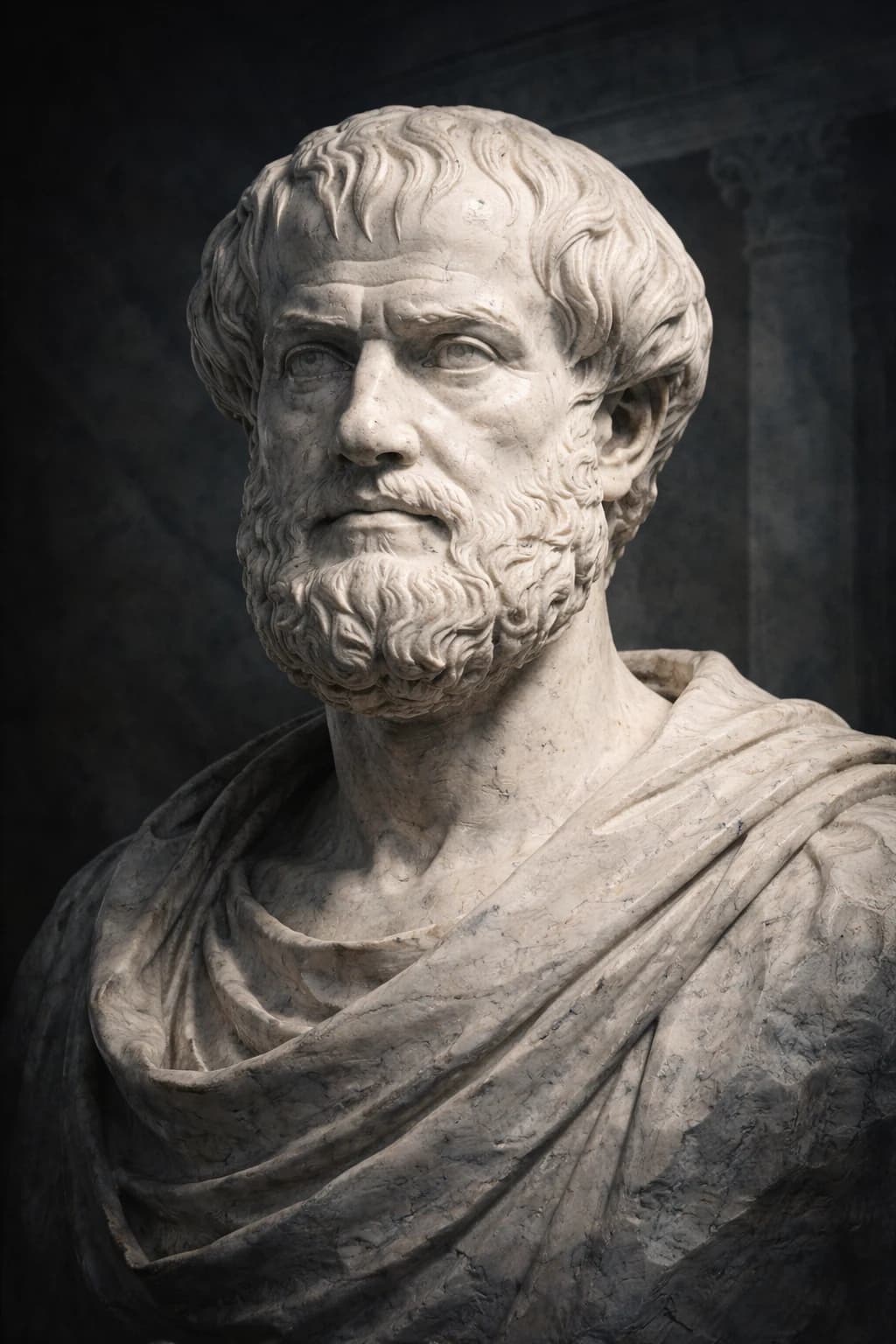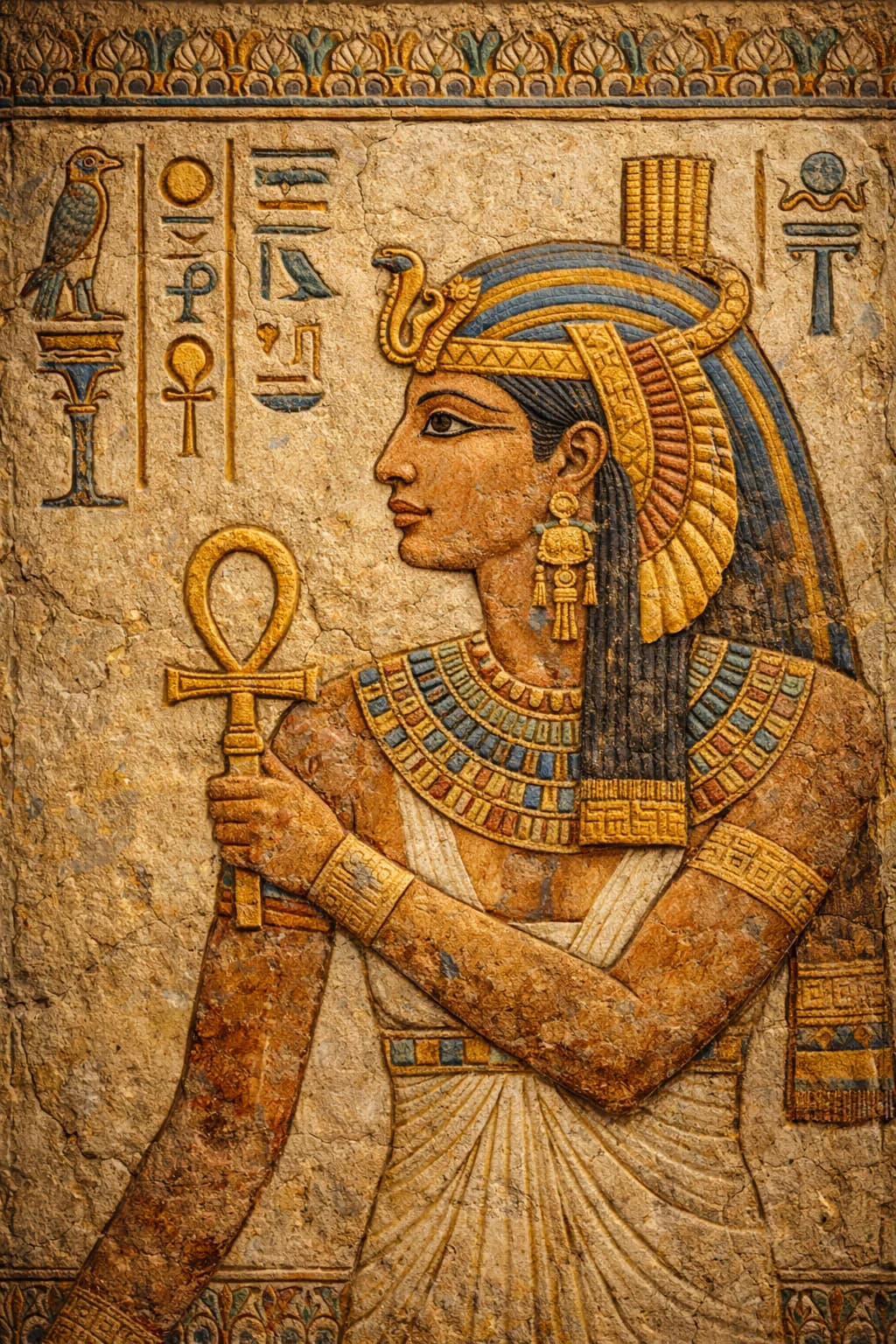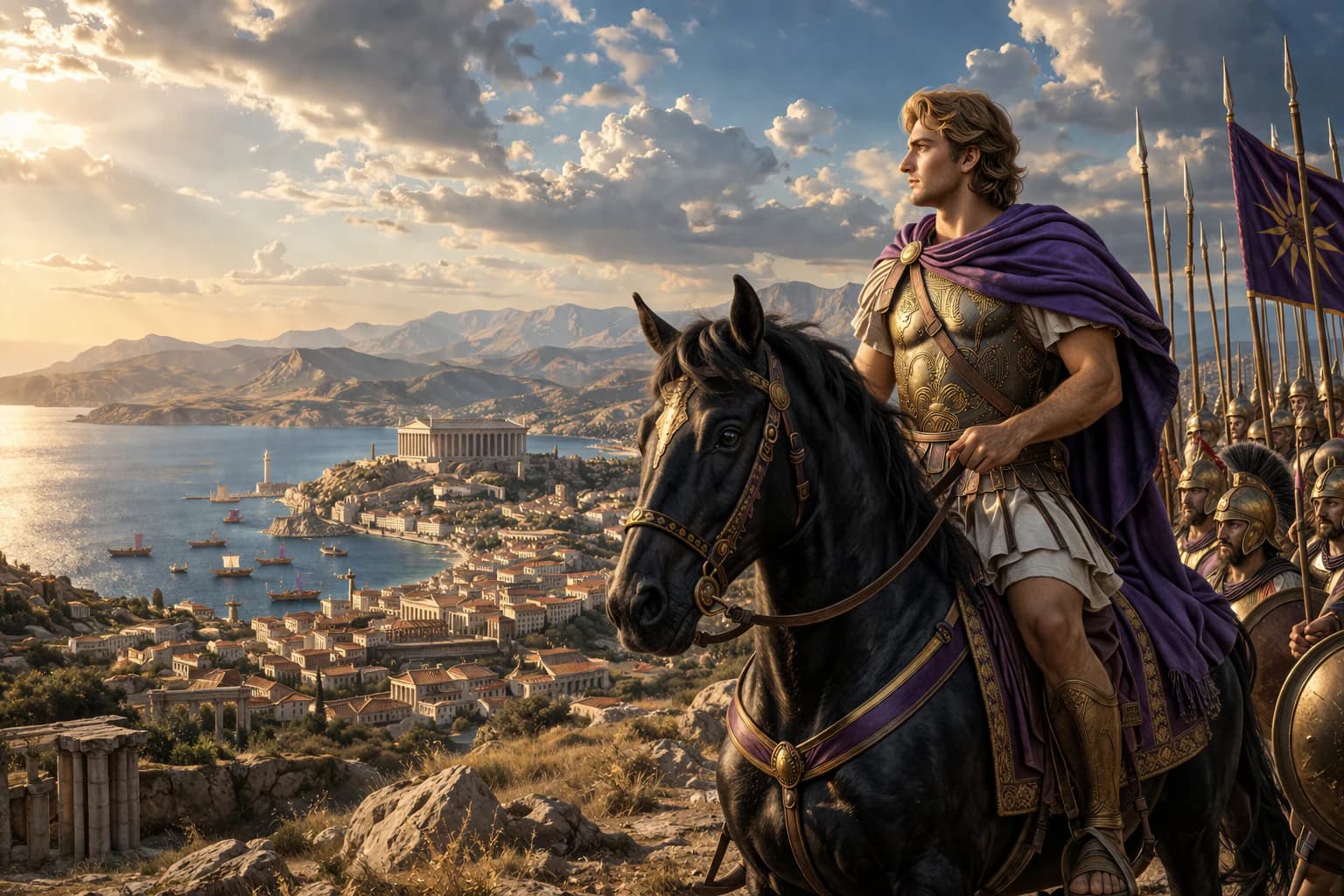
Alexander the Great on horseback leading his cavalry charge at Gaugamela, the Persian army breaking before him across a vast open plain
Premium Story

Alexander the Great and the Hellenistic World

Follow Alexander the Great from Macedon to Persia and into the Hellenistic world he left behind.

11 chapters

Next
Context

Introduction

Overview

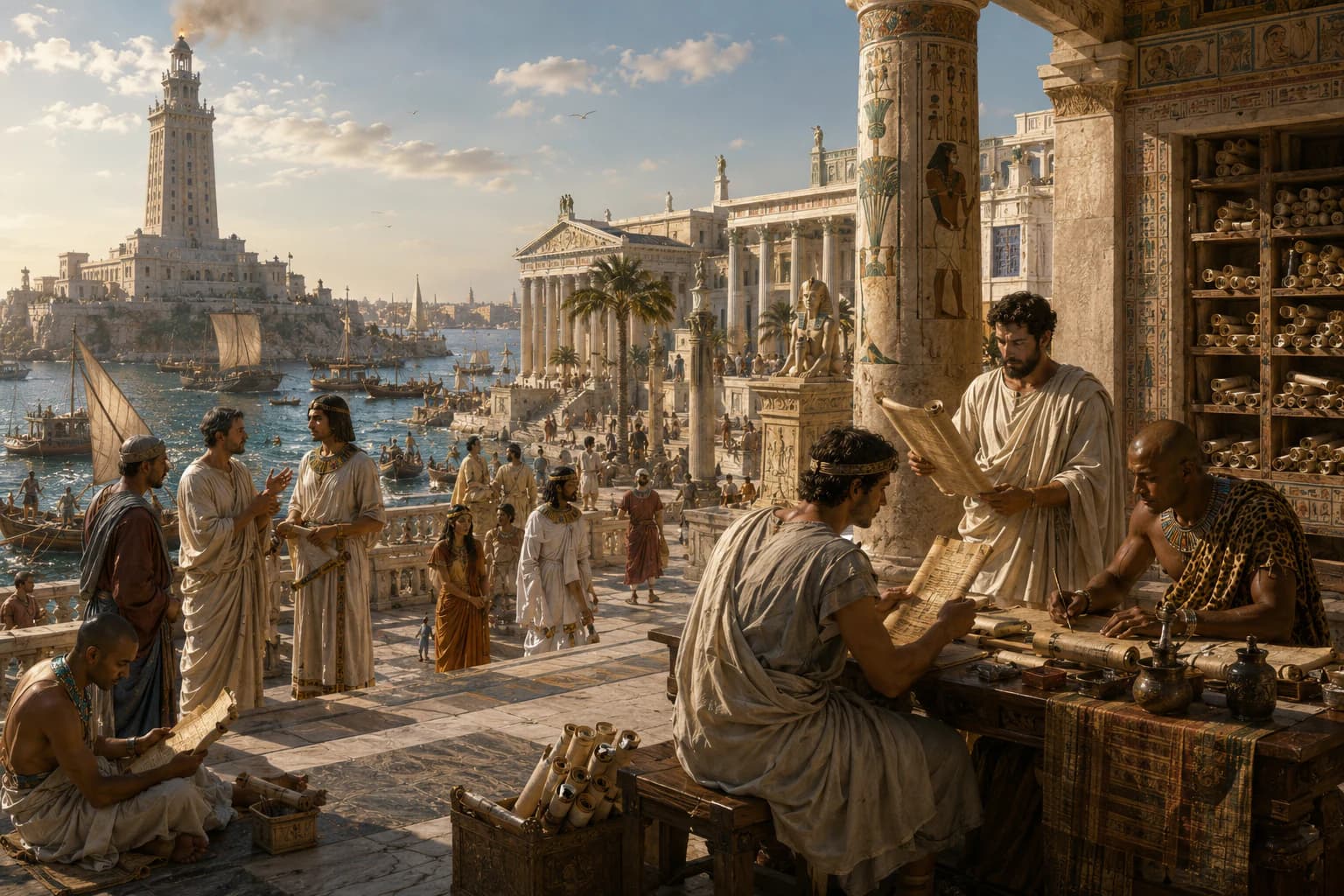
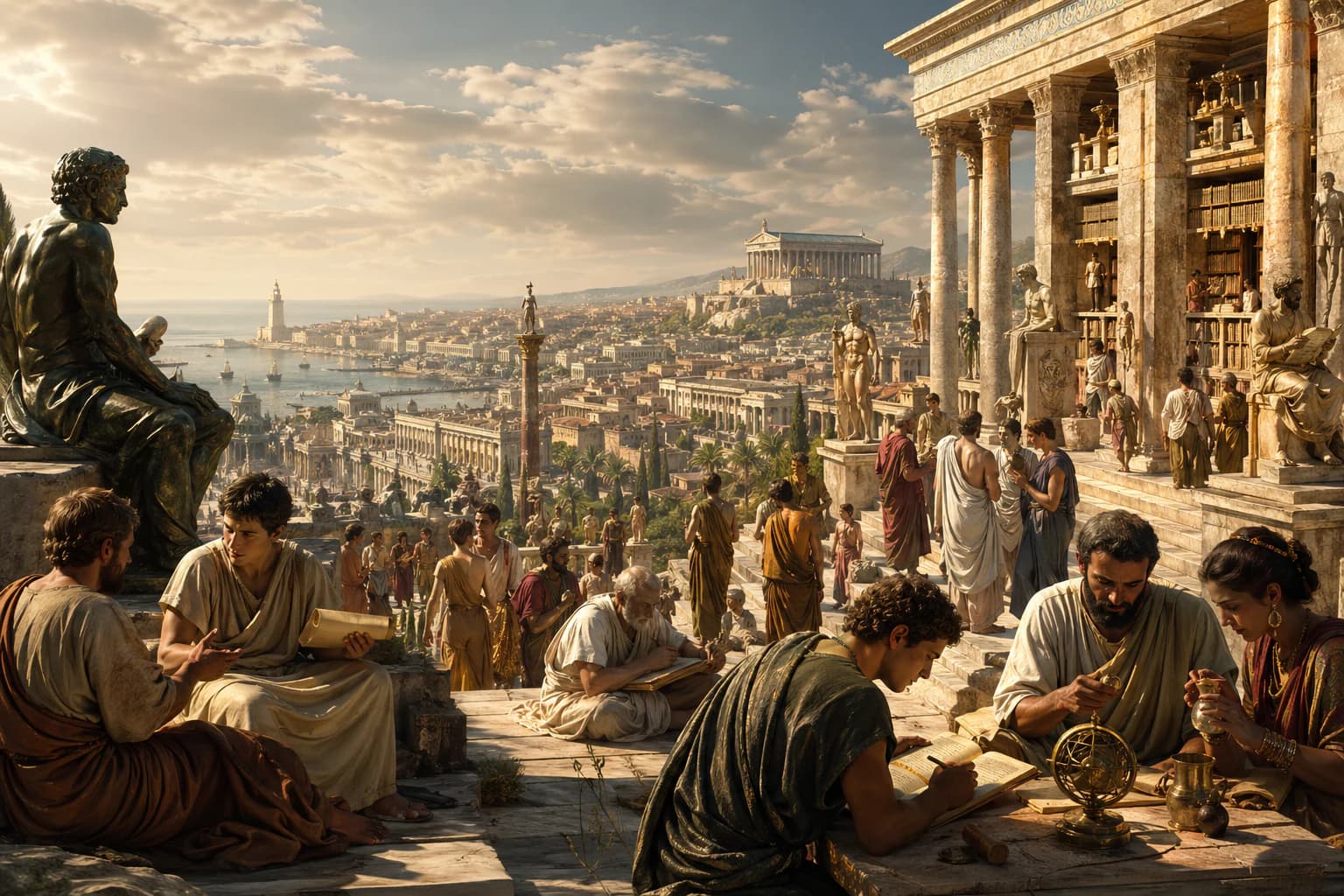
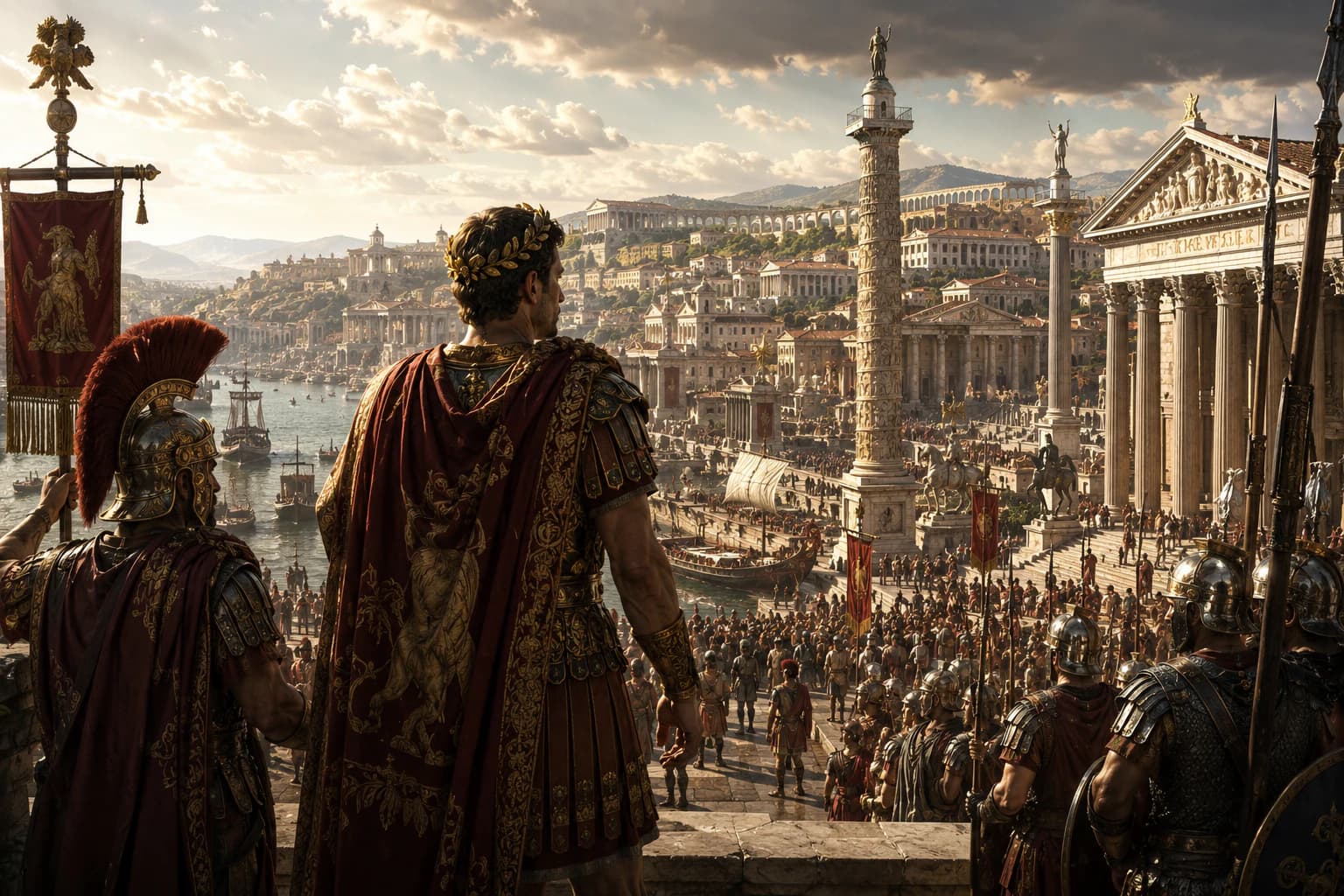
Alexander the Great was the Macedonian king whose conquests destroyed the Persian Empire and spread Greek power from the eastern Mediterranean to Egypt, Central Asia, and India. After his death in 323 BCE, his empire fragmented into Hellenistic kingdoms where Greek, Egyptian, Persian, and Asian traditions mixed. The Hellenistic world reshaped cities, warfare, kingship, science, philosophy, and culture across a vast connected region.

What you'll learn: You'll see how Philip built the empire Alexander inherited, how Alexander drove it to the limits of the known world, what happened when he died without an heir, and how the Hellenistic kingdoms that followed changed the ancient world's culture, science, and ideas.

Key forces

Philip Builds Macedon
359 BCE
Step 1 of 10359 BCEAccessible mode

Philip Builds Macedon

Before Alexander conquered anything, his father Philip turned from a struggling kingdom into the most powerful state in Greece.

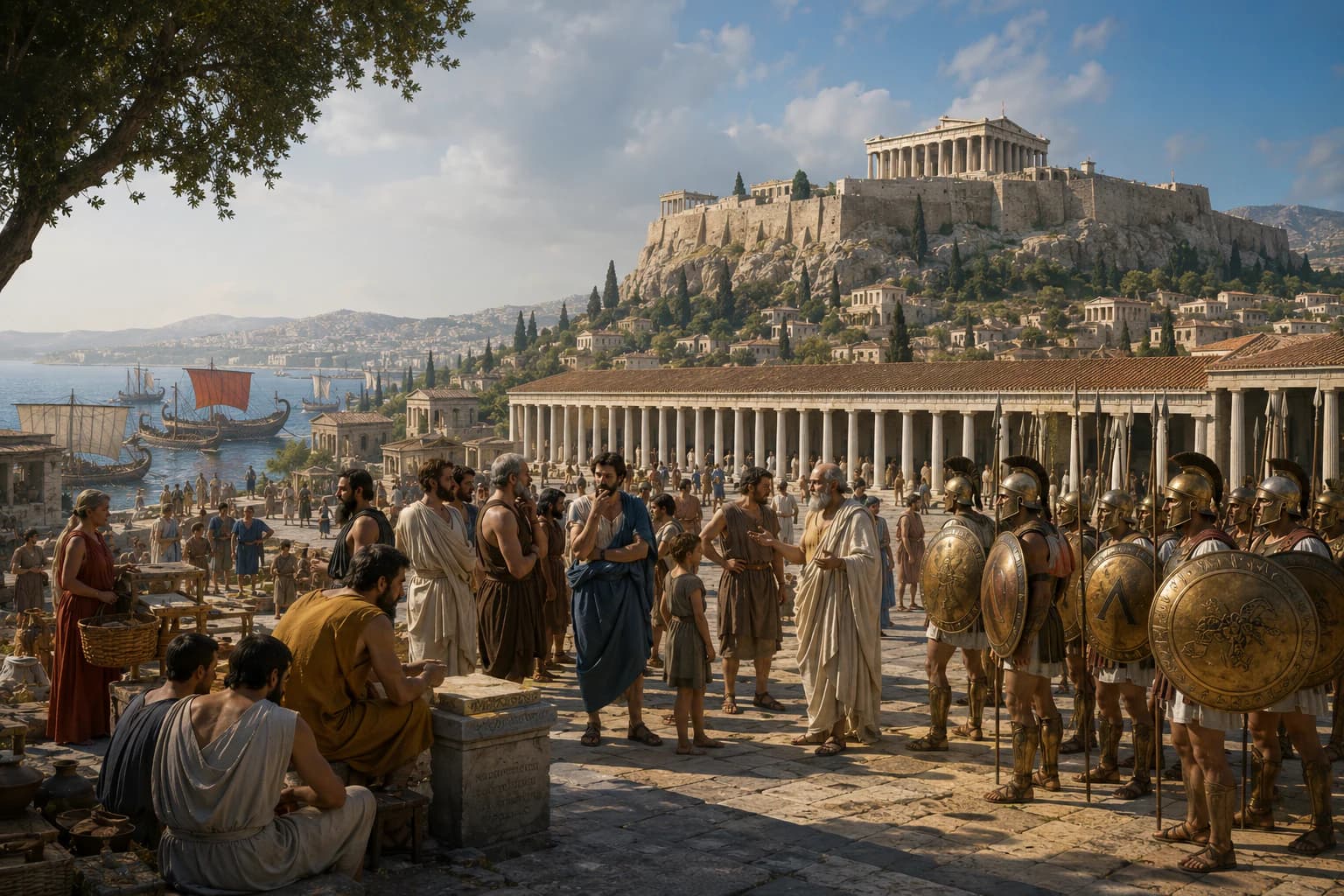
was a northern kingdom that southern Greeks looked down on. When Philip came to power in 359 BCE, it was under attack from neighboring peoples and regarded as a backwater.

Philip transformed the army. He invented a new way of fighting with longer spears and combined cavalry charges, making his soldiers nearly unbeatable on any battlefield.

A new kind of army changed what was possible.

He also used gold, diplomacy, and careful timing to weaken rivals. By the late 340s BCE, dominated northern and central Greece.

Philip defeated and at the Battle of in 338 BCE. He then set up an alliance of Greek states under his command and planned to invade .

He was killed in 336 BCE before the invasion began. Alexander inherited the army, the alliance, and the plan — and everything that followed came from what Philip had built.

Alexander Takes the Throne
336 BCE
Step 2 of 10336 BCEAccessible mode

Alexander Takes the Throne

When Philip was killed in 336 BCE, his son Alexander was just twenty years old. Within two years, he had silenced every rival and was ready to invade .

Philip's death caused immediate trouble. Court rivals threatened Alexander's claim, neighboring peoples saw a chance to break free, and Greek city-states tried to reassert their independence.

Alexander acted with extraordinary speed. He secured the army's loyalty, crushed the northern tribes in rapid campaigns, and turned south before Greece could organize against him.

Speed was Alexander's most powerful weapon.

rose in revolt, believing Alexander was dead after a false rumor. He appeared at the city's walls, gave its citizens a chance to surrender, and when they refused, destroyed it completely.

Other Greek cities quickly submitted. The lesson was plain: Macedonian authority was not negotiable.

With Greece controlled and the frontiers secured, Alexander crossed into Asia in 334 BCE. Everything Philip had built was now in his hands — and he intended to use all of it.

The Invasion of Persia
334 BCE
Step 3 of 10334 BCEAccessible mode

The Invasion of Persia

In 334 BCE, Alexander crossed into Asia with a clear goal: destroy Persian power and avenge earlier Persian invasions of Greece.

The Persian Empire was enormous — far bigger than and Greece combined. It stretched from the to modern Pakistan. But it had weaknesses, and Alexander moved fast to exploit them.

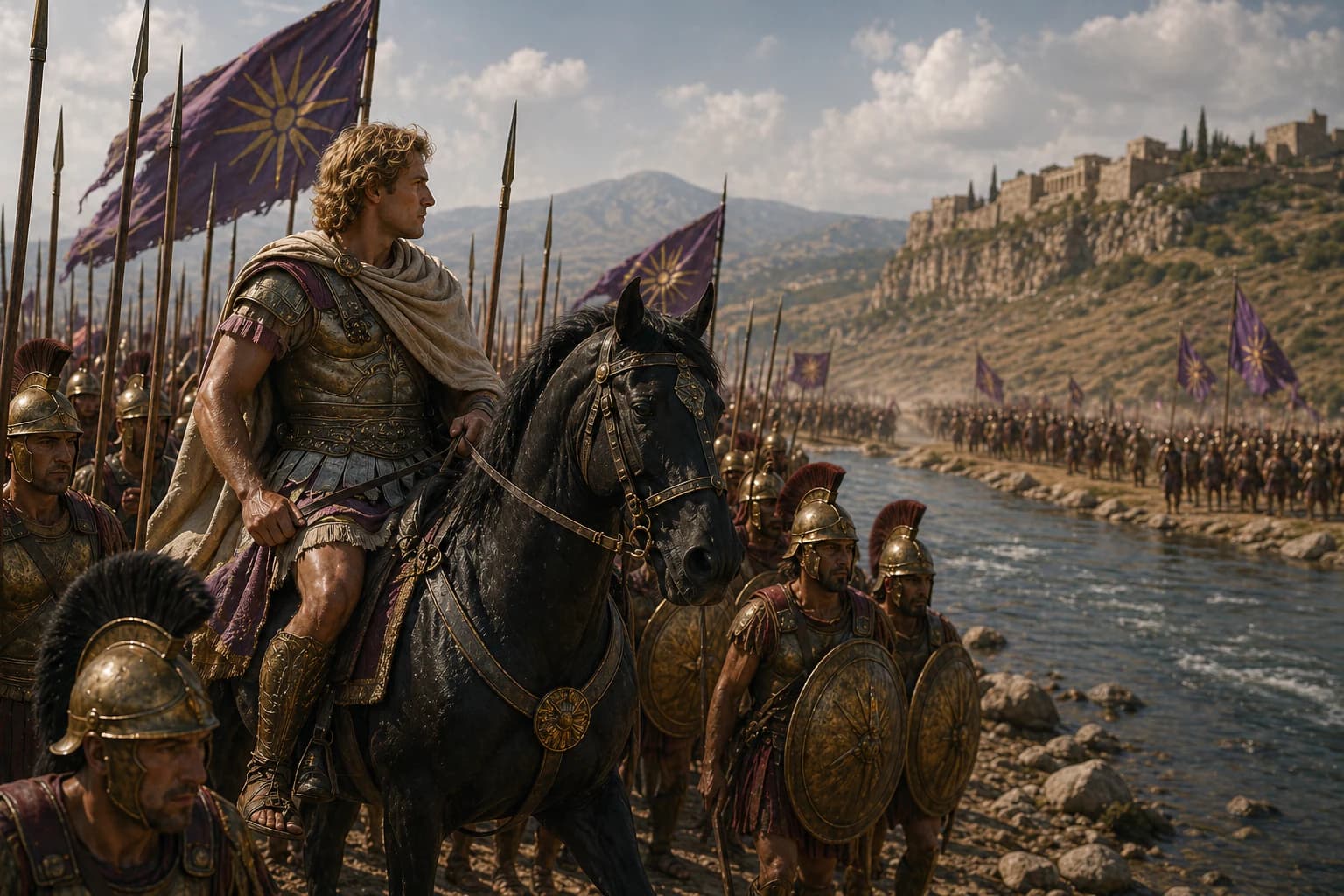
His first victory came at the River . He led his cavalry directly across the river and attacked immediately. The risk paid off: the Persian force was broken.

Alexander fought from the front. That terrified his enemies and inspired his troops.

As he moved along the coast, he freed Greek cities from Persian control and built local support. Unable to match at sea, he captured every port instead to deny the Persian fleet its bases.

The Persian king Darius III finally faced him in battle at in 333 BCE. Alexander's charge broke the Persian line, and Darius fled — leaving behind his own family.

When Darius offered to divide the empire, Alexander refused. He wasn't simply trying to win a war anymore. He was claiming the whole thing.

Premium

You've reached the turning point

The opening chapters show Macedonia preparing the instrument Alexander would wield. Premium follows the cost of conquest after triumph: Persia falls, the army pushes beyond familiar limits, Alexander dies young, and his generals fight over the world he made.

Continue into the reversals, crises and human stakes that make the story matter.

Unlock full story

What Premium unlocks next

  1. 4The Fall of Darius
  2. 5The Push to India
  3. 6Death in Babylon
  4. 7The Wars of the Successors
  5. 8The Hellenistic Kingdoms Emerge
  6. 9Cities of Knowledge
  7. 10The Hellenistic Legacy

Browse stories

Browse stories for free

Explore the people connected to this turning point or enjoy one of our free stories.

Unlock full storyBrowse stories

References

Sources & Further Reading

Reliable sources, primary-source collections and reading paths connected to this page.

Sources used

  1. Encyclopaedia Britannica, Alexander the Great,” Open source
  2. The Metropolitan Museum of Art, The Hellenistic Period,” Open source

Further reading

  1. Peter Green, Alexander to Actium: The Historical Evolution of the Hellenistic Age, University of California Press.

Primary sources

  1. Fordham University, Internet Ancient History Sourcebook,” Open source

A weekly route through history

Find out first about the latest published stories, feature notes and occasional Premium offers in one weekly email.