486 BC
Imperial succession
Xerxes succeeded Darius I in 486 BC, inheriting a vast empire and an unresolved western frontier.
Xerxes I ruled the Achaemenid Persian Empire from 486 to 465 BC. He is best known for the invasion of Greece in 480 BC, including Thermopylae, Salamis, and Plataea.
Achaemenid king of Persia (486-465 BC)
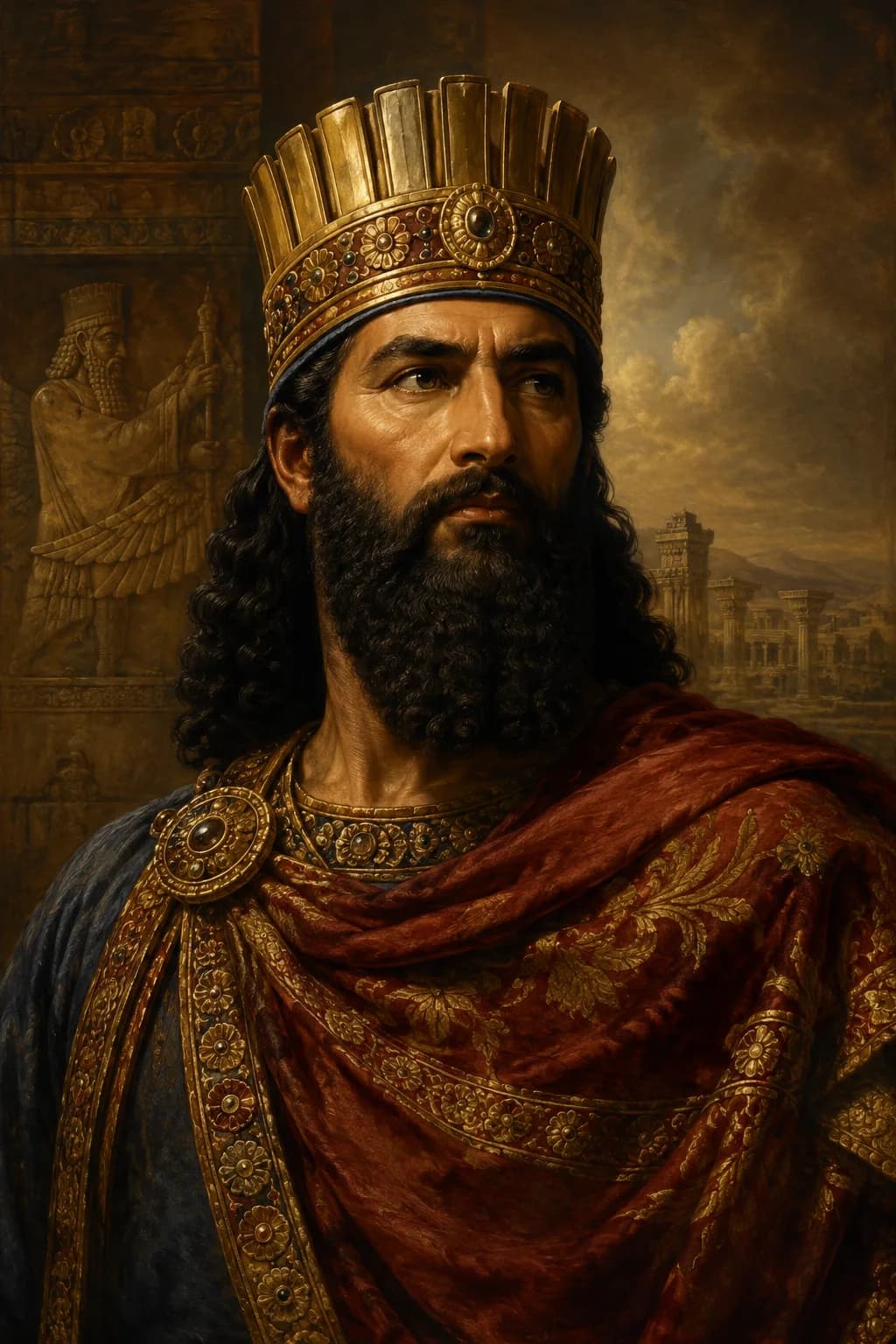
Additional identity and tagging details that are not already covered in the introduction.
Selected specifics from this profile's life story.
Xerxes succeeded Darius I in 486 BC, inheriting a vast empire and an unresolved western frontier.
Early in his reign, Xerxes faced unrest in parts of the empire, including Egypt and Babylonia.
After the failed invasion, Xerxes continued to rule a rich and powerful empire whose influence in Greek politics did not disappear.
Xerxes was killed in 465 BC and became one of the most powerful symbols of Persian monarchy in Greek writing.
Follow Xerxes from imperial succession to revolt, invasion, and the long memory of the Persian Wars.
Xerxes succeeded Darius I in 486 BC, inheriting a vast empire and an unresolved western frontier.
Early in his reign, Xerxes faced unrest in parts of the empire, including Egypt and Babylonia.
Xerxes led a massive invasion of Greece in 480 BC, producing famous battles at Thermopylae, Salamis, and Plataea.
After the failed invasion, Xerxes continued to rule a rich and powerful empire whose influence in Greek politics did not disappear.
Xerxes was killed in 465 BC and became one of the most powerful symbols of Persian monarchy in Greek writing.
Move from the profile into the wider events and settings this figure belongs to.
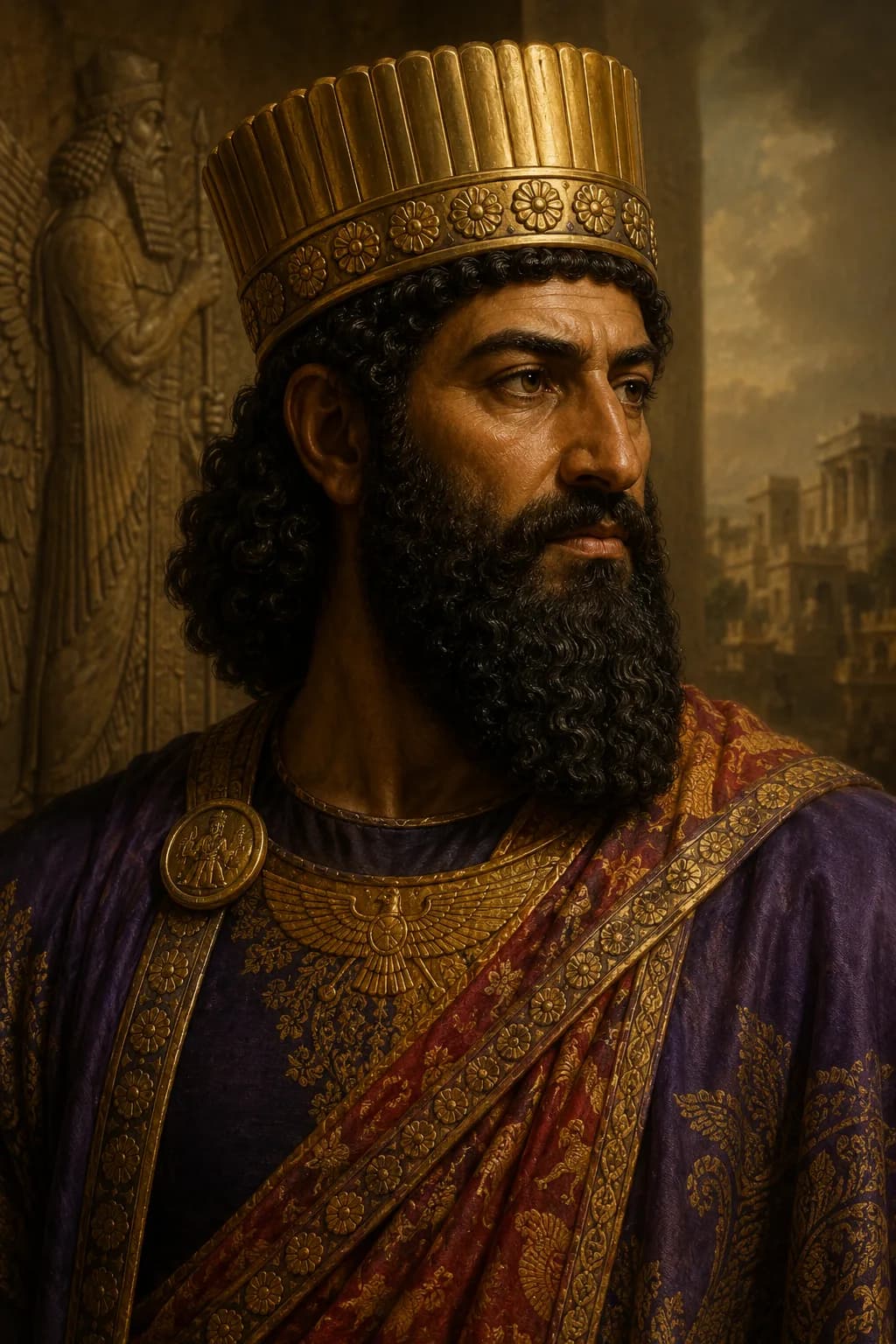
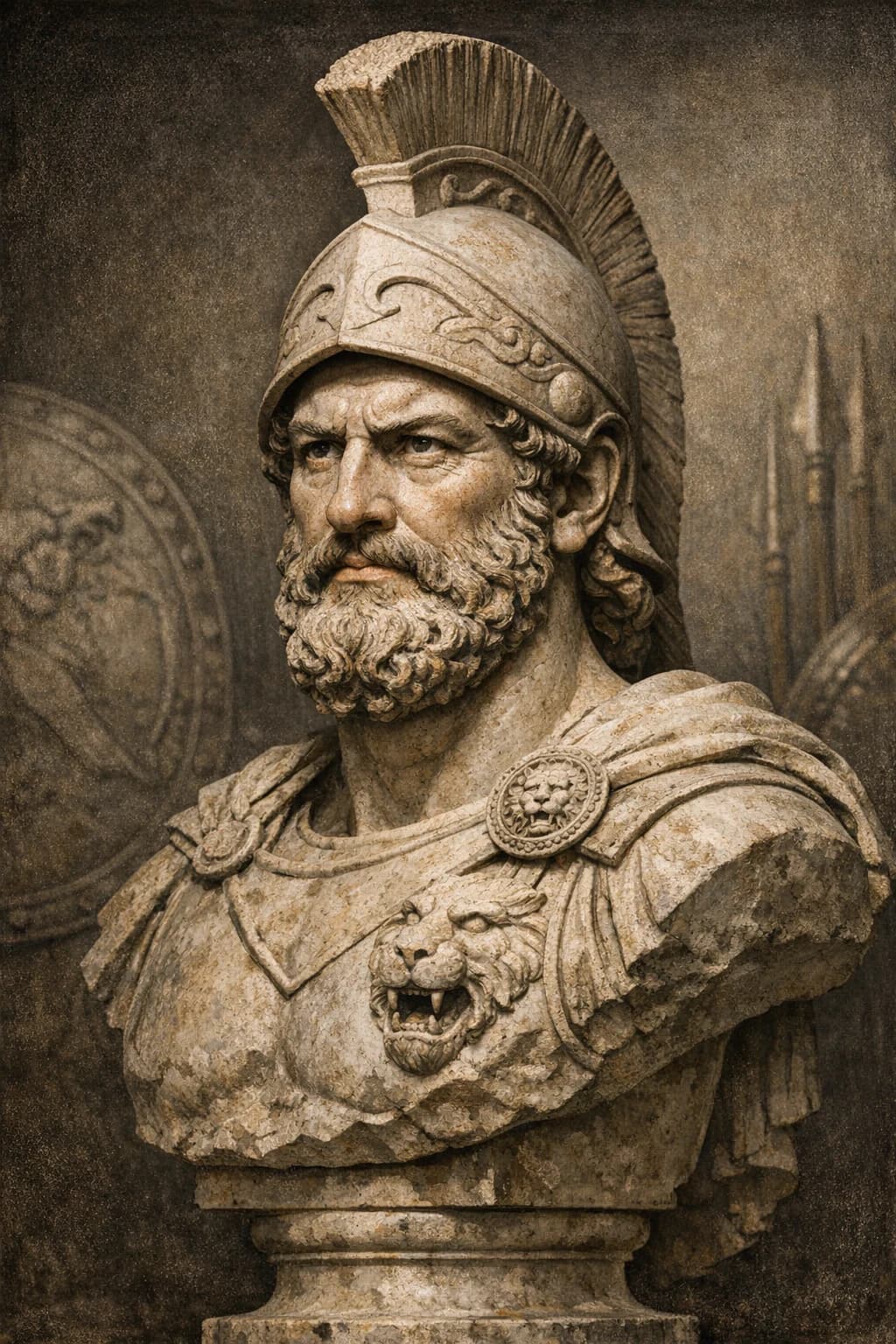
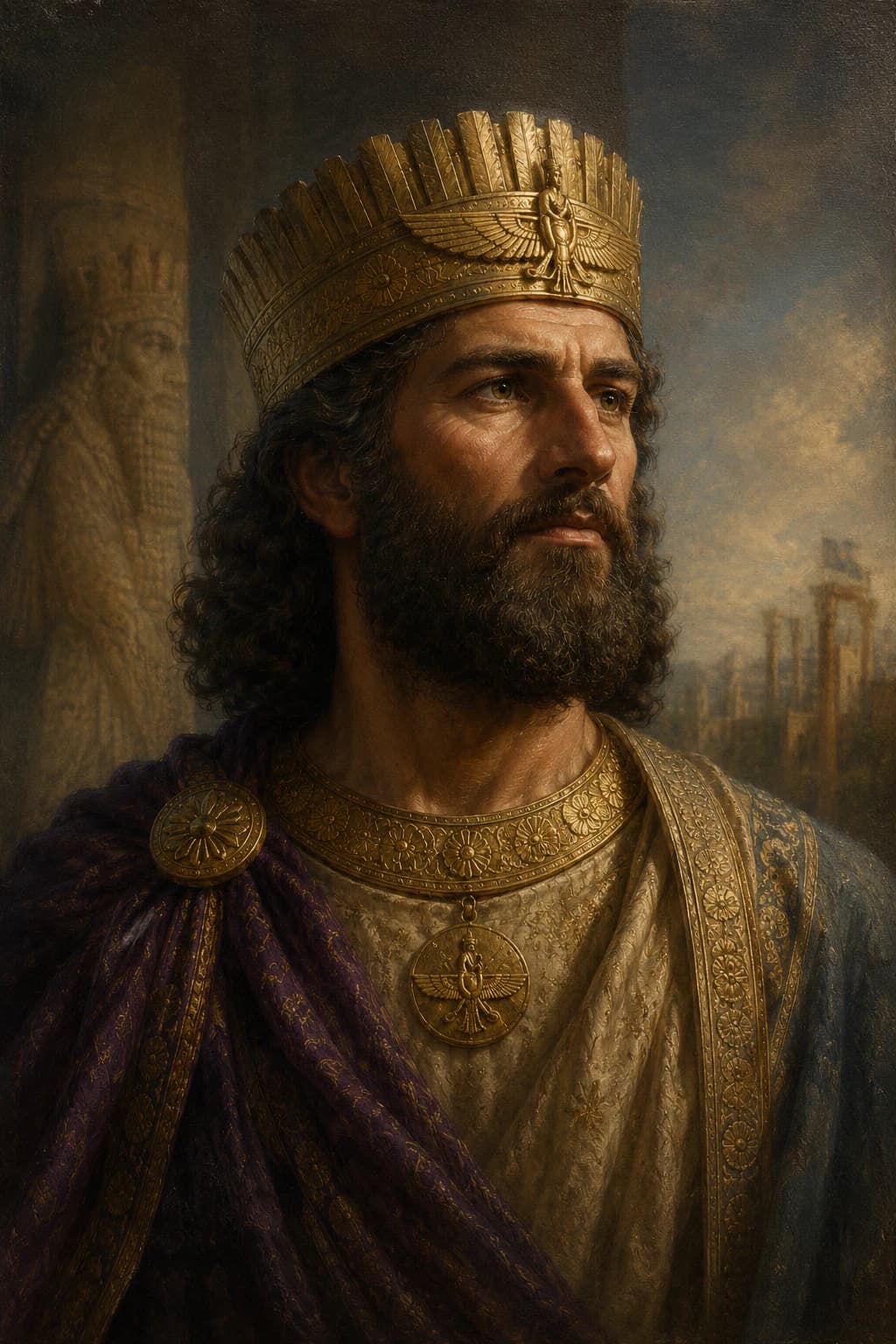
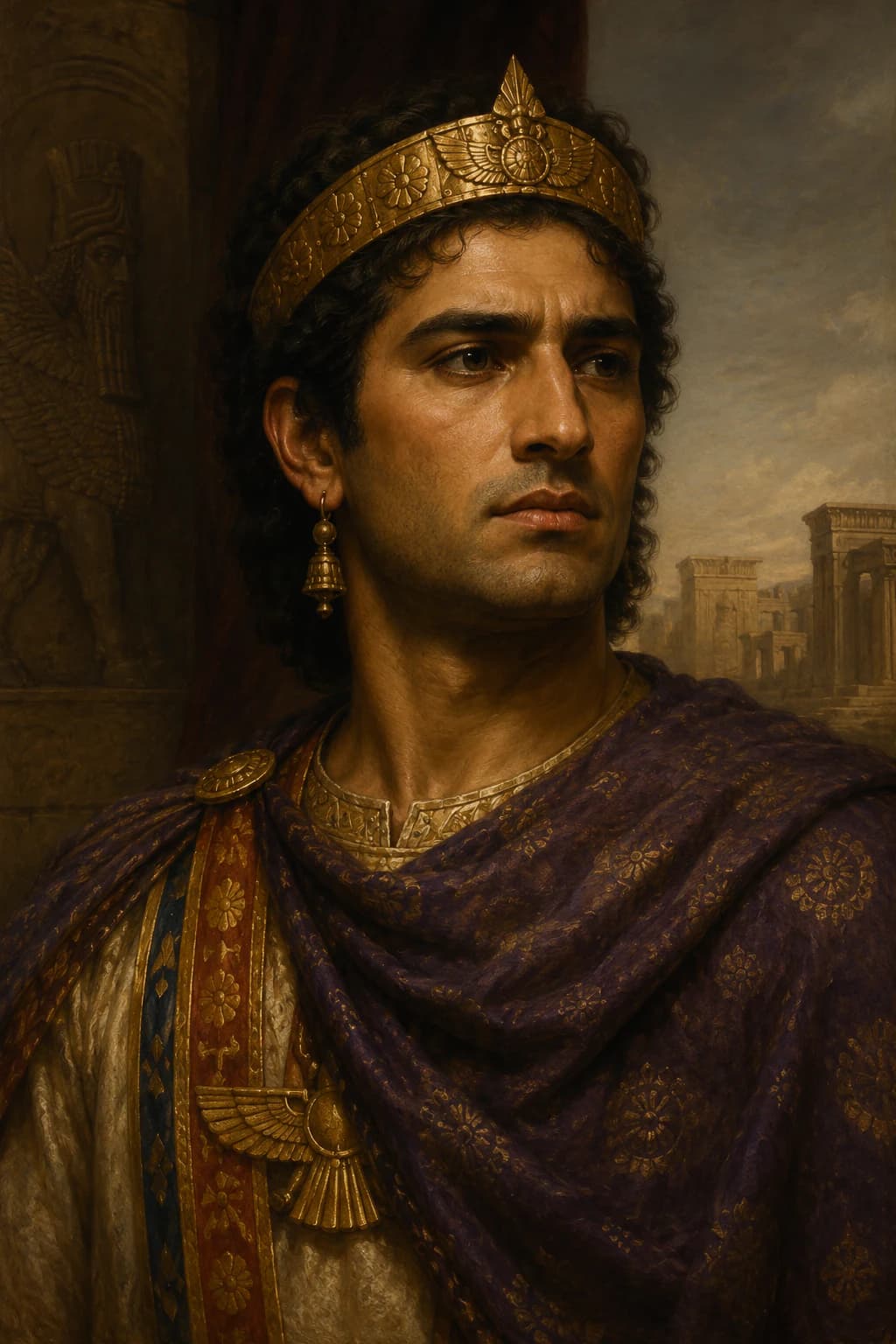
This profile is written for educational use and connects to related Stories of History pages. Illustrations are original artistic interpretations.
Find out first about the latest published stories, feature notes and occasional Premium offers in one weekly email.