Complete chronology
Full overview and deeper context for every journey step.
1843
Ohio upbringing
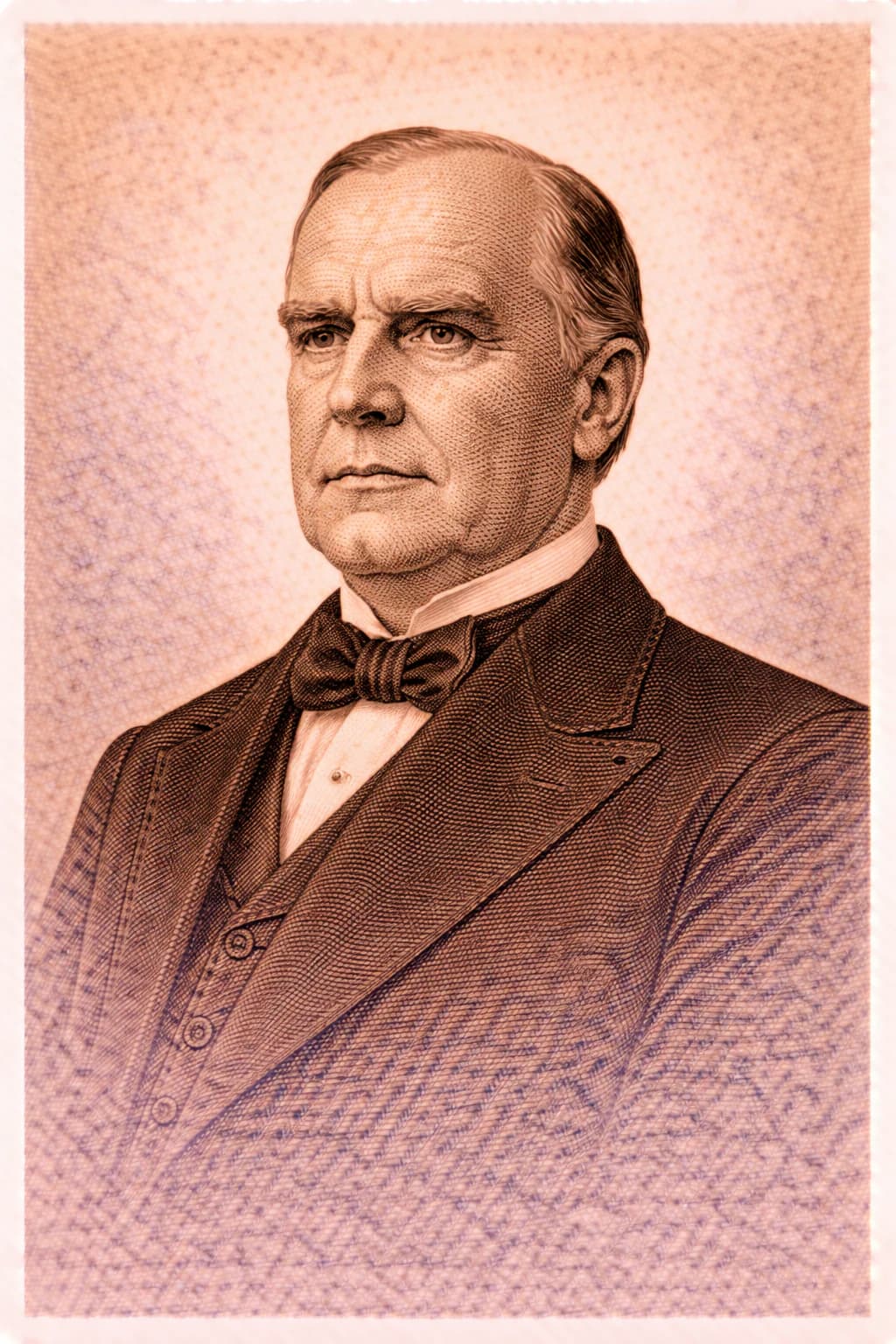
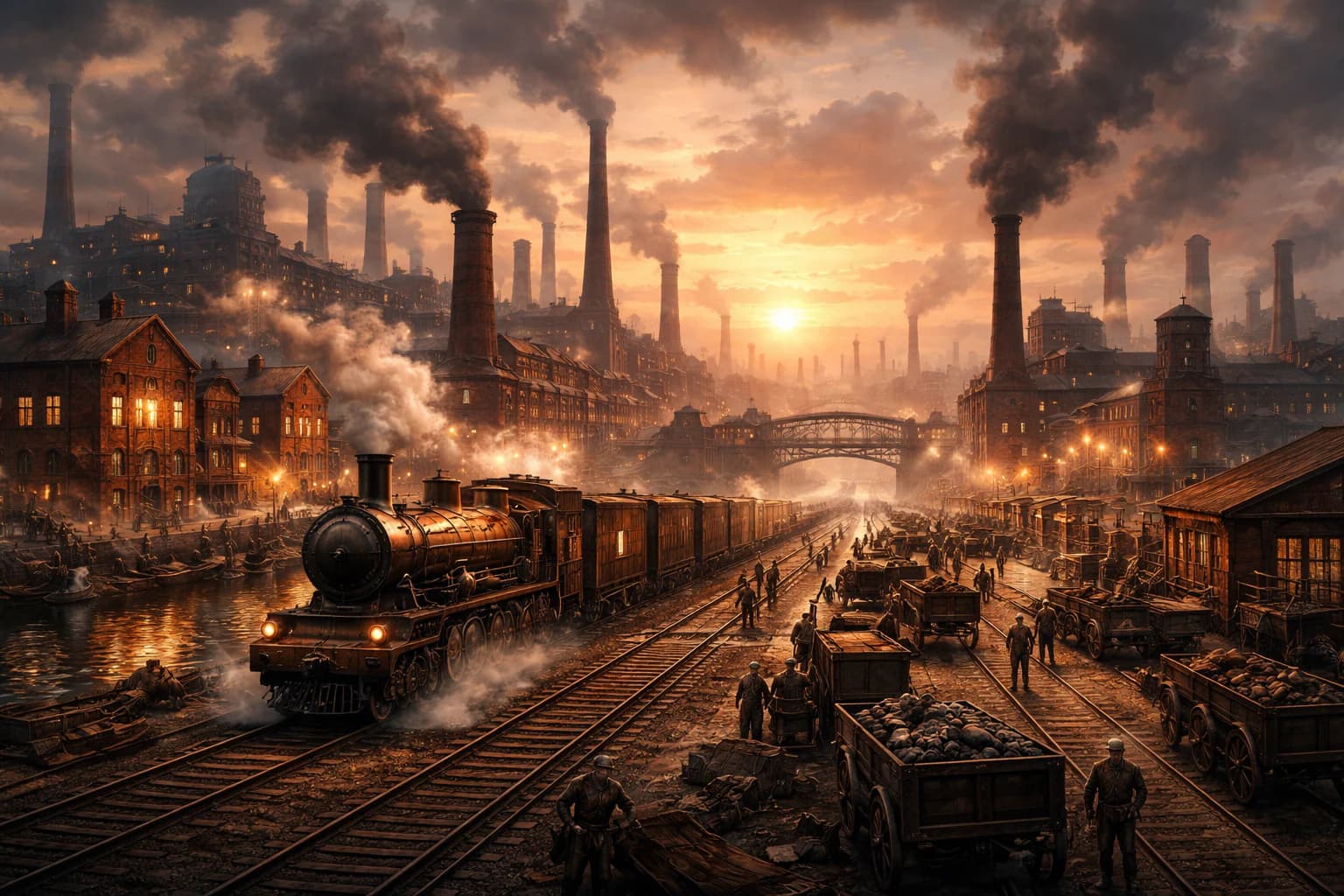
McKinley came from the Ohio world that later supplied so many Republican leaders: small towns, iron production, churches, schools and Civil War patriotism. His family was not grand, but it was respectable, industrious and religious. Methodist habits of restraint and duty stayed with him, as did sympathy for veterans and working households that depended on wages and stable prices. Ohio's growth also taught him the politics of industry. By the time McKinley entered public life, he would see protective tariffs not as an abstract theory but as a promise that American labour, factories and communities could be shielded from destructive competition.
A steady upbringing prepared him for leadership that relied on consistency rather than charisma.
1861–1865
Civil War service
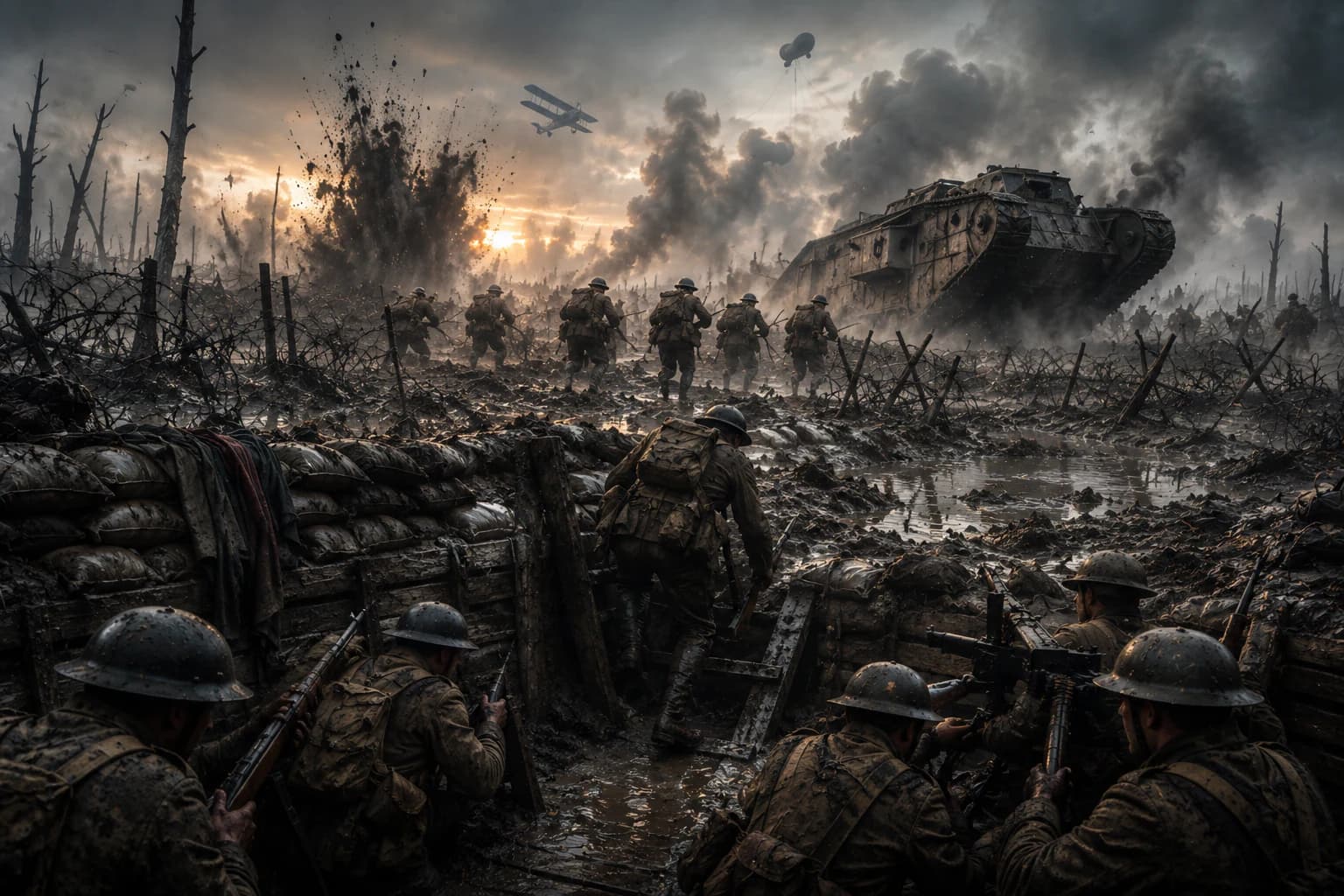
McKinley joined the 23rd Ohio Infantry as an eighteen-year-old private and served under future presidents Rutherford B. Hayes and others in the western Virginia theatre and beyond. He became known for composure under fire, including at Antietam, where he helped bring food and coffee to men under dangerous conditions. The war gave him more than credentials. It gave him a lifelong emotional vocabulary of Union, sacrifice and national purpose. Unlike some later politicians who used military memory theatrically, McKinley carried it quietly. Veterans trusted him because he had shared the experience, and that trust became a foundation of his Republican career.
Shared hardship in war strengthened his sense of national purpose and responsibility.
1860s–1870s
Legal and political start
McKinley studied law, settled in Canton and built a public identity around steadiness, courtesy and loyalty. His marriage to Ida Saxton brought affection and sorrow: after the deaths of their young daughters, Ida's health became fragile, and McKinley remained devoted to her with unusual tenderness for a public man of the era. Politically, he rose as a Republican speaker who could defend protective tariffs in plain moral language. He represented an industrial constituency and argued that tariffs protected American wages, national strength and business confidence. That message made him a rising figure in a party increasingly defined by economic nationalism.
Gradual progress built on trust proved more durable than rapid advancement.
1870s–1890s
National influence grows
In Congress, McKinley became the face of high-tariff Republicanism. The McKinley Tariff of 1890 raised duties and made him famous, though it also helped provoke a Democratic backlash in that year's elections. He lost his seat but quickly recovered by winning the governorship of Ohio in 1891 and again in 1893. His partnership with the brilliant organiser Mark Hanna turned him from respected politician into presidential contender. McKinley was not flamboyant, but he was disciplined, likable and clear. At a time of industrial conflict and financial anxiety, he offered a politics of protection, sound money and national confidence.
Clarity in policy can be as powerful as boldness in shaping public support.
1896
Presidential victory
The election of 1896 was one of the decisive contests in American political history. The Panic of 1893 had shattered confidence, and Bryan's free-silver campaign spoke powerfully to indebted farmers and critics of eastern finance. McKinley, managed by Hanna, ran a carefully organised front-porch campaign from Canton while Republican speakers and money flooded the country. He defended the gold standard, protective tariffs and industrial recovery. His victory marked the rise of a durable Republican coalition rooted in business, urban voters, the Midwest and the Northeast. McKinley did not merely win an election; he helped define the political economy of the next generation.
In uncertain times, voters often favor reassurance over dramatic change.
1898
War and expansion
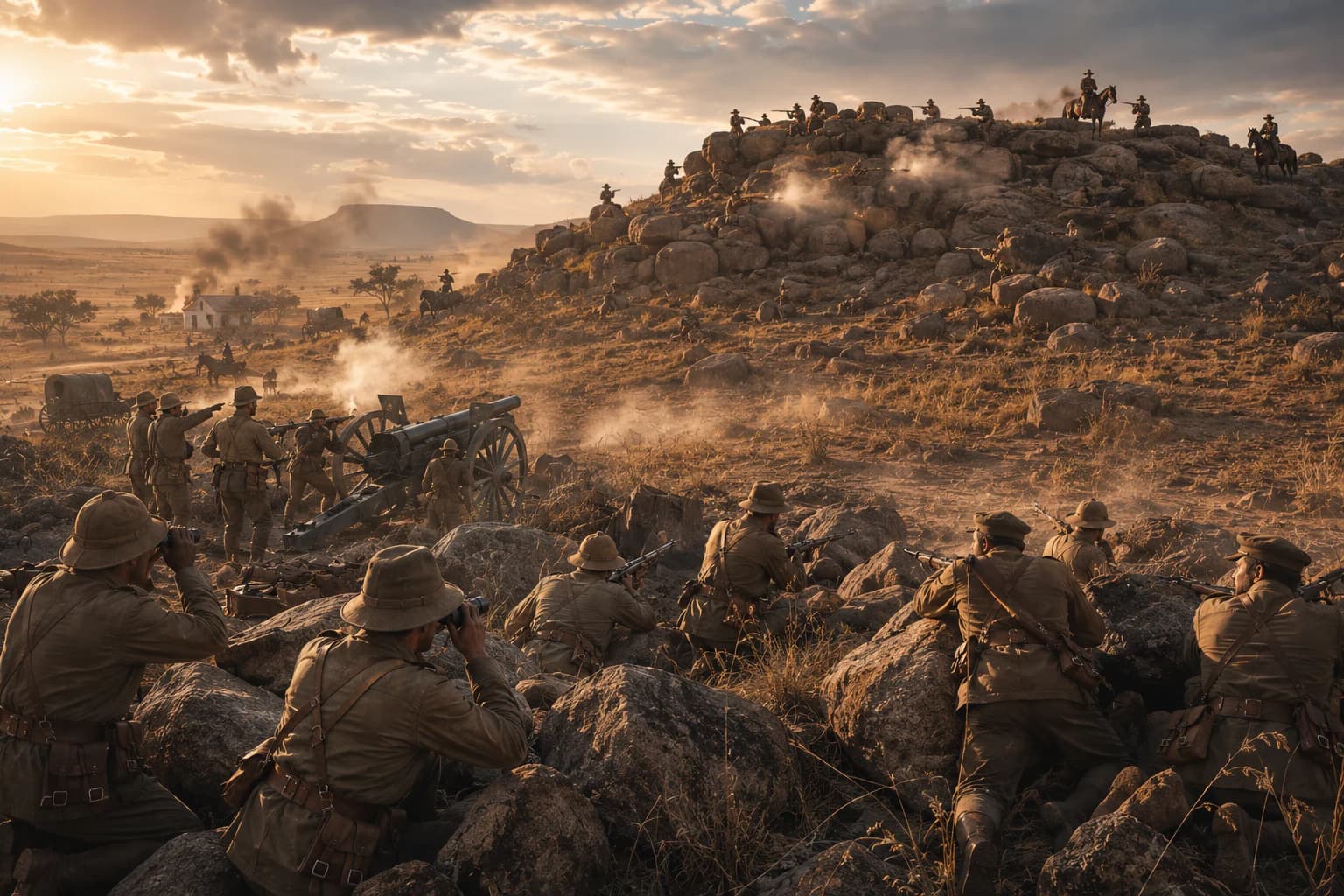
McKinley entered the Cuban crisis cautiously. He knew war would unleash forces beyond tidy control, yet public outrage over Spanish rule in Cuba and the explosion of the USS Maine pushed events toward conflict. The Spanish-American War was short, but its consequences were enormous. The United States defeated Spain in the Caribbean and Pacific, annexed Puerto Rico, Guam and the Philippines, and established a protectorate-like influence over Cuba despite promises of liberation. McKinley then chose to retain the Philippines, presenting empire as duty and civilisation. Filipinos who had fought Spain saw the matter differently, and the Philippine-American War exposed the violence beneath the language of benevolent expansion.
Moments of conflict can redefine a nation’s role on the global stage.
1900
Second term
By 1900, prosperity had returned, gold discoveries had eased monetary pressure and McKinley could run as the president of victory and recovery. Bryan attacked imperialism and warned that ruling overseas peoples betrayed American principles. McKinley argued that the United States had responsibilities it could not abandon. Theodore Roosevelt, hero of San Juan Hill and governor of New York, joined the ticket as vice president after party bosses hoped to move him out of state politics. McKinley won decisively. His second inaugural suggested a president thinking about trade, world markets and America's new position, but the shape of that second term would be decided by violence.
Sustained trust from the public can carry leadership forward into new challenges.
1901
Assassination
McKinley loved meeting citizens, and the public reception line at Buffalo suited his political style. On 6 September 1901, Leon Czolgosz approached with a concealed pistol and shot him twice. Doctors initially believed the president might recover, but infection and gangrene set in. McKinley died on 14 September, leaving Theodore Roosevelt to become president. The assassination shocked a country already anxious about anarchism, labour conflict and the security of public life. It also transformed Roosevelt from energetic vice president into the dominant political figure of the Progressive Era. McKinley's death therefore changed not only an administration but the emotional tempo of American politics.
Sudden events can interrupt even the most carefully managed periods of leadership.
Post-1901
Legacy and impact
McKinley was long overshadowed by Theodore Roosevelt, but his presidency deserves its own weight. He presided over recovery from depression, cemented the gold standard, strengthened Republican organisation and guided the United States through the turn from continental power to overseas empire. His style was careful, patient and managerial, which made him look smaller than Roosevelt but also allowed him to hold together coalitions that might have fractured under a more theatrical leader. The moral problem of his legacy lies in empire: Cuba, Puerto Rico, Guam and especially the Philippines forced Americans to confront whether a republic could rule others without consent. McKinley matters because under him the United States became more recognisably modern, and more entangled in the contradictions of power.
He helped guide a nation into a new role, even as his time to shape it was cut short.