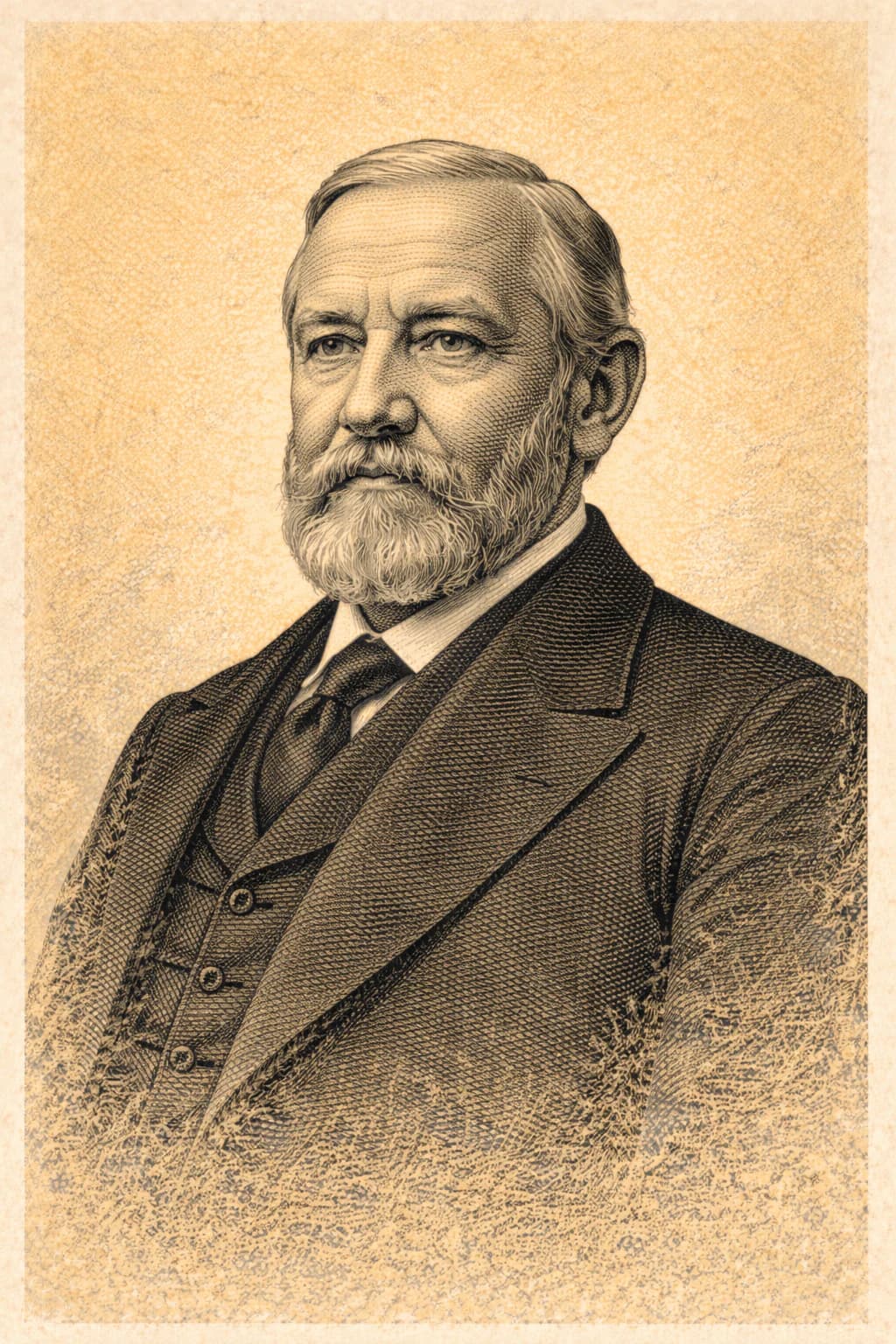
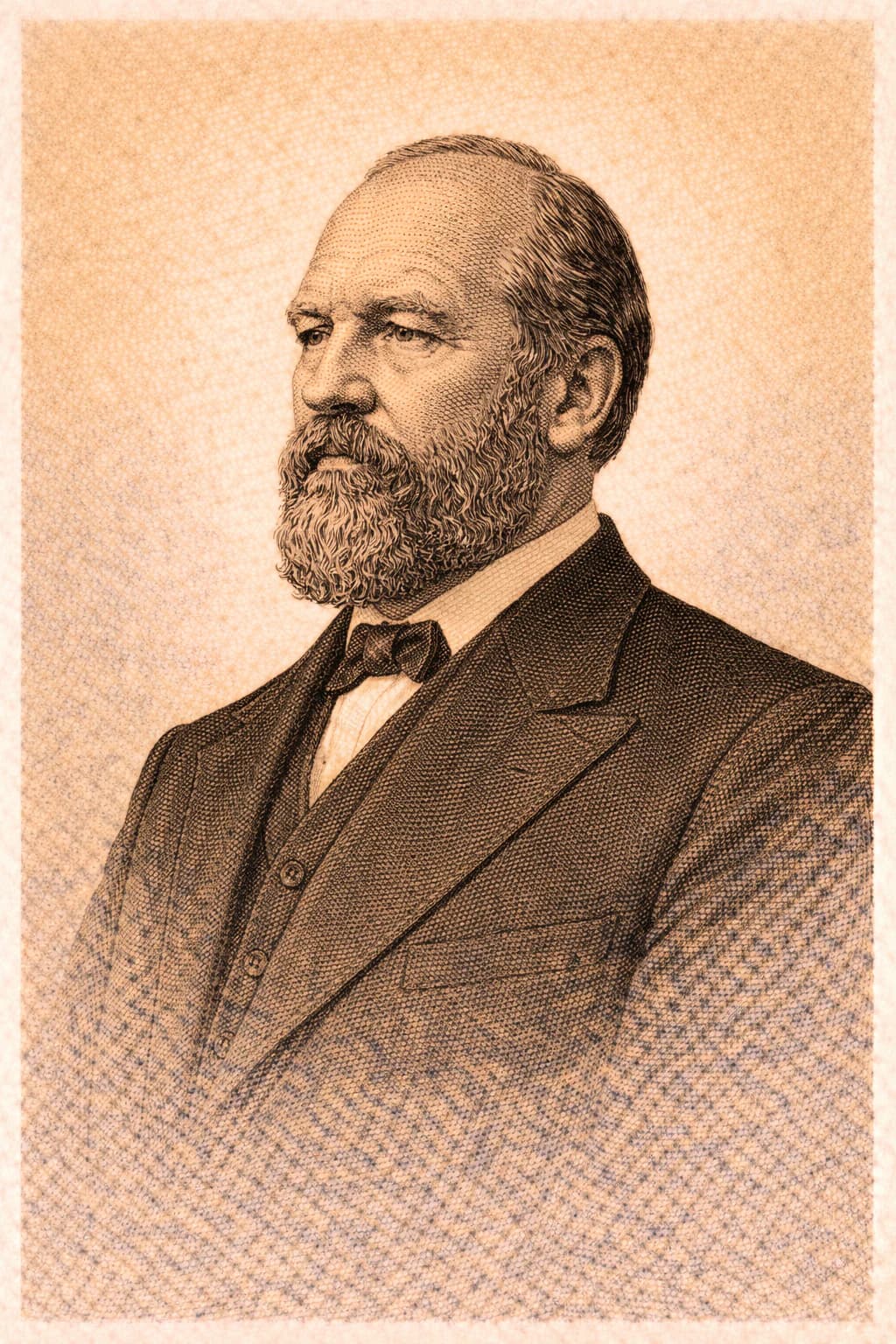
Complete chronology
Full overview and deeper context for every journey step.
1822
Early Upbringing
Rutherford B Hayes grew up without the father whose name he carried. His mother, Sophia, and uncle Sardis Birchard helped provide the stability, education, and moral seriousness that shaped him. Hayes attended Kenyon College and Harvard Law School, entering adulthood with the habits of a reform-minded Whig: disciplined, religiously influenced, anti-slavery in instinct, and committed to social improvement without a taste for demagoguery. His early life did not make him a charismatic figure. It made him steady. In a post-Civil War republic exhausted by corruption, sectional hatred, and political violence, steadiness would become both his appeal and his limitation.
Early responsibility and education can combine to shape a steady and principled character.
1840s–1850s
Legal Career
Cincinnati placed Hayes near the border between free and slave societies, where legal principle and human stakes could collide directly. He built a respectable law practice and sometimes defended people accused under the Fugitive Slave Act, bringing his anti-slavery convictions into professional life. As the Whig Party collapsed, Hayes joined the new Republican Party, whose opposition to the expansion of slavery gave him a national political home. He was not a radical abolitionist in the mould of the most uncompromising activists, but he understood slavery as a moral and political threat to the republic. His legal career therefore prepared him for public office in a country moving toward war.
A legal background often provides tools for navigating complex public questions.
1861–1865
Civil War Service
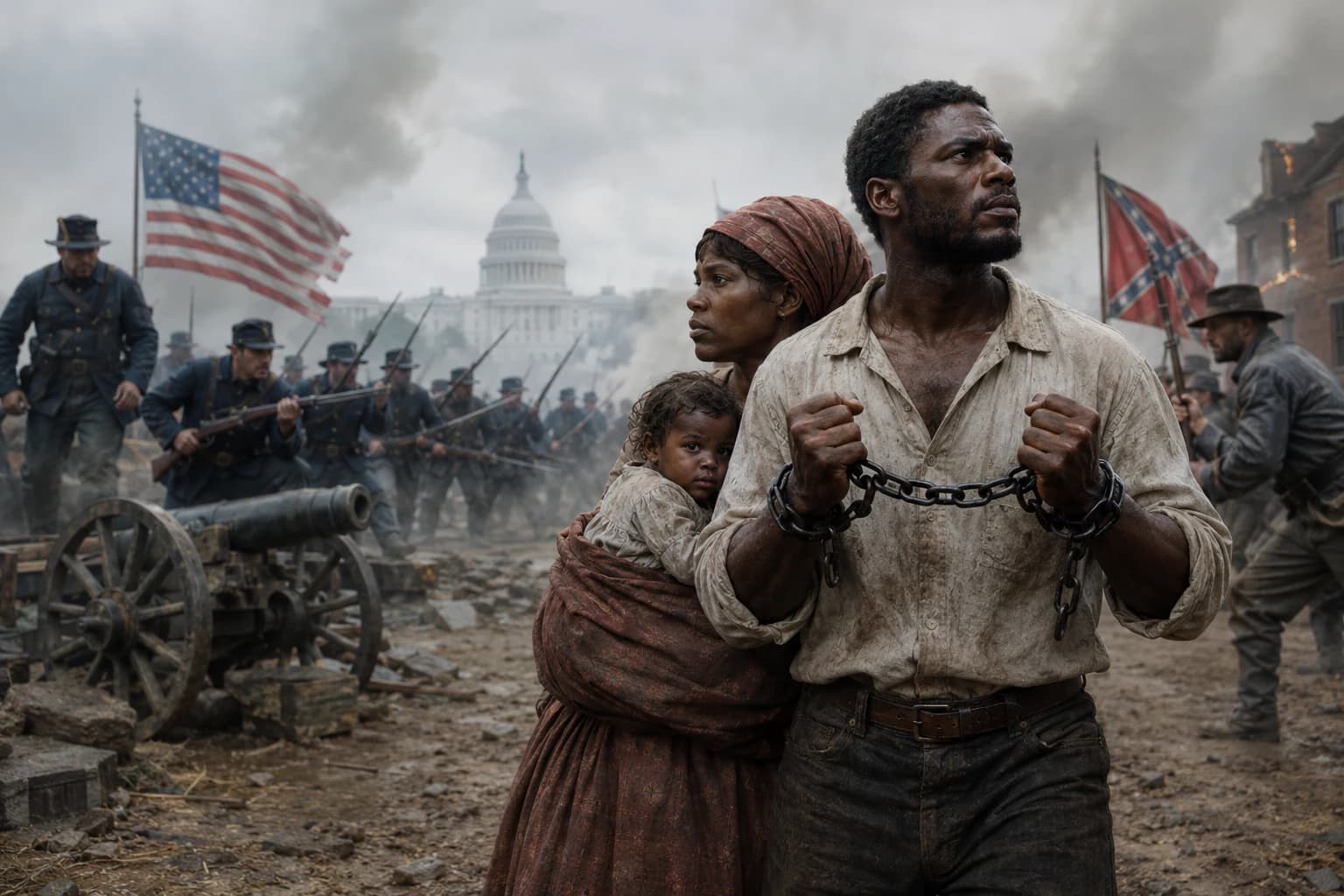
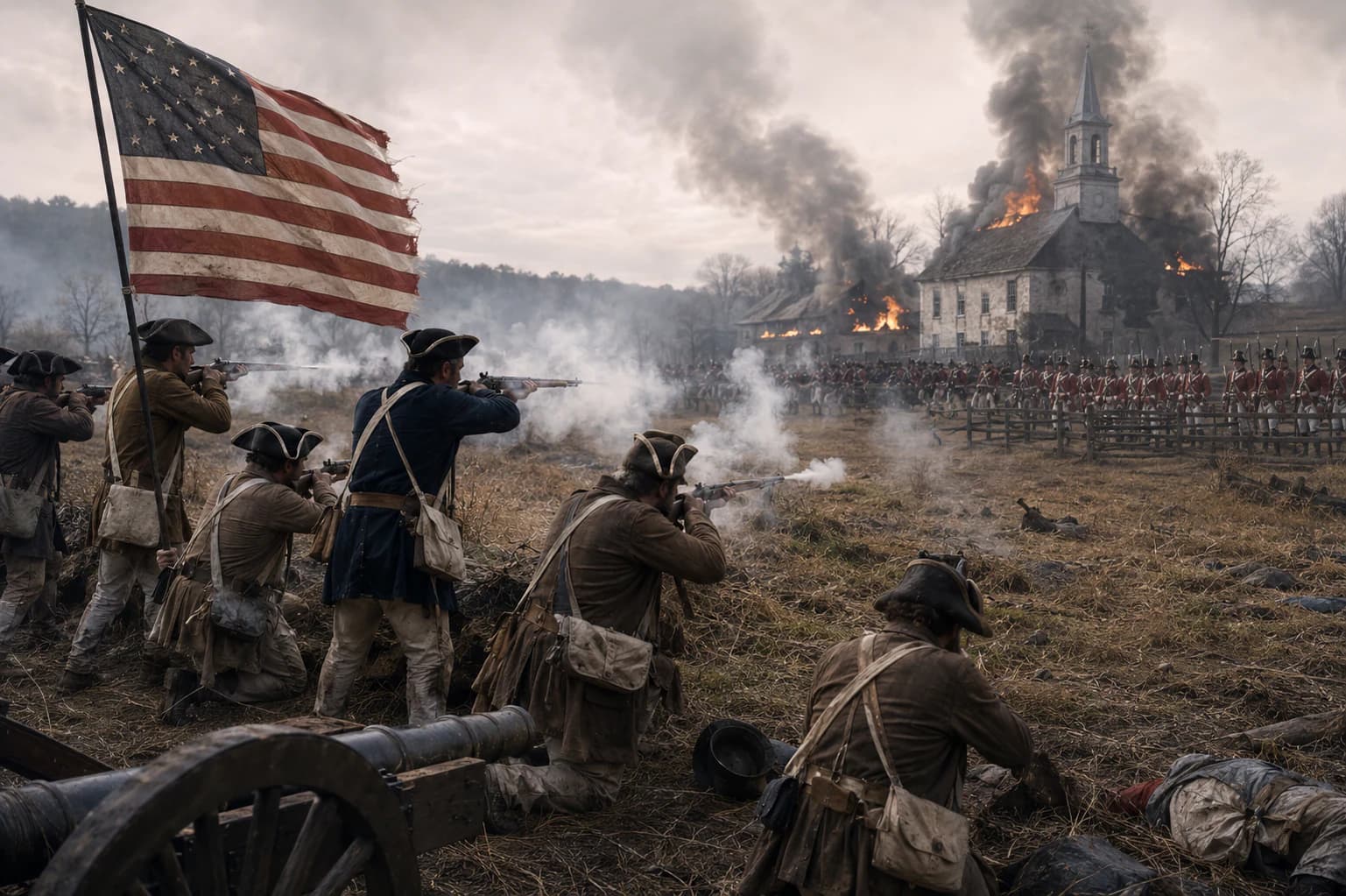
The Civil War transformed Hayes from lawyer-politician into a tested Union veteran. He served with the 23rd Ohio Infantry, the same regiment that included future president William McKinley, and saw hard fighting in western Virginia and the Shenandoah Valley. Hayes was wounded at South Mountain and served under dangerous conditions that gave his later political career the authority of sacrifice. Military service mattered enormously in Republican politics after 1865, but in Hayes's case it was not decorative. He had risked his life for the Union and came out of the war believing that national unity, emancipation, and lawful government had been purchased at terrible cost.
Shared national struggle can elevate individuals into positions of wider influence.
1860s
Entry into Politics
Hayes won election to Congress in 1864 but refused to leave the army to campaign, a decision that enhanced his reputation for duty. In Washington and then Ohio politics, he represented the respectable reform wing of the Republican Party: loyal to Reconstruction in principle, wary of inflationary currency policies, and uncomfortable with the patronage politics that dominated the Gilded Age. He was not the most forceful figure in national life, but he was credible, clean, and electable. Those qualities mattered as scandals damaged the Grant administration and Republicans searched for a candidate who could defend the party's Civil War legacy without carrying its corruption.
Public trust can grow from demonstrated service during times of crisis.
1868–1876
Governor of Ohio
Ohio was one of the most important political states in the postwar United States, and Hayes's governorship gave him a national platform. He supported education, prison reform, and sound-money policies while presenting himself as a disciplined public servant rather than a machine politician. His victories showed that he could win in a competitive state, and his personal reputation offered relief from the scandals associated with Ulysses S. Grant's presidency. At the 1876 Republican convention, Hayes emerged as a compromise: acceptable to reformers, loyal to the party, and less polarising than better-known figures. His nomination promised calm. The election delivered crisis.
Consistent leadership at a regional level can build credibility for higher office.
1876
Contested Election
The election of 1876 was the most dangerous presidential succession crisis between the Civil War and the twentieth century. Democrat Samuel J. Tilden won the popular vote and appeared close to victory, but returns from several states were disputed amid fraud, intimidation, and competing claims. Congress created a special Electoral Commission, which awarded the contested electoral votes to Hayes by party-line decisions, giving him 185 electoral votes to Tilden's 184. The result was legal but politically wounded from birth. Democrats called him 'His Fraudulency', and many Americans believed the presidency had been bargained into existence. Hayes entered office under a cloud he could never fully disperse.
Political resolution can settle disputes, but not always public doubt.
1877
End of Reconstruction
The Compromise of 1877 is shorthand for a complex political settlement, but its consequences were brutally clear. Hayes accepted the withdrawal of federal troops from the last Reconstruction governments in South Carolina and Louisiana, signalling that the federal government would no longer use military power to sustain Republican rule in the South. Hayes hoped Southern elites would respect Black civil rights under a policy of conciliation. They did not. Democratic 'Redeemers' consolidated power, and over the following years violence, disfranchisement, segregation, and Jim Crow law dismantled much of Reconstruction's promise. Hayes did not invent white supremacy in the South, but his presidency marked the federal retreat that allowed it to harden.
Short-term political compromise can carry long-term social consequences.
1877–1881
Presidential Policies
Hayes's presidency was more active than its disputed beginning sometimes suggests. He challenged the spoils system by targeting patronage abuses in the New York Custom House, angering powerful Republicans such as Roscoe Conkling and foreshadowing later civil service reform. He supported resumption of specie payments, helping restore confidence in the dollar after years of postwar monetary conflict. He also used federal troops during the Great Railroad Strike of 1877, showing that his commitment to order extended against labour unrest as well as sectional violence. Hayes promised not to seek reelection and kept that promise. His administration aimed for honest government, but honesty could not compensate for the moral retreat from Reconstruction.
Incremental reform can shape institutions even without dramatic transformation.
after 1881
Post-Presidential Life
Hayes's post-presidential life was unusually earnest. At Spiegel Grove in Fremont, Ohio, he supported public education, especially for Black Southerners, prison reform, veterans' welfare, and social improvement. He remained personally decent, intellectually engaged, and convinced that education could heal many of the nation's divisions. Yet history judges presidents by consequences as well as intentions. Hayes is remembered as the man who entered office through the disputed election of 1876 and presided over the end of Reconstruction. His legacy is therefore uneasy: reform-minded, honest, and humane in many private commitments, but bound to a settlement that abandoned millions of African Americans to disfranchisement and racial terror.
Influence can continue through advocacy even after formal leadership ends.