Complete chronology
Full overview and deeper context for every journey step.
1161–1198
Educated for power
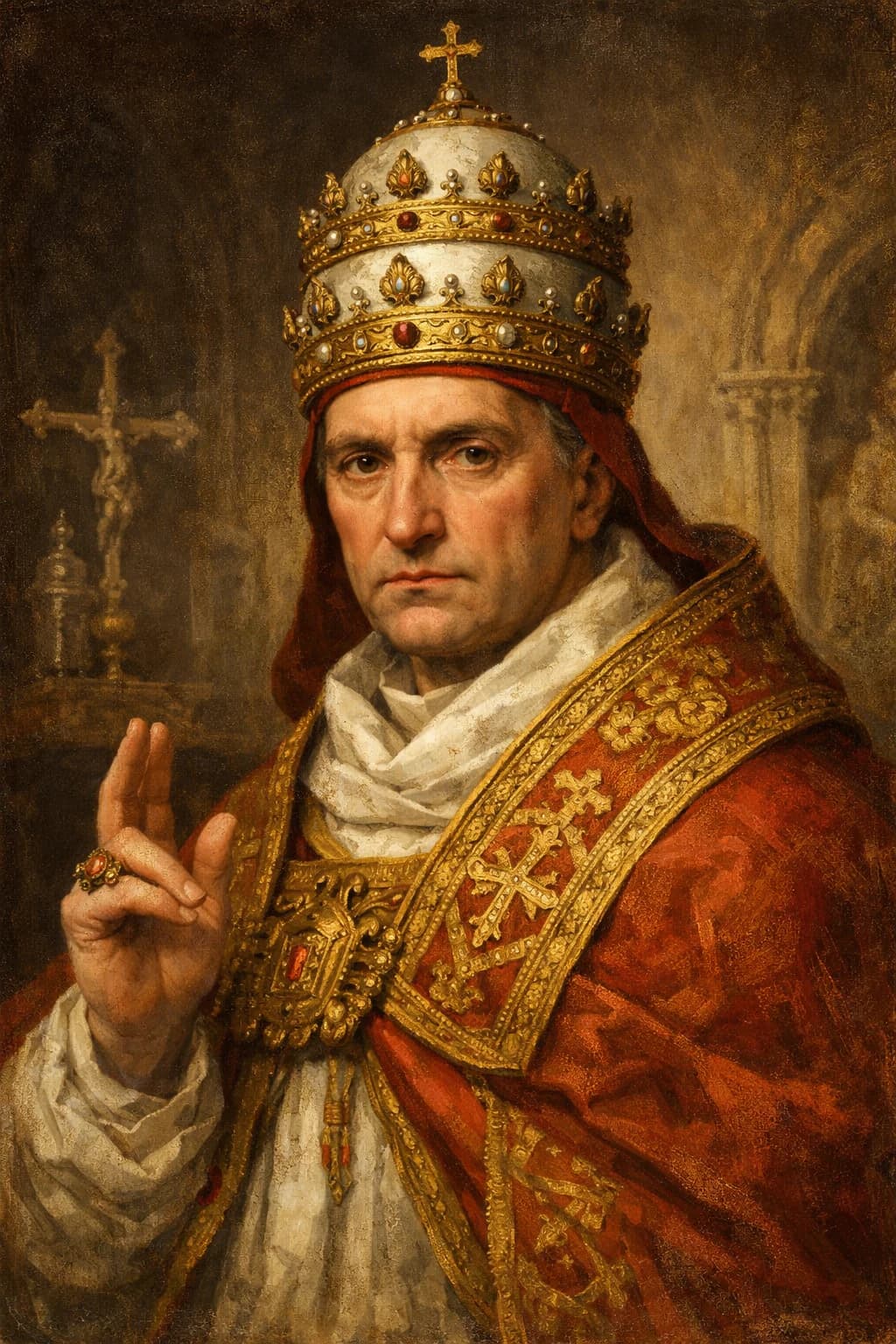
The man who became Innocent III was prepared for leadership with unusual thoroughness. Born into the Conti family around 1161, he studied in Paris, the centre of European theological learning, and in Bologna, the great school of canon law. This combination shaped the pope he became: spiritually ambitious, legally exact and institutionally practical. He entered the curia under his uncle Pope Clement III and rose rapidly, becoming a cardinal while still young. His early writings already show the mixture that made him formidable: a bleak view of human pride, a high view of priestly authority and a lawyer's sense that power becomes real only when claims are given procedures, offices and sanctions.
Leaders who combine intellectual rigour with institutional experience often arrive in power already knowing exactly what they want to do.
1198
Election as Pope
The death of Celestine III in January 1198 was followed by one of the fastest conclaves in medieval memory: Lotario was elected the same day. At around thirty-seven he was among the youngest men ever to become pope. He had not yet even been ordained as a priest when he was elected — he was ordained the day before his episcopal consecration. From his very first documents, Innocent's tone was one of confident assertion. He described the papacy as standing between God and humanity, above kings and emperors not by their leave but by divine appointment. What was unusual was not the claim — previous popes had made similar ones — but the systematic, legally precise, and practically assertive way in which he pursued it.
Arriving in power with a fully formed programme, rather than discovering one after the fact, changes the texture of what follows.
1198–1210
Authority over kings
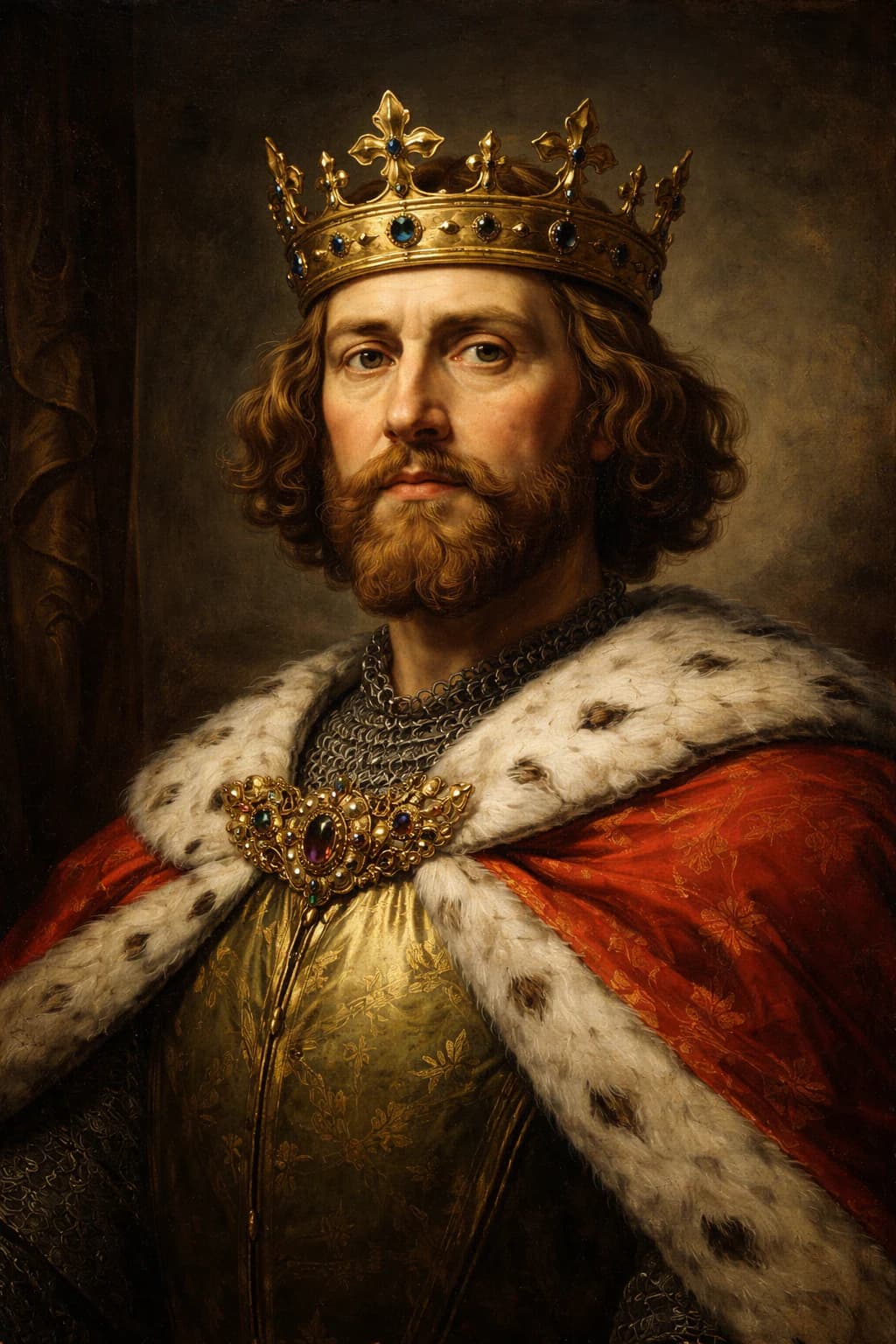
The scale of Innocent's intervention in secular politics was without precedent. In France he placed the kingdom under interdict — suspending all church services — to compel Philip II to take back the wife he had repudiated. In England he imposed an interdict lasting six years over John's refusal to accept Stephen Langton as Archbishop of Canterbury, and ultimately received John's submission and his kingdom as a papal fief. In Germany he supported successive candidates in a disputed imperial election, exercising an influence over German affairs that his predecessors would have envied. These were not theoretical claims but executed power: he changed kings, changed policy, and changed the composition of governments.
The ability to deny a population its religious services — and thereby to politically isolate a ruler — was the medieval equivalent of sanctions.
1202–1204
Fourth Crusade
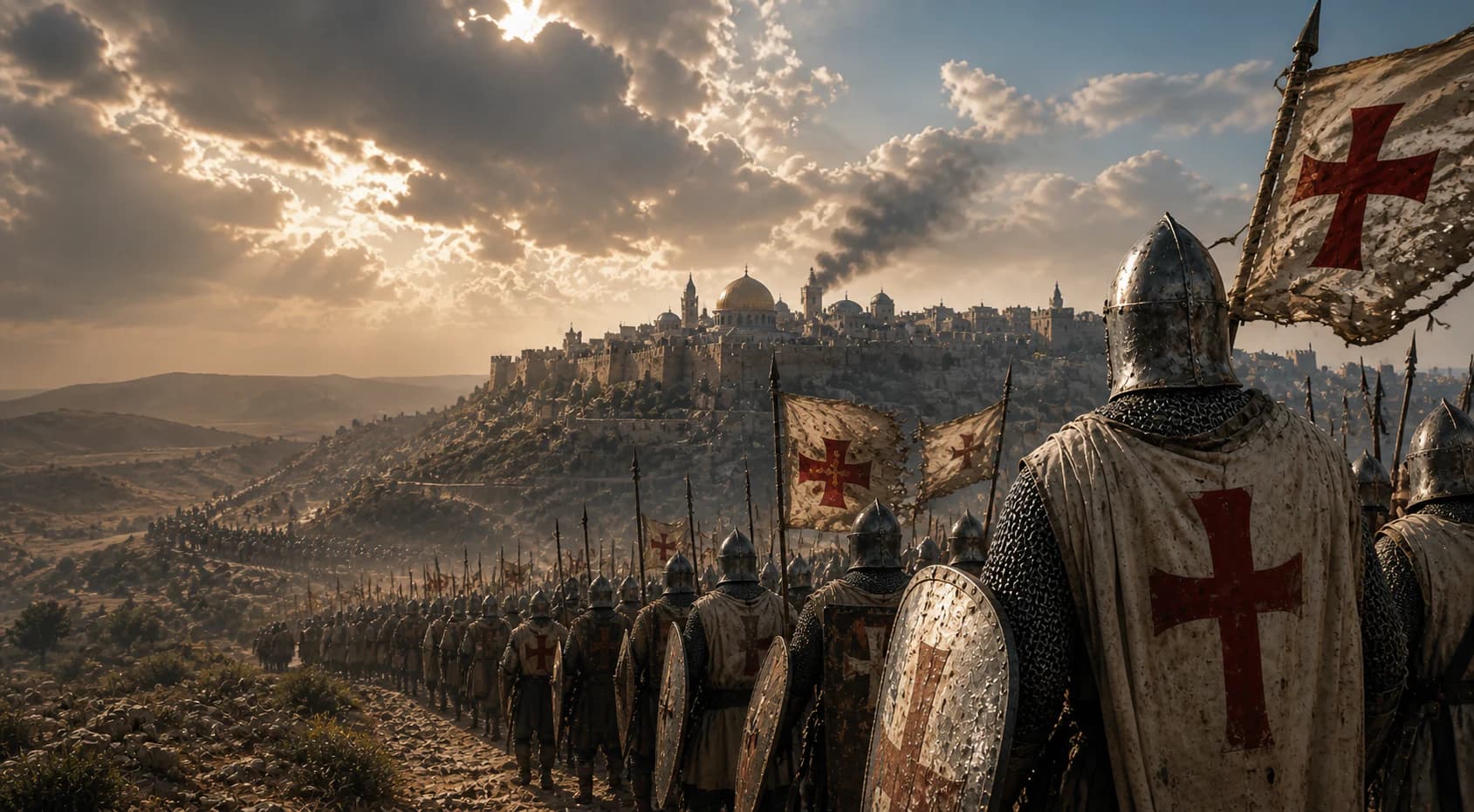
The Fourth Crusade was one of the most extraordinary examples in history of a military expedition completely failing to reach its intended destination. Innocent's original vision was a direct assault on Egypt, which would cut the Islamic world's resources and enable the recovery of Jerusalem. What actually happened was a series of diversions driven by debt, Venetian commercial interests, and political opportunity. The crusaders sacked the Christian city of Zara (modern Zadar) first, then were drawn into Constantinople's dynastic politics and ultimately stormed and pillaged the Byzantine capital — one of the great centres of Christian civilisation — in 1204. Innocent was initially outraged and threatened the crusaders with excommunication. He later accepted the result as divine providence. The inconsistency was noted.
Endorsing an outcome you initially condemned because it proved convenient undermines the moral authority that made your endorsement matter in the first place.
1209–1216
Albigensian Crusade
The Cathars of southern France — also called Albigensians — had developed a theology that the church considered not merely wrong but fundamentally heretical, denying the goodness of the material world and rejecting the authority of the Roman church. Innocent had initially tried conversion missions. When a papal legate was murdered in 1208, he called for a military crusade against fellow Christians, promising the same spiritual rewards as crusades to the Holy Land. The resulting campaign, led by northern French lords who had both religious and territorial motivations, was brutal. The massacre at Béziers in 1209 — where thousands were killed indiscriminately — became one of the defining atrocities of medieval religious warfare. Innocent did not organise the massacre but had set in motion the machinery that made it possible.
When violence is authorised with spiritual justification, those who carry it out often understand the authorisation more broadly than those who granted it.
1215
Magna Carta annulled
The story of Magna Carta is usually told as a clash between barons and king. The papal dimension is less often emphasized but equally revealing. After John's submission to Innocent in 1213, England was technically a papal fief, and John was the pope's vassal. When the barons forced Magna Carta upon John at Runnymede, Innocent acted swiftly: he issued a bull in August 1215 declaring the charter 'null, and void of all validity for ever,' a 'shameful, demeaning, illegal and unjust' document that damaged royal dignity. His concern was not only John's authority but the principle that barons could constrain a king who held his kingdom from the pope. The practical effect of the annulment was limited — John died the following year — but it illustrates the extent to which Innocent saw secular political arrangements as his concern.
Acting as the highest authority has consequences that extend into every dispute that falls under one's claimed jurisdiction.
1215
Fourth Lateran Council
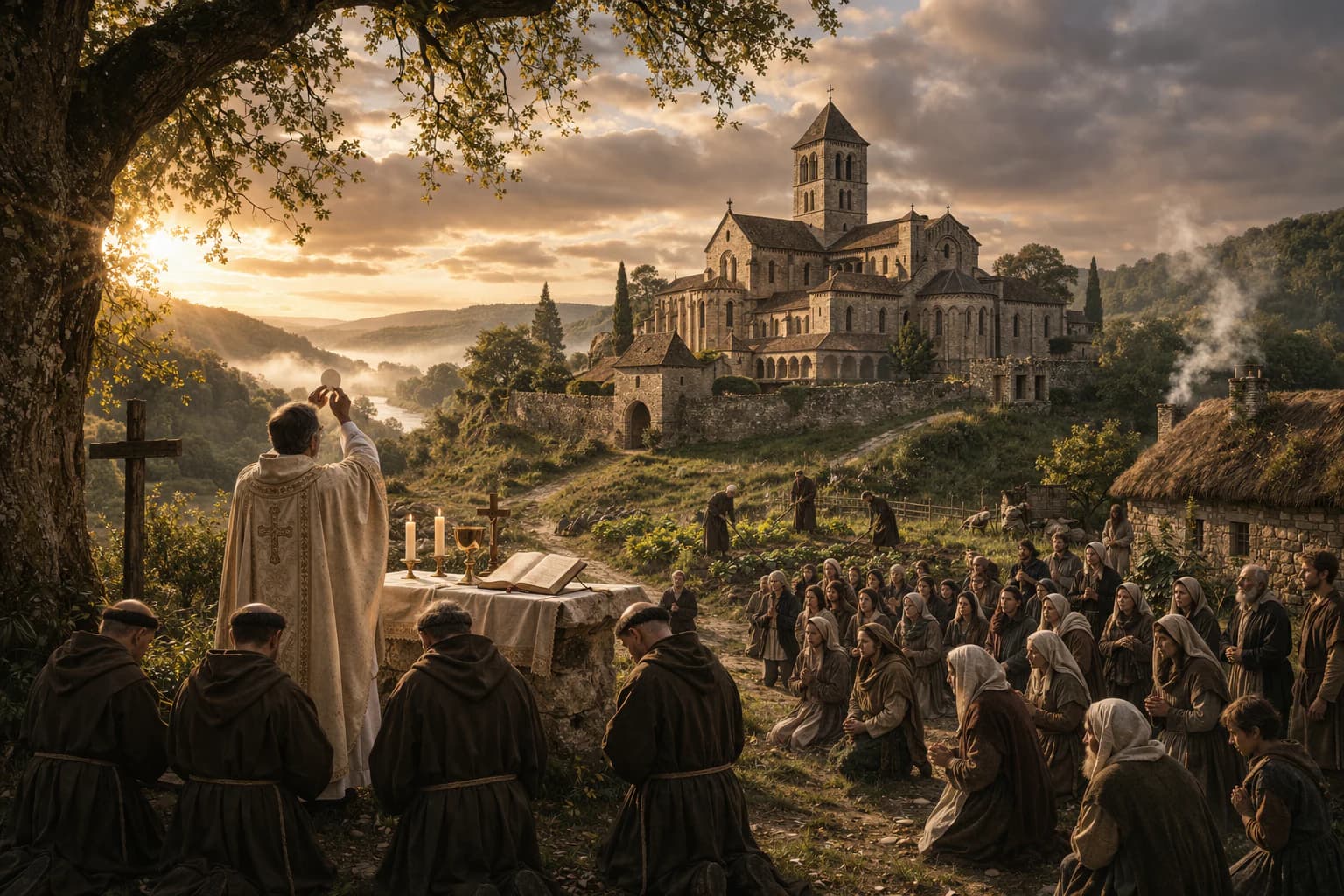
The Fourth Lateran Council of 1215 was the culmination of Innocent's reforming programme and the largest assembly of church leaders in medieval history. Over four hundred bishops and eight hundred abbots attended. The council's decrees covered an extraordinary range: it defined the doctrine of transubstantiation, mandating annual confession and communion for all Christians; it imposed restrictions on Jews and Muslims, requiring them to wear distinguishing dress; it addressed clerical conduct, marriage law, and heresy; and it authorised a new crusade. The canon defining transubstantiation became permanent Catholic doctrine. The council was a demonstration of the papacy's capacity to legislate for an entire civilisation — on matters ranging from the miraculous to the mundane.
A great assembly can consolidate a lifetime of effort into a set of provisions that outlast the one who called it.
1216
Death at Perugia
Innocent's death came at a moment when his energies were still fully directed outward. He had spent his final months preparing a new expedition to the Holy Land and had been touring central Italy to drum up support among Italian cities. He died at Perugia on 16 July 1216, apparently from fever. He was not yet old — around fifty-five — and had given no sign of intending to slow down. The abruptness of his end gave his papacy a particular character: he had been building something still unfinished, still in motion. Accounts from shortly after his death describe his body being stripped of its vestments by looters before it was formally attended to — a symbolic indignity that the man who had claimed supreme authority over Christendom might have found instructive.
The gap between institutional authority and the physical reality of mortality can be strikingly sudden.
After 1216
The high medieval papacy
Innocent III's papacy is generally regarded as the apex of medieval papal temporal power. Later popes continued to press universal claims, but rarely with the same combination of ability, legal machinery and favourable circumstance. By the fourteenth century, conflict with monarchies, the Avignon papacy and later schism would make Innocent's confidence look like a vanished world. His legacy is therefore both institutional and moral. The Fourth Lateran Council shaped Catholic doctrine and discipline for centuries; his interventions in England, France and the empire showed how forcefully the papacy could act in politics; the Fourth and Albigensian Crusades showed how sacred authority could unleash violence it could not fully control. Innocent made the papacy majestic. He also made its dangers impossible to miss.
The high point of an institution's power can also be the moment that sets the limits of what it will be allowed to claim.