People

Nabonidus

Nabonidus was the last king of the Neo-Babylonian Empire, ruling from 556 to 539 BC. His reign ended when Cyrus the Great captured Babylon and brought Mesopotamia under Persian rule.

Born
c. 620 BCE
Died
c. 539 BCE
Role
King of Babylon

King of Babylon (556-539 BC)

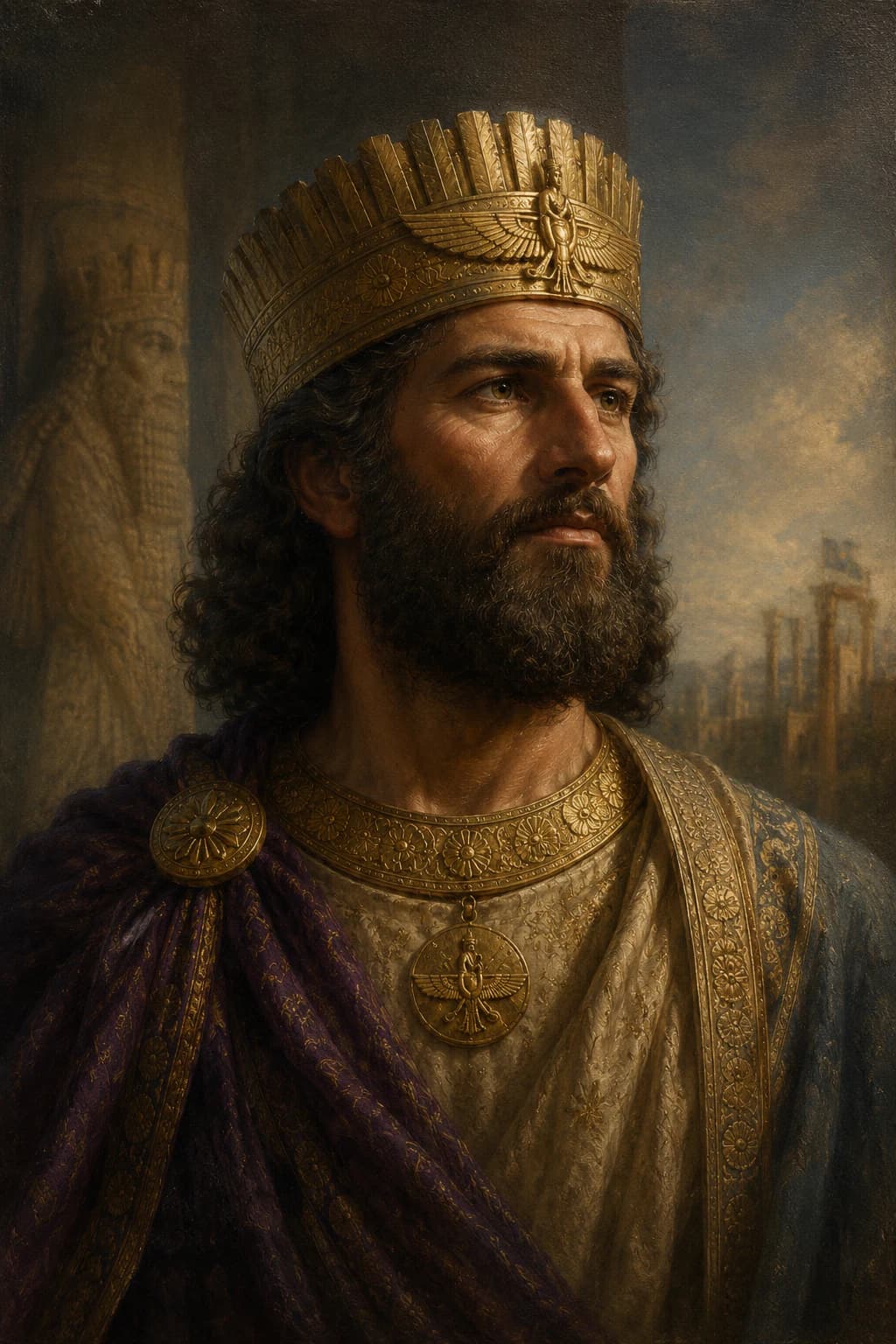
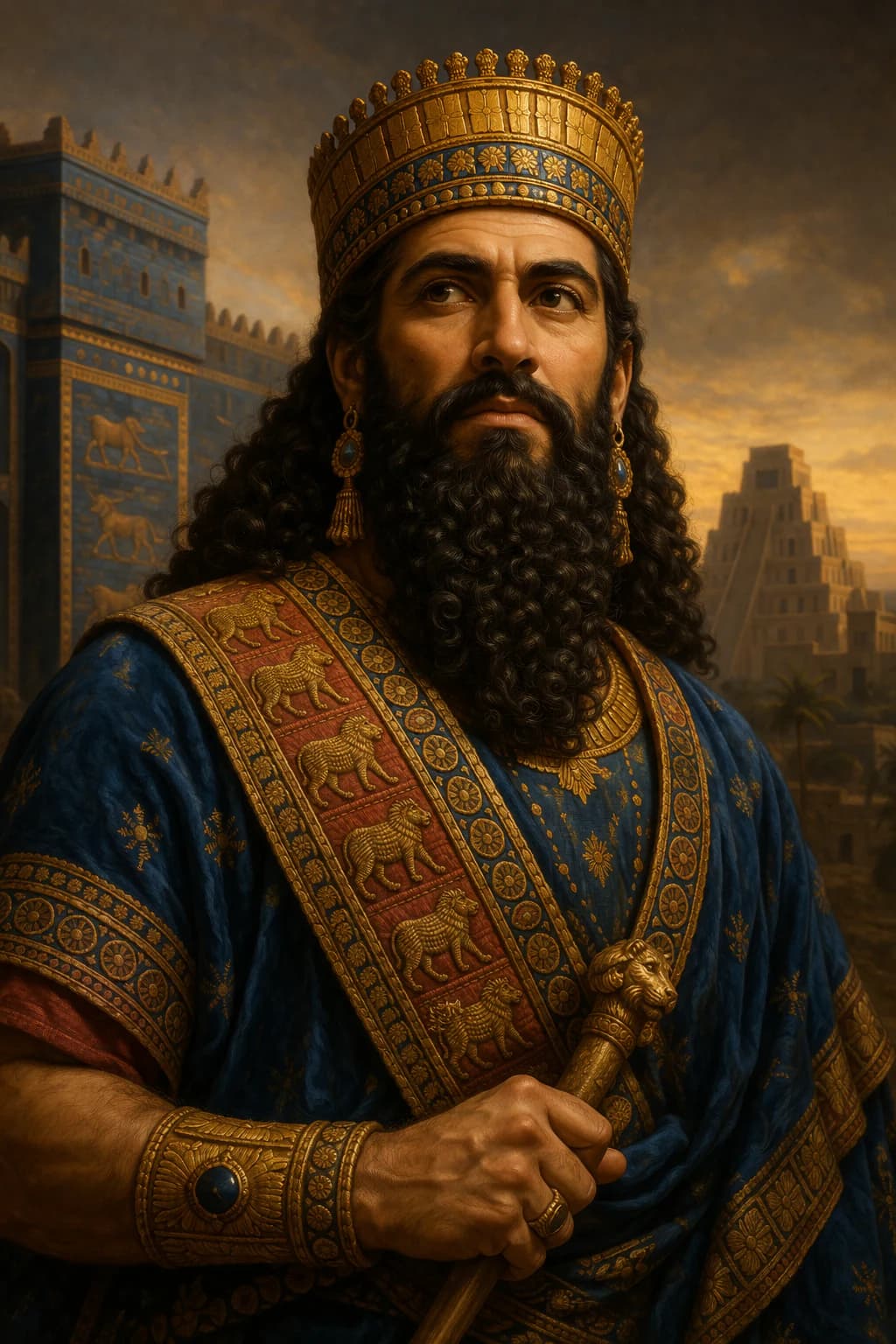
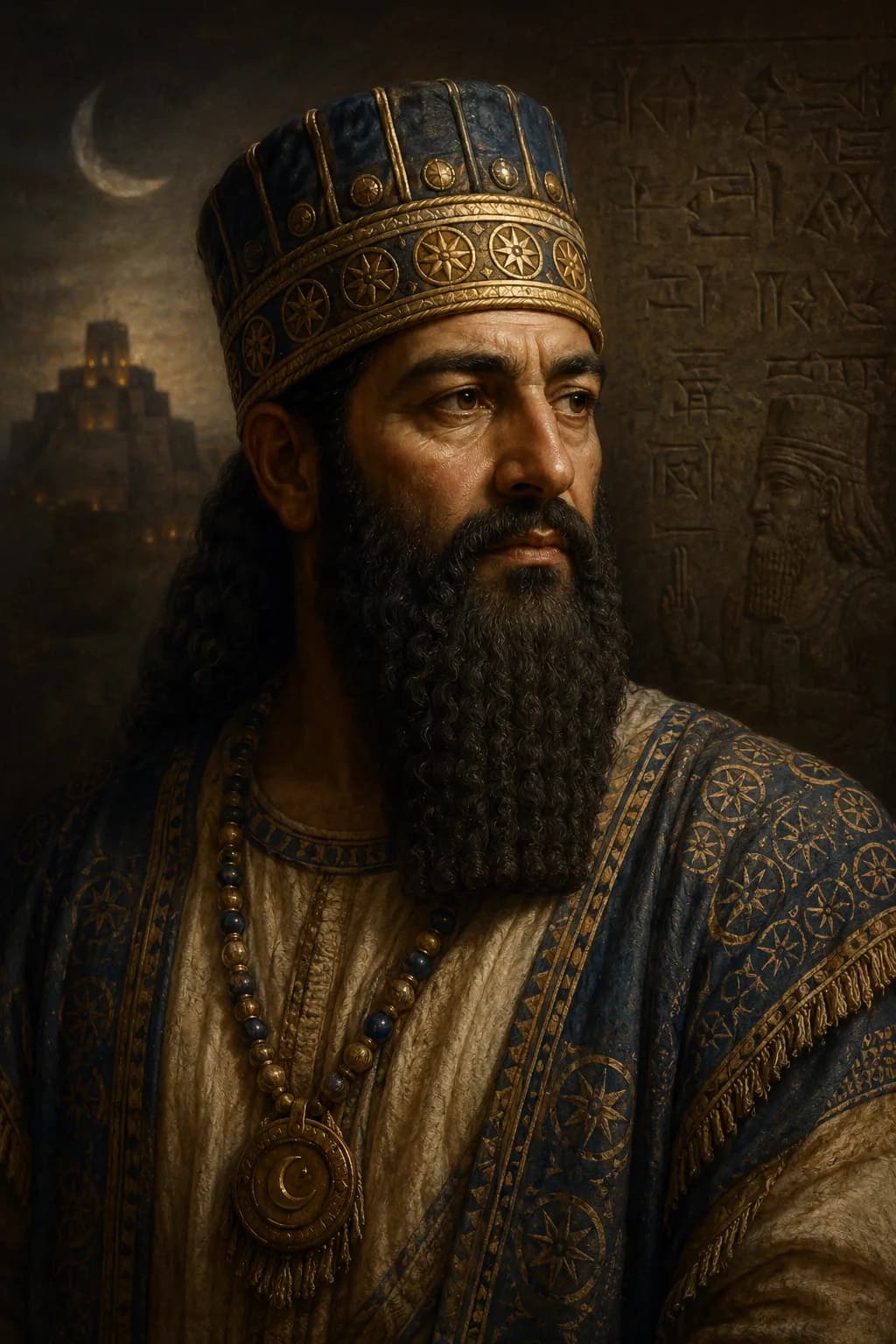
AI-generated portrait of Nabonidus in Babylonian royal dress
AI-assisted historical reconstruction

An illustrative reconstruction based on historical context. It is not a photograph or documentary likeness. Image policy

Quick answer

Nabonidus was the last king of the Neo-Babylonian Empire, ruling from 556 to 539 BC. His reign ended when Cyrus the Great captured Babylon and brought Mesopotamia under Persian rule.

Born
c. 620 BCE
Died
c. 539 BCE
Role
King of Babylon
Years
c. 620-c. 539 BCE
Quick facts

Profile details

Additional identity and tagging details that are not already covered in the introduction.

Also known as
Nabu-na'id, Nabu-naid
Region
Mesopotamia, Babylonia, Mesopotamia
Facts

Nabonidus timeline facts

Selected specifics from this profile's life story.

556 BC
A fragile throne

Nabonidus came to the Babylonian throne after a period of court instability following Nebuchadnezzar II's dynasty.

6th century BC
Religious tensions

Nabonidus became associated with unusual religious priorities, especially devotion to the moon god Sin, which later hostile texts used against him.

539 BC
Fall to Cyrus

Cyrus defeated Babylonian resistance in 539 BC, ending Nabonidus's reign and bringing Babylon into the Persian Empire.

After 539 BC
A contested memory

Nabonidus is remembered through sources shaped by his defeat, so his reputation must be handled carefully.

Life Journey

The last king before Persian Babylon

Follow Nabonidus from Babylonian kingship to the Persian conquest that ended his dynasty.

Complete chronology

556 BC

A fragile throne

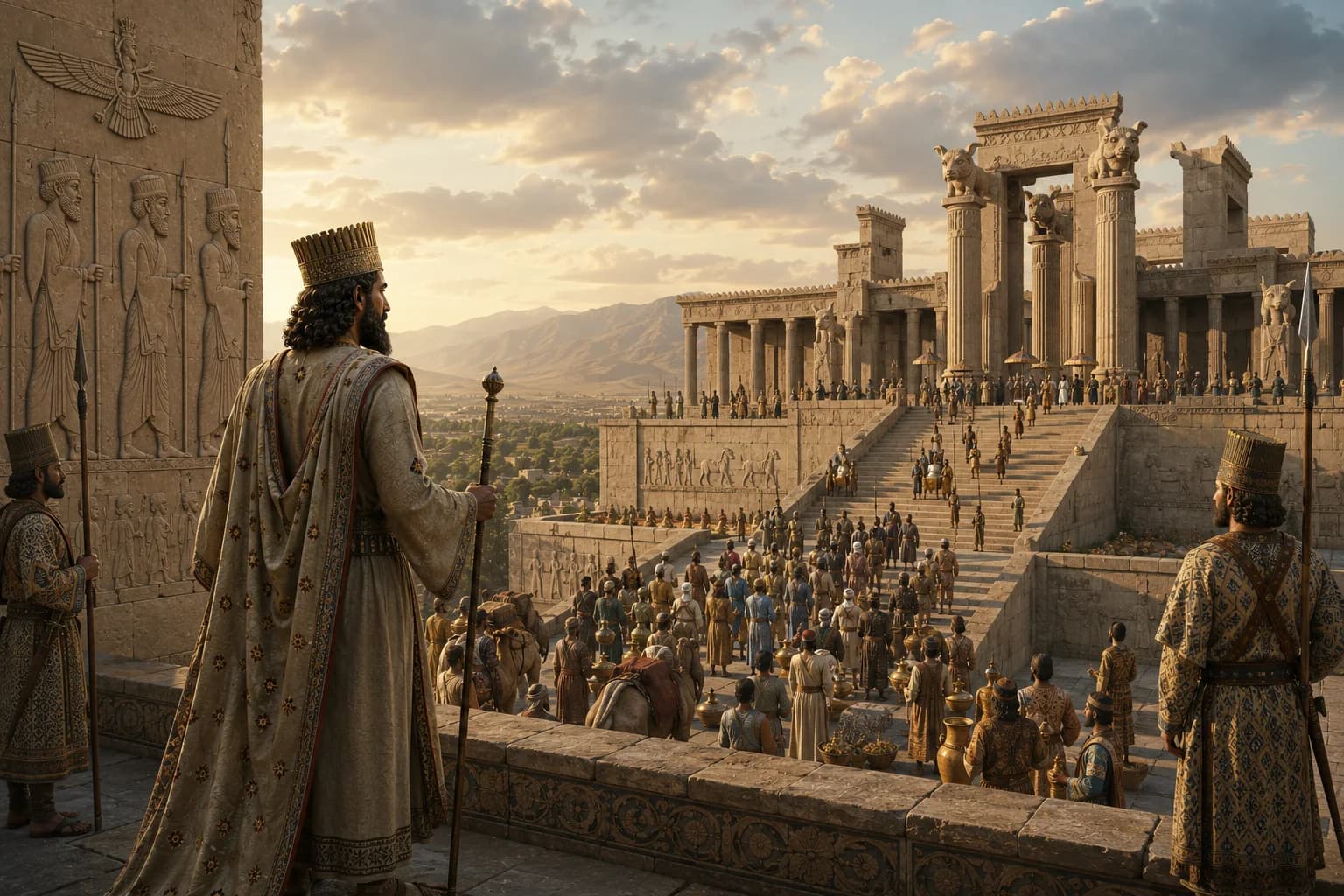
Nabonidus did not inherit the secure imperial world of Nebuchadnezzar II at its height. The Neo-Babylonian Empire had already passed through rapid successions and court uncertainty. His accession placed him over a rich and prestigious realm, but one whose political foundations were less stable than Babylon's monuments suggested. He had to rule a city where royal legitimacy, temple authority, scholarship, trade, and imperial memory were tightly bound together.

6th century BC

Religious tensions

Nabonidus is remembered partly for religious policy that did not fit neatly with Babylon's civic expectations. Later sources emphasize his devotion to the moon god Sin and contrast it with the central importance of Marduk in Babylon. These accounts are shaped by politics and cannot be read as neutral reporting. Even so, they reveal a real problem: Babylonian kingship depended on temple relationships, ritual credibility, and the ability to sound like the rightful guardian of the city.

mid-6th century BC

Away from Babylon

One of the most striking features of Nabonidus's reign was his extended absence from Babylon, traditionally connected with time spent at Tayma in Arabia. The reasons remain debated, and ancient evidence is not simple. But absence mattered because Babylon expected royal presence in ritual and political life. When crisis came, Cyrus could present himself not merely as an invader, but as a ruler who restored proper order.

539 BC

Fall to Cyrus

In 539 BC, Cyrus's forces defeated Babylonian power and entered Babylon. The transition was framed in Persian and Babylonian propaganda as restoration rather than destruction. Nabonidus became the failed king against whom Cyrus could define himself: the ruler who had angered or neglected the gods, while Cyrus appeared as the restorer chosen by Marduk. The message was political, but the consequence was real. Babylon's independence ended, and Persia inherited its wealth and prestige.

After 539 BC

A contested memory

Nabonidus's memory is difficult because many surviving accounts come from contexts that benefited from presenting him as a failed or impious ruler. That does not mean he was an innocent victim of propaganda. His reign clearly faced serious tensions. But it does mean his biography should be read with caution. Historically, his importance lies in the role he played at a world-changing hinge: the end of Neo-Babylonian kingship and the beginning of Persian rule in Babylon.

Continue in context

Connected stories

Move from the profile into the wider events and settings this figure belongs to.

Tertiary paths

Content note

This profile is written for educational use and connects to related Stories of History pages. The main portrait is an AI-assisted historical reconstruction, included as an illustrative aid rather than documentary evidence. Image policy

References

Sources & Further Reading

Reliable reference works, archives and reading paths connected to this profile.

Further reading

  1. Encyclopaedia Britannica, Search results for Nabonidus,” accessed June 2026.Open source
  2. WorldCat, Books and library holdings for Nabonidus,” accessed June 2026.Open source

Primary sources

  1. Library of Congress, Search results for Nabonidus,” accessed June 2026.Open source

Reviewed claim sources

Loading reviewed claim sources...

A weekly route through history

Find out first about the latest published stories, feature notes and occasional Premium offers in one weekly email.