Complete chronology
Full overview and deeper context for every journey step.
1897
Restless outsider
Paul Joseph Goebbels was born on 29 October 1897 in Rheydt, in the Rhineland. A childhood illness left him with a deformed foot, and he was rejected for military service during World War I, an exclusion that sharpened his sense of humiliation in a society that prized martial sacrifice. He was highly educated, earning a doctorate in literature from Heidelberg in 1921, and he initially imagined a literary career. Publishers and theatres showed little interest. In the bitterness of postwar Germany, where defeat, inflation, and political violence unsettled public life, Goebbels redirected his frustrated ambition into extremism. His diaries reveal vanity, resentment, theatricality, and hunger for recognition. Those qualities did not make him inevitable; they made him available to a movement that rewarded grievance and gave him an audience.
Goebbels transformed private frustration into political performance.
1920s
Hitler's propagandist
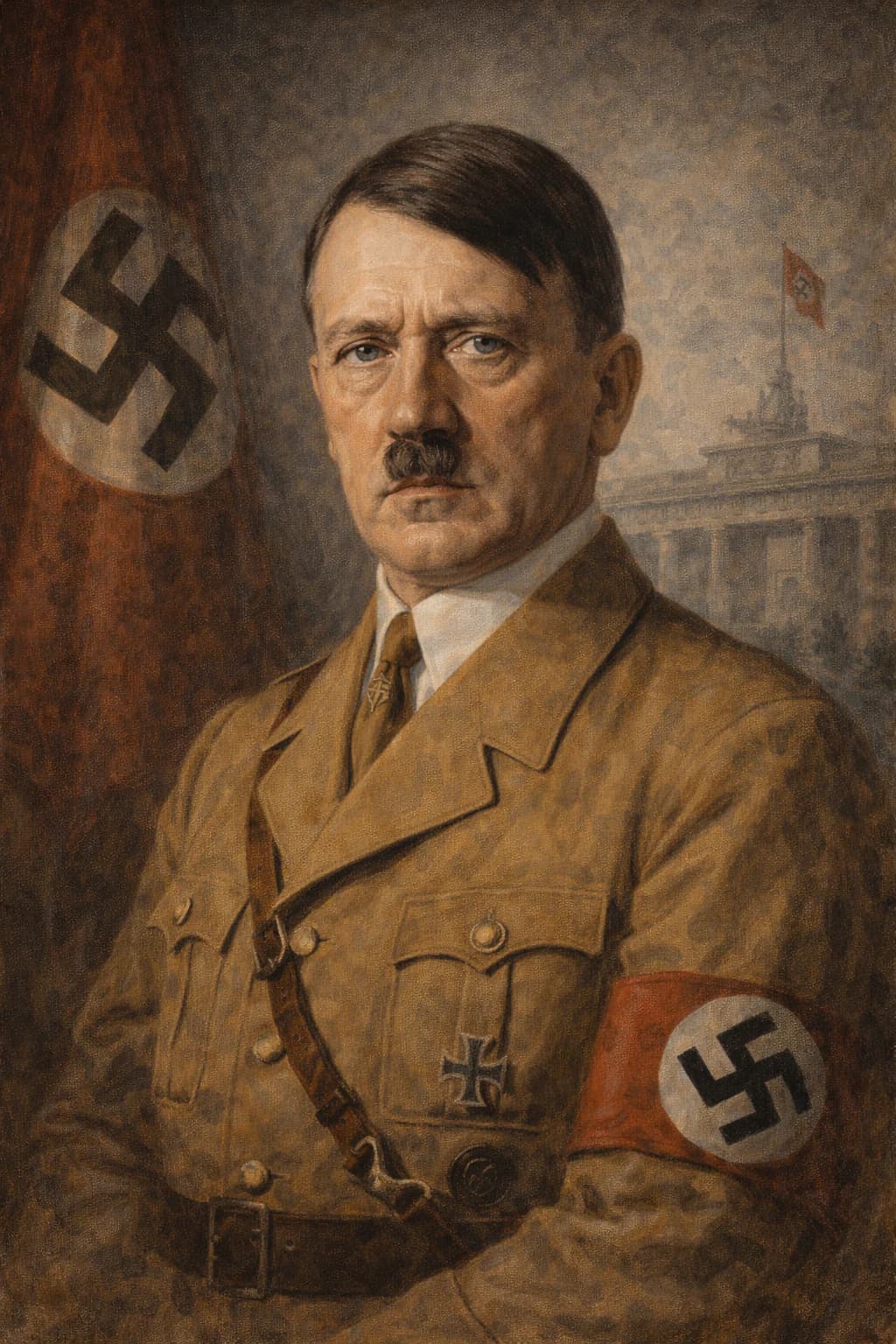
Goebbels joined the Nazi movement in the 1920s and initially leaned toward its more socialist-sounding northern faction, but his devotion shifted decisively to Adolf Hitler. In 1926 Hitler appointed him Gauleiter of Berlin, a hostile and highly visible political battleground. Goebbels turned weakness into spectacle. He used marches, posters, newspapers, street clashes, slogans, and staged martyrdom to make a marginal movement appear dynamic and persecuted. He understood that propaganda was not only persuasion but rhythm: repetition, emotional simplification, enemy-making, and constant presence. His newspaper Der Angriff attacked opponents, especially Jews, Marxists, and democratic leaders, in language designed to degrade and mobilise. Goebbels's rise shows how modern mass politics could reward a man who treated truth as material to be bent and hatred as a tool for building belonging.
Goebbels helped convert Nazi ideology into a daily emotional environment.
1933
Minister of propaganda
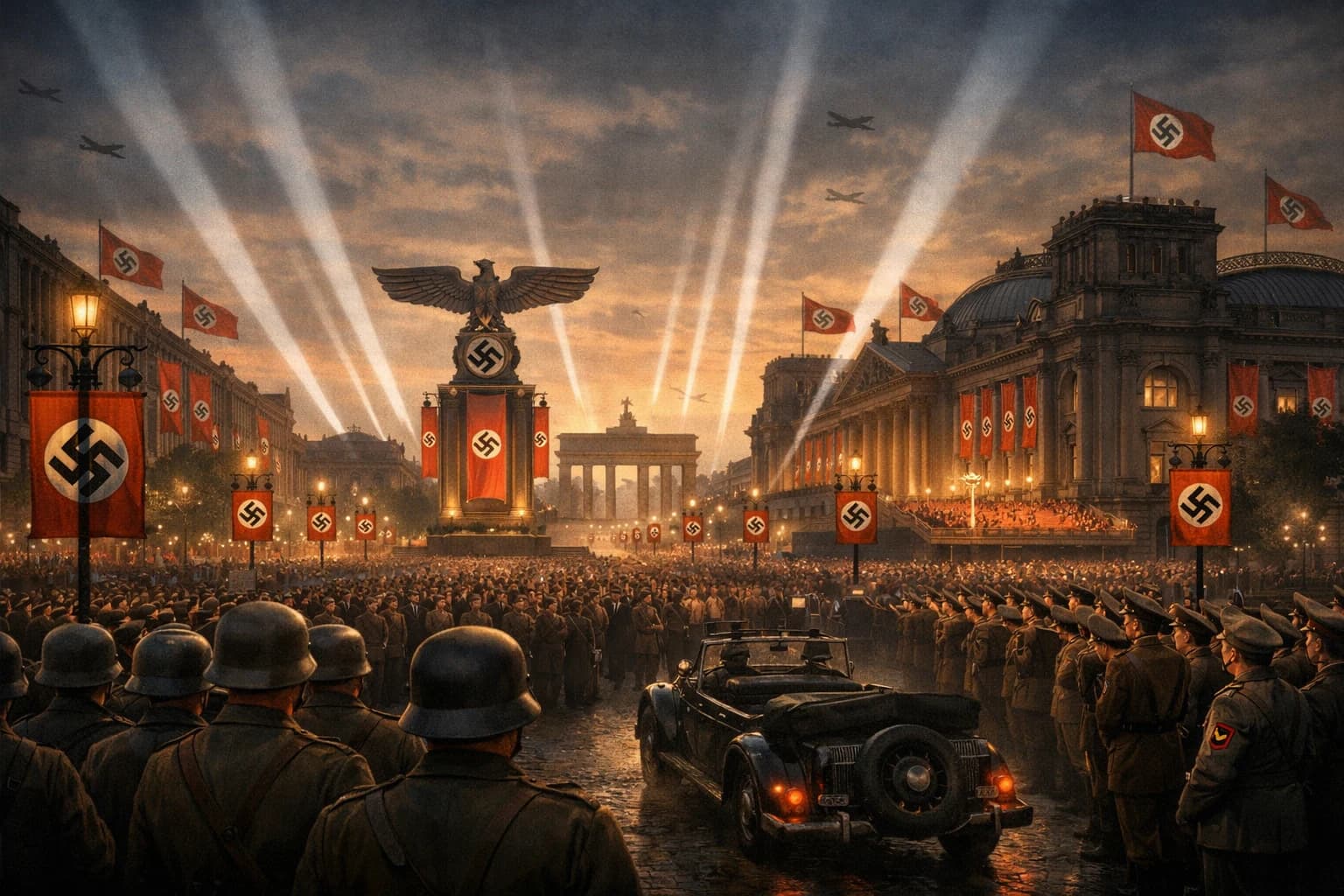
In March 1933 Goebbels became Reich Minister of Public Enlightenment and Propaganda. The title sounded bureaucratic; the power was cultural command. His ministry coordinated newspapers, radio, cinema, theatre, literature, music, and public ceremonies, while censorship and terror eliminated independent opposition. Goebbels did not create Nazi dictatorship alone, but he gave it voice, image, tempo, and stagecraft. The book burnings of 1933, the Nuremberg rallies, radio addresses, newsreels, and film policy all belonged to a larger effort to make Hitler's rule feel inevitable and emotionally intimate. Goebbels also intensified antisemitic propaganda, helping prepare German society for exclusion, violence, and eventually mass murder. His importance lies in the fusion of modern media with totalitarian politics.
Goebbels made propaganda a governing system rather than a decorative accessory to power.
1939-1945
Total war
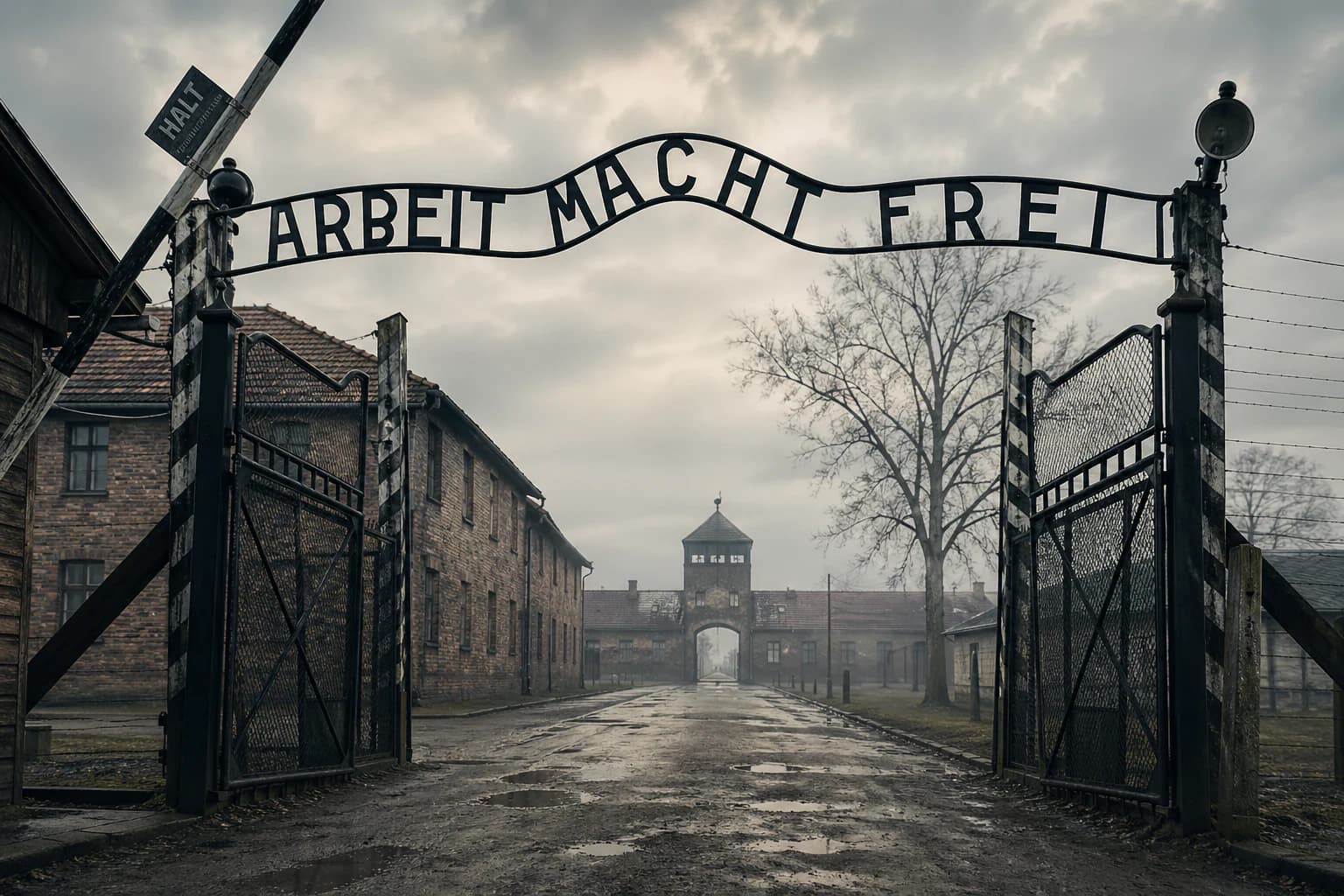
World War II gave Goebbels's propaganda its most destructive setting. He framed German aggression as defence, defeat as betrayal, and genocide as necessity disguised through euphemism and hatred. After the invasion of the Soviet Union in 1941, propaganda became still more apocalyptic, presenting the war as a racial and ideological struggle for survival. Goebbels knew about the murder of European Jews and repeatedly amplified the antisemitic worldview that justified it. In February 1943, after the disaster at Stalingrad, he delivered the Sportpalast speech calling for total war, urging Germans to accept deeper sacrifice rather than question the regime. As bombing devastated German cities and armies retreated, he continued to manufacture certainty. His work did not save Nazi Germany, but it prolonged loyalty, fear, and delusion at immense human cost.
Goebbels's propaganda mattered because it helped a collapsing regime keep demanding obedience.
1945
Bunker death
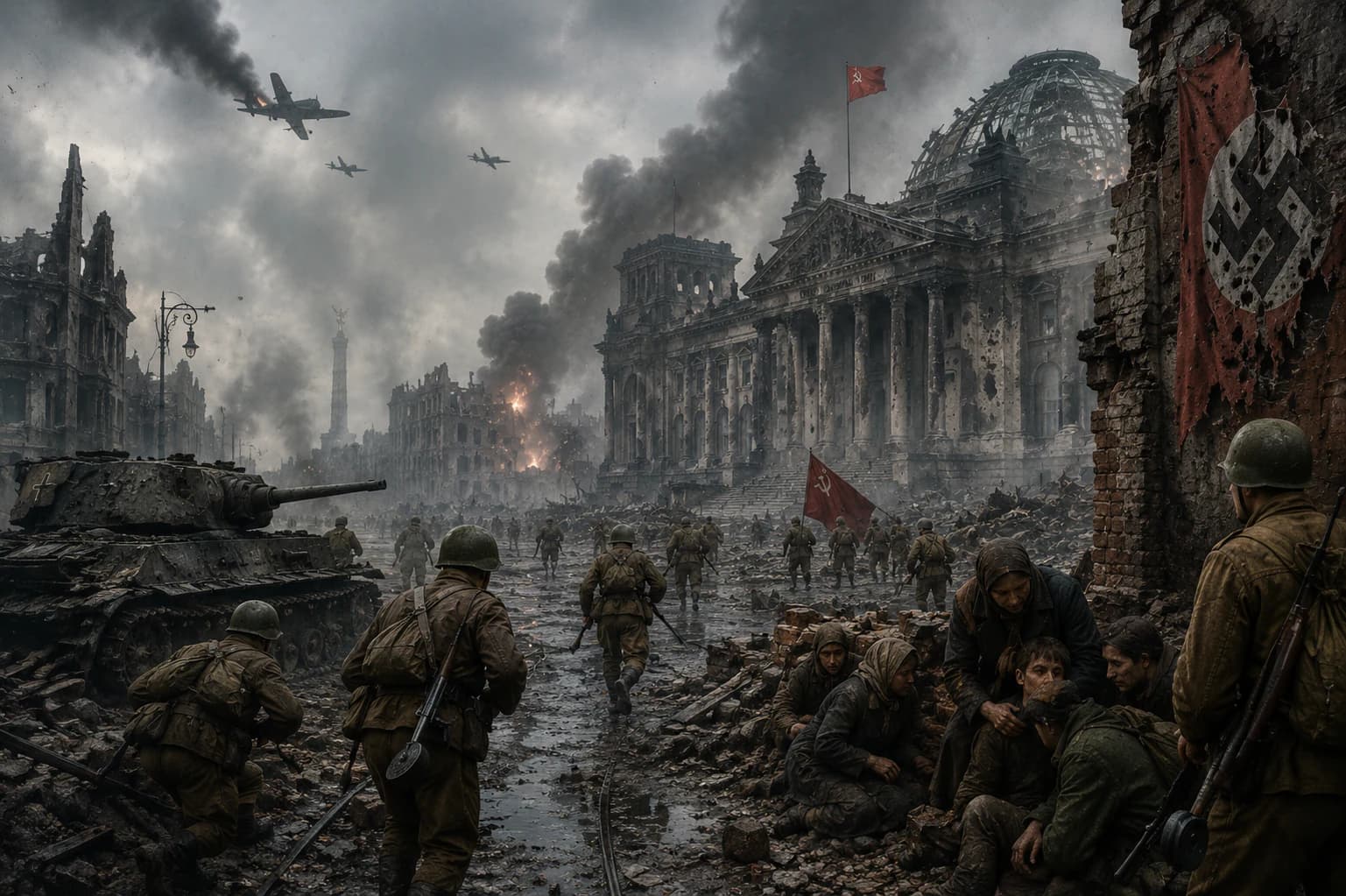
In April 1945 Goebbels followed Hitler into the Berlin bunker. Even as Soviet troops closed in, he remained one of Hitler's most loyal disciples. Hitler named him Reich Chancellor in his political testament, a title Goebbels held for only one day after Hitler's suicide on 30 April. On 1 May 1945, Joseph and Magda Goebbels had their six children killed, then died by suicide. The final act was not an escape from ideology but its hideous completion: a refusal to imagine life after the collapse of the regime they had served. Goebbels's legacy is inseparable from the history of modern propaganda, Nazi antisemitism, and the manipulation of mass emotion. He remains a warning that educated language, culture, and media can be turned into weapons when detached from truth and moral restraint.
Goebbels's life shows how words, images, and performances can become instruments of historical catastrophe.