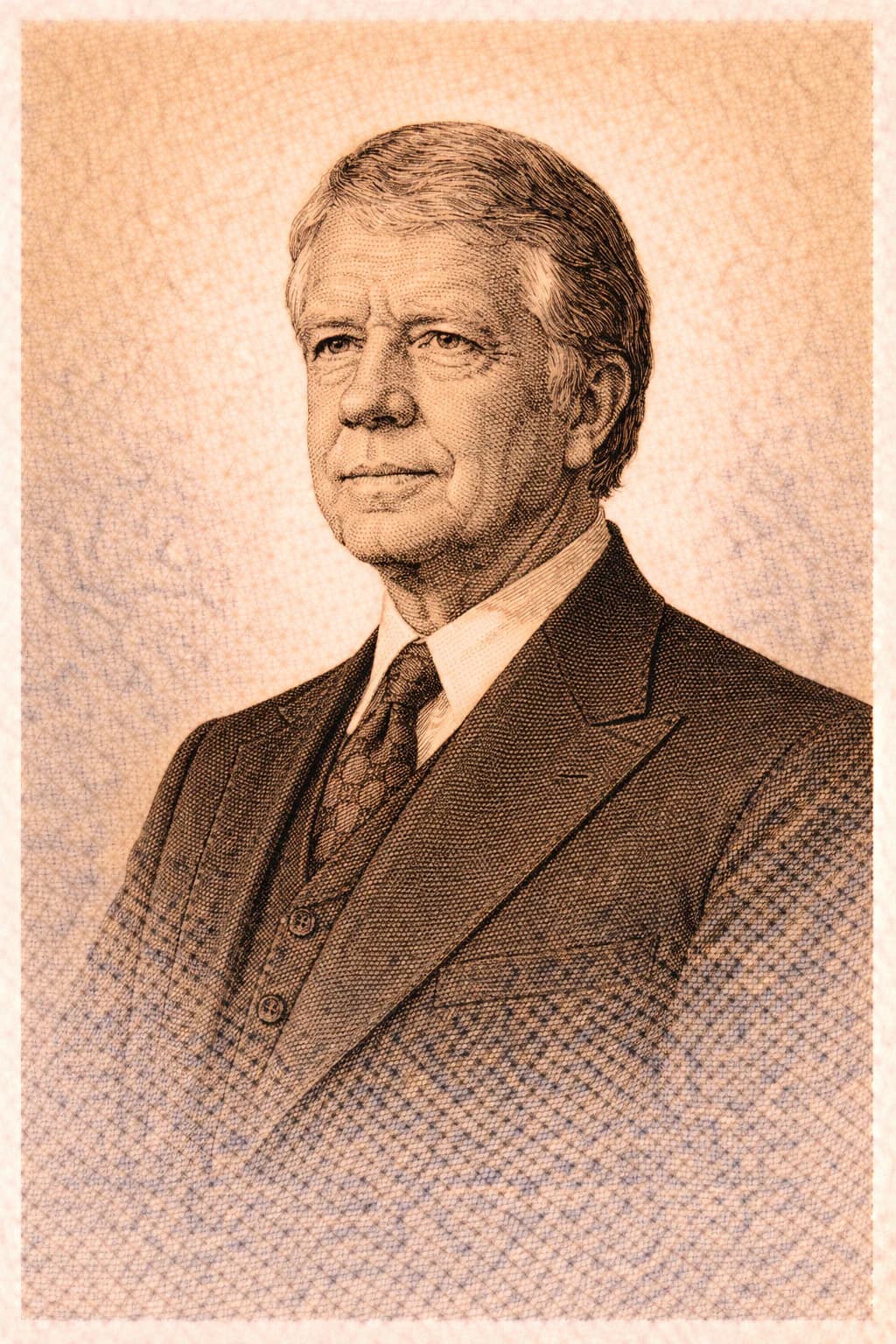
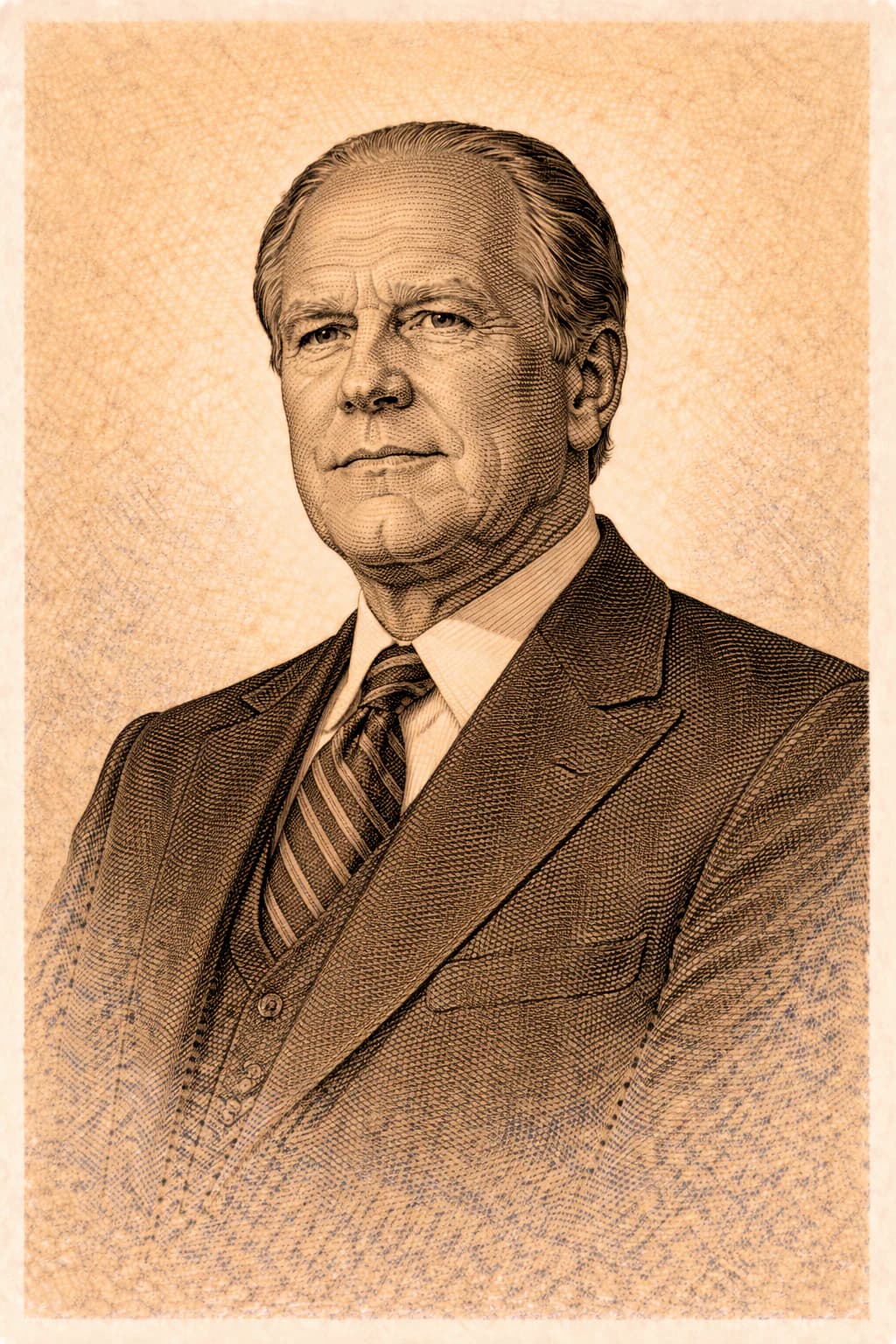
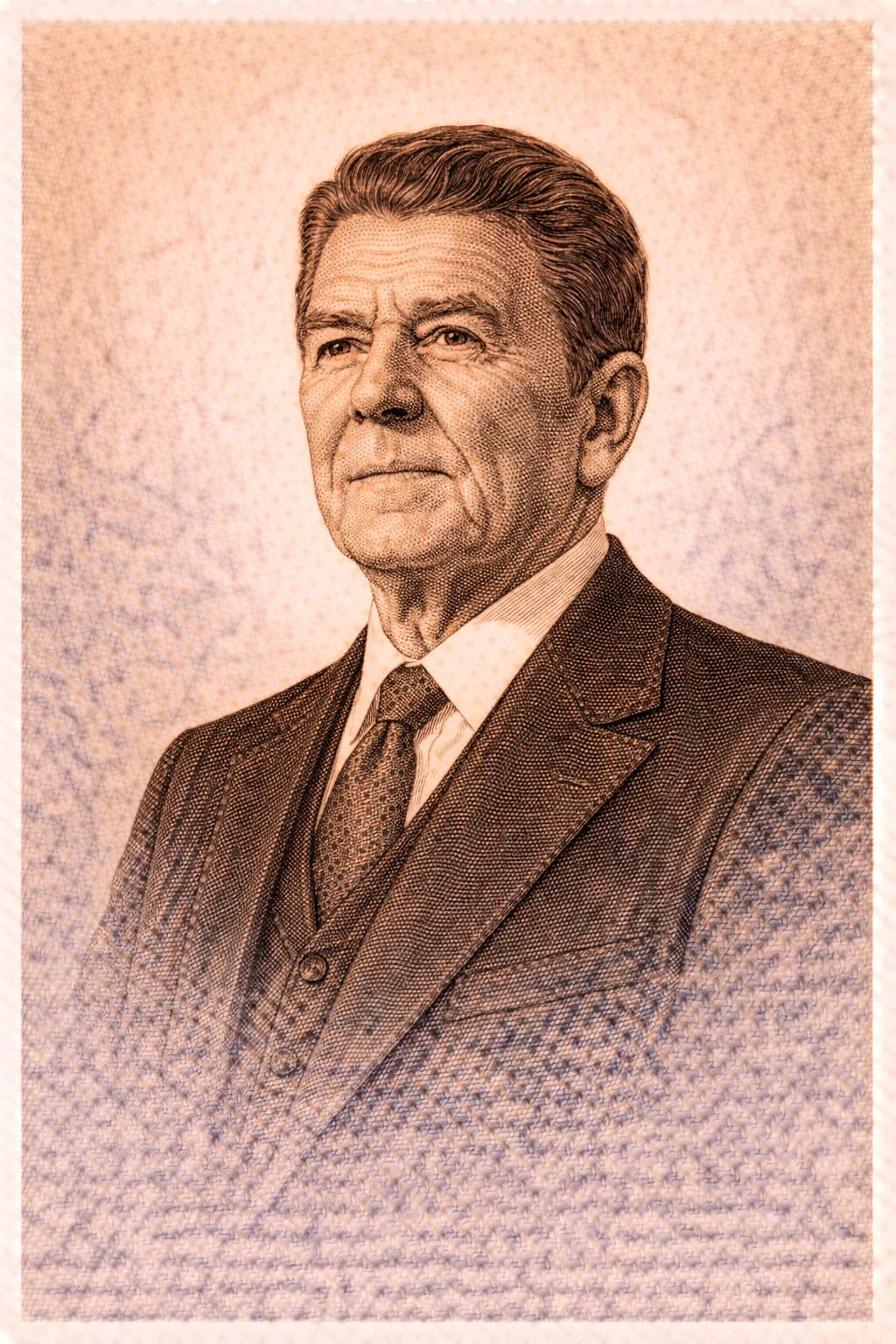
Complete chronology
Full overview and deeper context for every journey step.
1924–1941
Rural beginnings
James Earl Carter Jr. was born on 1 October 1924 in Plains, Georgia, and raised in nearby Archery, a small farming community where the rhythms of peanuts, cotton, church and local obligation shaped daily life. His father was a businessman and farmer; his mother, Lillian, was a nurse with a more independent social conscience than many white southerners of her world. Carter grew up among Black neighbors and playmates while also benefiting from the segregation that denied them equal citizenship. That contradiction stayed with him. His later language of human rights and dignity did not emerge from innocence; it emerged from a man formed inside the system he later tried, unevenly but seriously, to move beyond.
Early exposure to both community strength and inequality can shape a lifelong sense of responsibility.
1943–1953
Naval career
Carter entered the U.S. Naval Academy during the Second World War and graduated in 1946. The Navy gave him discipline, technical confidence and exposure to a wider world than rural Georgia. His work in the submarine service and early nuclear program under Admiral Hyman Rickover was especially important. Rickover demanded precision, honesty and relentless competence, qualities Carter admired and later tried to bring into politics. Naval service also gave Carter a meritocratic self-image: he believed hard work, expertise and moral seriousness could solve problems. That belief became one of his strengths, and sometimes one of his political weaknesses.
Technical training combined with discipline often builds confidence for leadership beyond its original field.
1953–1962
Return to Georgia
Carter expected a long naval career, but his father's death in 1953 brought him back to Georgia. The family business was in poor condition, and Carter had to learn farming, warehousing, credit and local politics quickly. Rosalynn Carter, whom he had married in 1946, became an essential partner in both business and public life. The move back to Plains forced Carter into the practical world of small-town leadership: school boards, church networks, race relations, farm economics and county power. He was ambitious, disciplined and increasingly convinced that public systems needed cleaner management.
Leadership often develops through solving immediate, practical challenges.
1962–1970
State politics
Carter won a seat in the Georgia State Senate in 1962 after challenging electoral fraud in his first race. He built a reputation for seriousness, efficiency and independence, but his rise was not free of political calculation. Running for governor in 1966 and 1970, he had to maneuver through a white electorate still shaped by segregationist backlash. His 1970 campaign included signals that appealed to conservative white voters, yet his inaugural address as governor declared that the time for racial discrimination was over. Carter's early politics therefore mixed moral growth, ambition and compromise in ways that resist easy simplification.
Persistence through early setbacks can refine both strategy and purpose.
1971–1975
Governor of Georgia
Carter served as governor of Georgia from 1971 to 1975. He reorganized state government, pushed administrative efficiency and appointed more women and Black Georgians to public positions than previous administrations had done. He wanted to show that the South could move beyond open segregation without abandoning fiscal restraint or local identity. This New South image became central to his national appeal. Carter was neither a northern liberal nor an old segregationist. He offered competence, faith, moderation and reform at a moment when the Democratic Party was searching for a way to reconnect with voters after Vietnam, civil rights backlash and Watergate.
Leadership that blends practical reform with moral conviction can resonate beyond its immediate setting.
1975–1977
Rise to presidency
When Carter began running for president, few outside Georgia knew who he was. That obscurity became an asset. After Watergate and the Nixon pardon, many voters wanted someone untainted by Washington. Carter campaigned tirelessly through the early primary states, especially Iowa and New Hampshire, turning personal accessibility into momentum. His evangelical faith, engineering confidence and promise never to lie to the public gave him unusual appeal. He defeated President Gerald Ford narrowly in 1976. The victory was not a landslide mandate for detailed policy; it was a moral and emotional response to distrust.
In moments of distrust, credibility can outweigh familiarity.
1977–1981
Presidential challenges
Carter's presidency from 1977 to 1981 was more substantial than its reputation for failure suggests. His greatest achievement was the Camp David Accords of 1978, where he personally pushed Egyptian president Anwar Sadat and Israeli prime minister Menachem Begin toward a peace framework that led to the Egypt-Israel treaty. He placed human rights at the center of U.S. rhetoric, negotiated the Panama Canal treaties and warned Americans about energy dependence. Yet inflation, high interest rates, fuel shortages and a sense of national drift damaged him badly. The 1979 Iranian Revolution and hostage crisis overwhelmed the final year of his presidency. Carter's detail-oriented morality could look admirable in diplomacy and inadequate in political theatre.
Good intentions and careful planning do not always guarantee political success in turbulent times.
1981–2000s
Post-presidential work
Carter's defeat by Ronald Reagan in 1980 was crushing, but it opened the most consequential post-presidency in American history. In 1982 he and Rosalynn founded The Carter Center in Atlanta, working on conflict mediation, election monitoring, human rights and public health. Carter also became closely associated with Habitat for Humanity, physically helping build houses into old age. The Carter Center's campaign against Guinea worm disease became one of the great public-health success stories of the modern era, reducing cases from millions to tiny numbers. In 2002 Carter received the Nobel Peace Prize. The work changed how many people understood him: not as a failed president only, but as a former president who converted moral seriousness into decades of service.
Service after power can sometimes leave a deeper mark than power itself.
2000s–2024
Lasting legacy
Carter lived longer than any other U.S. president, entered hospice care in 2023 and died at his home in Plains on 29 December 2024. His legacy is unusually layered. As president, he was often politically awkward, sometimes ahead of his time on energy and human rights, and unable to master the economic and geopolitical storms that defined the late 1970s. As a former president, he became a global symbol of practical compassion. He monitored elections, negotiated with difficult regimes, taught Sunday school, built houses and fought neglected diseases. To ask why Jimmy Carter was important is to see the difference between office and vocation. He did not make the presidency look easy. He made the decades after it look morally serious.
A lifetime of steady commitment can reshape how leadership itself is understood.