Complete chronology
Full overview and deeper context for every journey step.
1784
Aristocratic Beginnings
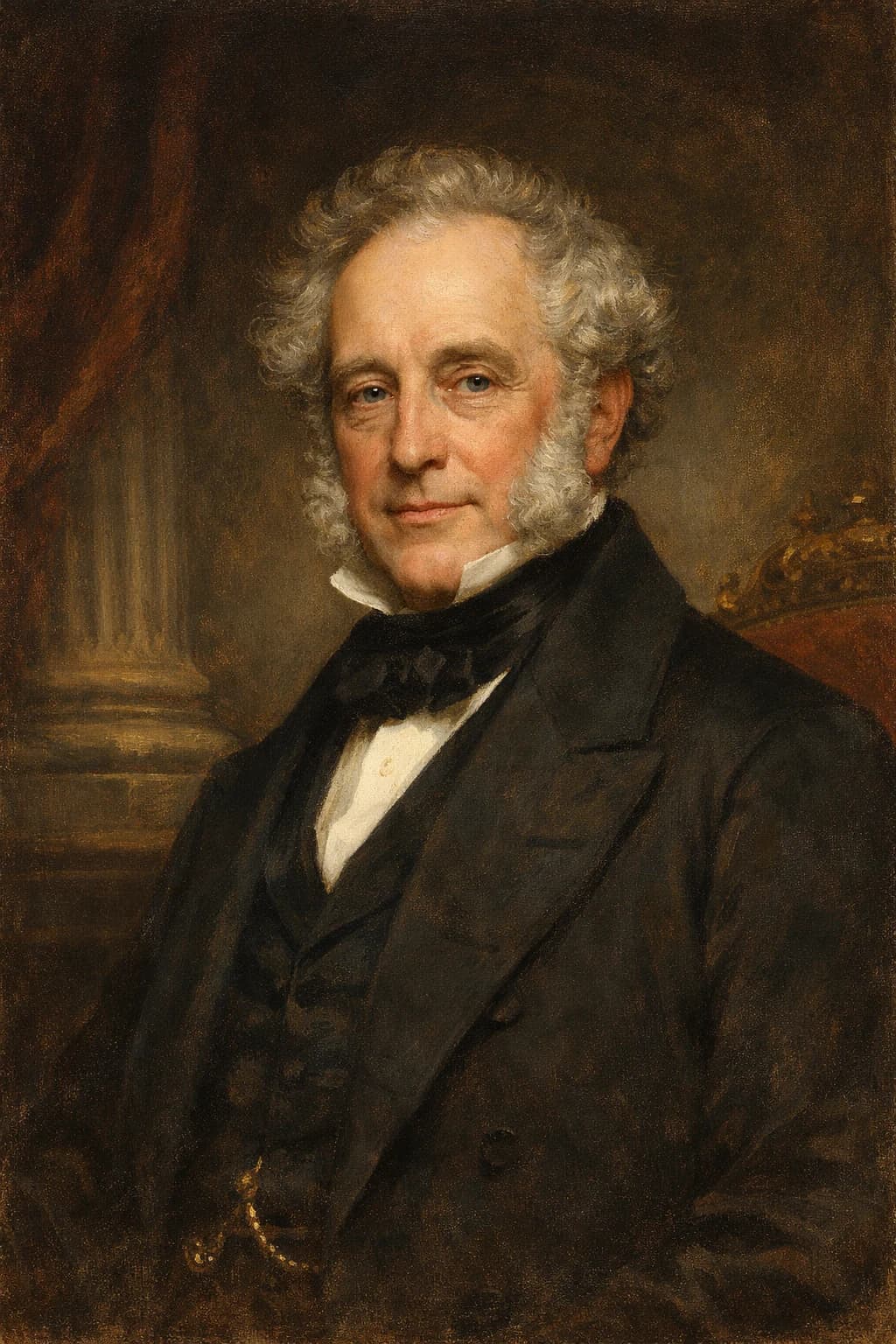
Palmerston belonged to the world of aristocratic politics that shaped Britain before mass democracy. Born in London and connected to estates in Ireland, he inherited his peerage in 1802, but because it was an Irish title he could sit in the House of Commons. His education at Harrow, Edinburgh, and Cambridge placed him inside elite networks while also exposing him to serious political economy and Enlightenment thought. Privilege opened the door, but longevity kept him in the room. Palmerston's career would stretch from the Napoleonic Wars to the age of Italian unification and the American Civil War. Few British politicians lived through so many versions of Europe and remained so insistently relevant.
His early advantages did not guarantee success, but they gave him a head start few rivals could match.
1807
Entering Parliament
Palmerston entered the Commons as a Tory, not as the later Liberal hero imagined by Victorian crowds. His early politics were shaped by war with Napoleon, suspicion of radicalism, and the habits of aristocratic government. He lost early contests, found safer seats, and learned the practical arts of survival: timing, stamina, personal confidence, and the ability to move with changing political weather without seeming rootless. This adaptability became one of his defining traits. Palmerston was not a systematic thinker like Peel or Gladstone. He was a political operator with remarkable instinct for public mood, parliamentary theatre, and the uses of executive power.
Longevity, not early brilliance, became the defining strength of his political rise.
1809–1828
War Administration
The office of Secretary at War did not make Palmerston a battlefield commander, but it taught him how power was funded, supplied, and sustained. He dealt with army estimates, patronage, veterans, bureaucracy, and the practical consequences of global war. The long tenure also made him a familiar parliamentary performer. He survived changes of ministry because he was useful, industrious, and politically flexible. These years are less dramatic than his later foreign policy career, but they mattered. Palmerston learned that Britain's influence rested not only on speeches and principles, but on ships, soldiers, money, logistics, and the willingness to act before rivals set the terms.
His long service in administration quietly built the authority he would later wield on a global stage.
1830s
Foreign Policy Voice
Palmerston became Foreign Secretary in Grey's Whig government and soon made the office his natural stage. He supported constitutional and national movements when they aligned with British interests, backed Belgian independence, watched the balance of power with suspicion, and treated diplomacy as an active instrument rather than polite correspondence. His liberalism was real but selective. He could sympathise with peoples resisting autocracy while also defending empire, commerce, and British strategic advantage. That mixture made him popular at home and maddening abroad. To admirers he made Britain stand tall; to critics he was reckless, domineering, and too willing to risk confrontation for prestige.
He transformed diplomacy from quiet negotiation into a stage for projecting national confidence.
1840s
Intervention Abroad
Palmerston believed that British power had to be visible to be credible. During the Eastern Crisis of 1840 he helped check Muhammad Ali of Egypt and preserve the Ottoman Empire as a counterweight in the balance of power. In the Don Pacifico affair of 1850, he defended coercive action against Greece with a long Commons speech comparing British protection to Roman citizenship. The argument electrified supporters and horrified opponents. It revealed the core of Palmerstonian policy: national honour, maritime reach, legal grievance, and public theatre fused into one. He was not always subtle, and he sometimes outran cabinet or royal patience, especially Queen Victoria's. But he understood that Victorian Britain increasingly wanted foreign policy to feel like proof of national vitality.
His willingness to act abroad revealed both confidence in Britain’s power and a readiness to test its limits.
1855
Becoming Prime Minister
Palmerston reached the premiership at seventy, an age that would have ended most political careers. The Crimean War had exposed failures in administration and military supply, and the public wanted energy. Palmerston offered confidence, patriotism, and a reputation for action. As prime minister he was not a detailed domestic reformer, and he often preferred broad management to ideological programme. His strength was political temperature: he sensed what the country would tolerate, what it would cheer, and when boldness could neutralise criticism. He became the embodiment of mid-Victorian self-belief, reassuring voters that Britain remained vigorous even when its institutions looked strained.
His ascent to power demonstrated that influence built over time can peak when least expected.
1850s
War and Leadership
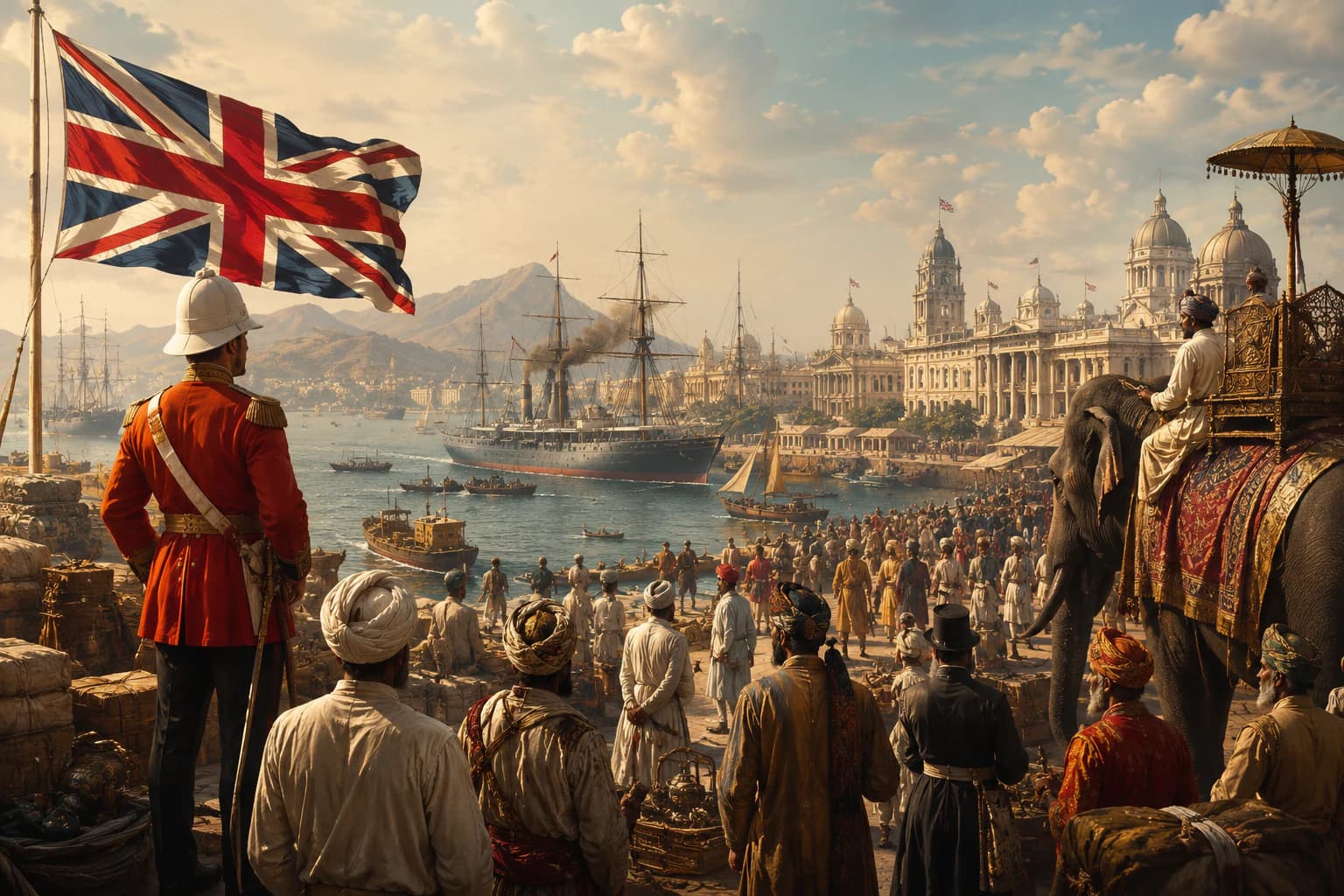
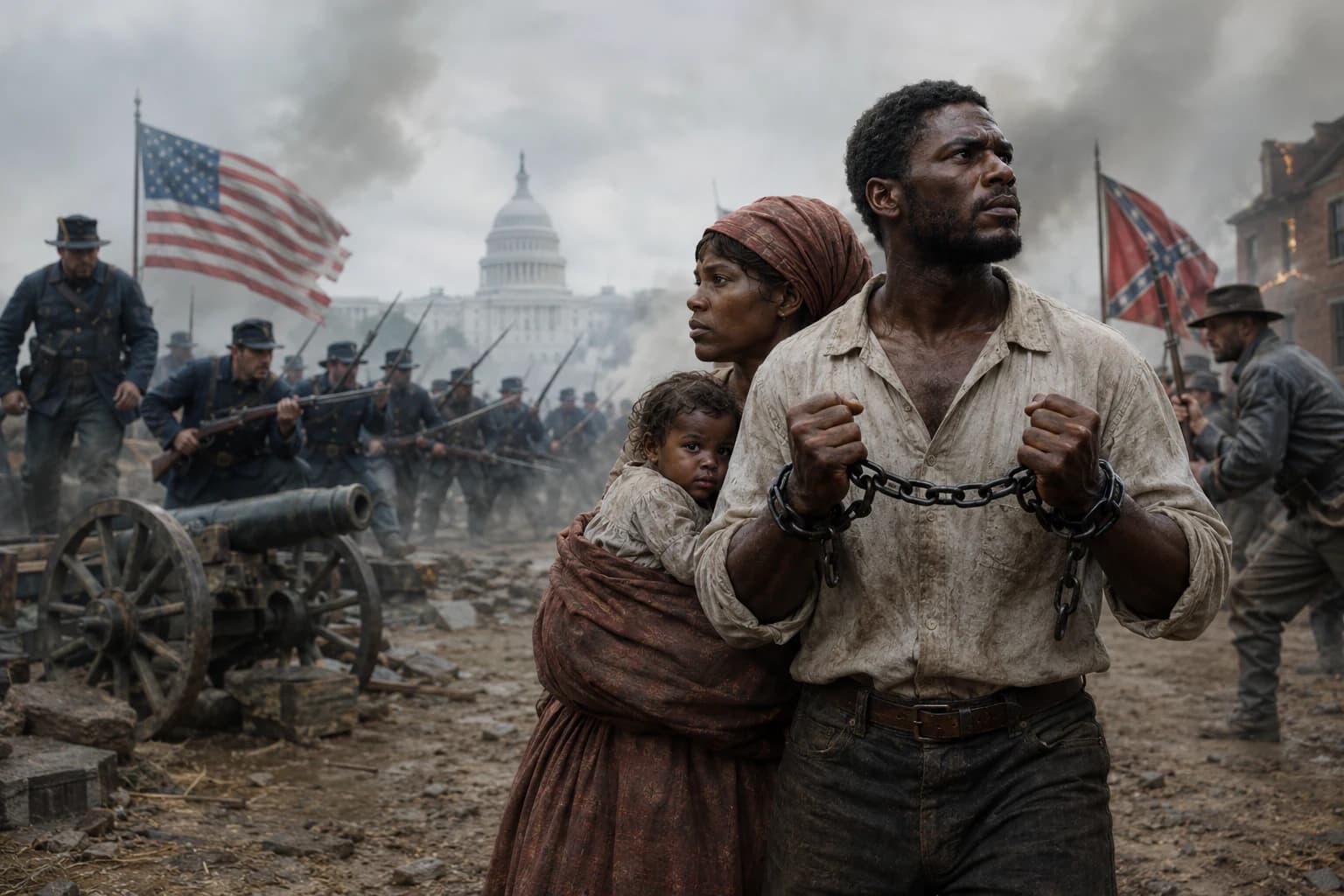
Palmerston governed through a period of intense imperial and international pressure. The Indian rebellion of 1857 raised questions about empire and control; Italian unification stirred liberal sympathy and diplomatic caution; the American Civil War tested Britain's neutrality, cotton supply, and relations with the United States. Palmerston's instincts were often interventionist, but he was not simply reckless. In the Trent Affair of 1861, Britain prepared firmly but stepped back once the Union released Confederate envoys, avoiding war. His leadership style blended swagger with calculation. He knew that public opinion mattered more than it had in the old aristocratic politics of his youth, and he made national confidence a governing resource.
He recognised that power depended not only on decisions but on how those decisions were perceived by the public.
1860s
Last Years in Power
Palmerston's final years were not a gentle fading. He won the 1865 election and remained the dominant figure of government, even as younger Liberals such as Gladstone represented a more reforming future. On domestic issues Palmerston could be cautious, especially over parliamentary reform, where he feared rapid change might disturb constitutional balance. This caution sits awkwardly beside his foreign-policy activism, but it is central to understanding him. He was liberal abroad when liberty seemed compatible with British interests; at home he often preferred social order and incremental change. His energy in old age became part of his legend. He seemed to belong to several political generations at once.
His persistence turned longevity itself into a form of political power.
1865
Enduring Legacy
Palmerston's death closed one of the longest careers in British political history. His legacy is larger than any single office. He helped turn foreign policy into a subject of popular excitement, made the defence of British subjects abroad a political creed, and gave Victorian liberalism a muscular, patriotic edge. Yet the debate around him has never disappeared. Was he the guardian of liberty against autocracy, or the architect of arrogant gunboat diplomacy? The answer depends on where one stands in the story. For many Britons he symbolised confidence, protection, and national purpose. For foreign governments and later critics, he could represent coercion dressed as principle. His importance lies in that tension. Palmerston made British power feel personal, public, and moral, even when its motives were mixed.
His legacy lies in how he linked national identity to the conduct of foreign policy.