Complete chronology
Full overview and deeper context for every journey step.
3rd century BCE
Born into the Barcid project
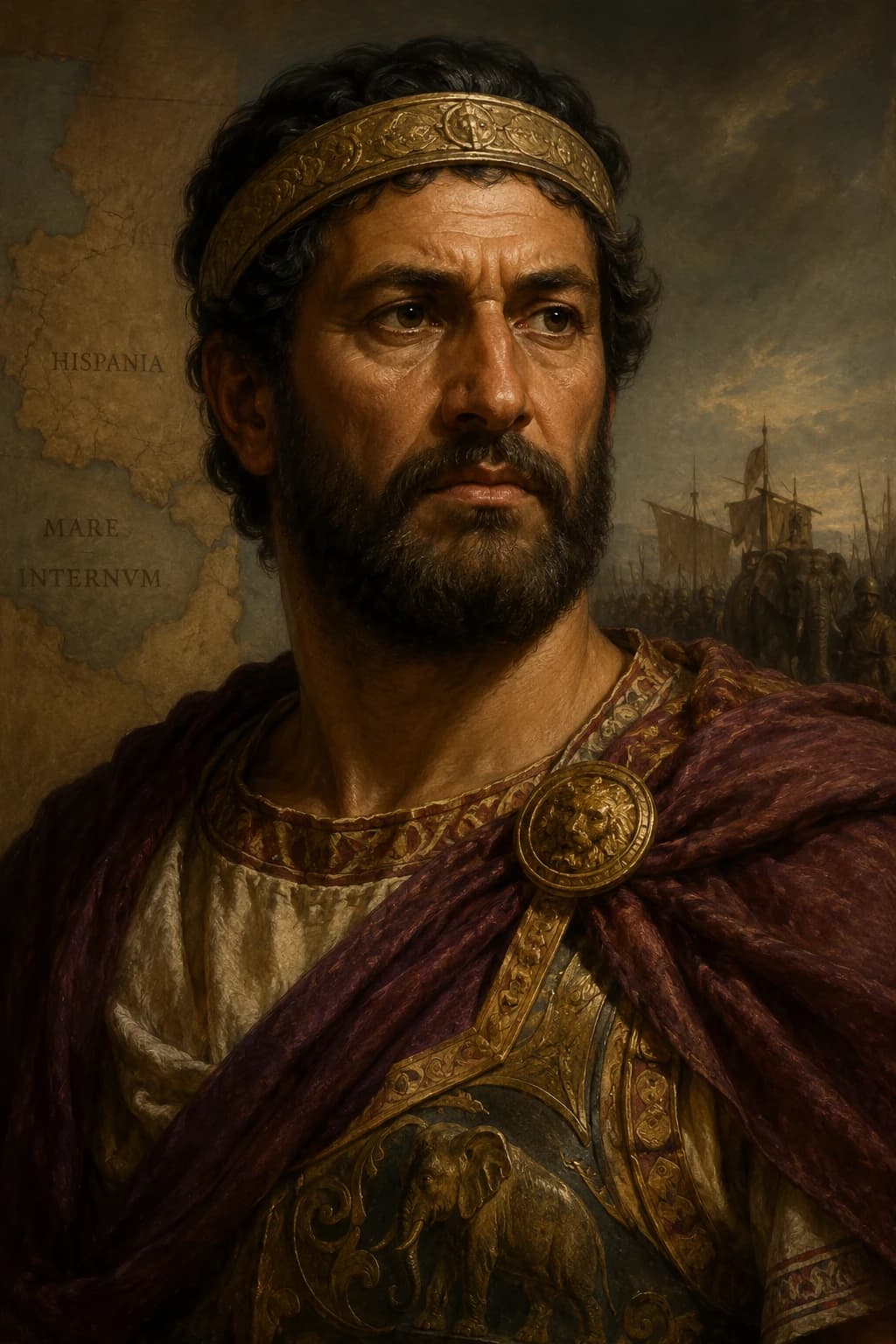
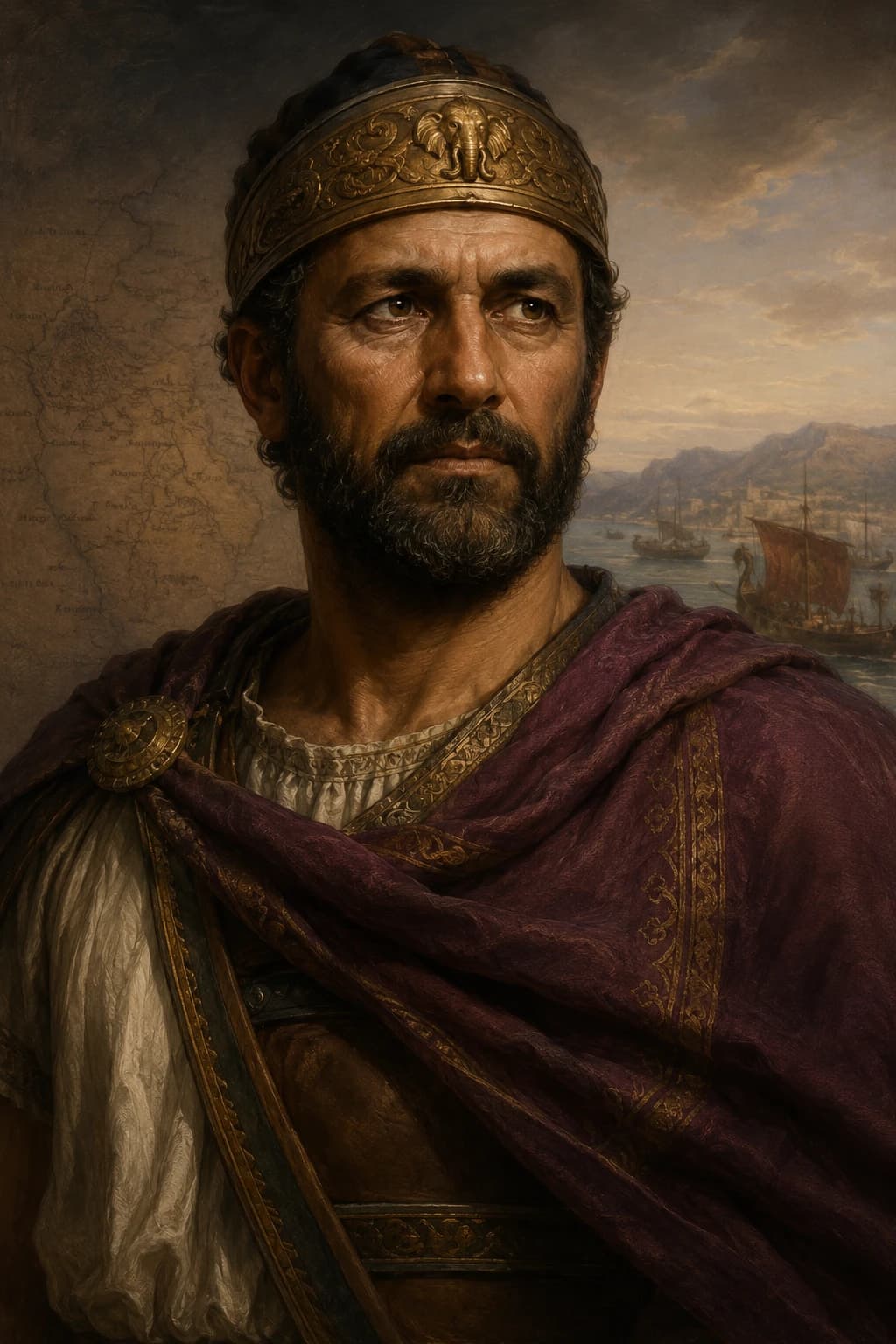
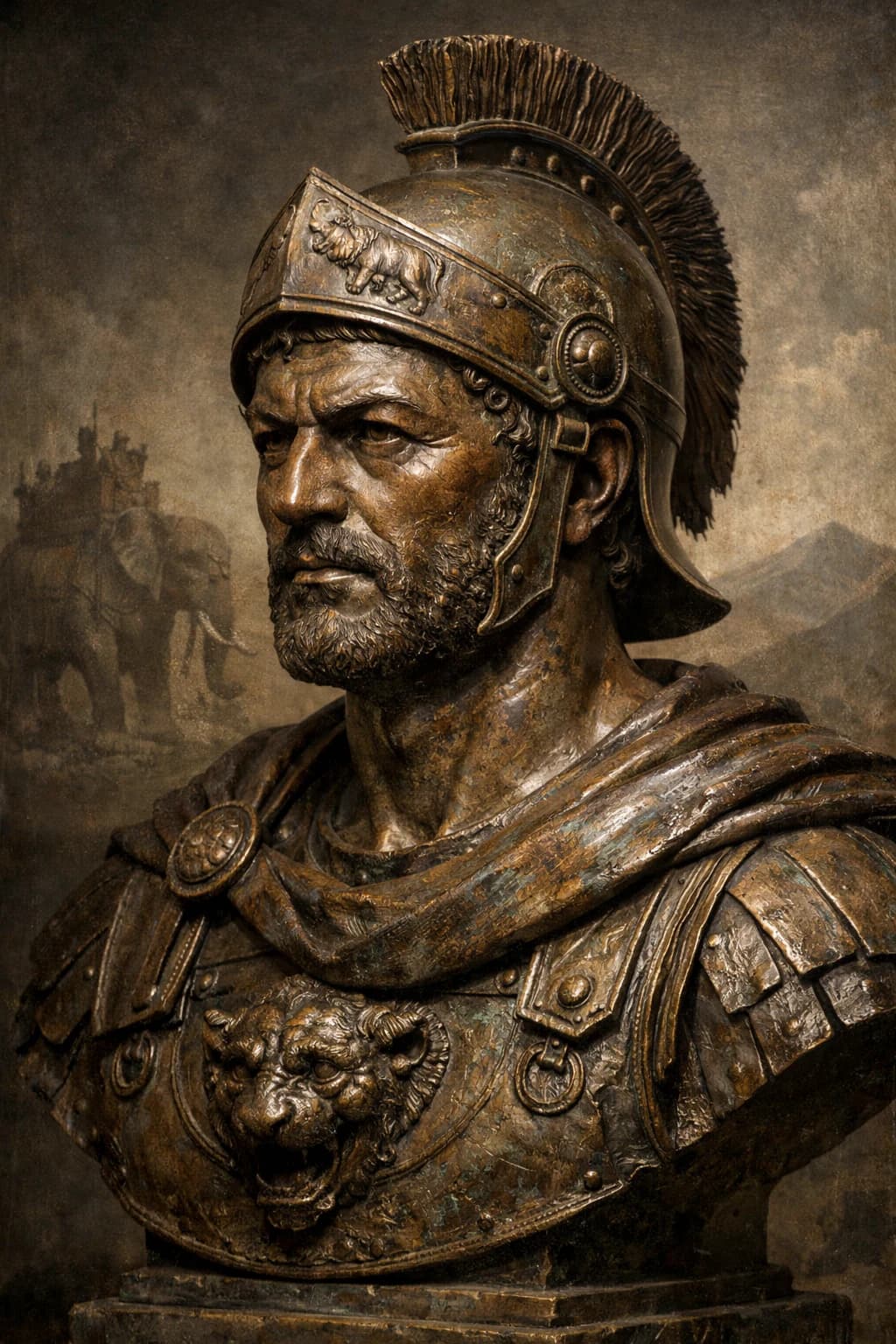
Hasdrubal Barca belonged to the Barcid family, the Carthaginian military house that rebuilt power in Iberia after the First Punic War. His early life is poorly documented, but the setting is clear. He grew up around campaigns, local alliances, money from Iberian resources, and the memory of Carthage's defeat by Rome. Like Hannibal and Mago, he was part of a family whose authority rested on both Carthaginian interests and personal loyalty from western armies. That background made him more than a supporting character. He was one of the commanders expected to keep the Barcid system alive while Hannibal attempted the impossible in Italy.
His life was shaped by a family strategy larger than any one commander.
218 BCE
Holding Iberia
Hannibal's invasion of Italy depended on more than the army that crossed the Alps. Iberia supplied money, soldiers, bases, and strategic depth. Hasdrubal's role was to preserve that foundation under Roman pressure. The Roman strategy in Spain aimed to cut Hannibal away from reinforcement and revenue, so Hasdrubal faced a war of containment as much as conquest. He had to keep local allies loyal, defend lines of communication, and prevent Rome from turning Iberia into the weak point of the Carthaginian war effort.
While Hannibal attacked Rome's confidence, Hasdrubal had to defend the system that made the attack sustainable.
216-211 BCE
A divided theatre
The Iberian theatre was messy and dangerous. Roman commanders pressed Carthaginian positions, local communities shifted calculations, and Carthaginian armies did not always operate with perfect unity. Hasdrubal won and lost opportunities in a theatre where geography, alliances, and supply mattered as much as set battles. The stakes were enormous. If Carthage held Iberia, Hannibal might receive men and money. If Rome broke Iberia, Hannibal's Italian campaign would become isolated. Hasdrubal's war therefore sat at the centre of the Second Punic War's wider logic.
Iberia was not a side show; it was the supply heart of the Barcid challenge.
209-208 BCE
Facing Scipio
Publius Cornelius Scipio's arrival changed the Iberian war. The capture of New Carthage in 209 BCE damaged Carthaginian prestige, supplies, and hostage diplomacy. At Baecula in 208 BCE, Hasdrubal fought Scipio and was defeated, but he preserved enough of his force to escape northward. Ancient and modern judgments of Baecula often turn on that point. Scipio won the field, but Hasdrubal survived to attempt the more dangerous strategic move: marching toward Italy to join Hannibal. A tactical defeat did not end his usefulness, because the war still offered one dramatic possibility.
Survival after defeat mattered because Hasdrubal still carried the hope of reinforcing Hannibal.
208-207 BCE
Toward Italy
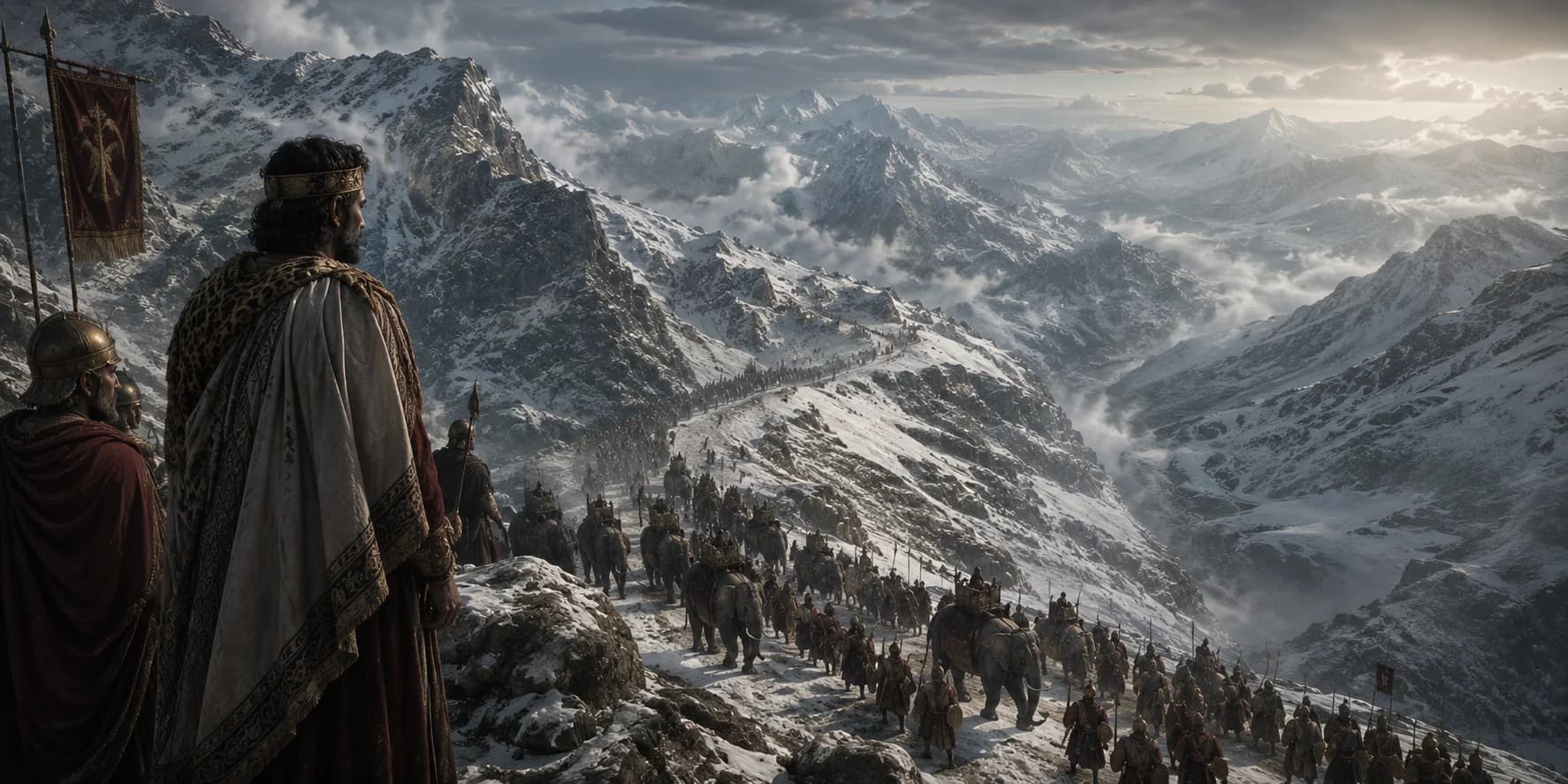
Hasdrubal's march toward Italy was a strategic gamble. If he could join Hannibal, Rome might face a renewed crisis in its own peninsula. The plan showed that Carthage still understood the political danger Hannibal represented: two Barcid armies in Italy could frighten allies, stretch Roman manpower, and revive the war's early shock. But Rome had learned since 218 BCE. Its commanders watched routes, intercepted messages, and moved quickly to prevent the junction. Hasdrubal was trying to recreate the terror of Hannibal's arrival in a world where Rome was no longer surprised by Barcid audacity.
The same idea that had shocked Rome once now had to pass through a better prepared enemy.
207 BCE
Death at the Metaurus
The Battle of the Metaurus was one of the decisive moments of the Second Punic War. Roman forces under Gaius Claudius Nero and Marcus Livius Salinator caught Hasdrubal before he could unite with Hannibal. The Carthaginian army was destroyed and Hasdrubal was killed. Ancient tradition made the aftermath brutally symbolic: Hasdrubal's severed head was thrown into Hannibal's camp, announcing that the hoped-for reinforcement had failed. Whether every detail is shaped by Roman drama, the strategic fact is clear. Hannibal would remain isolated in Italy.
Metaurus ended the most dangerous chance of renewing Hannibal's Italian campaign.
After 207 BCE
A failed rescue of the war
Hasdrubal Barca's legacy is tied to absence: the army that did not reach Hannibal, the junction that did not happen, the second shock Rome prevented. His career shows why the Second Punic War was not only Hannibal's story. It was a contest across theatres, where Spain, Gaul, Italy, Africa, and North African alliances all shaped the final result. Hasdrubal was capable and dangerous, but he operated after Rome had begun to adapt. His defeat at the Metaurus narrowed the war and helped turn Hannibal from an existential threat into an isolated commander waiting for Carthage's wider position to fail.
His failure was decisive because it left Hannibal brilliant, dangerous, and alone.