Complete chronology
Full overview and deeper context for every journey step.
1895–1914
Second son
George VI was born Albert Frederick Arthur George on 14 December 1895, the second son of the future George V and Queen Mary. Known as Bertie, he grew up in a strict royal household where discipline mattered more than emotional ease. He suffered from ill health, knock knees corrected with painful splints, and a severe stammer that made speech a source of dread. As the second son, he was not expected to reign, which spared him some scrutiny but did not free him from duty. His childhood left him anxious and self-doubting, yet also conscientious. The qualities that looked like limitations in youth became part of the moral seriousness of his kingship.
Growing up outside the spotlight gave him resilience rather than entitlement.
1914–1918
Service in war
Albert served in the Royal Navy during World War I and was present at the Battle of Jutland in 1916 aboard HMS Collingwood. Illness limited parts of his service, but the navy gave him practical discipline and a sense of shared hardship beyond court life. He later served in the Royal Air Force, becoming the first member of the royal family certified as a pilot. Military service did not make him flamboyant; it strengthened his instinct that rank required work. When Britain faced another war under his reign, he could speak to service, danger and endurance not as abstractions but as experiences connected to his own formation.
Shared experience with servicemen strengthened his connection to the public.
1923
Marriage and stability
Albert married Lady Elizabeth Bowes-Lyon in 1923 after a courtship that mattered deeply to his confidence. Elizabeth brought warmth, resilience and social ease to a man often crippled by self-consciousness. Their family life with Princess Elizabeth and Princess Margaret became central to the public image of the monarchy after the abdication crisis. Elizabeth also supported his work with speech therapist Lionel Logue, whose unconventional methods helped him manage, though never fully erase, his stammer. The partnership was political as well as personal. It gave Albert the emotional structure needed for a role he feared and later could not escape.
Personal support gave him the confidence to face challenges he once avoided.
1936
Unexpected accession
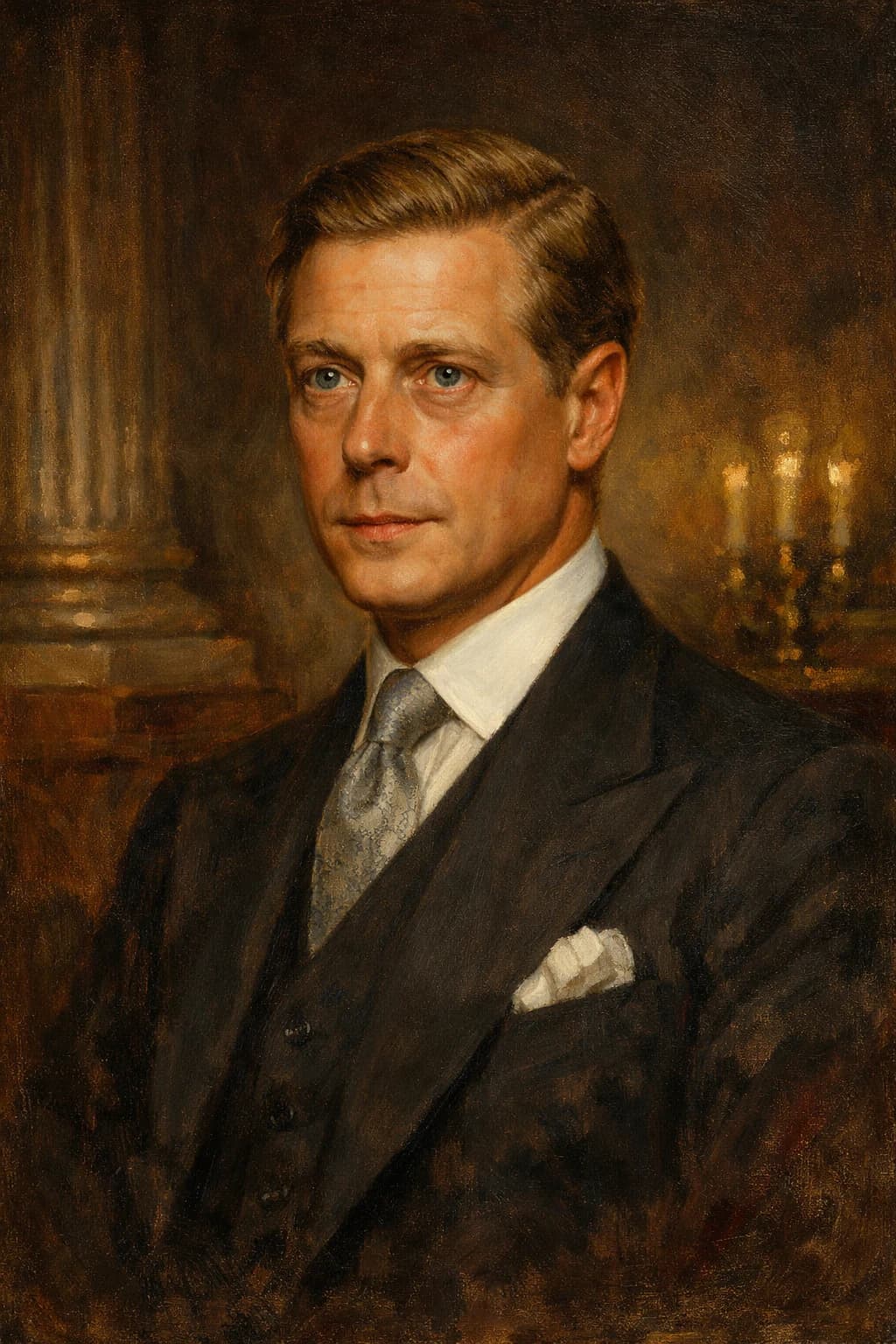
The abdication of Edward VIII in December 1936 thrust Albert onto the throne as George VI. Edward's decision to marry Wallis Simpson had shaken confidence in the monarchy and raised questions about duty, church, empire and personal desire. George VI inherited not triumph but repair work. He chose his regnal name to signal continuity with George V, the father whose seriousness had protected the crown. The new king was frightened, inexperienced and painfully aware of his public speaking difficulties. Yet the very reluctance that made the role hard also gave him credibility. He accepted kingship as service, not self-fulfillment.
Reluctance did not prevent him from rising to the demands of leadership.
1936–1939
Finding his voice
George VI became king in the age of radio, which made his stammer a constitutional problem as well as a private ordeal. A monarch now had to speak directly into homes, not simply appear in carriage windows. With Lionel Logue's help, he prepared speeches with painstaking discipline, learning rhythm, breathing and confidence under pressure. The work mattered because listeners could hear the effort. His voice did not sound effortless, and that became part of its power. In a century of dictators who spoke with theatrical certainty, George's careful, strained broadcasts suggested a different kind of authority: vulnerable, dutiful and human.
Leadership sometimes begins with mastering one’s own limitations.
1939–1945
War leadership
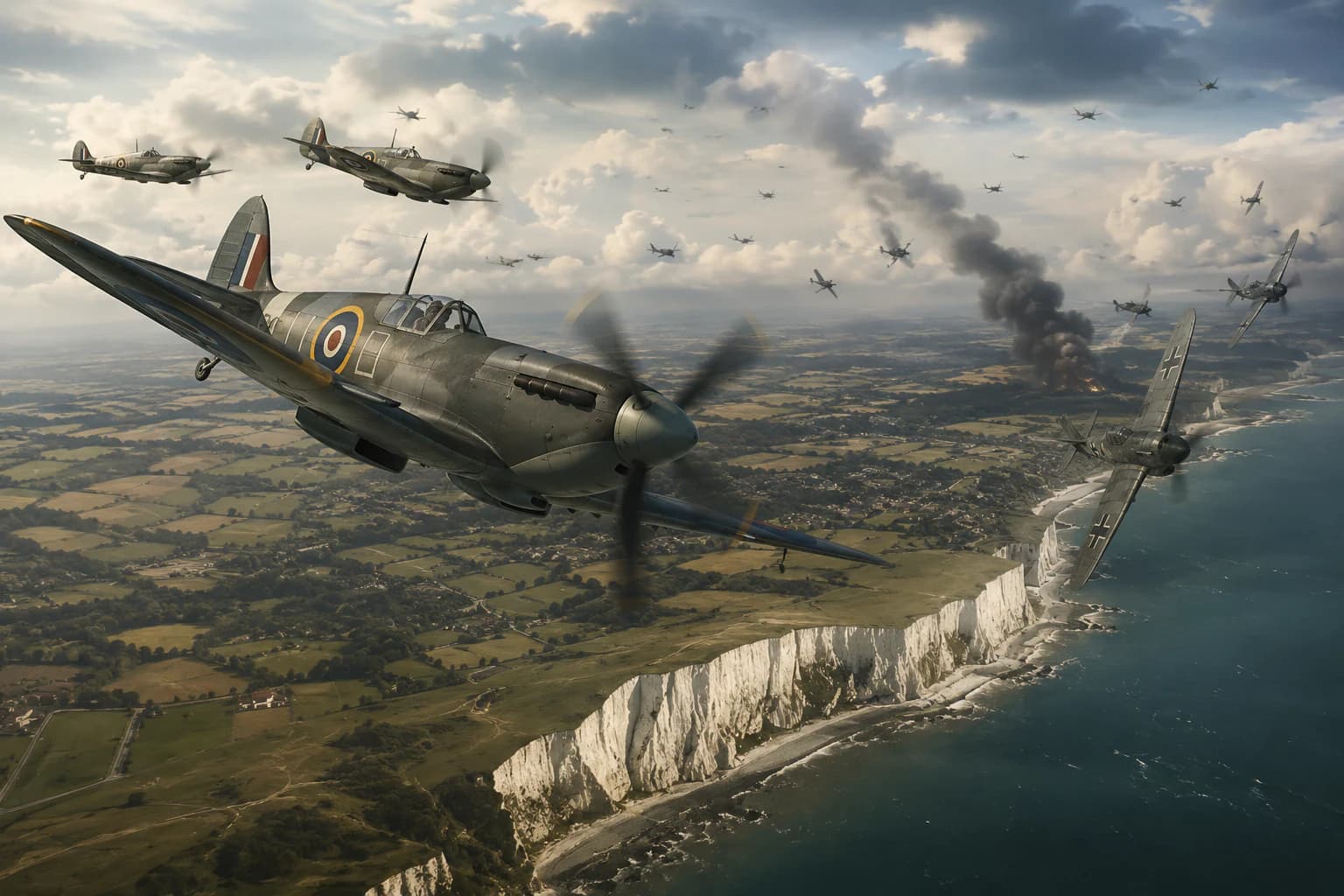
World War II defined George VI's reign. He and Queen Elizabeth stayed in Britain and remained visibly associated with London during the Blitz, even after Buckingham Palace was bombed. The famous remark that the queen could now look the East End in the face captured the monarchy's need to share risk, not merely praise sacrifice from safety. George worked closely with Winston Churchill, though their relationship took time to develop, and he visited bombed cities, factories and troops. His role was symbolic, but symbolism mattered. The king embodied continuity while elected ministers made policy and commanders fought the war.
Visible presence during crisis can unify a nation more than distant authority.
1945
War’s end
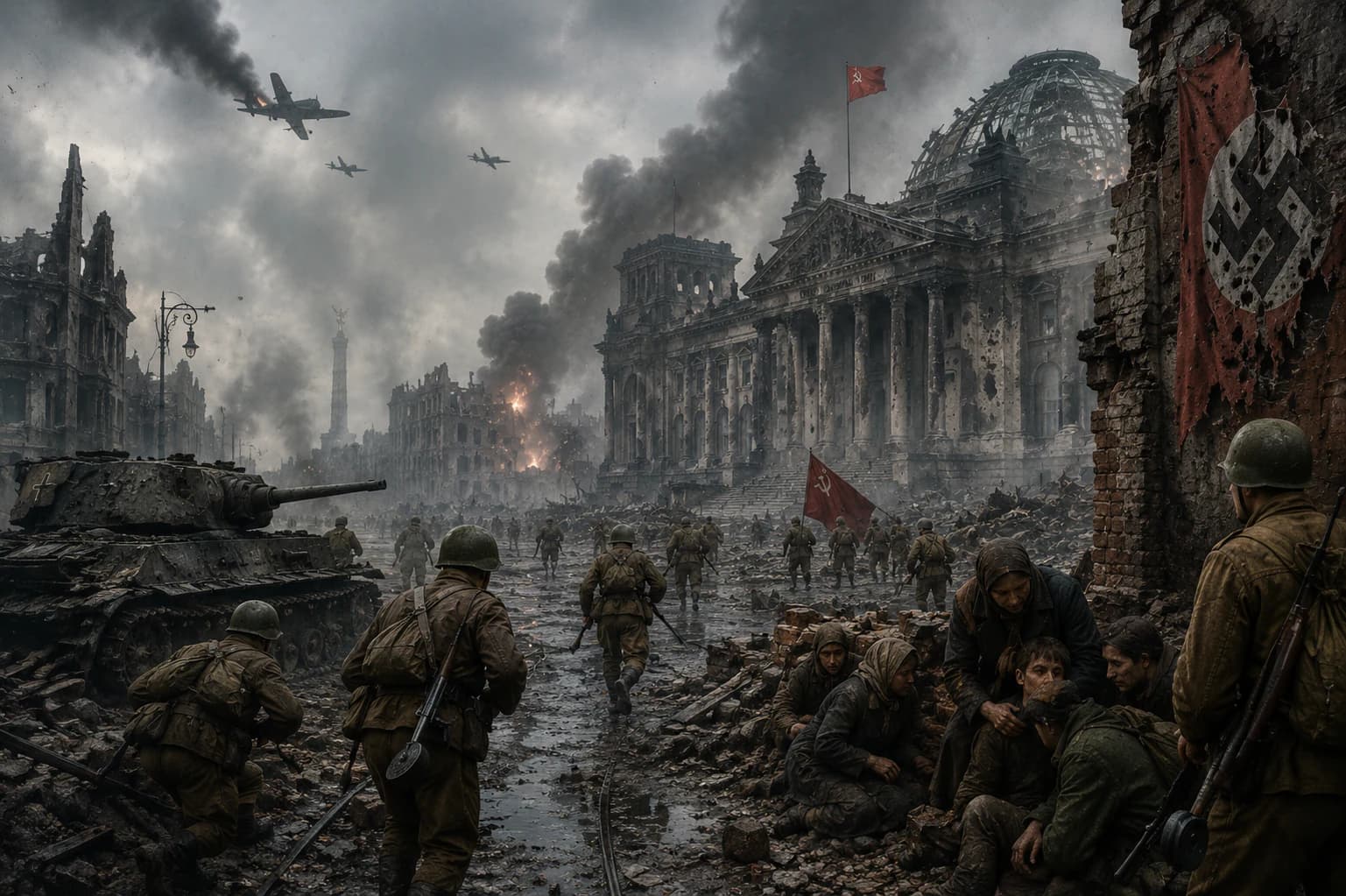
Victory in 1945 confirmed George VI as a symbol of national endurance. On VE Day he appeared with Churchill and the royal family on the balcony of Buckingham Palace while crowds filled the Mall. The monarchy had not won the war, but it had endured it visibly. That distinction matters. George's wartime conduct helped repair the damage of 1936 and made the crown feel morally serious again. Yet victory also opened a changed world: Labour won the 1945 election, the welfare state expanded, austerity continued and empire began to loosen. The king had to remain steady as the country he represented transformed.
Shared hardship transformed the monarchy into a more relatable institution.
1946–1952
Declining health
The war damaged George VI's health. Heavy smoking, stress and exhaustion contributed to vascular disease and lung cancer; in 1951 his left lung was removed. He continued duties where possible, but his strength was failing. Politically, his last years saw India and Pakistan become independent in 1947 and the British Empire begin its transformation into the Commonwealth. George accepted the title Head of the Commonwealth, a new form of symbolic association rather than imperial command. This transition was not simple or complete, and decolonization would bring conflict as well as independence. Still, his reign marked the point where monarchy had to learn a post-imperial language.
Commitment to duty persisted even as his strength faded.
After 1952
Enduring legacy
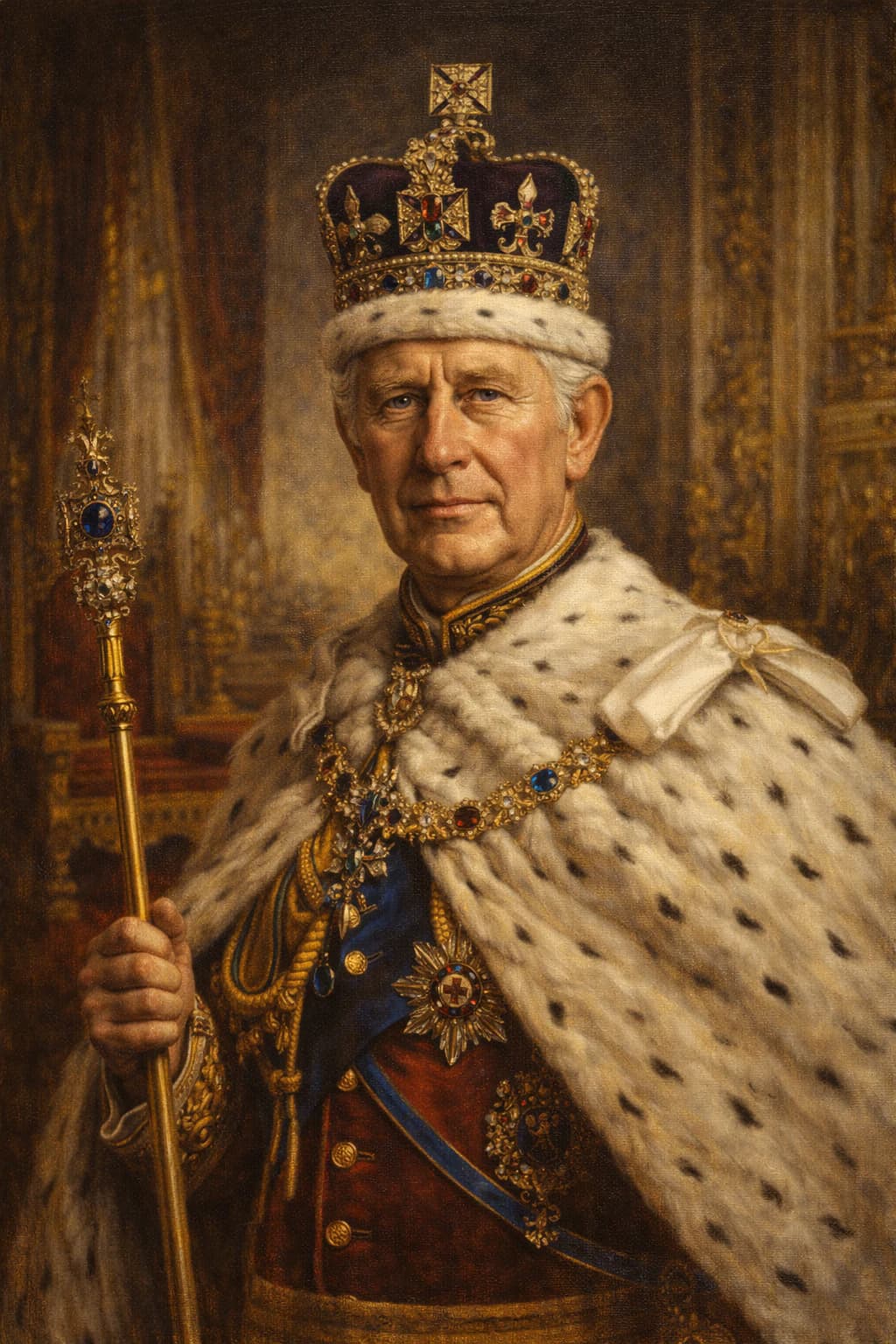
George VI died at Sandringham on 6 February 1952, and his daughter became Elizabeth II. His legacy rests on restoration. He restored confidence after abdication, gave the monarchy a human wartime face, and modeled kingship as endurance rather than brilliance. He was not a policy-maker on the scale of presidents or prime ministers, and he did not halt imperial decline. His importance lies in constitutional symbolism performed under pressure. To ask why George VI was important is to understand that modern monarchy survives not by ruling directly, but by persuading people that duty, restraint and shared hardship still have public meaning.
Quiet determination can leave a deeper mark than dramatic authority.