Complete chronology
Full overview and deeper context for every journey step.
280 BC
Patrician Beginnings
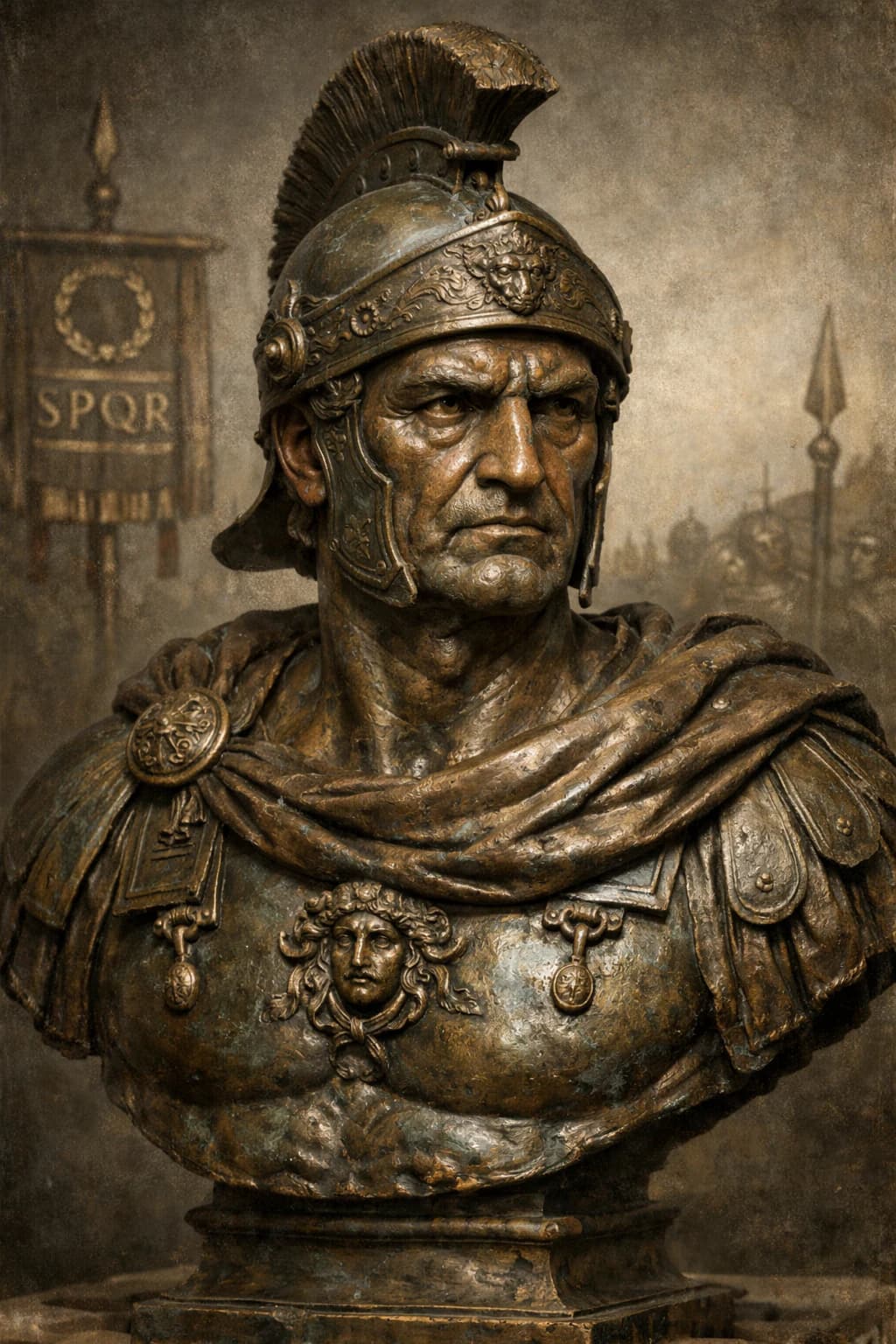
Quintus Fabius Maximus Verrucosus was born into the Fabii, one of the oldest patrician clans of the Roman Republic. The family name carried stories of office, sacrifice, and expectation, and a young aristocrat in that world learned early that reputation was inherited only to be tested in public. Rome did not separate politics, war, and religion neatly. A leading man was expected to advise in the senate, command in the field, honor the gods, and protect the standing of his house. Fabius absorbed that culture of disciplined service. Ancient writers later describe him less as a dazzling prodigy than as a man of gravity, patience, and unusual self-command. That matters because his most famous achievement was not a battlefield charge but the ability to resist a whole city's hunger for one.
His later caution was not weakness appearing late in life; it grew from an upbringing that prized endurance over flair.
260s-240s BC
Learning Public Life
Roman public life rewarded ambition, but it also punished men who misread the mood of the state. Fabius advanced through offices that demanded legal judgment, military credibility, and a visible respect for tradition. He served in a republic that admired aggressive action, especially against foreign enemies, yet his political personality seems to have been built around control rather than display. The nickname Verrucosus referred to a physical mark, and later tradition also called him Cunctator, the Delayer, but the deeper pattern was already present before Hannibal. Fabius learned how authority could be accumulated slowly, through repeated reliability. In a culture where young commanders could be tempted to win glory quickly, he developed the rarer habit of thinking about what the state could endure over months and years.
A slow political ascent trained him to value durable control over dramatic moments.
233-230 BC
First High Commands
Fabius first reached the consulship in the third century BC and returned to the highest offices more than once, a sign that Roman voters and elites regarded him as a dependable figure in dangerous times. His career also included major religious authority, including service as augur, which gave him influence in the sacred language through which Romans interpreted public action. To modern readers, that may look ornamental. To Romans, it was central. A commander who understood auspices, ritual, and precedent could present policy as legitimate, not merely useful. By the time Hannibal entered Italy, Fabius was not an untested emergency appointment. He was an experienced aristocrat whose authority rested on age, office, and a public image of severe responsibility.
His authority rested on accumulated credibility, not on one spectacular victory.
218-217 BC
Hannibal Invades
Hannibal's invasion of Italy in 218 BC broke Roman expectations at every stage. He brought an army over the Alps, gathered support among some of Rome's enemies, and then showed a terrifying ability to make Roman commanders fight on his terms. The defeats at the Trebia and Lake Trasimene were not ordinary setbacks. They exposed a pattern: Hannibal invited Roman confidence, shaped the ground, and turned aggressive discipline into a trap. Many Romans believed honor required immediate revenge. Fabius read the danger differently. Rome still had manpower, allied communities, fortified towns, and the resources of a resilient republic. What it could not afford was to convert those advantages into another theatrical disaster. His insight was brutally simple: against Hannibal, courage without control became a weapon for the enemy.
He recognized that the greatest danger was not only Hannibal's army, but Rome's urge to answer disaster with haste.
217 BC
Dictator of Delay
After Lake Trasimene, Rome appointed Fabius dictator, an extraordinary magistracy meant for extraordinary danger. He used that authority in a way many Romans found almost unbearable. Instead of marching down to crush Hannibal, he kept to higher ground, watched the enemy's movements, guarded key routes, cut off stragglers when he could, and avoided a battle that placed Roman infantry inside Hannibal's tactical imagination. This was not inactivity. It was a strategy of pressure, denial, and preservation. Hannibal needed victories dramatic enough to break Roman alliances and persuade Italian communities that Carthage was the future. Fabius denied him that drama. The cost was political humiliation. Romans mocked him as slow, fearful, even unmanly. Yet Fabius understood the arithmetic of the war better than his critics. Hannibal could win battles; he could not easily replace an army deep in hostile country. Rome could lose face and survive. It could not keep losing armies.
His delay was active pressure, not passive fear; he turned time itself into a weapon.
217-216 BC
Mocked but Vindicated
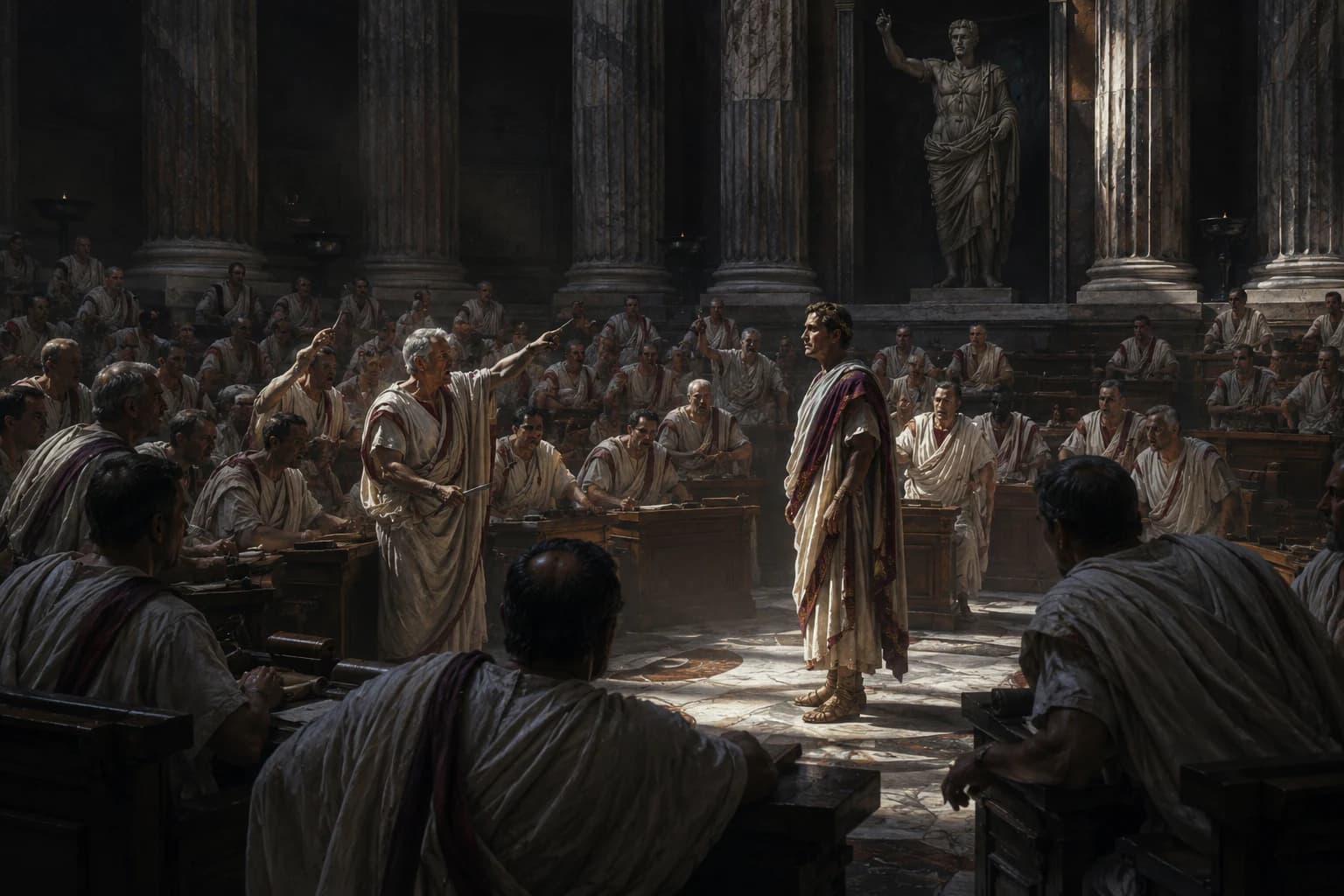
The politics of delay were ugly. Fabius's own master of horse, Marcus Minucius Rufus, was briefly elevated to share command after a limited success encouraged the anti-Fabian mood. The republic wanted action, and Fabius seemed to be asking proud citizens to watch their countryside burn while an invader roamed Italy. Then came Cannae. In 216 BC, the consuls brought a huge Roman force against Hannibal, and Hannibal destroyed it in a masterpiece of encirclement. The scale of the defeat changed the argument. It did not make Fabius beloved, and it did not mean his method alone could win the war, but it proved that Rome's appetite for decisive revenge could be catastrophic. After Cannae, the republic refused to negotiate, recruited again, held its allies together as far as it could, and returned to a more cautious war. Fabius had been politically isolated because he saw early what disaster later made obvious.
Public scorn can vanish in an instant when events prove that restraint saw reality more clearly than confidence did.
216-210 BC
Holding Rome Together
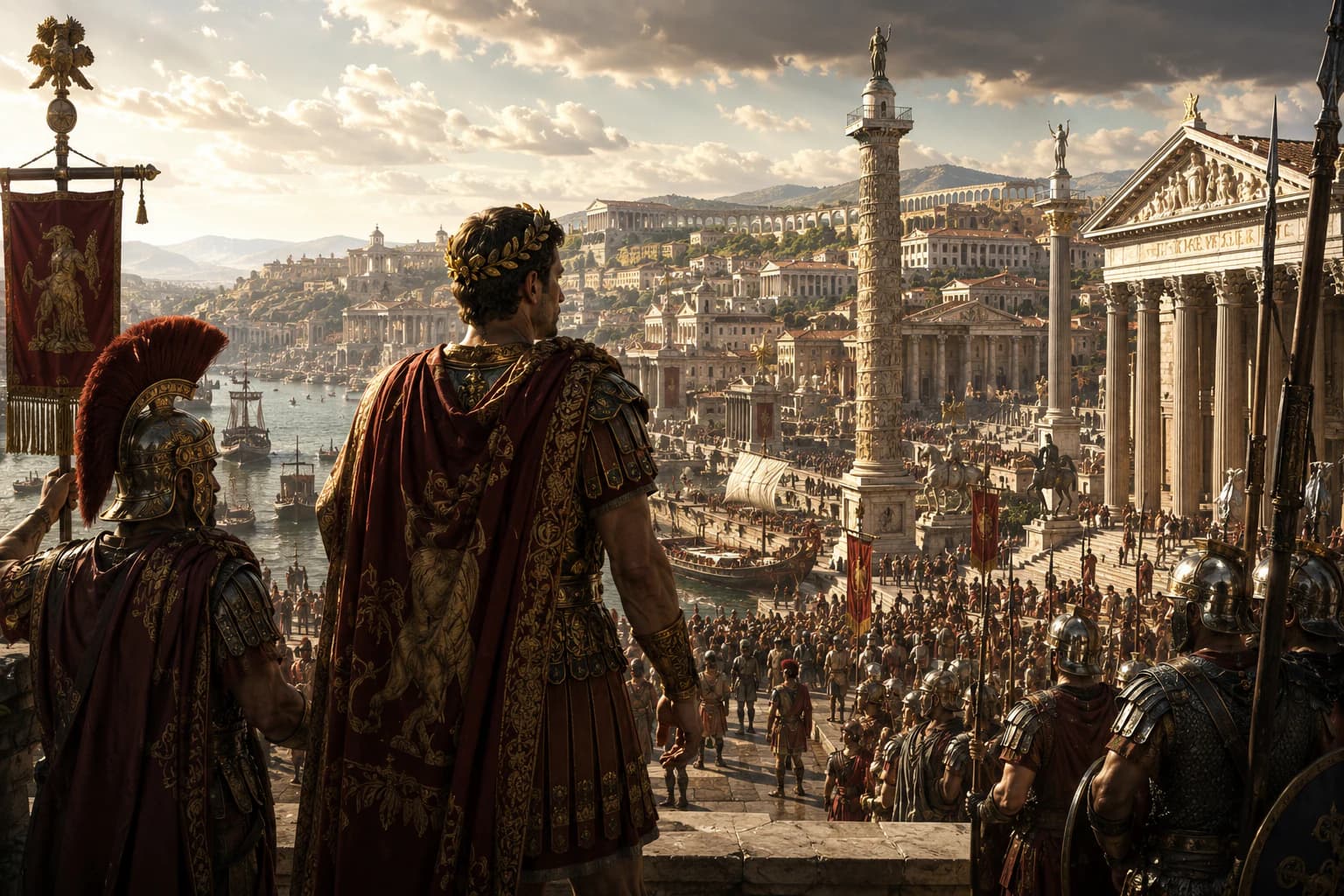
The years after Cannae demanded a different kind of heroism from Rome. There was no single speech or charge that restored the republic. The senate had to raise new armies, secure grain, punish or recover wavering communities, fight in Spain and Sicily, and prevent panic from becoming policy. Fabius mattered because he gave this long struggle a political vocabulary. He argued, by conduct as much as words, that endurance was not shameful. Rome could fight a war of attrition, protect its core, and use its wider resources until Hannibal's battlefield genius stopped producing strategic results. This required immense discipline from a society that associated command with advance. Fabius did not defeat Hannibal by himself; Scipio Africanus would later carry the war to Africa. But Fabius helped keep the republic alive long enough for other strategies to become possible.
His greatest achievement may have been psychological: he taught Rome how to continue after shocks that should have broken it.
209 BC
Tarentum Recovered
Tarentum had defected to Hannibal, giving Carthage an important foothold in southern Italy. In 209 BC, Fabius retook the city, reportedly through a mixture of planning, local intelligence, and controlled force. The victory mattered because Tarentum was strategically valuable, but it also corrected a lazy reading of his character. Fabius was not against attack. He was against attack chosen for emotional satisfaction rather than advantage. At Tarentum, he acted when the risk, intelligence, and opportunity aligned. Ancient accounts also preserve a harsher side of the recovery, including punishment and enslavement after the city fell, a reminder that Roman restoration could be brutal. The episode shows Fabius whole: cautious, calculating, patriotic, and fully capable of violence when he believed the moment served Rome.
He showed that patience is strongest when it ends in a strike chosen on favorable ground.
208-203 BC and after
Final Years and Legacy
Fabius died in 203 BC, before the final Roman victory at Zama ended the Second Punic War. By then he had become one of the republic's great old men, admired by some, resented by others, and impossible to ignore. He even opposed aspects of Scipio's African strategy, which later success made look overly conservative. That tension is important. Fabius was not an all-purpose prophet. His genius belonged to a specific emergency: how to survive Hannibal in Italy without letting Roman pride complete Hannibal's work. His legacy endured because that problem recurs in history. States, armies, and political movements often face opponents who thrive on provocation. The Fabian lesson is not that delay is always wise. It is that time, restraint, and refusal can be active instruments when used with discipline. Fabius Maximus remains important because he changed the moral meaning of caution. In his hands, waiting became a strategy of survival.
Fabius left behind more than a military method; he left a political lesson about mastering fear without surrendering purpose.