People

Emperor Wu of Han

Emperor Wu of Han, born Liu Che, ruled from 141 to 87 BCE. His reign expanded Han power against the Xiongnu, opened routes toward Central Asia, strengthened central government, and made Confucian learning central to imperial rule.

Born
156 BCE
Died
87 BCE
Role
Han emperor

Han emperor (156 BC–87 BC)

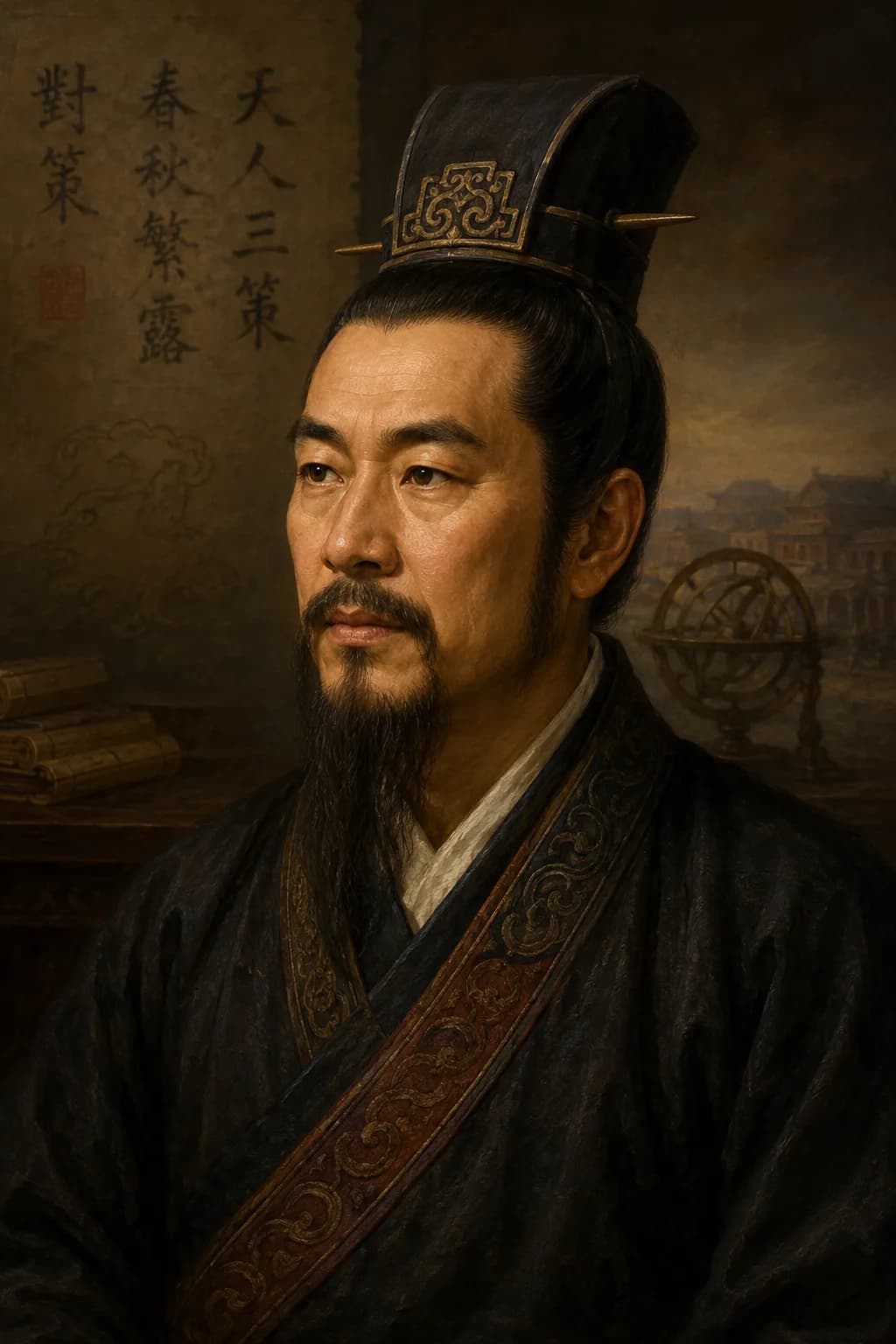
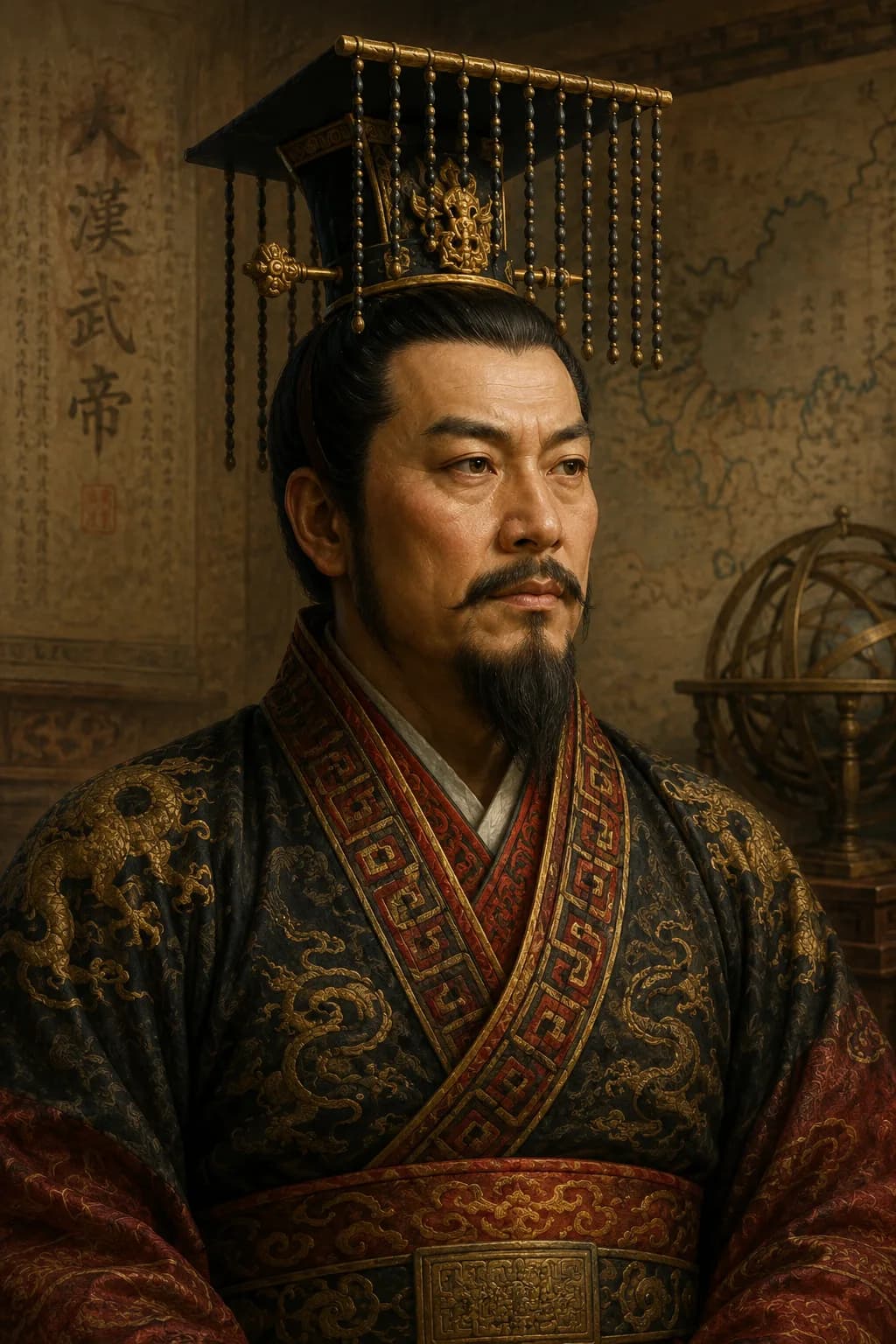
Portrait of Emperor Wu of Han in imperial Chinese robes
Facts

Emperor Wu of Han timeline facts

Selected specifics from this profile's life story.

-156
Imperial Birth

Liu Che was born into the Han imperial house, but his path to rule depended on palace politics, maternal influence and careful positioning at court.

-130s–-110s
Territorial Expansion

Under Emperor Wu, Han armies pushed into the south, northeast, northwest and southwest, transforming the scale and ambitions of the empire.

-2nd century BCE
Opening Routes

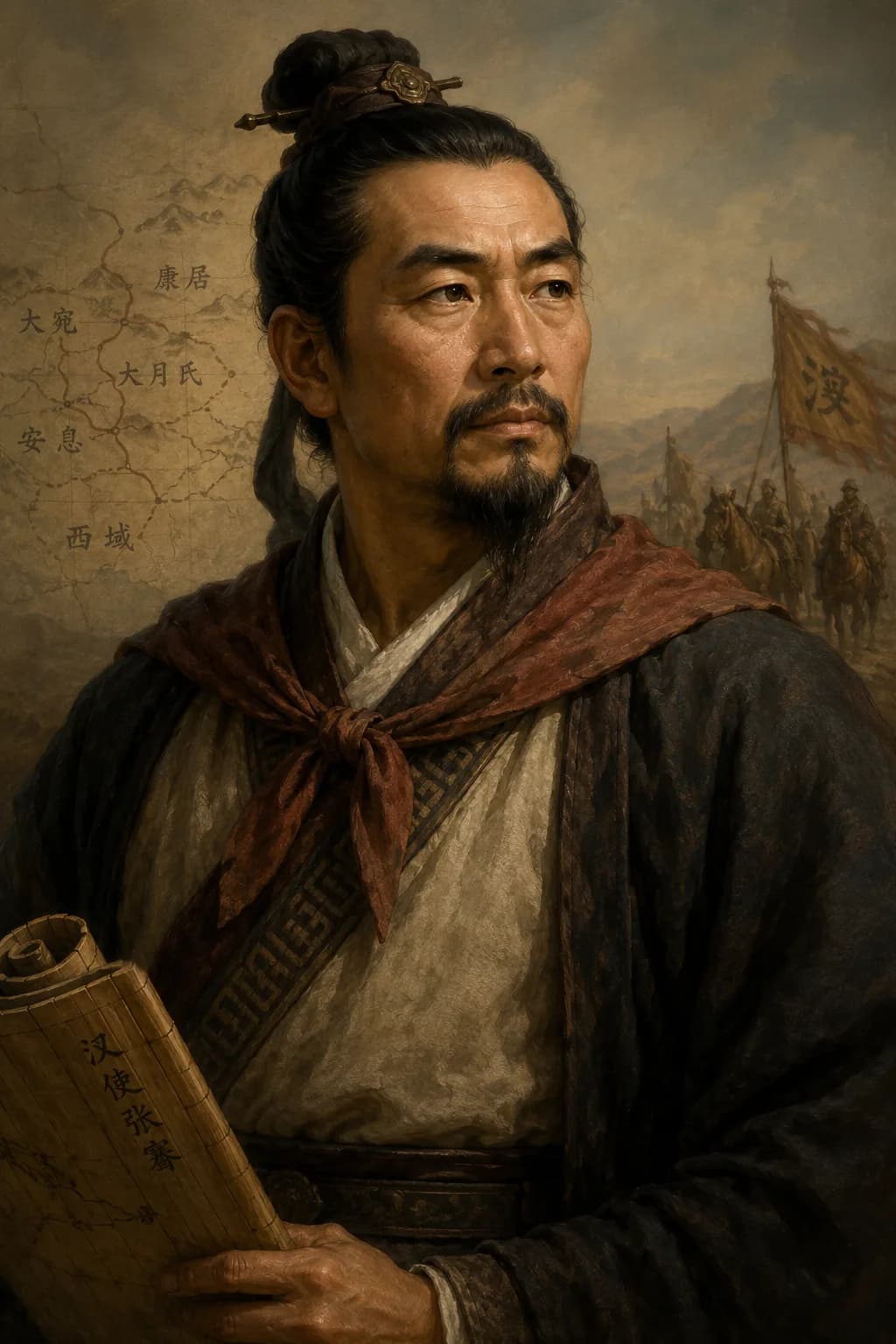
Zhang Qian's missions westward, launched under Emperor Wu, expanded Han knowledge of Central Asia and helped prepare the routes later called the Silk Road.

-87
Enduring Influence

Emperor Wu left a larger, more centralized and more ideologically confident Han empire, though one burdened by the price of his ambition.

Life Journey

Ambition, expansion, and imperial transformation

Follow the story in a more continuous narrative, with a reading mode that matches how much depth you want.

-156

Imperial Birth

Liu Che was born into the Han imperial house, but his path to rule depended on palace politics, maternal influence and careful positioning at court.

-141

Young Emperor

Liu Che became emperor in 141 BCE as a teenager, first constrained by senior relatives and officials before imposing a far more activist style of rule.

-130s

Centralizing Power

Emperor Wu strengthened the center by reducing the independence of regional kingdoms and expanding the reach of imperial officials.

-130s–-110s

Territorial Expansion

Under Emperor Wu, Han armies pushed into the south, northeast, northwest and southwest, transforming the scale and ambitions of the empire.

-133–-119

Wars with Xiongnu

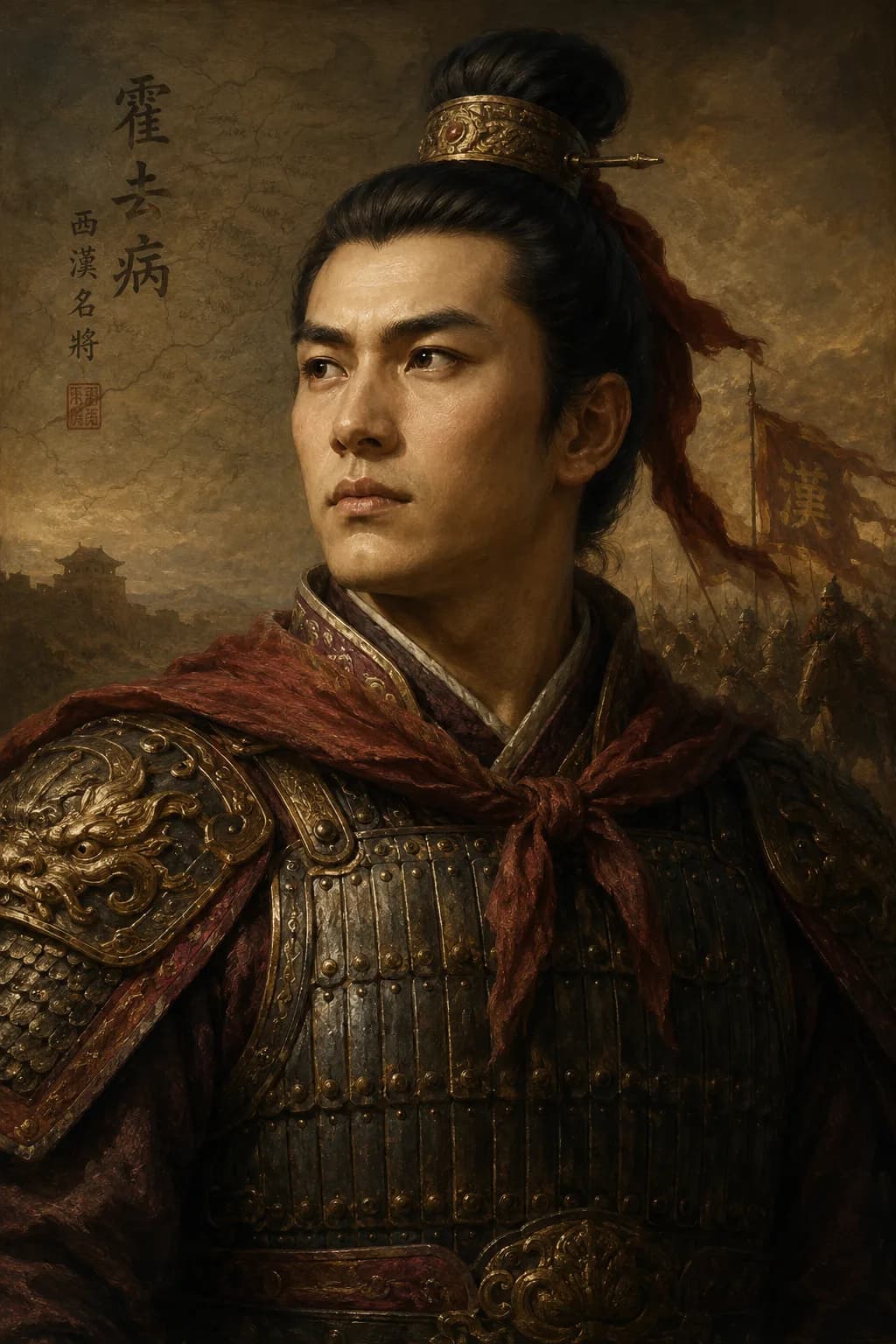
His wars against the Xiongnu replaced cautious appeasement with long-range offensives, making the northern frontier the defining military arena of his reign.

-130s

State Ideology

Emperor Wu promoted Confucian learning at court, helping make it the language of official morality, education and imperial legitimacy.

-2nd century BCE

Opening Routes

Zhang Qian's missions westward, launched under Emperor Wu, expanded Han knowledge of Central Asia and helped prepare the routes later called the Silk Road.

-110s–-90s

Costs of Ambition

The scale of Emperor Wu's wars and projects strained the treasury, increased state intervention and exposed the human cost of imperial ambition.

-87

Enduring Influence

Emperor Wu left a larger, more centralized and more ideologically confident Han empire, though one burdened by the price of his ambition.

Continue in context

Connected stories

Move from the profile into the wider events and settings this figure belongs to.

Tertiary paths

Content note

This profile is written for educational use and connects to related Stories of History pages. Illustrations are original artistic interpretations.

References

Sources & Further Reading

Reliable reference works, archives and reading paths connected to this profile.

Further reading

  1. Encyclopaedia Britannica, Search results for Emperor Wu of Han,” accessed June 2026.Open source
  2. WorldCat, Books and library holdings for Emperor Wu of Han,” accessed June 2026.Open source

Primary sources

  1. Library of Congress, Search results for Emperor Wu of Han,” accessed June 2026.Open source

A weekly route through history

Find out first about the latest published stories, feature notes and occasional Premium offers in one weekly email.