Complete chronology
Full overview and deeper context for every journey step.
1863
Humble beginnings
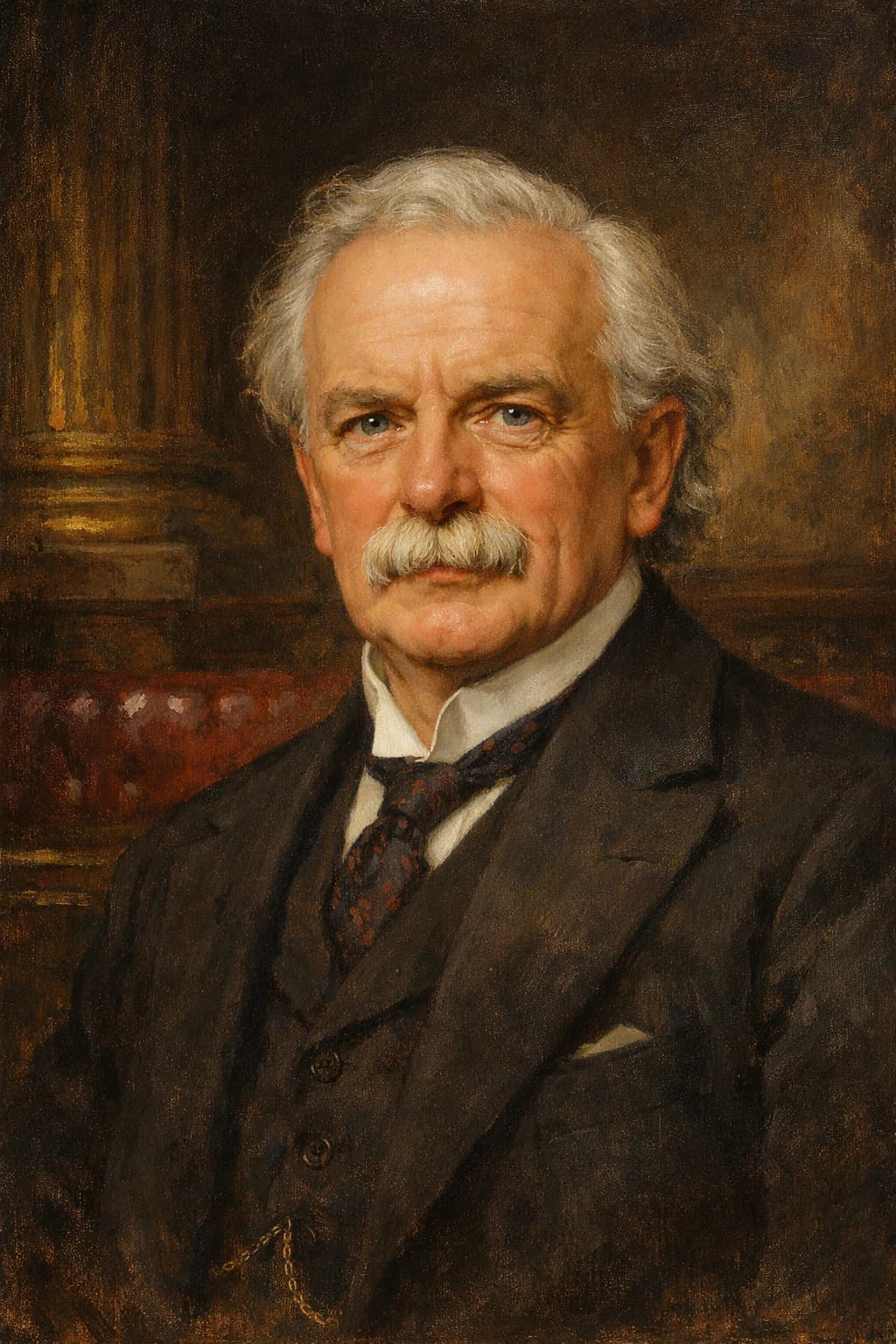
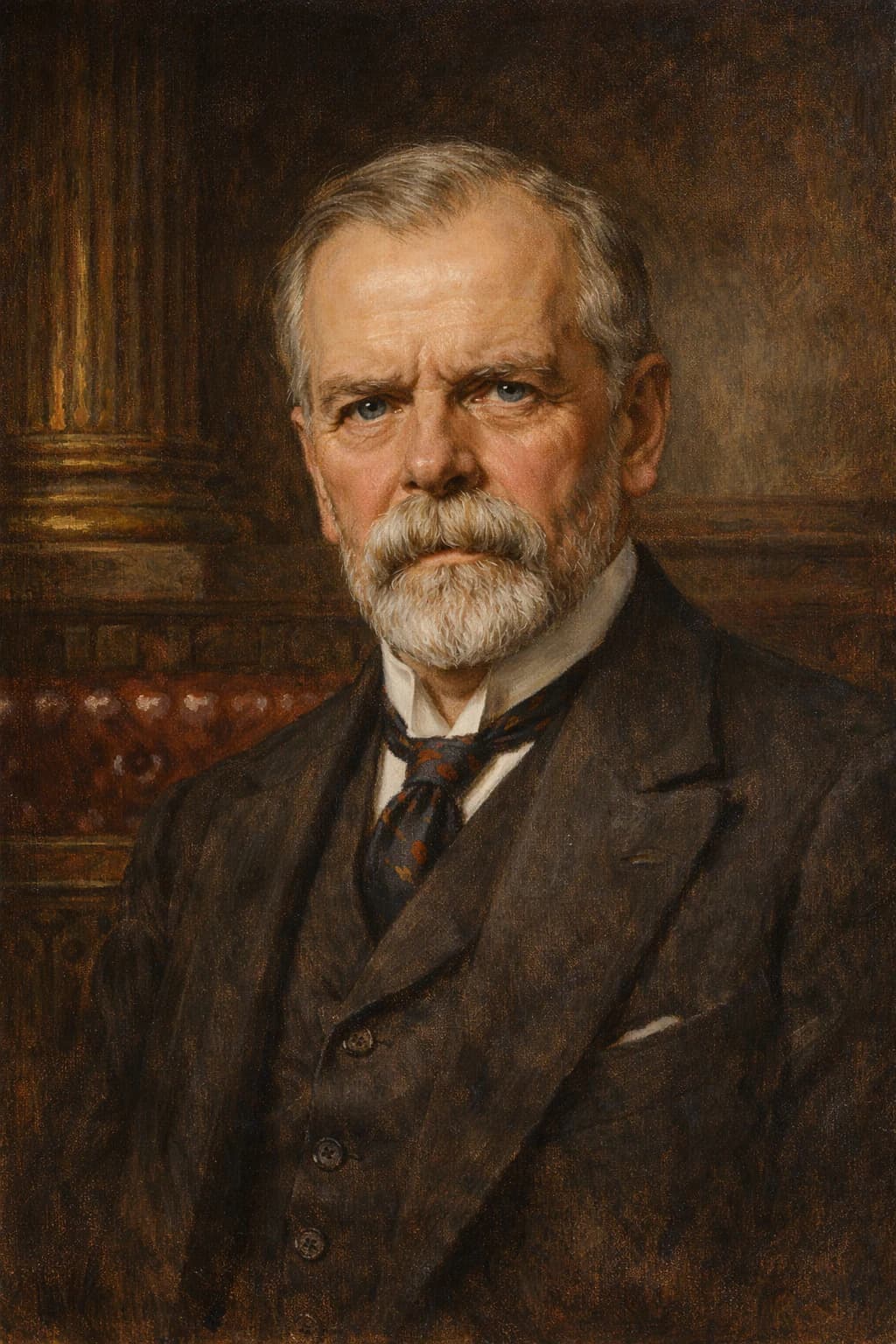
David Lloyd George was born in Manchester in 1863 but raised in Llanystumdwy, north Wales, after his father died when he was a child. His uncle Richard Lloyd, a shoemaker, Baptist lay preacher, and fierce Liberal, became the central influence of his youth. The household was modest, Welsh-speaking, Nonconformist, and suspicious of aristocratic power, Anglican privilege, and landlord domination. That world gave Lloyd George his emotional language. He learned to treat politics as a fight over dignity, not merely administration. Wales mattered deeply to him: its chapel culture, resentment of social hierarchy, and pride in self-education shaped his voice. Later, when he confronted peers, generals, and imperial grandees, he drew on the confidence of a man who had learned early that power could be challenged from below.
Leaders rooted in modest beginnings often carry a lasting sensitivity to inequality into public life.
1880s
Legal career start
Lloyd George became a solicitor through local training rather than elite university polish, and the law taught him how grievance becomes argument. He handled cases involving tenants, chapel communities, landowners, burial rights, and local government, learning how institutions could press on ordinary lives. The famous Llanfrothen burial case, involving Nonconformist rights in an Anglican churchyard, helped make his name as a defender of Welsh religious equality. His legal work sharpened the qualities that later made him formidable: quickness, memory, theatrical timing, and an ability to turn technical detail into moral drama. Law also gave him a platform inside Welsh Liberal politics. By the time he sought Parliament, he was already known as a man who could make local injustice sound like a national question.
Practical professions can serve as training grounds for leadership by sharpening communication and advocacy skills.
1890
Entering Parliament
Elected MP for Caernarfon Boroughs in 1890, Lloyd George arrived at Westminster as a radical outsider with little patience for deference. He attacked landlordism, defended Welsh disestablishment, and became one of the most vivid critics of the Second Boer War. That anti-war stance made him hated by imperial patriots and nearly cost him his safety during a hostile meeting in Birmingham, but it also confirmed his independence. He was not a quiet committee Liberal waiting for promotion. He treated Parliament as theatre and weapon, using wit, indignation, and Welsh radical identity to expose what he saw as the hypocrisy of the governing class. His early career showed the pattern of his whole life: dazzling political talent, appetite for risk, and a willingness to divide opinion sharply.
Visibility in politics often comes from taking clear and sometimes risky positions early on.
1906–1914
Social reforms push
The Liberal landslide of 1906 brought Lloyd George into government, first at the Board of Trade and then, from 1908, as Chancellor of the Exchequer. Alongside H. H. Asquith and Winston Churchill, he helped drive the New Liberal shift toward social reform. Old age pensions, labour exchanges, and National Insurance marked a new claim: the state had responsibilities toward poverty, sickness, unemployment, and old age. The 1909 People’s Budget funded welfare and naval spending through taxes on land and high incomes, provoking a constitutional crisis when the House of Lords rejected it. Lloyd George relished the fight. His attack on inherited wealth was both conviction and performance. The Parliament Act of 1911 weakened the Lords, and the welfare reforms helped lay foundations later expanded into Britain’s modern social state.
Lasting reform often requires confronting entrenched interests willing to resist change.
1914–1916
War leadership rise
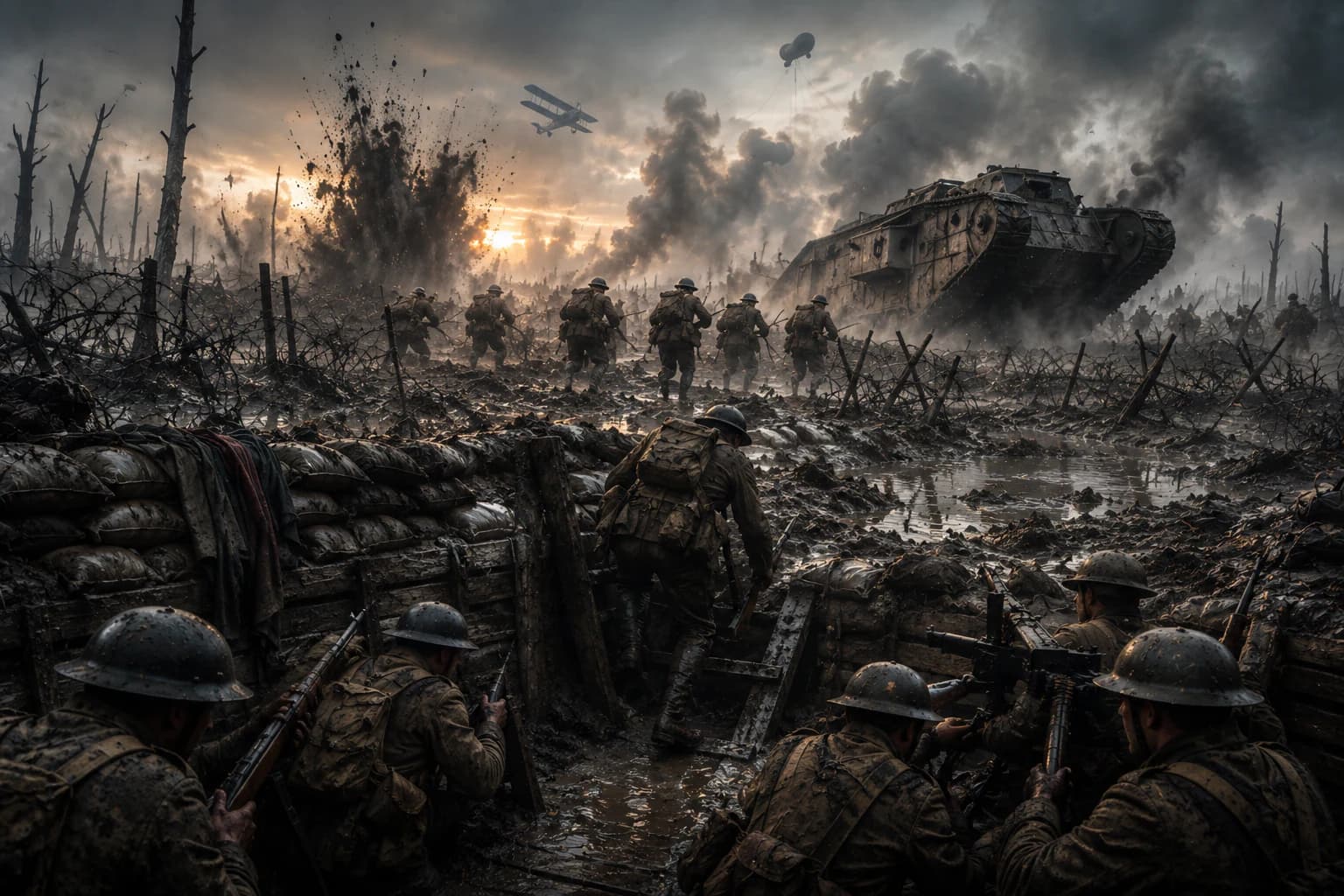
When the First World War began, Lloyd George moved from radical reformer to national organizer. As Chancellor, then Minister of Munitions after the shell crisis of 1915, he showed ferocious energy in mobilizing industry for total war. He brought businessmen, labour leaders, and civil servants into new arrangements designed to increase output and reduce delay. His style was impatient with old procedures and suspicious of generals who demanded men without explaining results. By 1916, as casualties mounted and confidence in Asquith’s leadership waned, Lloyd George became the focus for those wanting a smaller, more forceful war cabinet. His ascent to the premiership split the Liberal Party and depended on Conservative support. It was a brilliant manoeuvre, but it carried a long-term cost: he gained power by breaking the party that had made him.
Periods of crisis often accelerate the rise of leaders who appear decisive and energetic.
1916–1918
Leading to victory
As prime minister, Lloyd George brought drive, improvisation, and civilian pressure to Britain’s war effort. He created a compact war cabinet, strengthened coordination with allies, pushed for convoy protection against German submarines, and supported new machinery for manpower, food, shipping, and production. His relationship with senior commanders, especially Sir Douglas Haig, was tense. Lloyd George doubted the wisdom of repeated offensives on the Western Front, yet he could not simply abandon the main theatre of war or dictate every operational decision. His leadership was therefore a constant argument over control: how far politicians should direct strategy, how much sacrifice the army could demand, and how to maintain morale in a democracy at war. Victory in 1918 confirmed his reputation, but the human cost left no easy triumph.
Effective wartime leadership often depends on coordination rather than control alone.
1919
Peace negotiations
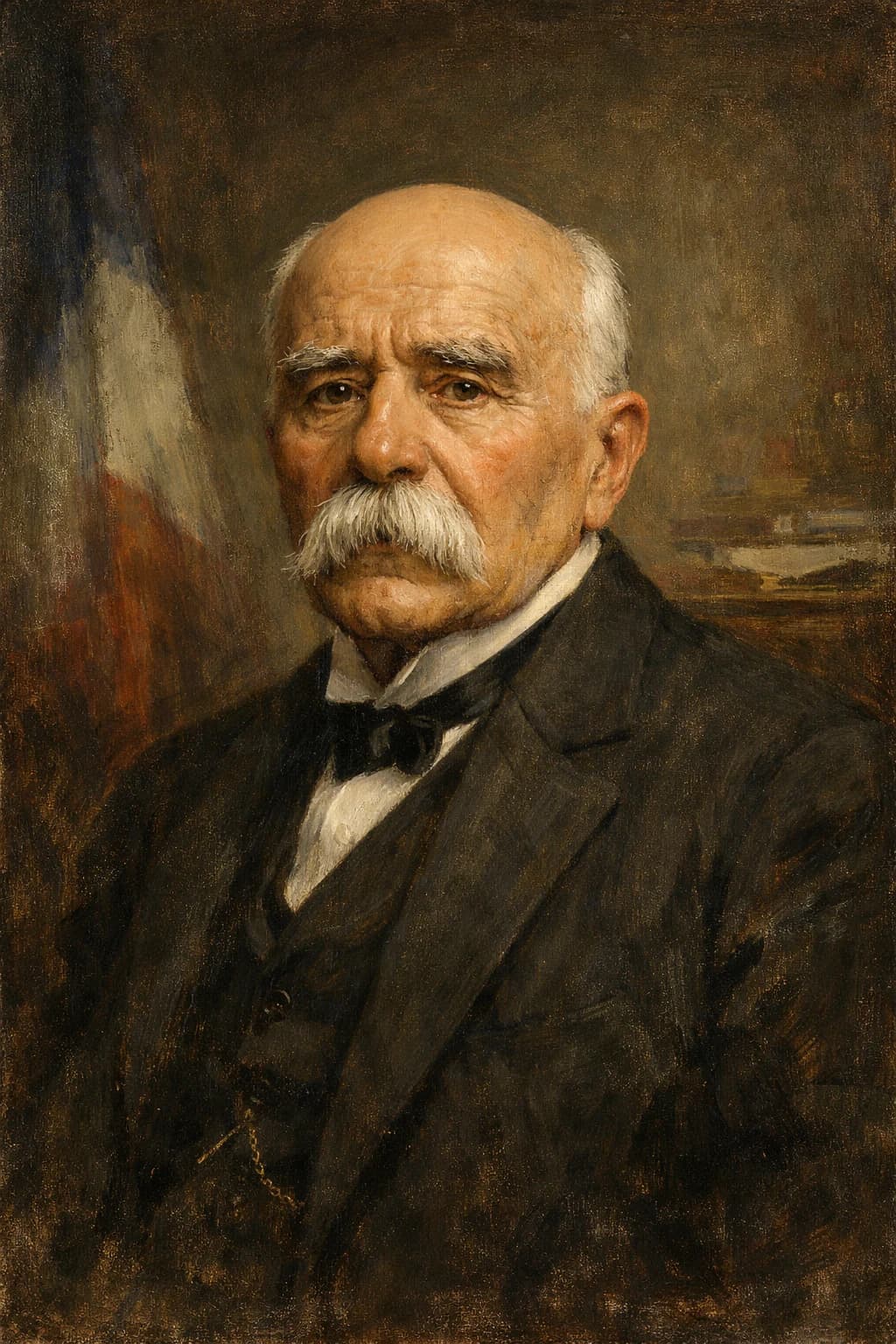
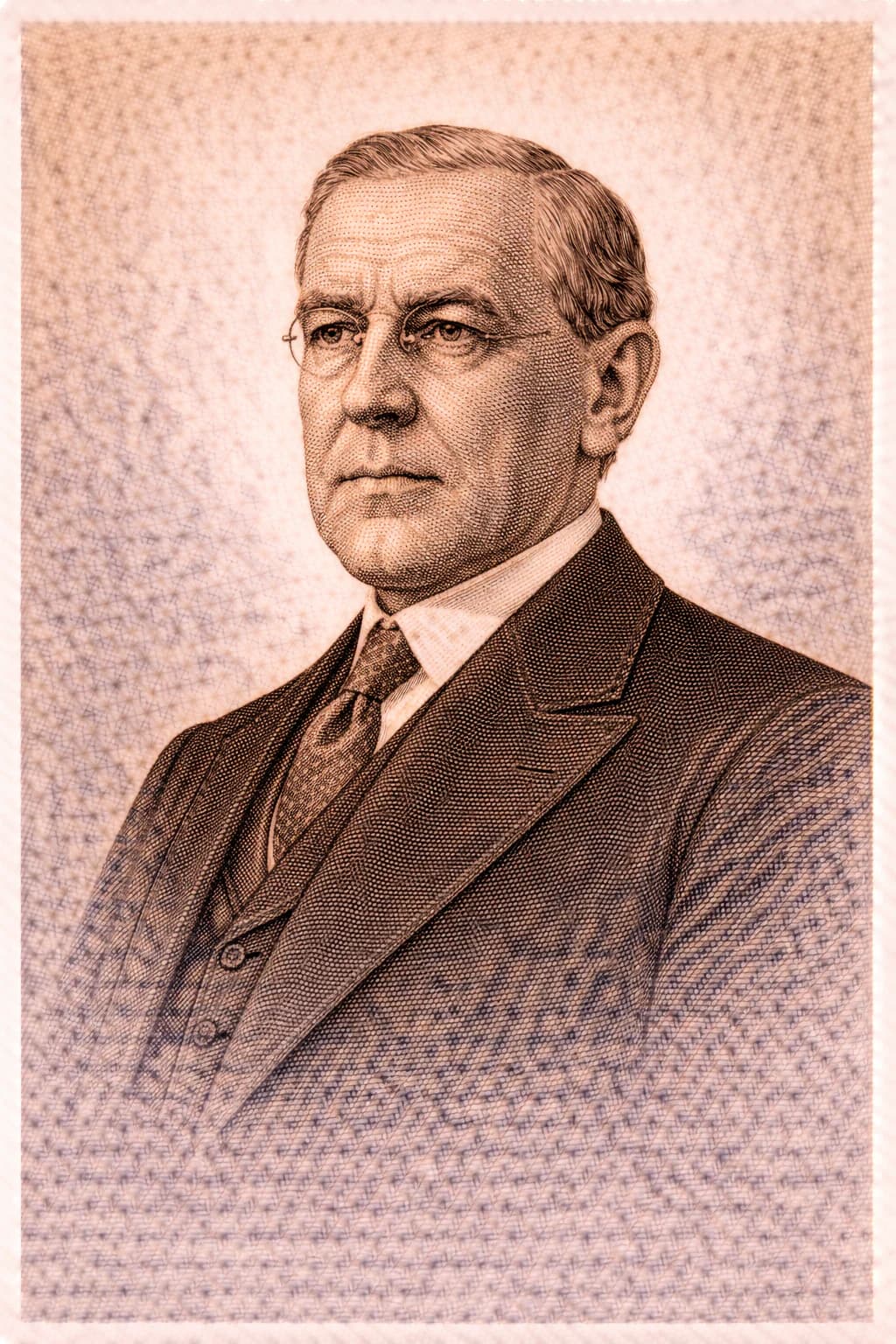
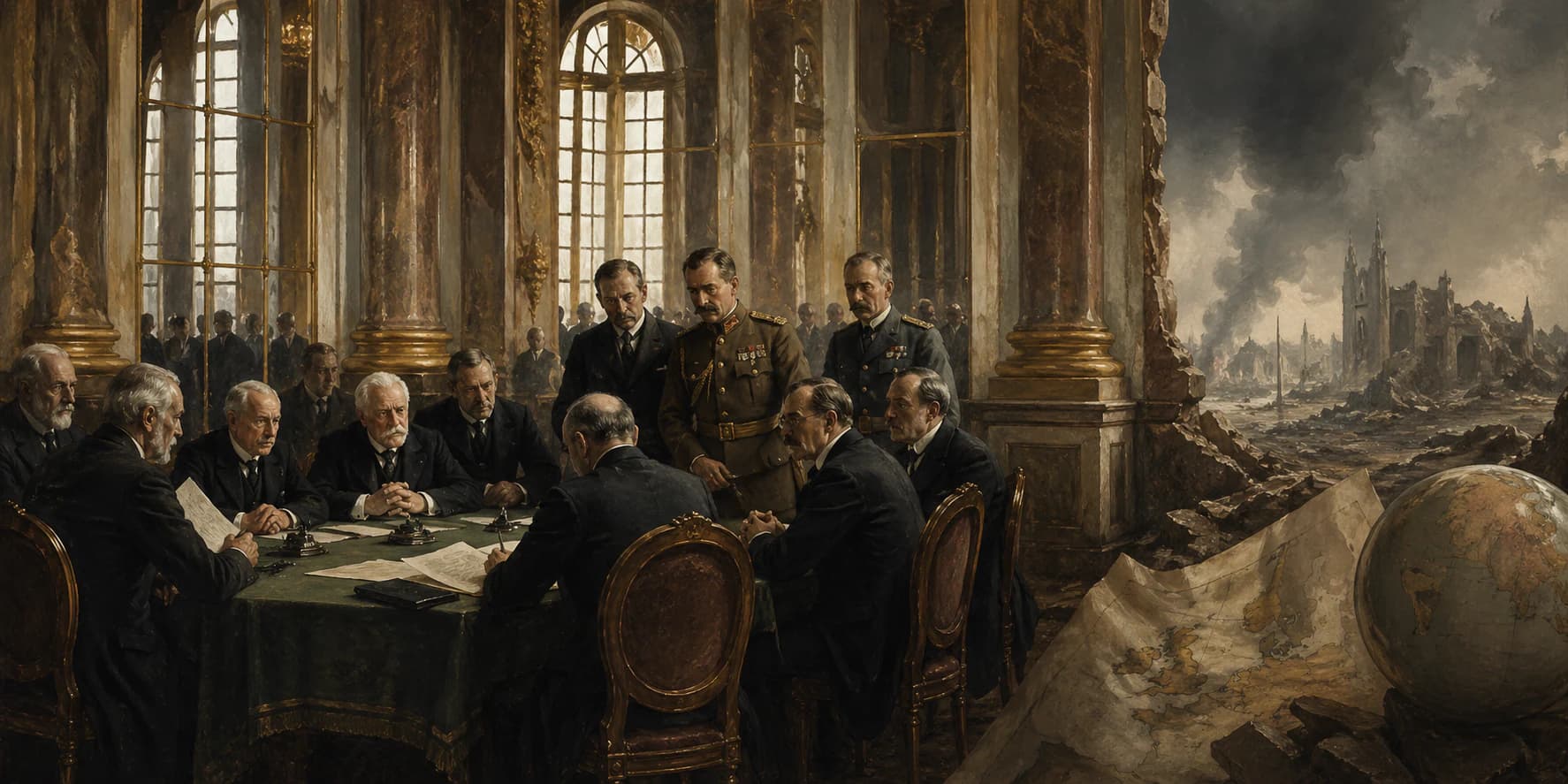
At the Paris Peace Conference in 1919, Lloyd George stood between Georges Clemenceau’s demand for French security, Woodrow Wilson’s language of self-determination, and British public anger against Germany. His election slogan about making Germany pay reflected domestic pressure, but he also feared that a broken Germany would destabilize Europe and empower revolution. The Treaty of Versailles was therefore a compromise: punitive enough to anger Germans, not harsh enough to permanently satisfy France, and too entangled with new borders, reparations, mandates, and national claims to create lasting peace. Lloyd George was one of the few leaders who sensed the dangers, but he was also one of the architects of the settlement. His diplomacy showed brilliance under pressure and the limits of brilliance when millions expected peace to repay their suffering.
Peace settlements often reflect compromise rather than clear solutions, leaving room for future tension.
1920s
Political decline
Peace exposed the fragility of Lloyd George’s coalition. He promised homes fit for heroes, but demobilization, strikes, debt, inflation, and imperial unrest made delivery difficult. Ireland became a defining crisis: his government fought the Irish War of Independence, then negotiated the Anglo-Irish Treaty of 1921, creating the Irish Free State while leaving partition unresolved. Abroad, Britain struggled to police a vast empire with exhausted resources. At home, Lloyd George’s reputation was damaged by honours scandals and the sense that he governed through personal deals rather than stable party principle. In 1922 Conservative MPs ended the coalition at the Carlton Club meeting, and he fell from office. The political magician had outmanoeuvred many rivals, but he could not build a durable base after shattering Liberal unity.
Skills that succeed in crisis may not always suit the demands of stability and consensus.
After 1945
Enduring influence
Lloyd George remained active for decades after losing power, but he never returned to the summit. The Liberal Party declined between Labour and the Conservatives, and his own later judgements, including his approach to appeasement and dictators in the 1930s, damaged his standing. Yet his historical importance is enormous. As Chancellor, he helped make welfare a central function of the British state. As wartime prime minister, he reorganized government for total war and helped deliver victory. As peacemaker, he shaped a settlement whose weaknesses would haunt Europe. He was charismatic, humane in instinct, ruthless in method, and often careless with institutions that constrained him. David Lloyd George matters because he made modern politics feel possible: mass democracy, social reform, media performance, war management, and personal leadership all fused in one restless, extraordinary career.
A leader’s legacy often combines transformative achievements with unresolved complexities.