late 5th century BC
Royal prince
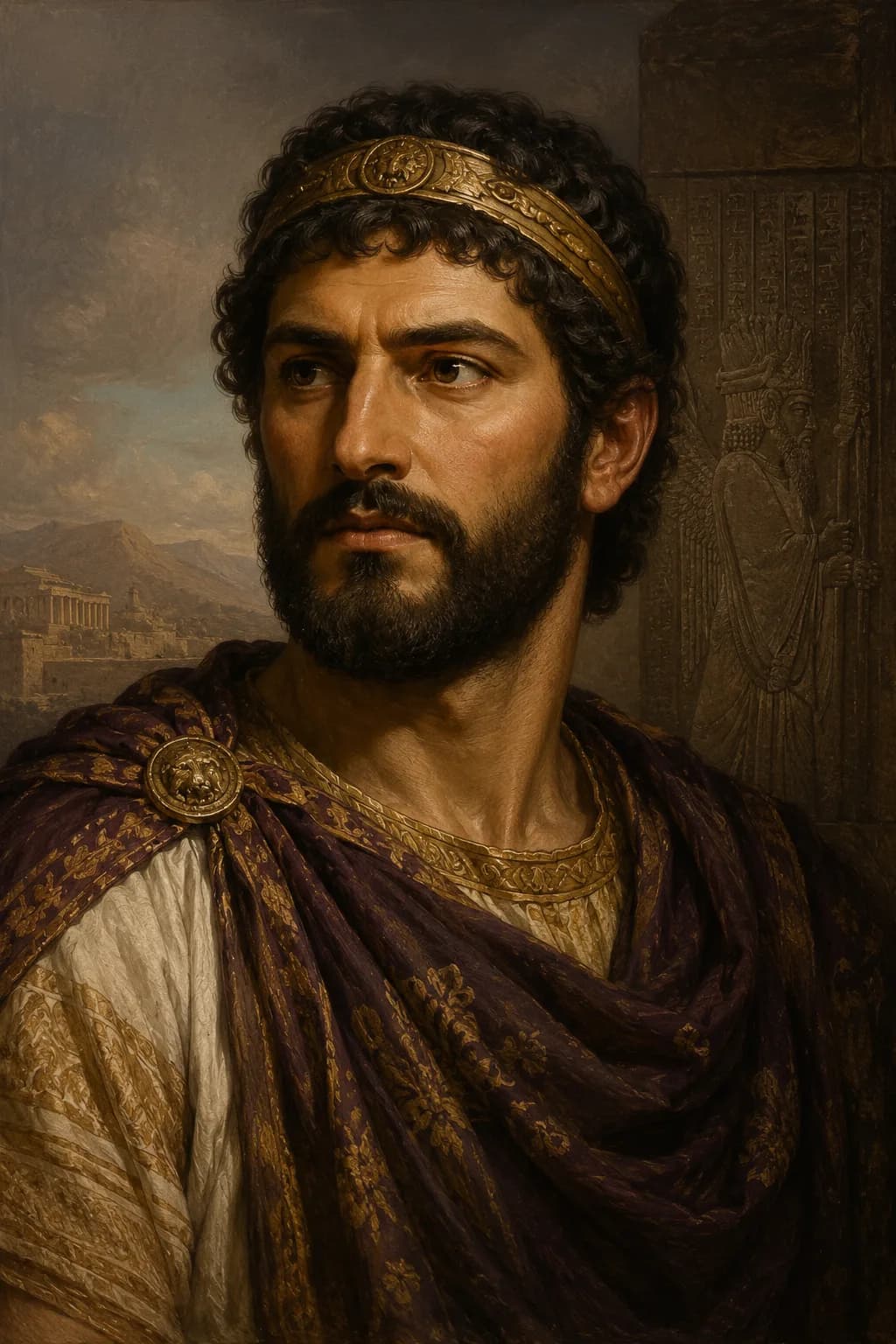
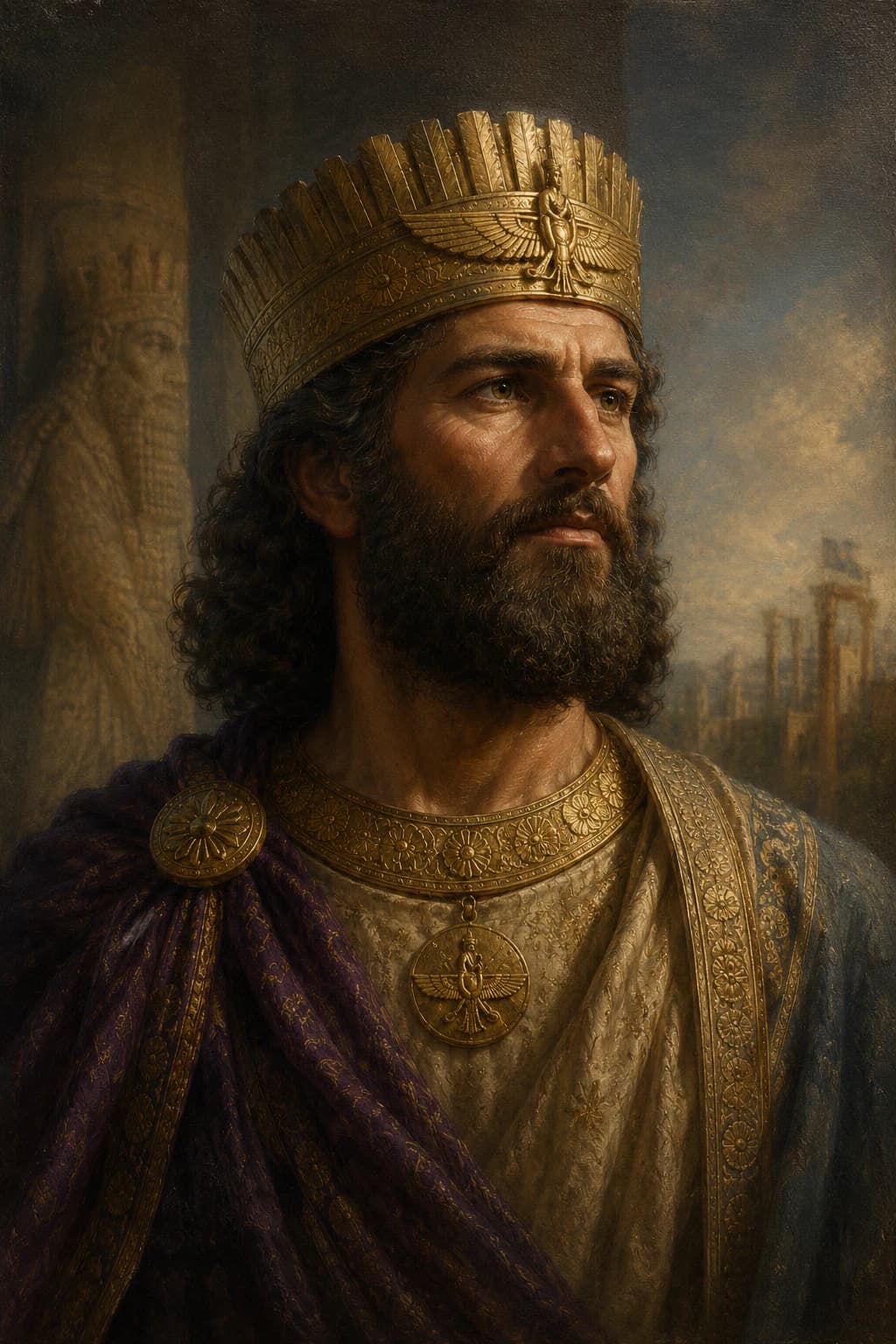
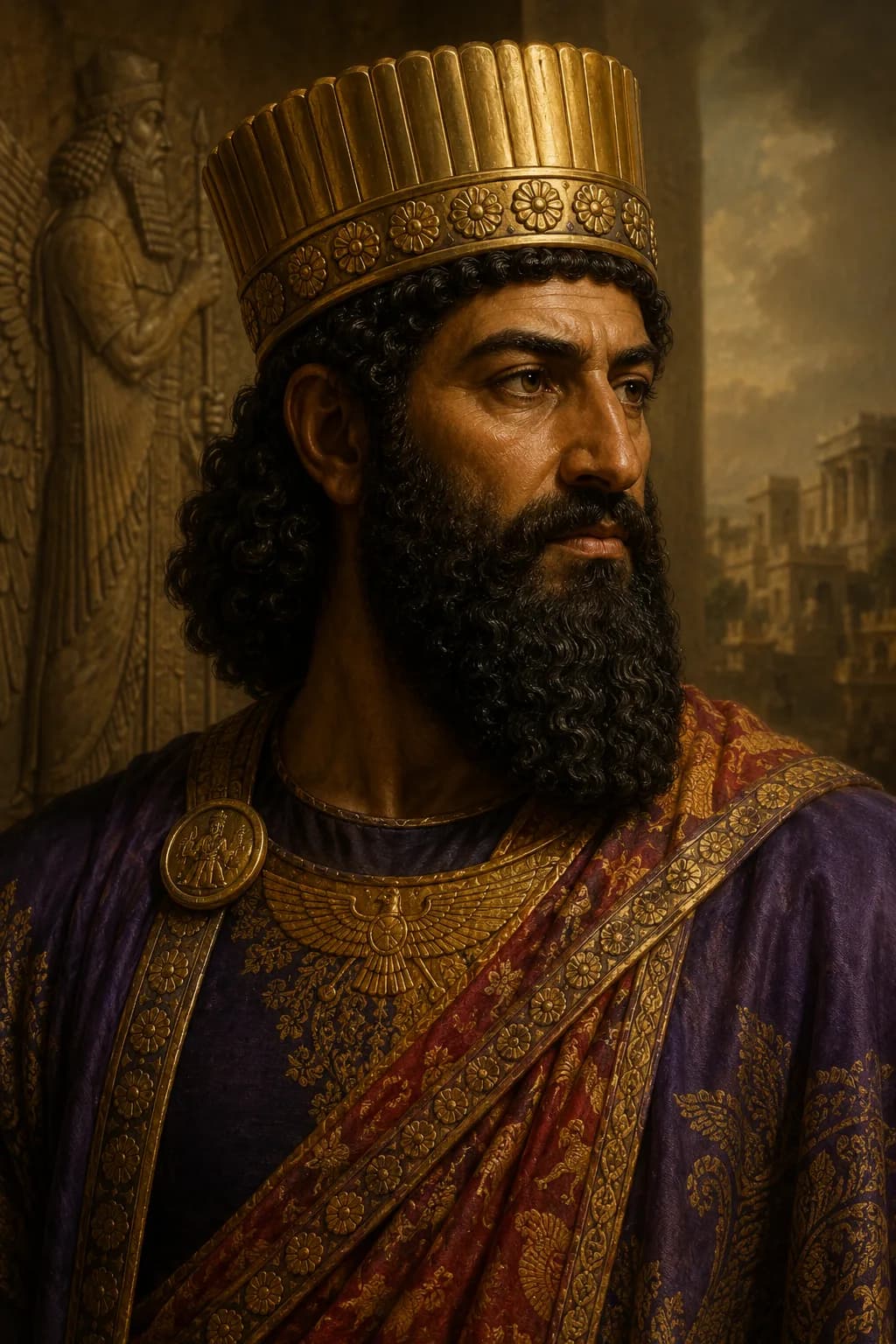
Cyrus the Younger was born into the Achaemenid royal family, a son of Darius II and brother of Artaxerxes II.
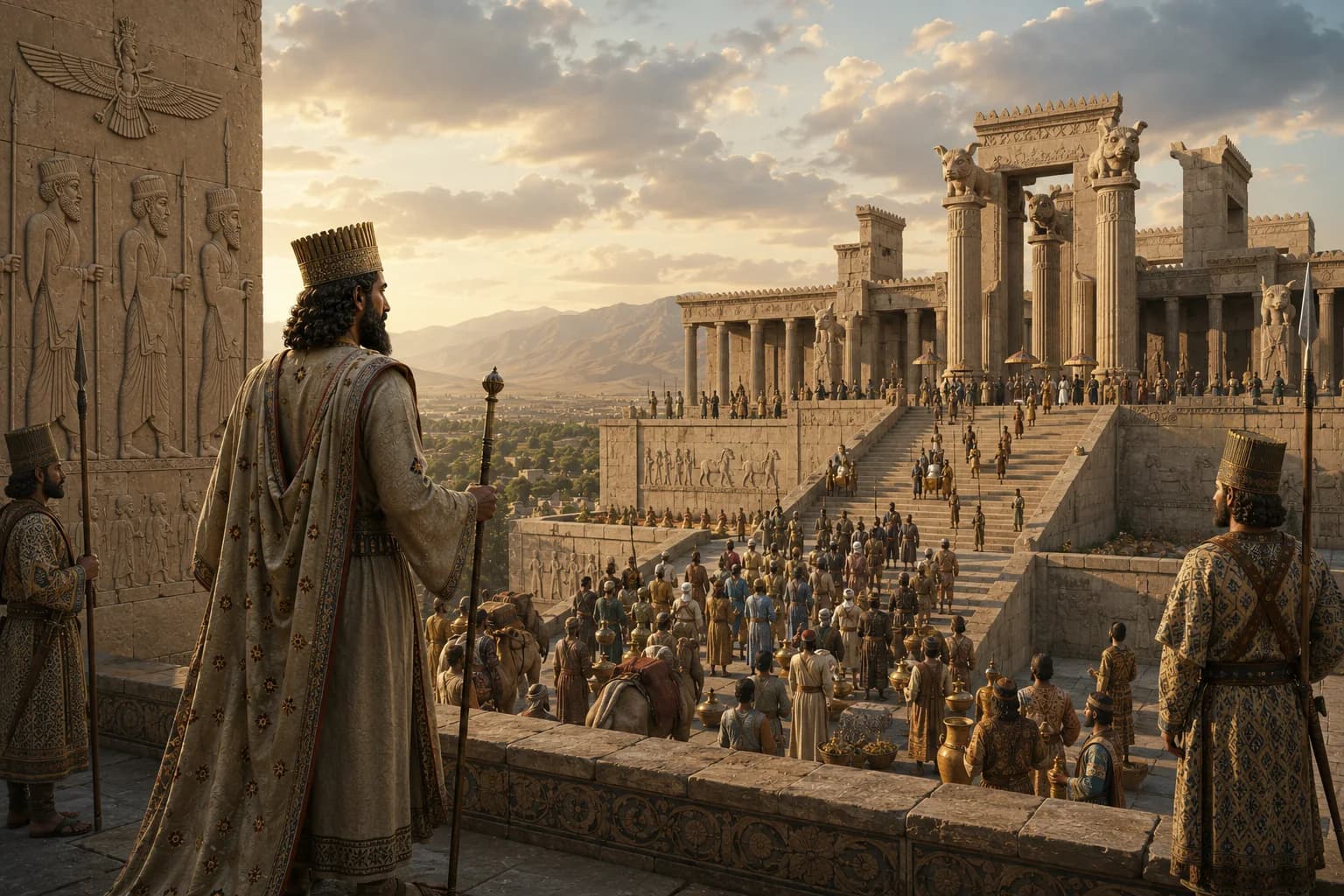
Cyrus the Younger was a Persian prince, son of Darius II, who rebelled against his brother Artaxerxes II. He died at the Battle of Cunaxa in 401 BC, after hiring Greek mercenaries later described by Xenophon.
Achaemenid prince and satrap (d. 401 BC)
Additional identity and tagging details that are not already covered in the introduction.
Selected specifics from this profile's life story.
Cyrus the Younger was born into the Achaemenid royal family, a son of Darius II and brother of Artaxerxes II.
Cyrus held authority in western Anatolia, where Persian satrapal power met Greek military and political networks.
Cyrus died at the Battle of Cunaxa near Babylon, ending his bid for the throne even though his Greek soldiers survived.
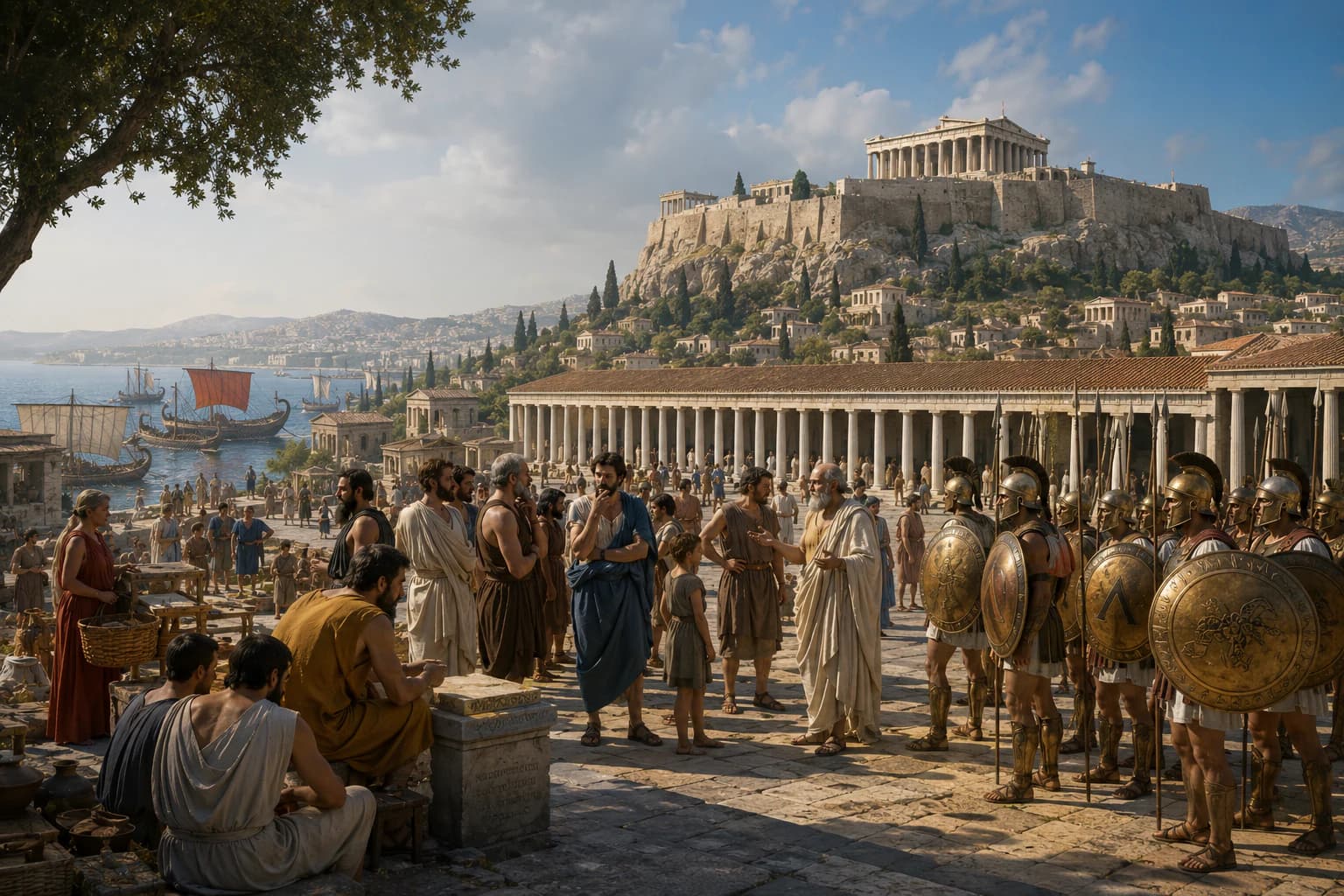
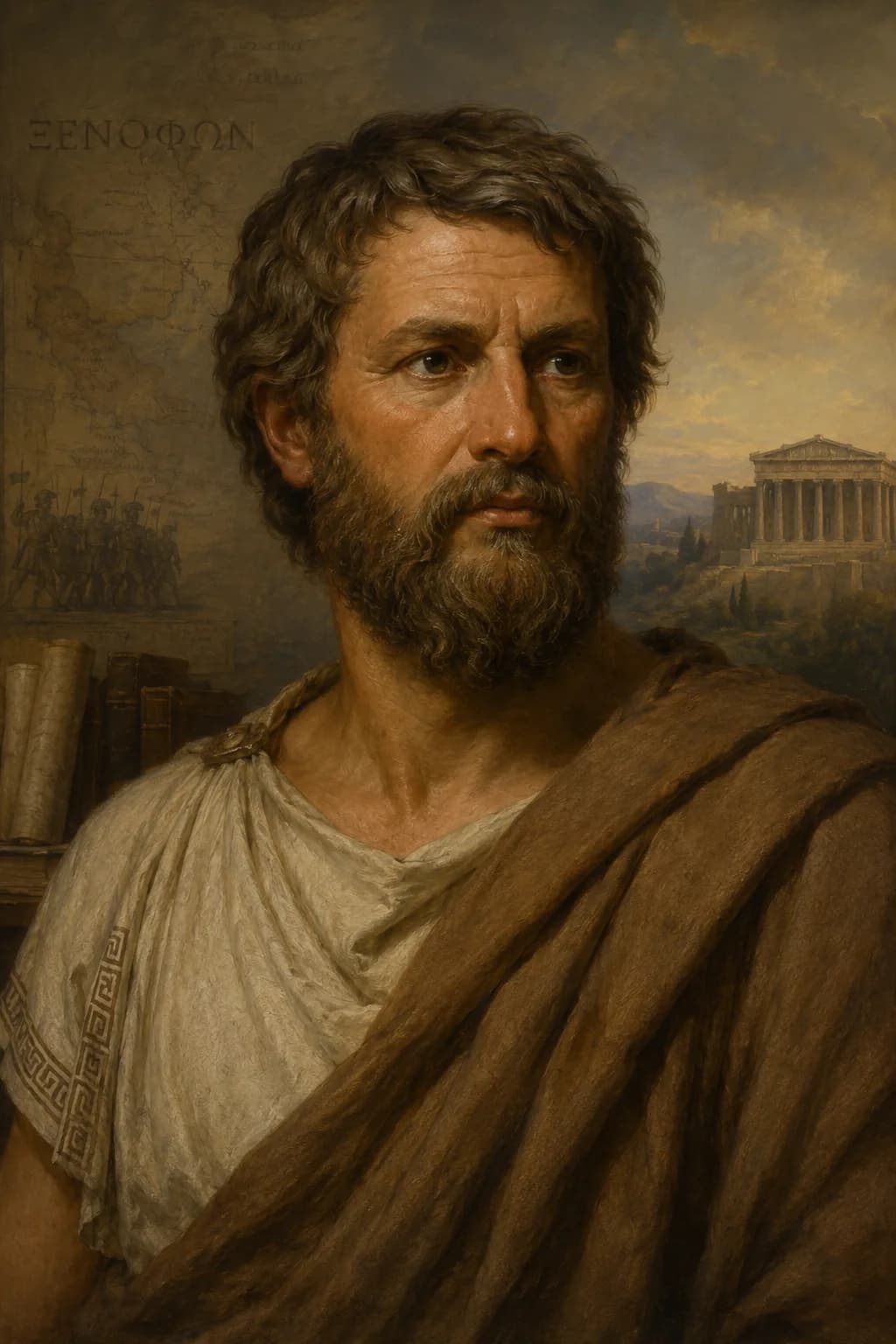
Cyrus's revolt became famous through Xenophon's account of the Greek mercenaries who marched home through Persian territory.
Follow Cyrus the Younger from western satrap to failed claimant and catalyst for a Greek march through Persia.
Cyrus the Younger was born into the Achaemenid royal family, a son of Darius II and brother of Artaxerxes II.
Cyrus held authority in western Anatolia, where Persian satrapal power met Greek military and political networks.
Cyrus marched against Artaxerxes II in 401 BC, supported by Persian followers and Greek mercenaries.
Cyrus died at the Battle of Cunaxa near Babylon, ending his bid for the throne even though his Greek soldiers survived.
Cyrus's revolt became famous through Xenophon's account of the Greek mercenaries who marched home through Persian territory.
Move from the profile into the wider events and settings this figure belongs to.
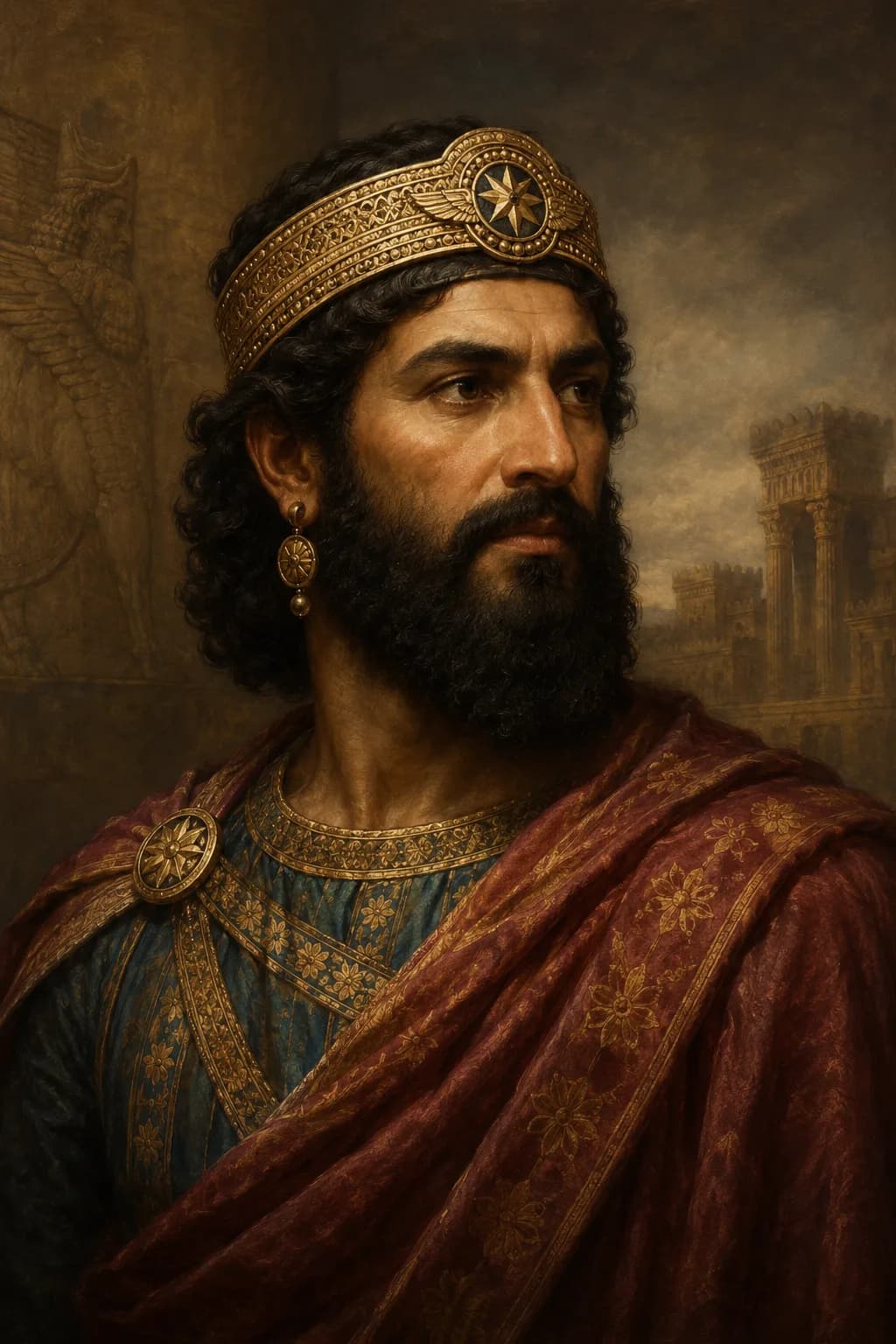
This profile is written for educational use and connects to related Stories of History pages. Illustrations are original artistic interpretations.
Find out first about the latest published stories, feature notes and occasional Premium offers in one weekly email.