Complete chronology
Full overview and deeper context for every journey step.
c. 600 BCE-559 BCE
Persian origins
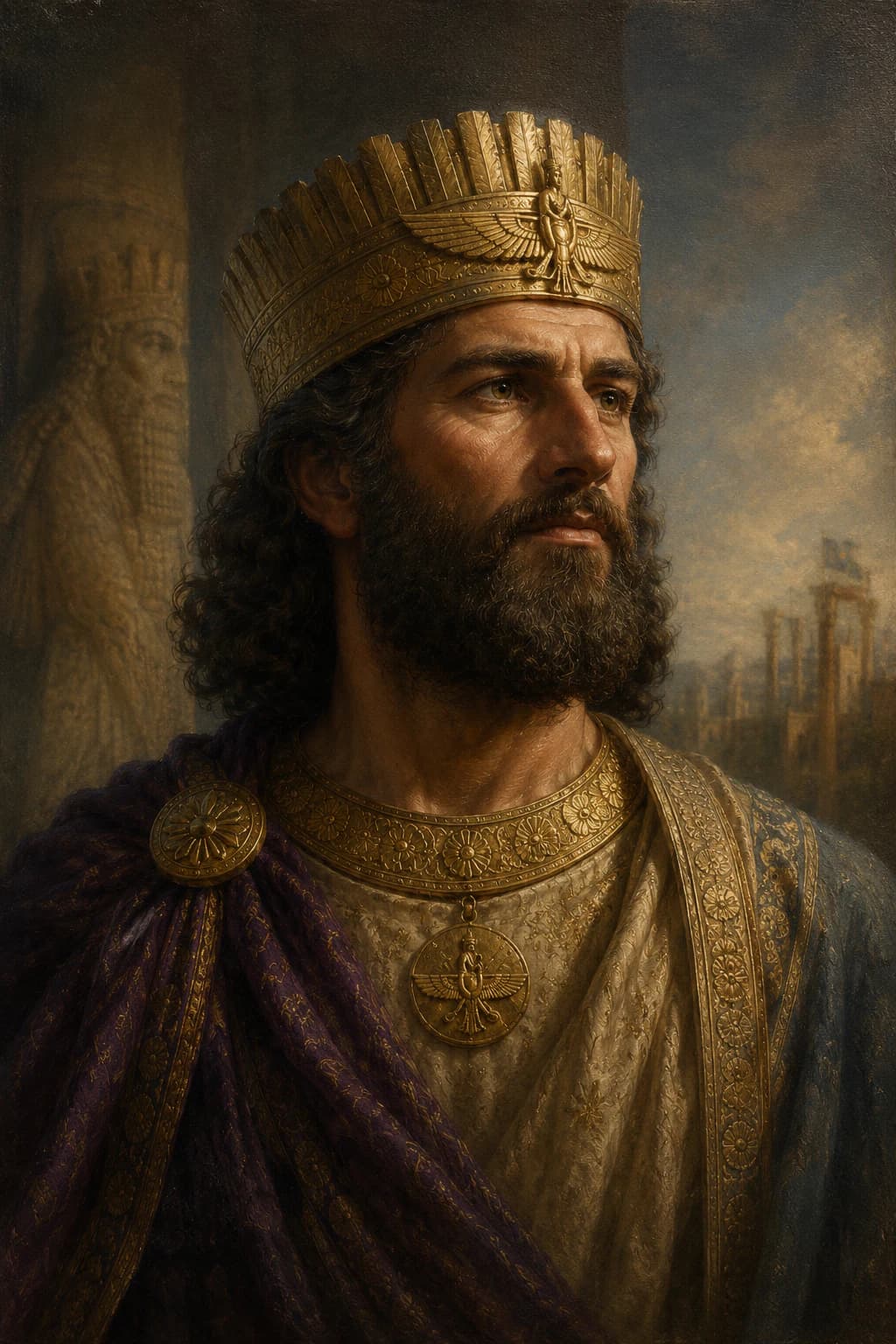
Cyrus the Great began not as master of Asia, but as the ruler of a regional Persian kingdom in the Iranian plateau. His family belonged to the Achaemenid line associated with Anshan, a centre in the old Elamite-Persian borderland of southwestern Iran. Later Greek stories turned his childhood into legend, especially the tale that the Median king Astyages tried to kill him as an infant after ominous dreams. Those stories cannot be treated as straightforward biography, but they preserve something historically useful: Cyrus was remembered as a ruler whose rise needed explanation. Persia at this stage was not yet the dominant power. It stood within a wider world shaped by Media, Babylon, Lydia, Egypt, and older Mesopotamian traditions of kingship. Cyrus inherited local authority, but his importance lies in how rapidly he pushed beyond it.
His career shows how a frontier kingdom could become the centre of a new imperial order.
c. 550 BCE
Fall of Media
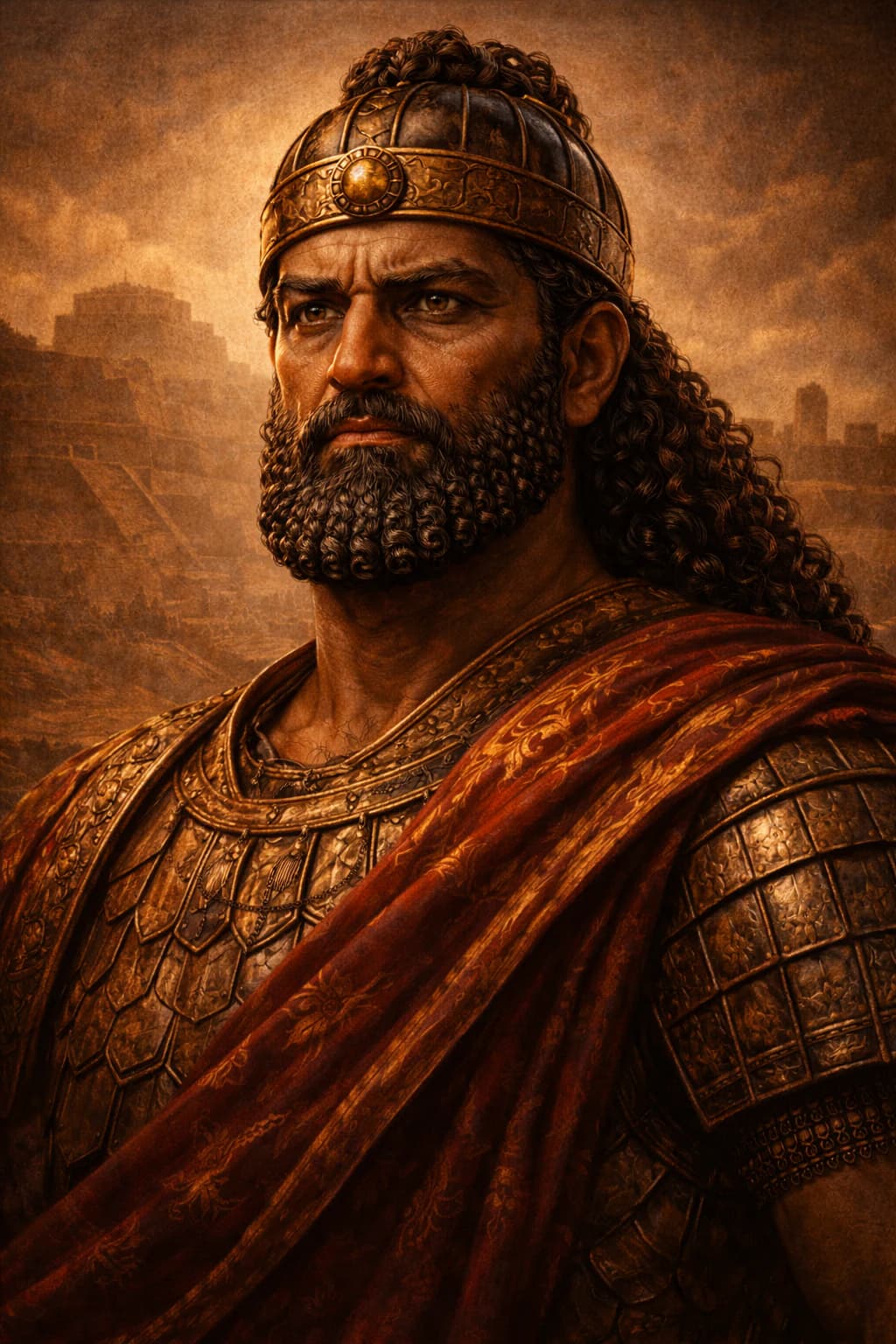
The decisive first turn in Cyrus's career was his revolt against Median supremacy. The Median kingdom, ruled by Astyages, had been one of the major powers of the sixth-century BCE Near East. Sources differ in detail and carry layers of political storytelling, but the broad result is clear: Cyrus defeated Astyages around 550 BCE and absorbed Median power into his own. This was more than a dynastic coup. It gave Cyrus access to Median military networks, noble families, routes, and imperial experience. He did not simply erase the old order; he seems to have drawn parts of it into the new Persian structure. That ability to convert defeated elites into useful partners became one of the signatures of Achaemenid rule. Cyrus's empire began with conquest, but it grew because conquest was followed by incorporation.
Cyrus was dangerous because he could win battles and then make former enemies useful.
c. 547 BCE-546 BCE
Lydia and the west
After Media, Cyrus turned toward Lydia, the rich kingdom of Croesus in western Anatolia. Lydia controlled valuable routes, possessed immense wealth, and stood close to the Greek cities of the Aegean coast. The conflict between Cyrus and Croesus became famous in Greek memory, partly because Croesus himself became a symbol of fortune's instability. Historically, Lydia's fall was a major expansion of Persian reach. By taking Sardis and absorbing Lydian power, Cyrus extended his authority to the edge of the Greek world. This did not make Persia a Mediterranean empire in the later Roman sense, but it connected the Achaemenid state to Anatolian, Greek, and Near Eastern politics in a new way. The conquest also revealed a pattern: Cyrus did not build slowly outward from a single capital. He moved between theatres, striking where opportunity, rivalry, and strategic value aligned.
The fall of Lydia moved Persia from regional dominance into truly international politics.
539 BCE
Conquest of Babylon
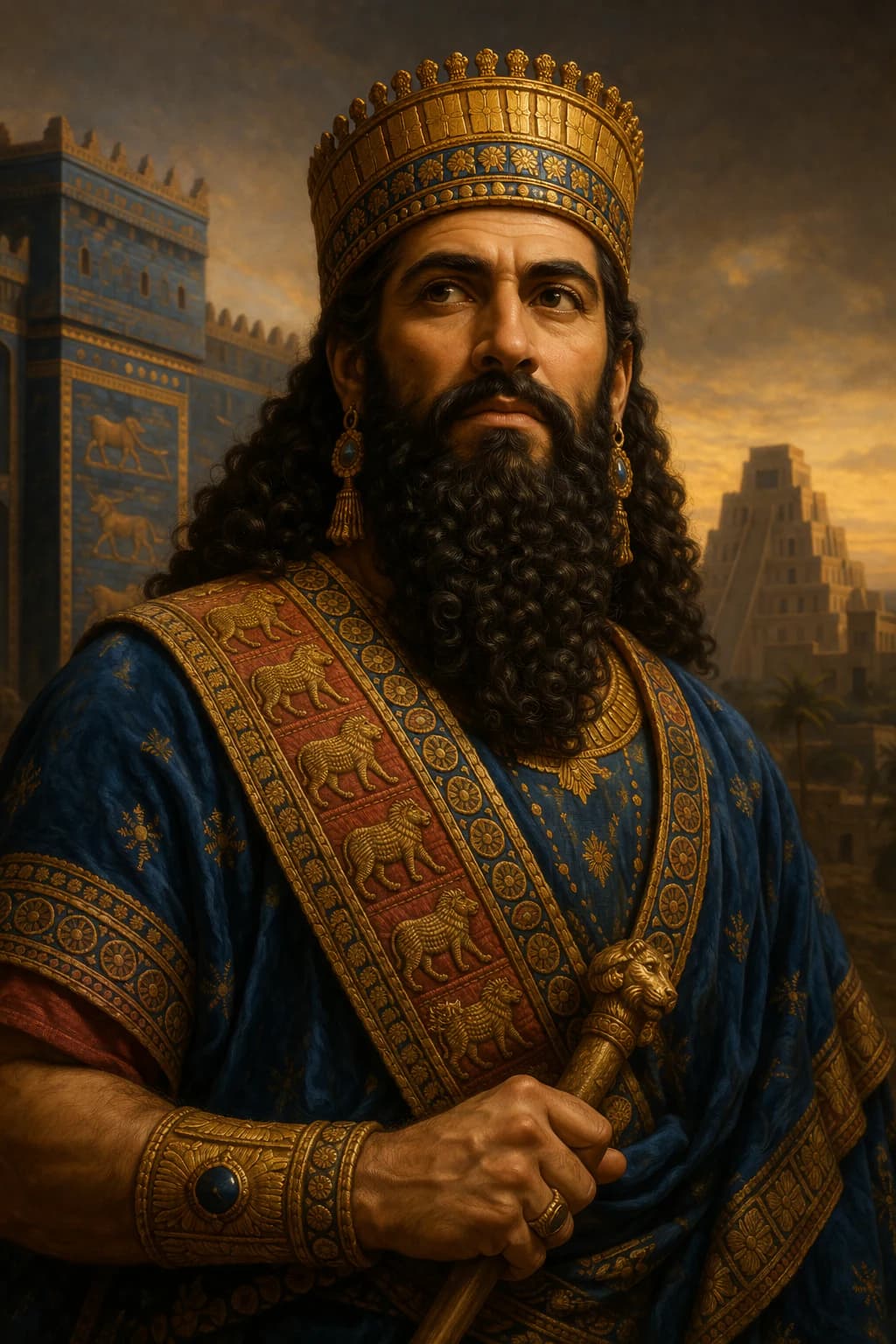
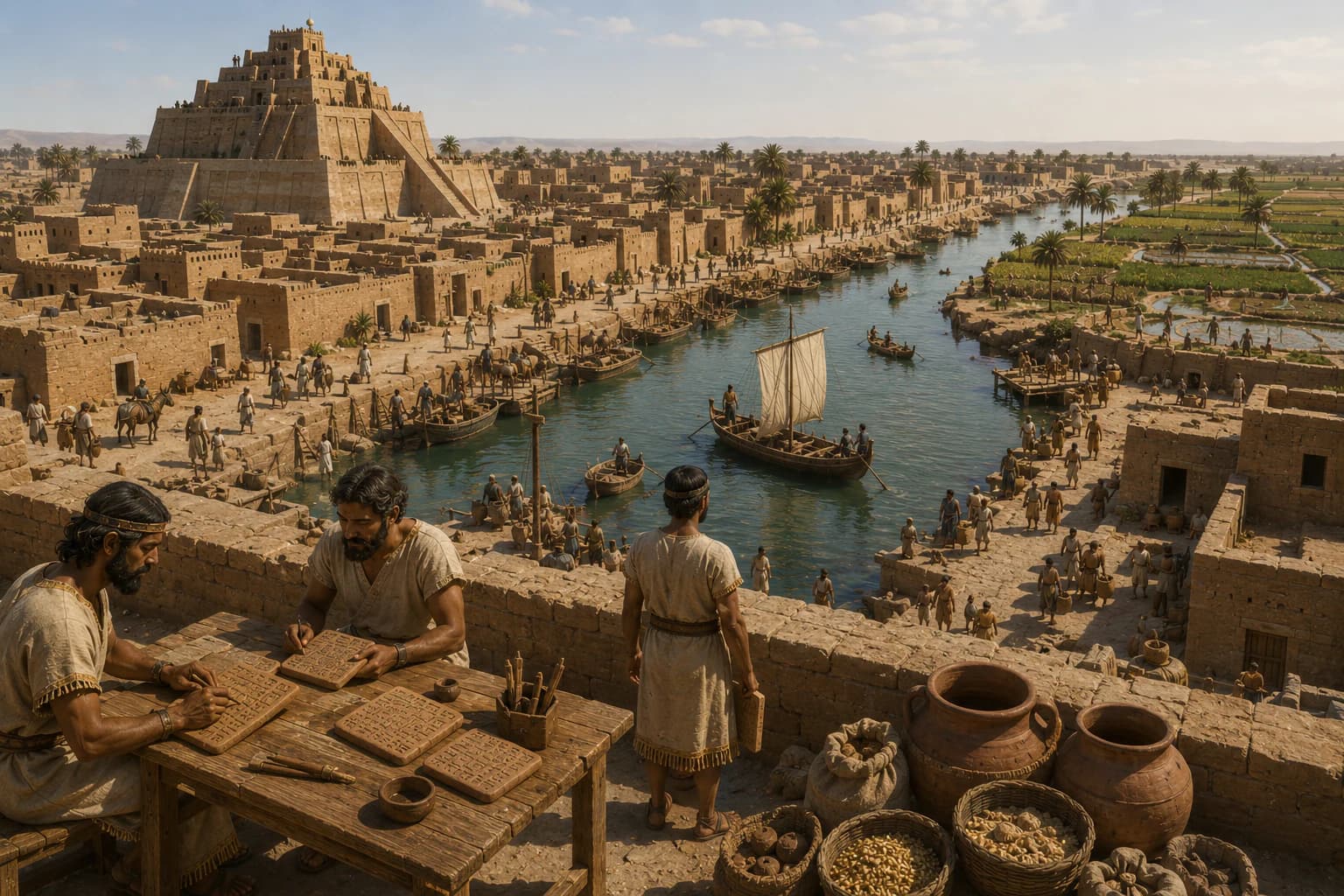
Cyrus's capture of Babylon in 539 BCE was the most famous achievement of his reign. Babylon was not just another city. It was the great imperial capital of Mesopotamia, sacred to Marduk, heir to centuries of scholarship, kingship, law, and urban prestige. The last Neo-Babylonian king, Nabonidus, had alienated some Babylonian interests, and Cyrus exploited that weakness with unusual political skill. Persian forces defeated Babylonian resistance, and Cyrus entered the city presenting himself as a restorer chosen by Marduk rather than as a foreign vandal. The Cyrus Cylinder, a royal inscription written in Babylonian political language, describes him returning cult statues and repairing disrupted religious order. It should not be read as a modern charter of human rights, but it is powerful evidence of Cyrus's imperial method: conquer decisively, then speak in the traditions of the conquered.
In Babylon, Cyrus showed that legitimacy could be as important as victory.
539 BCE-530 BCE
Ruling an empire
Cyrus's achievement was not only that he conquered, but that he made conquest governable. His realm stretched across different languages, landscapes, gods, cities, and political traditions. No single Persian habit could hold that world together by itself. Achaemenid rule therefore relied on a flexible imperial grammar: local elites could remain useful, temples could be honoured, tribute could be organised, and royal authority could be expressed differently in different regions. In Babylon, Cyrus used Mesopotamian religious language. In Iran, he remained the Persian king of the Achaemenid house. Across the empire, power rested on armed force, royal favour, communication, and the practical willingness to let communities keep much of their own life if they accepted Persian supremacy. This was not softness. It was strategy. Cyrus understood that an empire survives when obedience costs less than rebellion.
His genius was turning diversity from a problem of conquest into a tool of administration.
after 539 BCE
Return and memory
One reason Cyrus remains unusually vivid beyond Persian history is his place in Jewish tradition. After Babylon fell, Persian rule opened the way for Judean exiles to return from Babylon and rebuild the temple community in Jerusalem. The biblical books of Ezra, Isaiah, and Chronicles remember Cyrus as the foreign ruler through whom restoration became possible, even calling him the Lord's anointed in a striking expression of providential history. The precise administrative details remain debated, and Persian policy was not aimed only at Judah. It belonged to a broader imperial practice of stabilising territories by supporting local cults and communities. Yet the consequence was enormous. For Judeans, Cyrus was not merely a conqueror who replaced one empire with another. He became the ruler whose victory made return, rebuilding, and religious continuity imaginable after catastrophe.
Cyrus mattered because his imperial policy changed the future of communities far smaller than his empire.
530 BCE
Death and succession
Cyrus died in 530 BCE, but the circumstances remain uncertain. Greek traditions place his death during campaigns against peoples on the empire's northeastern frontier, especially the Massagetae, and later storytelling gave the episode a dramatic moral shape. The exact details are less secure than the outcome. Cyrus left behind a functioning imperial structure and a successor, Cambyses II, who would go on to conquer Egypt. That continuity matters. Many conquerors build realms that collapse at their death; Cyrus created something durable enough to outlive him and expand further. His tomb at Pasargadae became a physical anchor for royal memory, a modest monument compared with the scale of the empire but a potent statement of dynastic origin. The founder was gone, but the Achaemenid project had only begun.
The empire's survival after Cyrus was one of the clearest measures of his success.
After 530 BCE
Imperial legacy
Cyrus the Great matters because he changed the scale and style of ancient power. Before him, Persia was one kingdom among many. After him, it was the centre of the largest empire the Near East had yet seen, stretching across Iranian, Anatolian, Mesopotamian, and Central Asian worlds. His reputation is unusually positive for an ancient conqueror, but it needs careful handling. Cyrus used armies, overthrew kingdoms, and demanded obedience. He was not a modern liberal ruler. Yet compared with many imperial traditions, his rule was remembered for political intelligence: respect local gods when useful, preserve skilled elites, present conquest as restoration, and make imperial power feel orderly rather than merely predatory. Later Persian kings, Greek writers, Jewish texts, and modern admirers all shaped his image. Behind the legend stands a real achievement: Cyrus created an empire flexible enough to rule difference and prestigious enough to become a model of kingship long after his death.
His legacy is not that conquest became gentle, but that empire learned how powerful restraint could look.