1500-1519
Habsburg inheritance
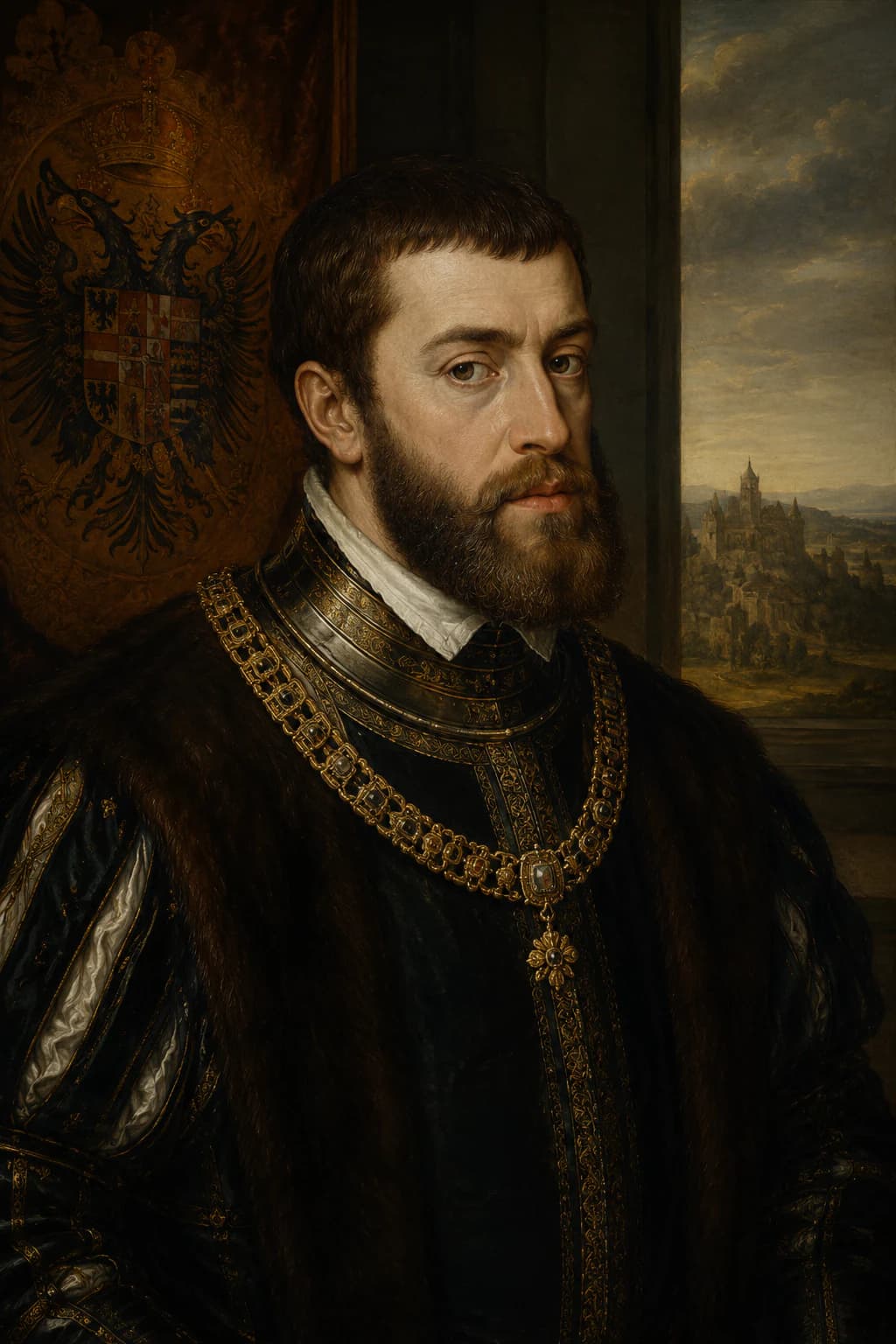
Charles inherited Spain, the Low Countries, Habsburg lands and then the imperial title, making him the most powerful ruler in Europe.
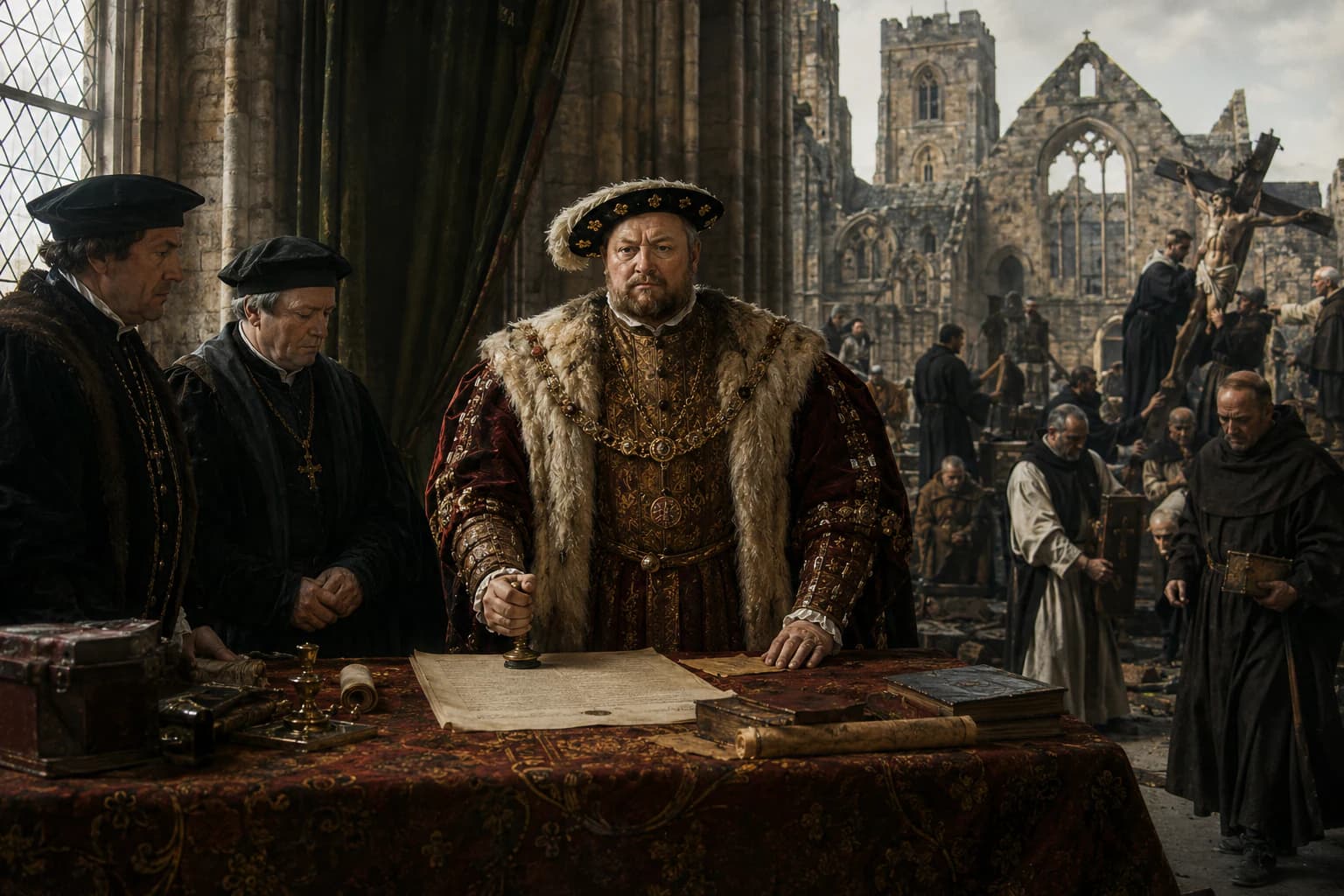
Charles V was Holy Roman Emperor from 1519 to 1556 and King of Spain as Charles I. His influence over Pope Clement VII after the sack of Rome helped block Henry VIII's annulment from Catherine of Aragon.
Holy Roman Emperor (1500-1558)
Additional identity and tagging details that are not already covered in the introduction.
Selected specifics from this profile's life story.
Charles inherited Spain, the Low Countries, Habsburg lands and then the imperial title, making him the most powerful ruler in Europe.
Charles confronted Martin Luther at the Diet of Worms, where the Protestant Reformation became an imperial crisis.
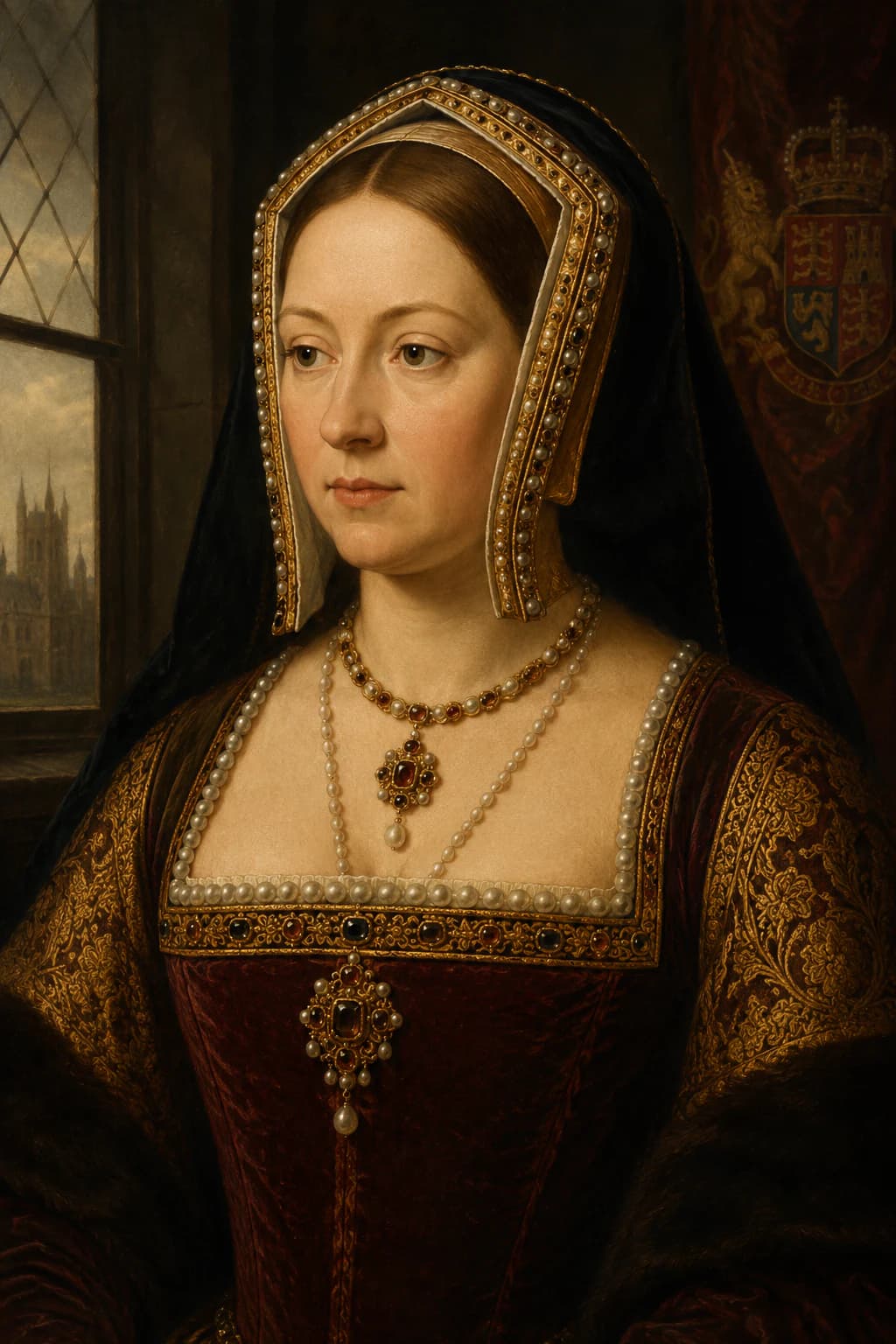
Charles supported Catherine's position, making Henry's desired annulment harder for the papacy to grant.
Charles abdicated in the 1550s, leaving a divided religious Europe and a Habsburg legacy continued by Philip II.
Follow the story in a more continuous narrative, with a reading mode that matches how much depth you want.
Charles inherited Spain, the Low Countries, Habsburg lands and then the imperial title, making him the most powerful ruler in Europe.
Charles confronted Martin Luther at the Diet of Worms, where the Protestant Reformation became an imperial crisis.
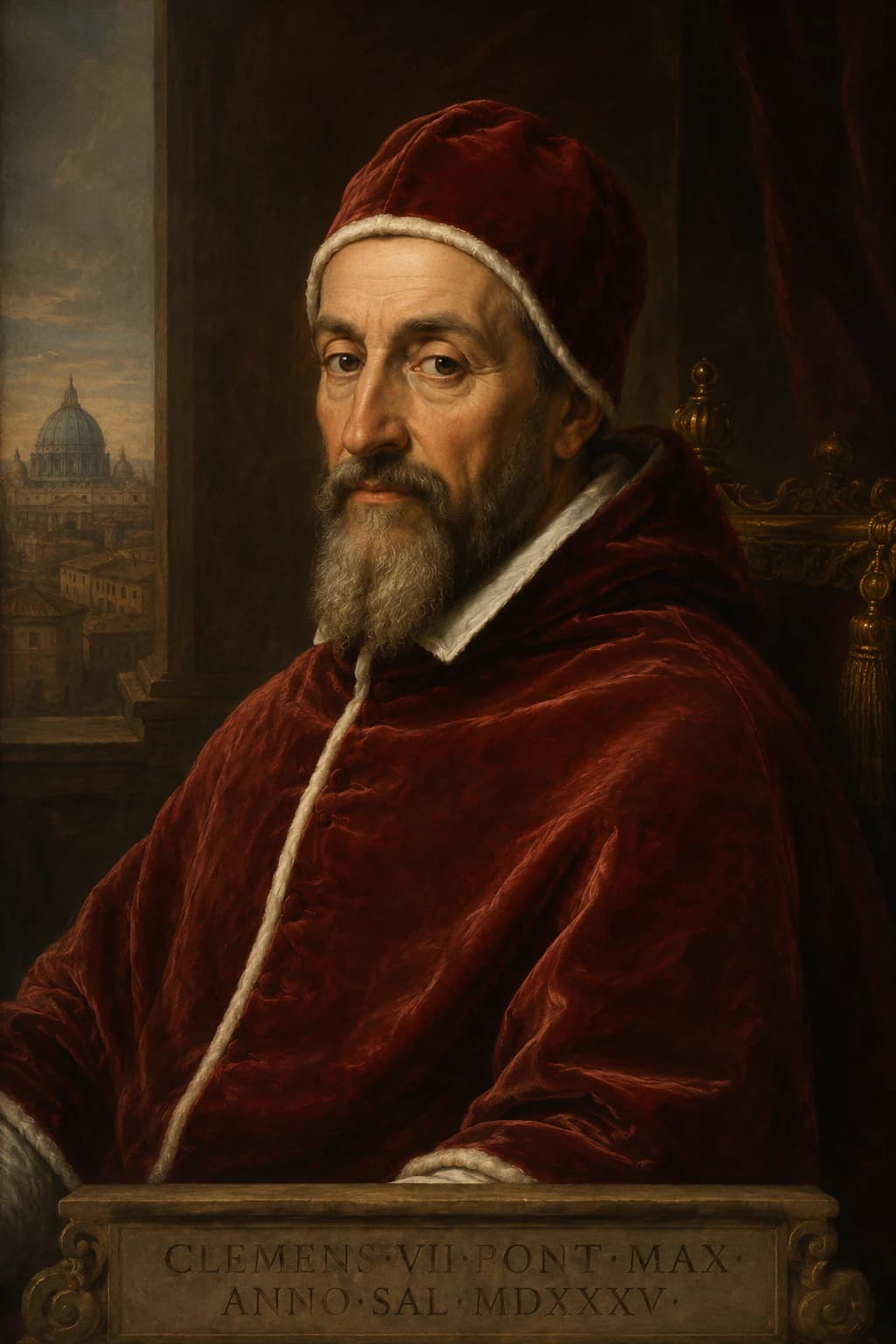
Imperial troops sacked Rome in 1527, leaving Pope Clement VII politically constrained during Henry VIII's annulment case.
Charles supported Catherine's position, making Henry's desired annulment harder for the papacy to grant.
Charles abdicated in the 1550s, leaving a divided religious Europe and a Habsburg legacy continued by Philip II.
Move from the profile into the wider events and settings this figure belongs to.
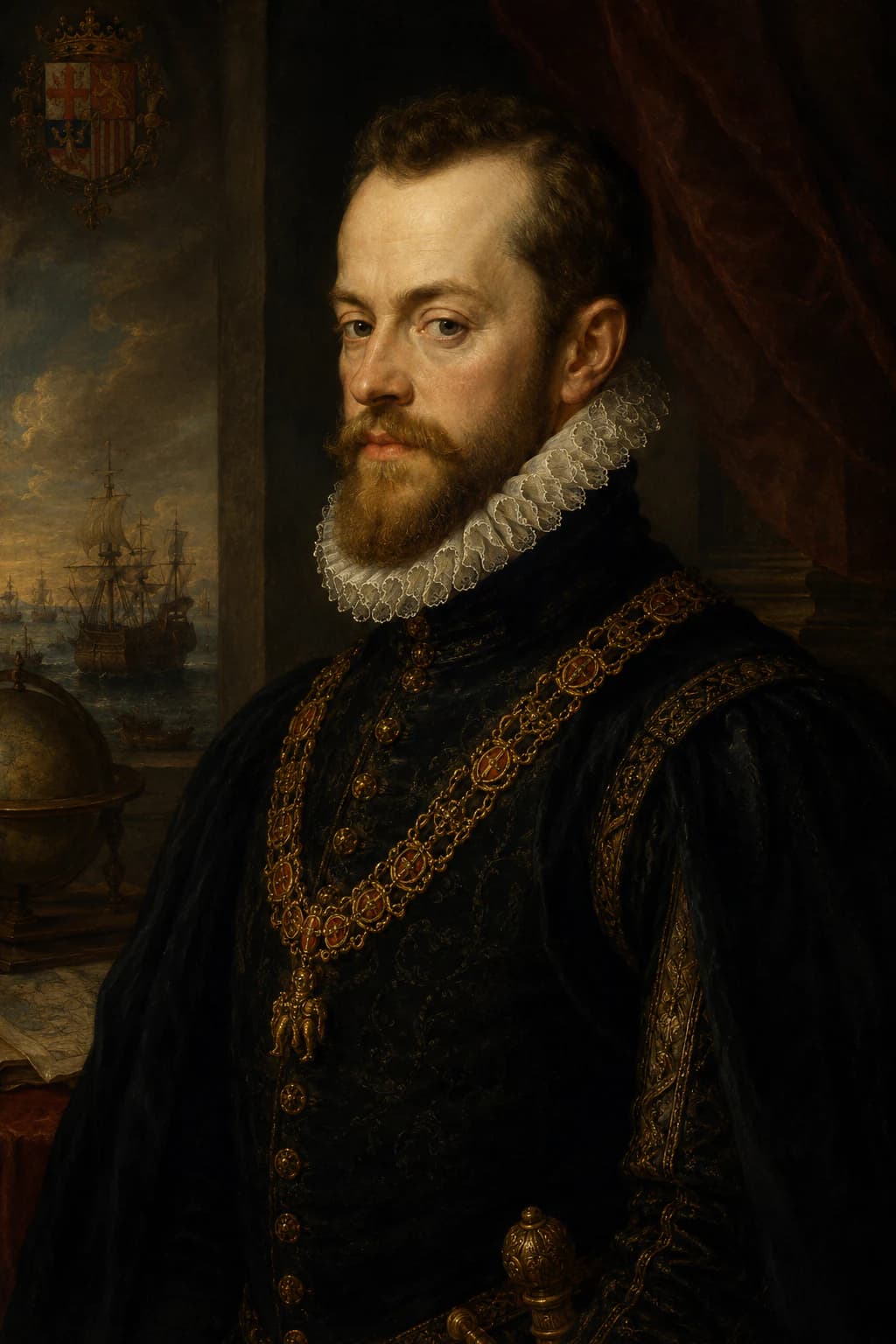
This profile is written for educational use and connects to related Stories of History pages. Illustrations are original artistic interpretations.
Find out first about the latest published stories, feature notes and occasional Premium offers in one weekly email.