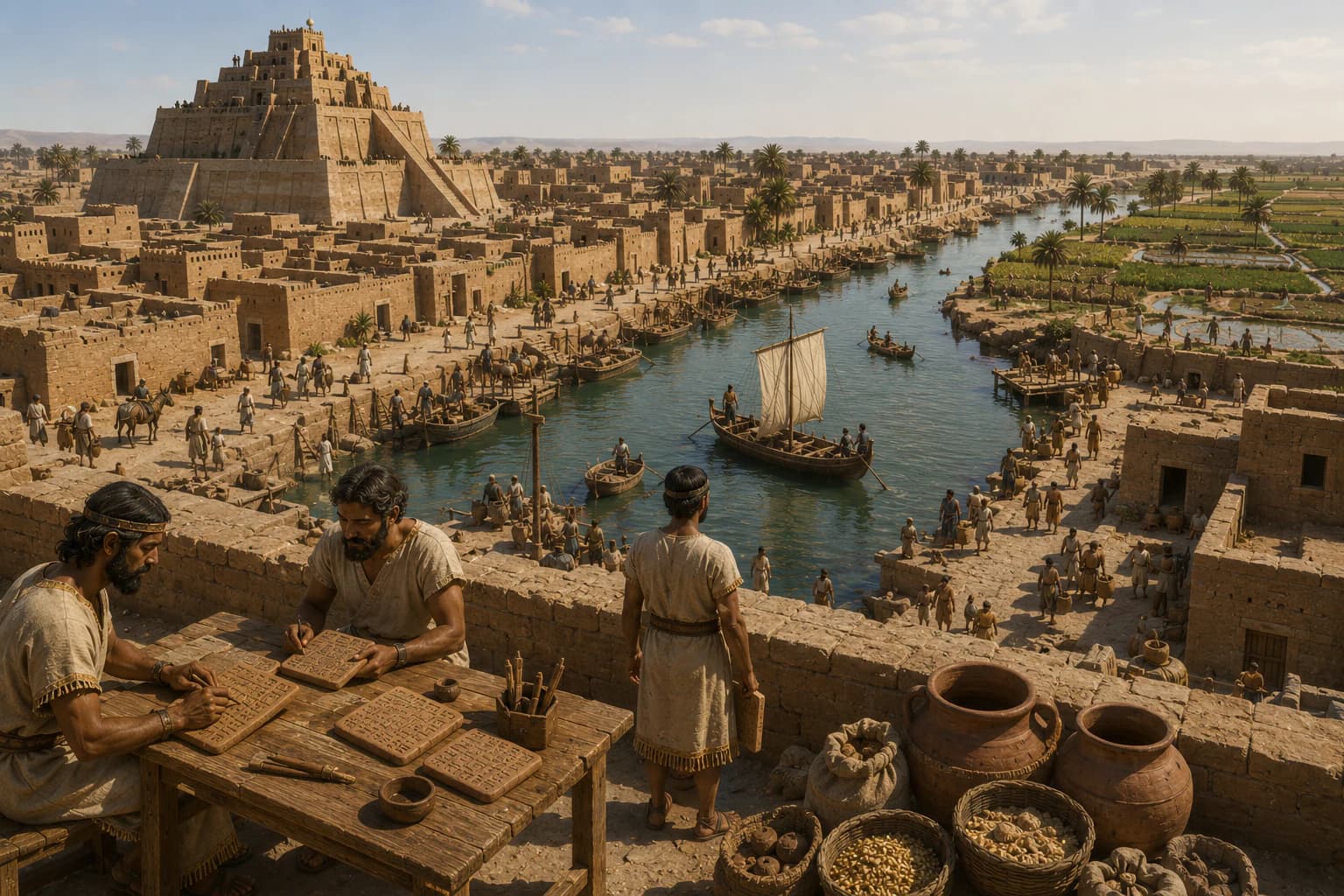
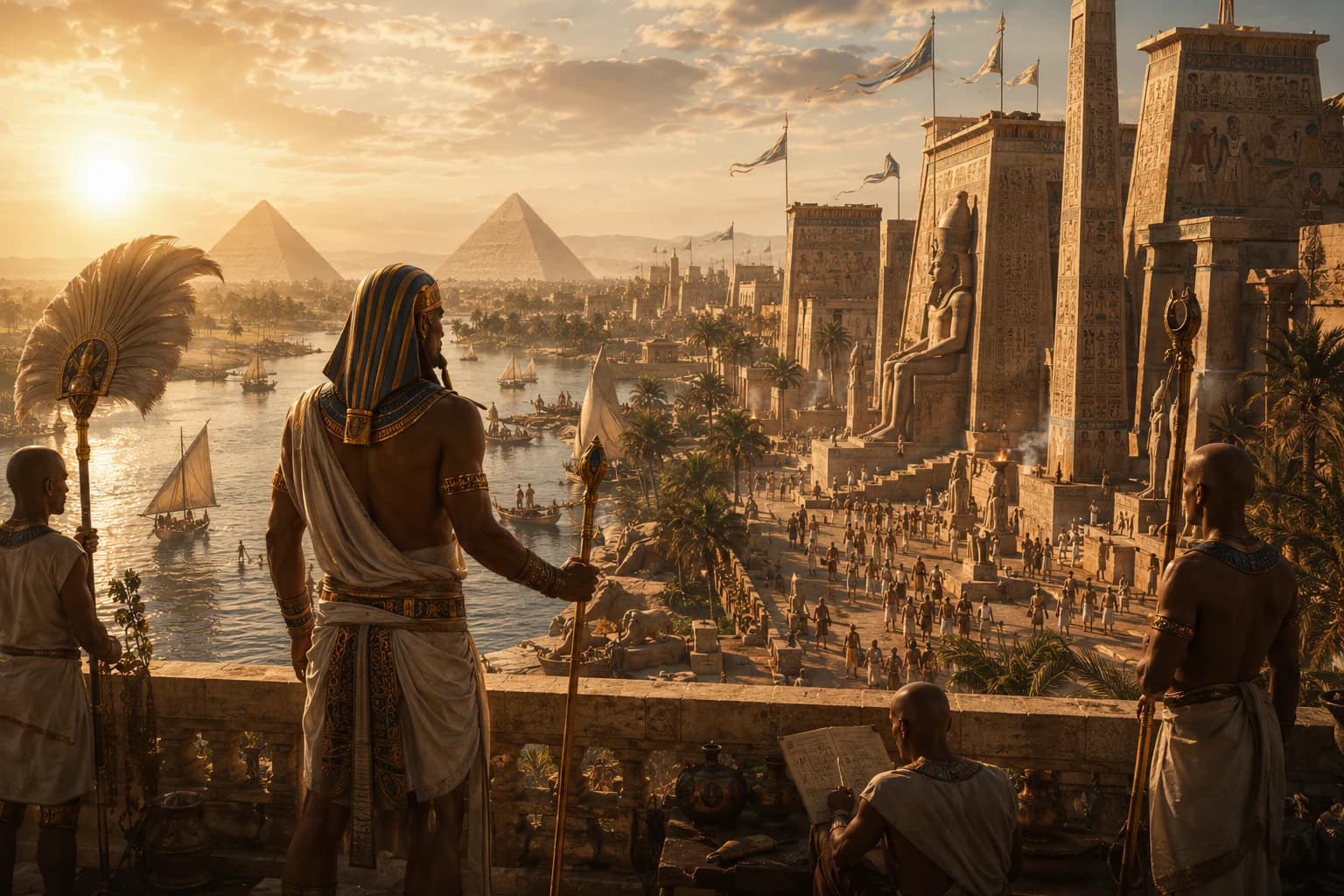
c. 685 BC-669 BC
Royal training
Ashurbanipal was a younger son of Esarhaddon, trained for kingship after his father arranged a succession that divided Assyria and Babylon between two brothers.
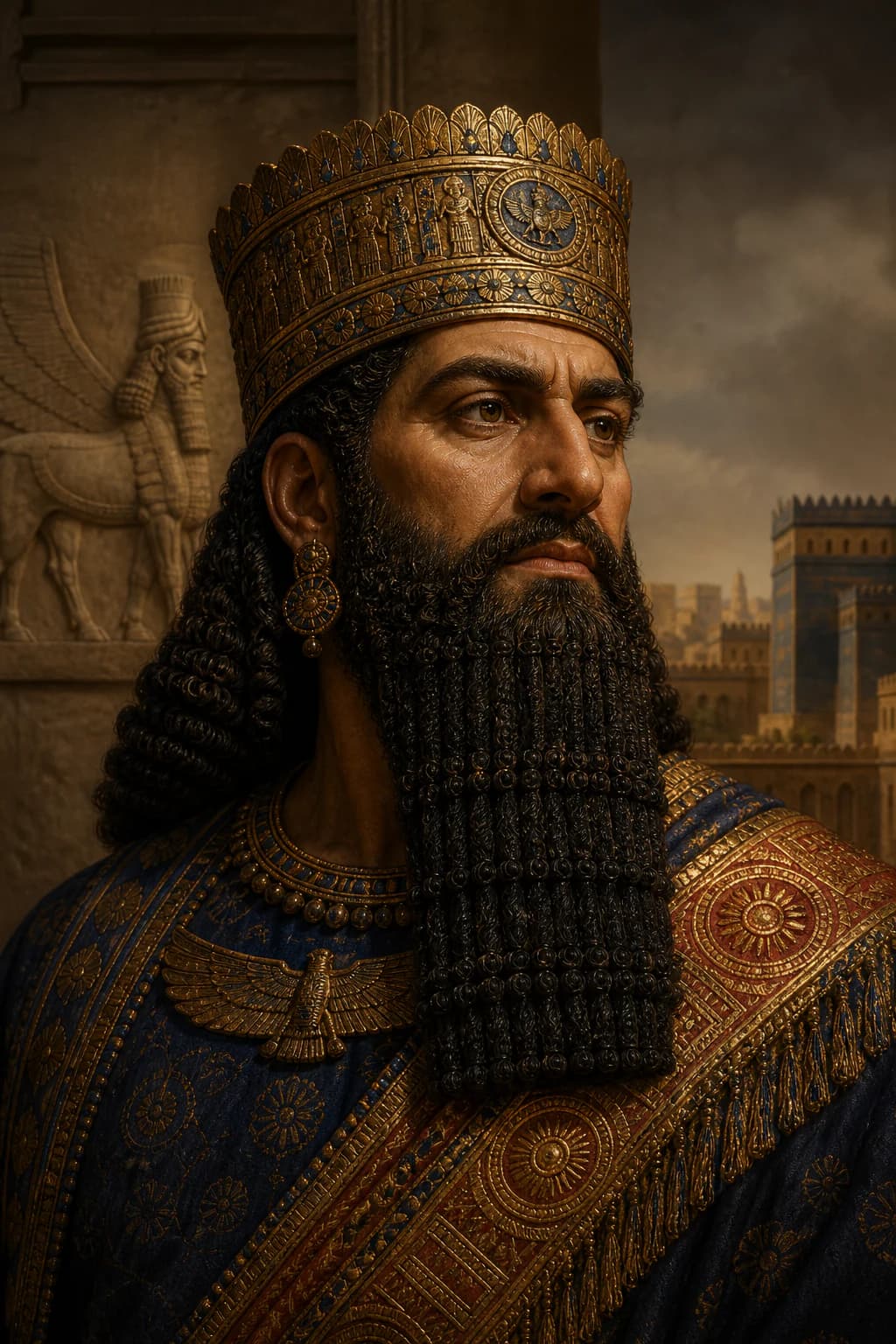
Ashurbanipal was king of Assyria from 669 to about 631 BC. He was the last great ruler of the Neo-Assyrian Empire, famous for campaigns against Egypt, Elam, and Babylon, and for the royal library at Nineveh that preserved works such as the Epic of Gilgamesh.
King of Assyria (669-c. 631 BC)
Additional identity and tagging details that are not already covered in the introduction.
Selected specifics from this profile's life story.
Ashurbanipal was a younger son of Esarhaddon, trained for kingship after his father arranged a succession that divided Assyria and Babylon between two brothers.
Ashurbanipal campaigned in Egypt against Taharqa and Tanutamun, briefly restoring Assyrian dominance before Egypt recovered under the Saite dynasty.
Ashurbanipal waged devastating campaigns against Elam, destroying Susa and presenting the victory as righteous punishment against a persistent rival.
After Ashurbanipal's death, Assyria rapidly weakened, and within decades Nineveh fell to the Babylonians and Medes.
Follow the story in a more continuous narrative, with a reading mode that matches how much depth you want.
Ashurbanipal was a younger son of Esarhaddon, trained for kingship after his father arranged a succession that divided Assyria and Babylon between two brothers.
Ashurbanipal became king of Assyria in 669 BC, inheriting the largest empire the Near East had yet seen and the constant pressure required to hold it together.
Ashurbanipal campaigned in Egypt against Taharqa and Tanutamun, briefly restoring Assyrian dominance before Egypt recovered under the Saite dynasty.
Ashurbanipal's brother Shamash-shum-ukin rebelled in Babylon, turning the imperial settlement created by their father into a brutal civil war.
Ashurbanipal waged devastating campaigns against Elam, destroying Susa and presenting the victory as righteous punishment against a persistent rival.
Ashurbanipal gathered a vast collection of cuneiform tablets at Nineveh, preserving Mesopotamian literature, medicine, ritual, astronomy, and scholarship.
After Ashurbanipal's death, Assyria rapidly weakened, and within decades Nineveh fell to the Babylonians and Medes.
Move from the profile into the wider events and settings this figure belongs to.
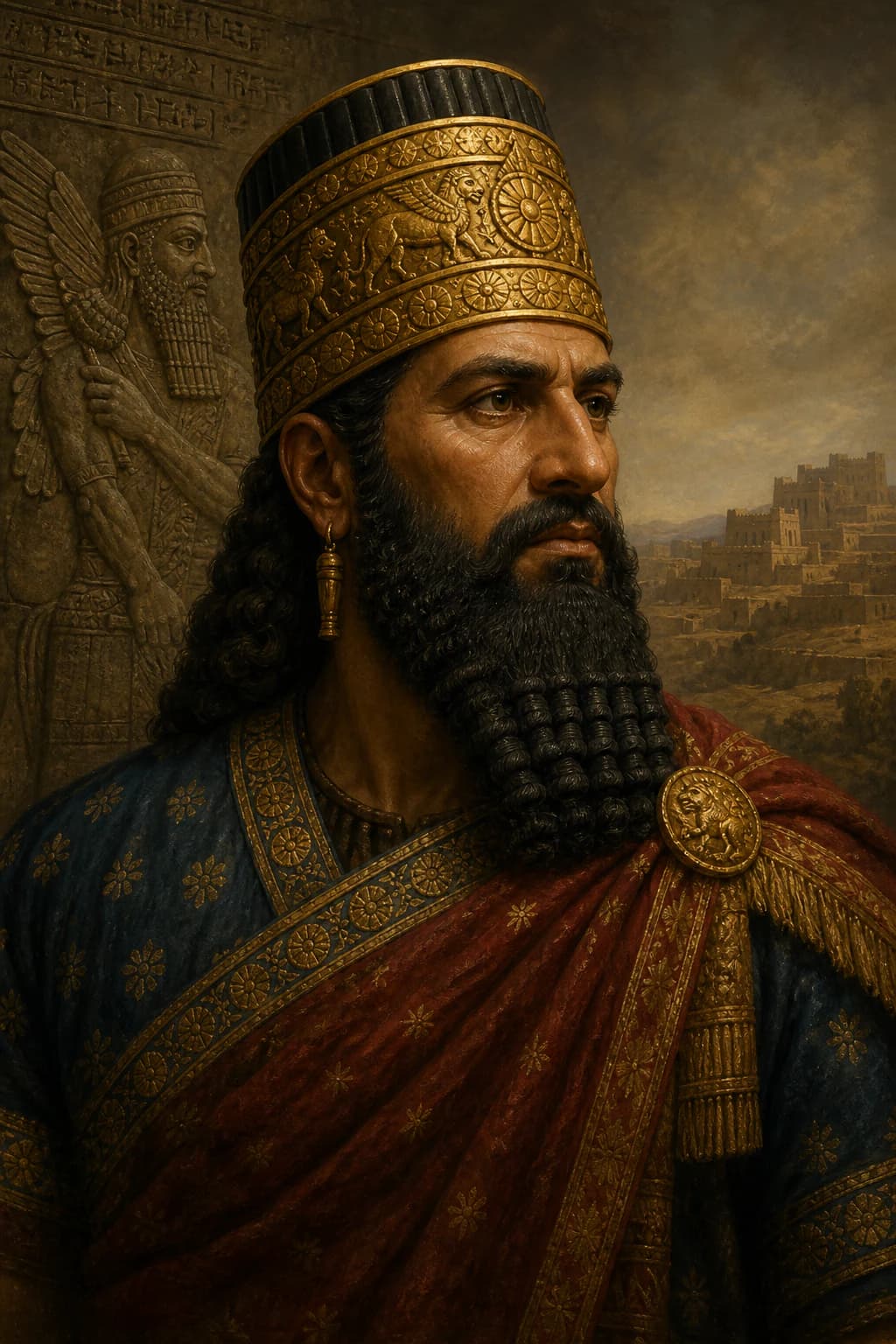
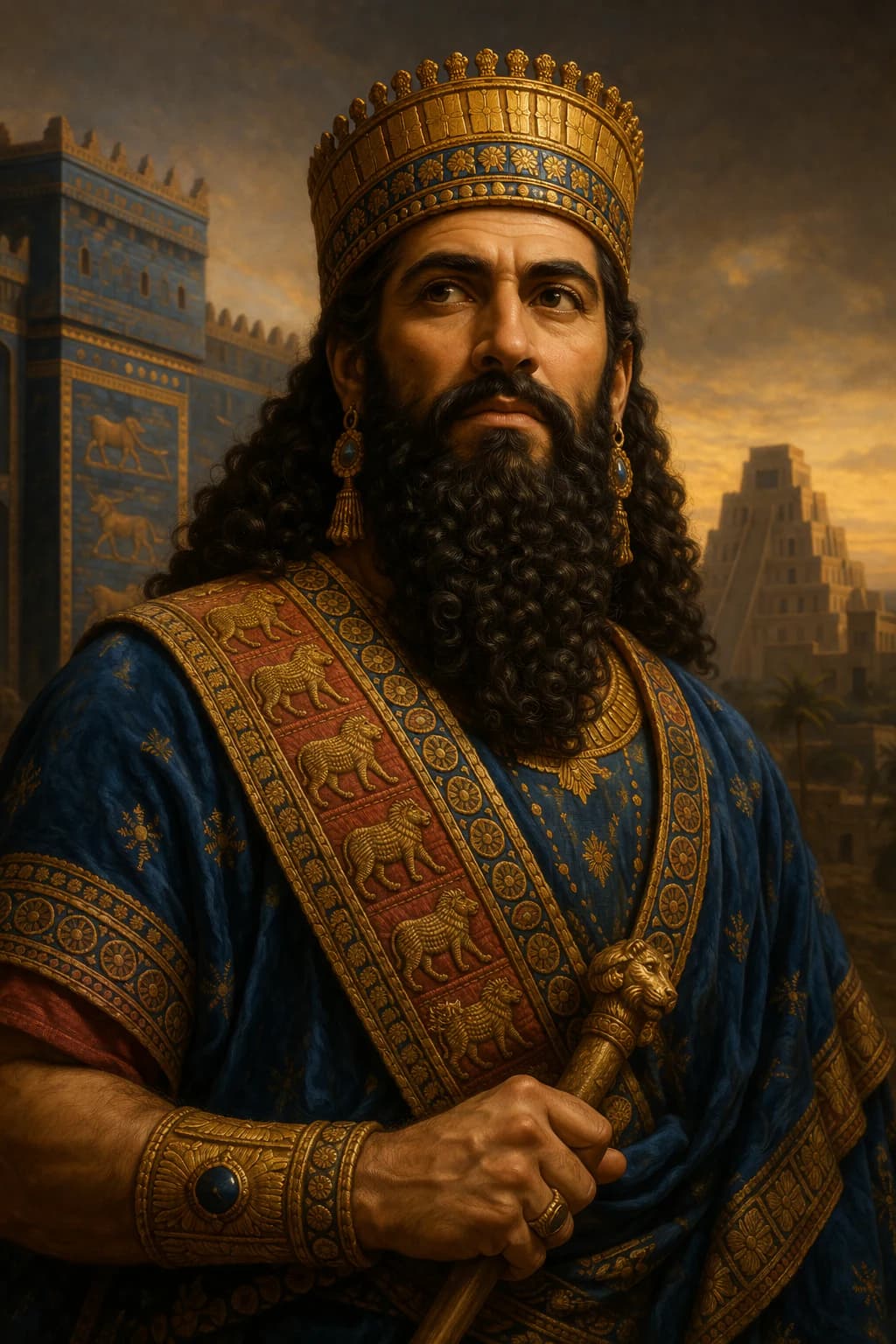
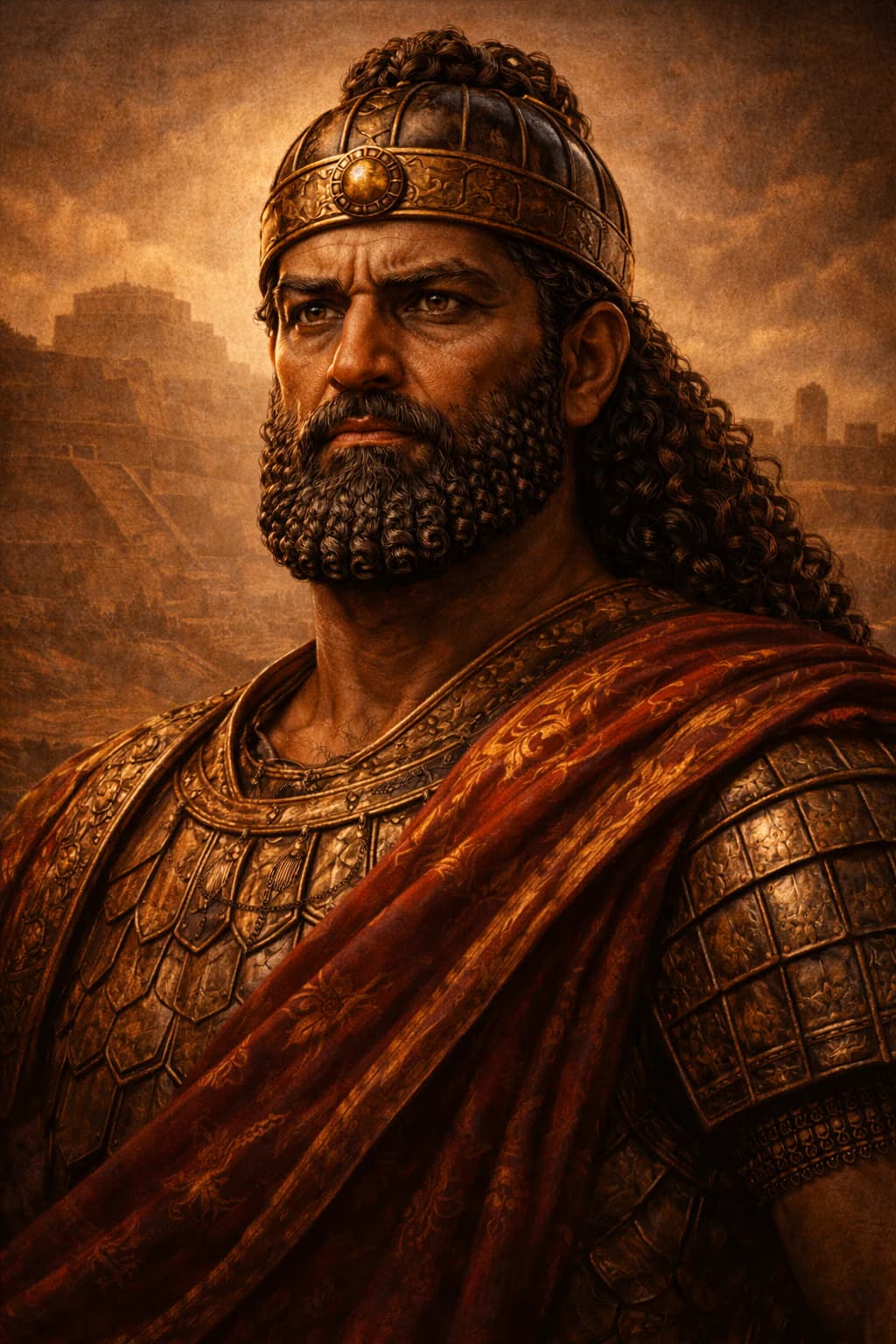
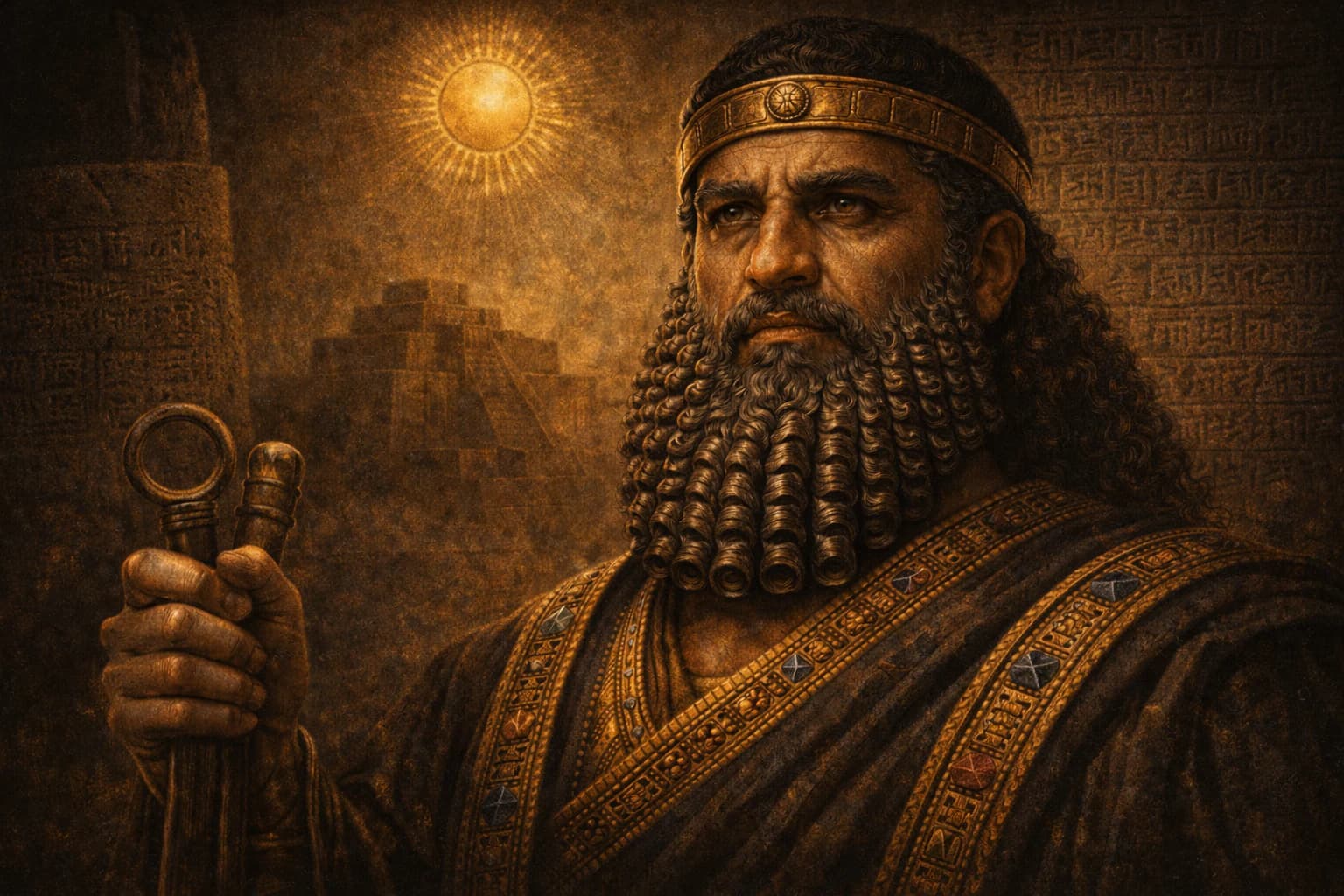
This profile is written for educational use and connects to related Stories of History pages. Illustrations are original artistic interpretations.
Find out first about the latest published stories, feature notes and occasional Premium offers in one weekly email.